Ground Truth
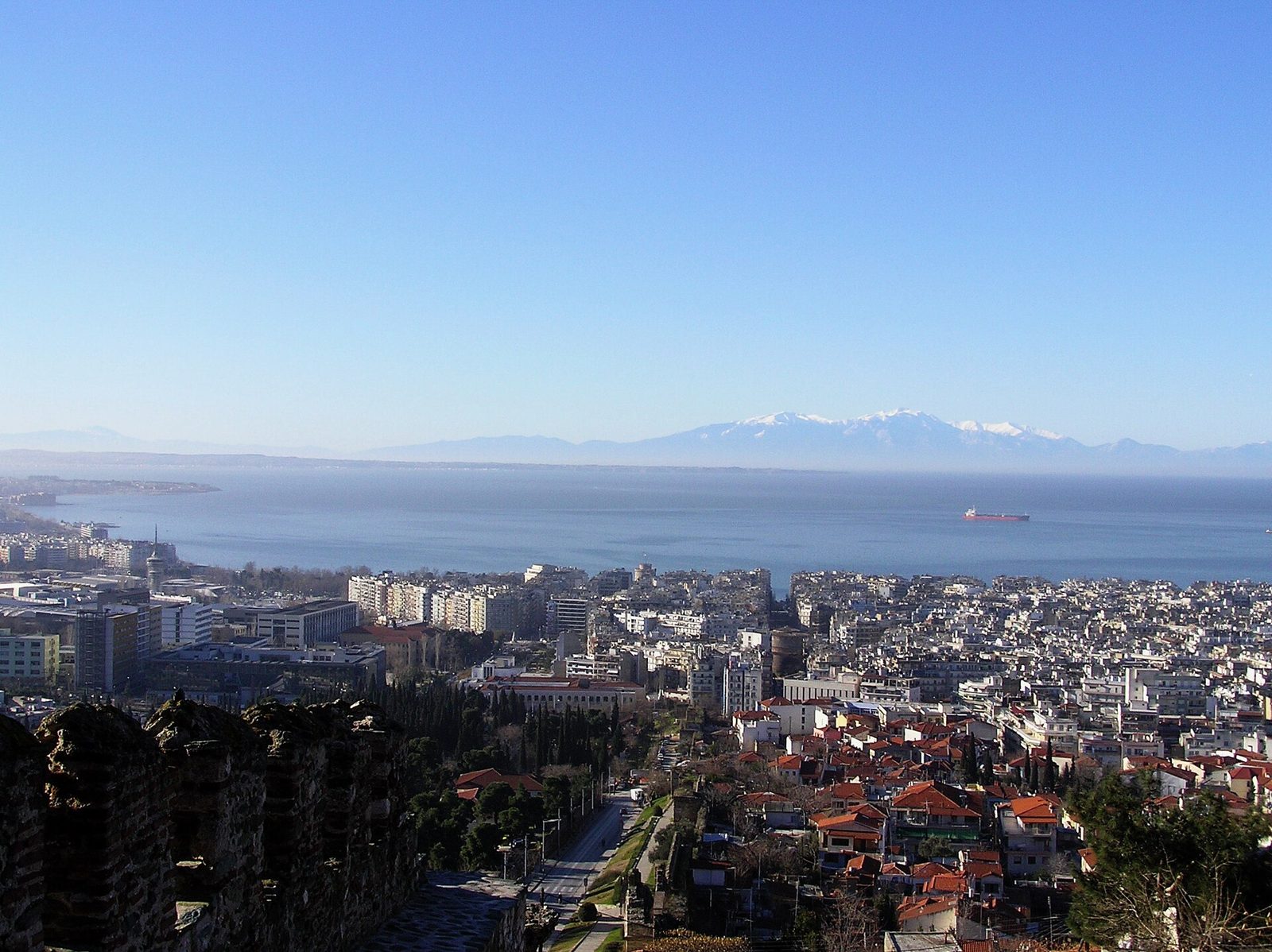
It comes from the north-west, down the long trench of the Axios, and the first thing it does is clean the sky. Thessaloniki calls it the Vardaris, after the river the Slavs to the north named Vardar, and on the coldest, clearest days of winter it is the reason you can see Mount Olympus across the gulf.
The mechanism is plain. When the pressure over eastern Europe climbs above the pressure over the Aegean, usually in the rear of a passing depression, cold dry air spills south and finds the one easy road through the mountains: the gap that runs from the Morava down to the Vardar and out to the Gulf of Thermaikos. Squeezed through that funnel, the wind speeds up. Meteorologists file it with the ravine winds, the same family as the mistral and the bora, air made fast by the shape of the land.
What it carries is cold, and clarity. The Vardaris is dry. It scours the cloud off the city, drops the temperature hard and is one reason snow reaches a coast that sits at roughly the latitude of the French Riviera. It can also do harm; the strongest episodes have torn at infrastructure and crops the length of the valley.
On its clearest, cruellest days you can see Olympus across the gulf.
Sailors on the Thermaikos have always watched for it, and the city has half-made a character of it, the wind that empties the streets and the sky at once. Learn its name and you learn something about how Thessaloniki sits: at the mouth of a valley that reaches all the way to the Balkans, with the cold of a continent one good gap away.
A cold fall wind blowing from the northwest down the Vardar valley in Greece to the Gulf of Salonica.
Glossary of Meteorology, American Meteorological Society