On the Rise
Thessaloniki spent the better part of forty years waiting for a metro, and for most of that time it seemed to be waiting for nothing. The line opened in November 2024. The trains have no driver, the platforms sit behind glass, and several of the stations hold the city's own buried history in cases along the walls.
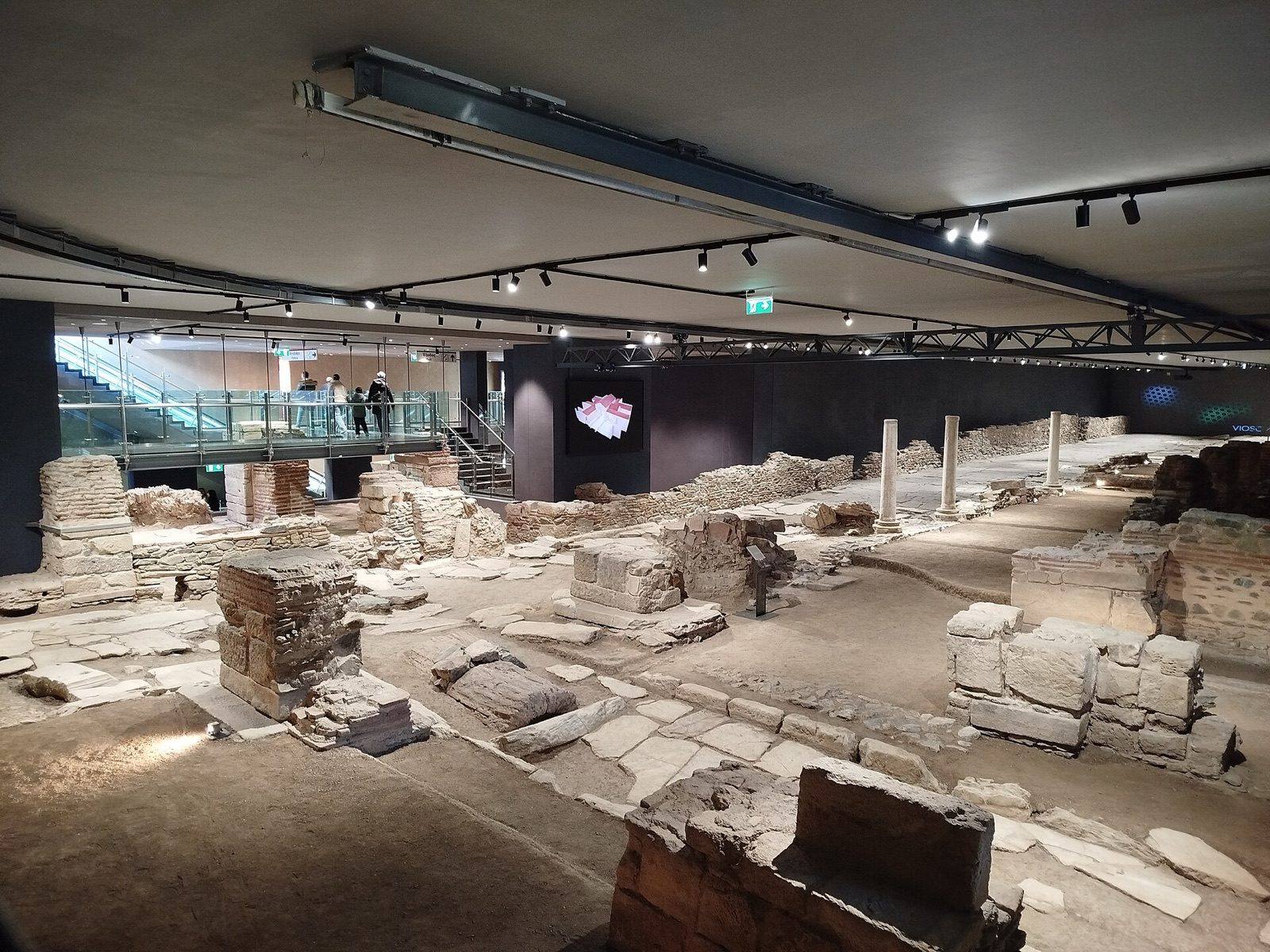
We rode it first to Venizelou, in the centre, because that is where the past refused to move. When the tunnelling reached the old heart of the city it struck the marble-paved avenue that was the main road through Roman and Byzantine times, lined with the foundations of shops and a crossroads still laid in stone. The engineers could have recorded it and poured concrete over the top. Instead the whole junction was lifted, catalogued and set back in place, and the station was built around it. You come down the escalator to catch a train and step out into the late-Roman city.
The scale of what came out of the ground is hard to hold. Around 300,000 artefacts were recovered across the years of digging, the largest urban excavation Greece has ever run, and the archaeology alone cost more than 130 million euros. The project as a whole came close to three billion and took almost twenty years to finish, slowed again and again by the very finds it kept making. Every delay had a reason, and most of the reasons are now on display.
A city that digs a tunnel and decides to keep what it finds is telling you something about how it sees itself.
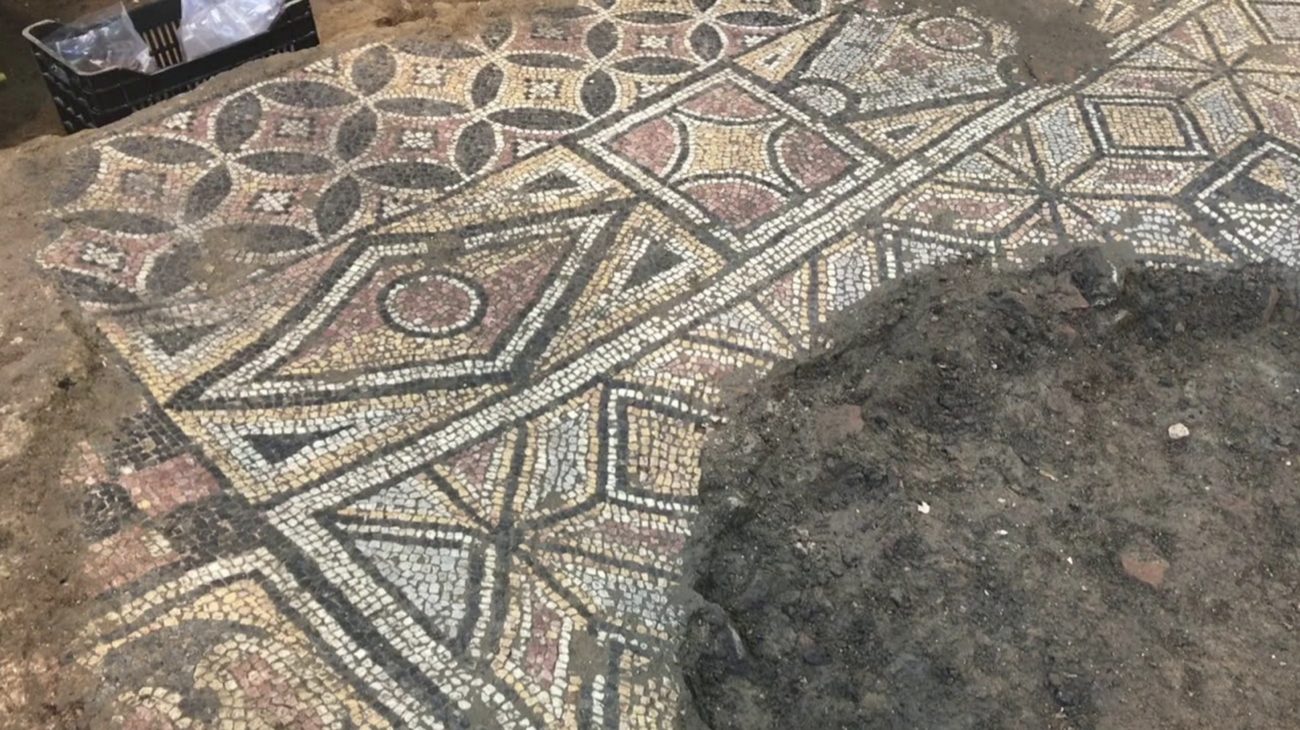
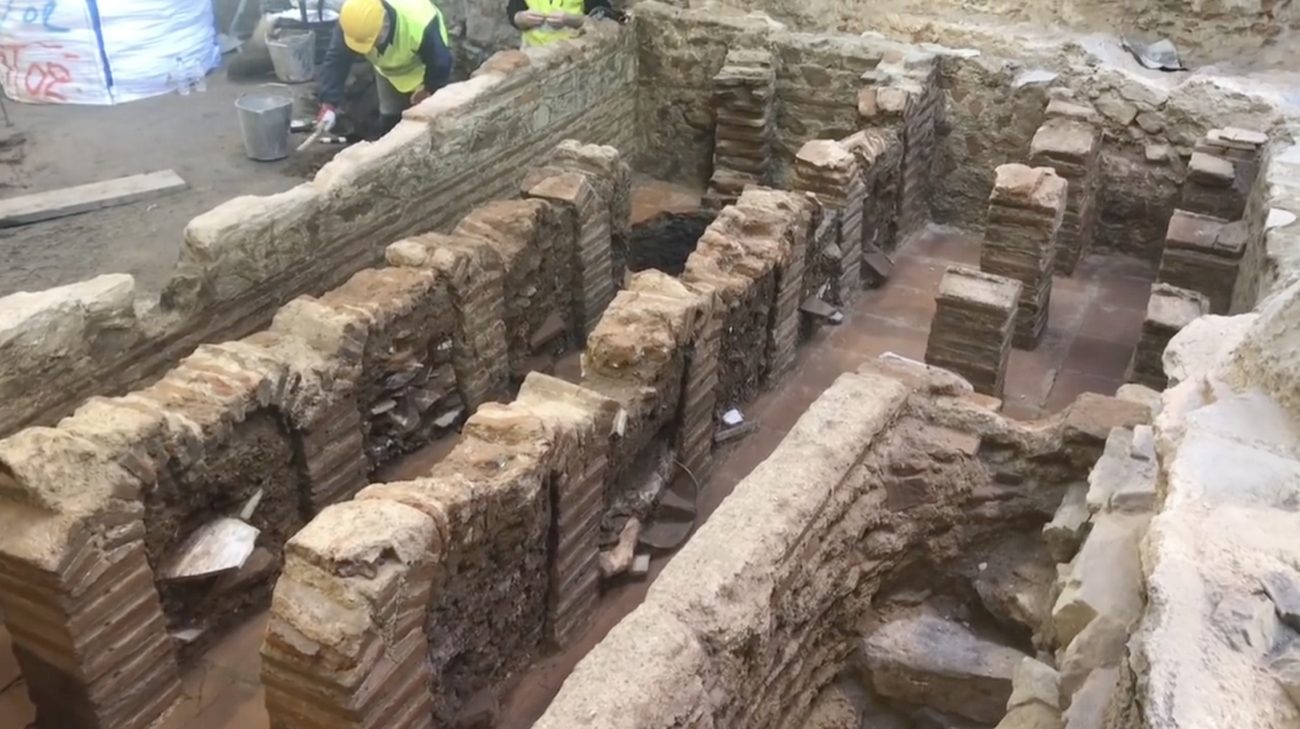
The choice runs through the network. At Agias Sofias the platform looks onto Roman mosaics and the brick pillars of a hypocaust, the underfloor heating of a house that stood here when the city was young. Glass cases of coloured pottery break up the walls where advertising would sit in any other metro. Thirteen stations, nine and a half kilometres, and the ones in the old town double as museums you walk through without paying.
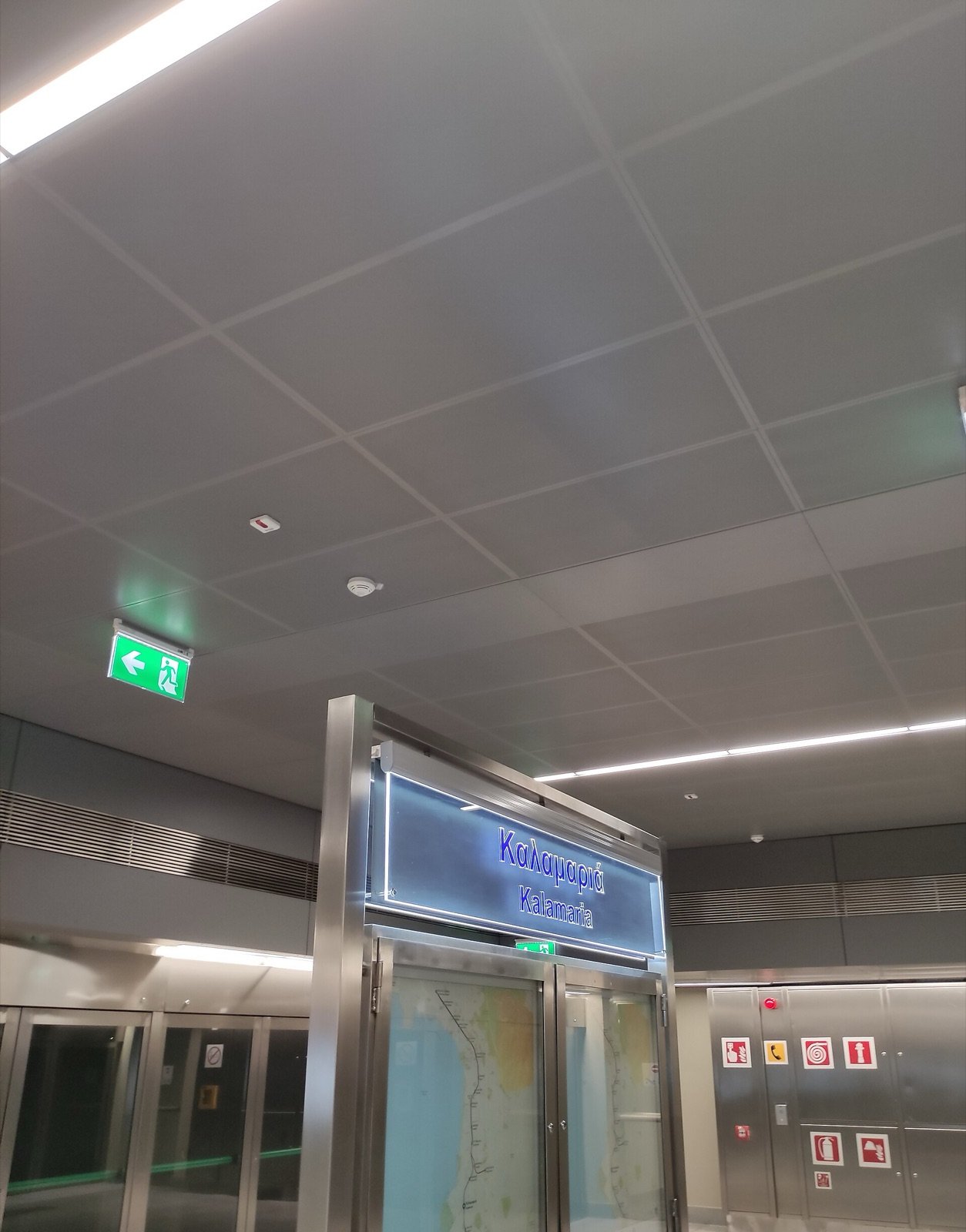
The rest is as modern as any line in Europe. Driverless trains arrive every few minutes, screen doors open onto the platform edge, and the whole system runs from a single control room. For a city long treated as the quieter sibling of Athens, the contrast is the point. The antiquity is the reason the line took so long, and the reason it feels like nowhere else. No other metro we have ridden doubles as a working dig.
Go for the trains alone if you like, though that would be a strange reason to visit a city this good at feeding you. Ride the line end to end, get off at Venizelou, and stand a while on the old marble road as the next train slides in behind the glass. Few places let you meet their past on the way to work.