On the Rise
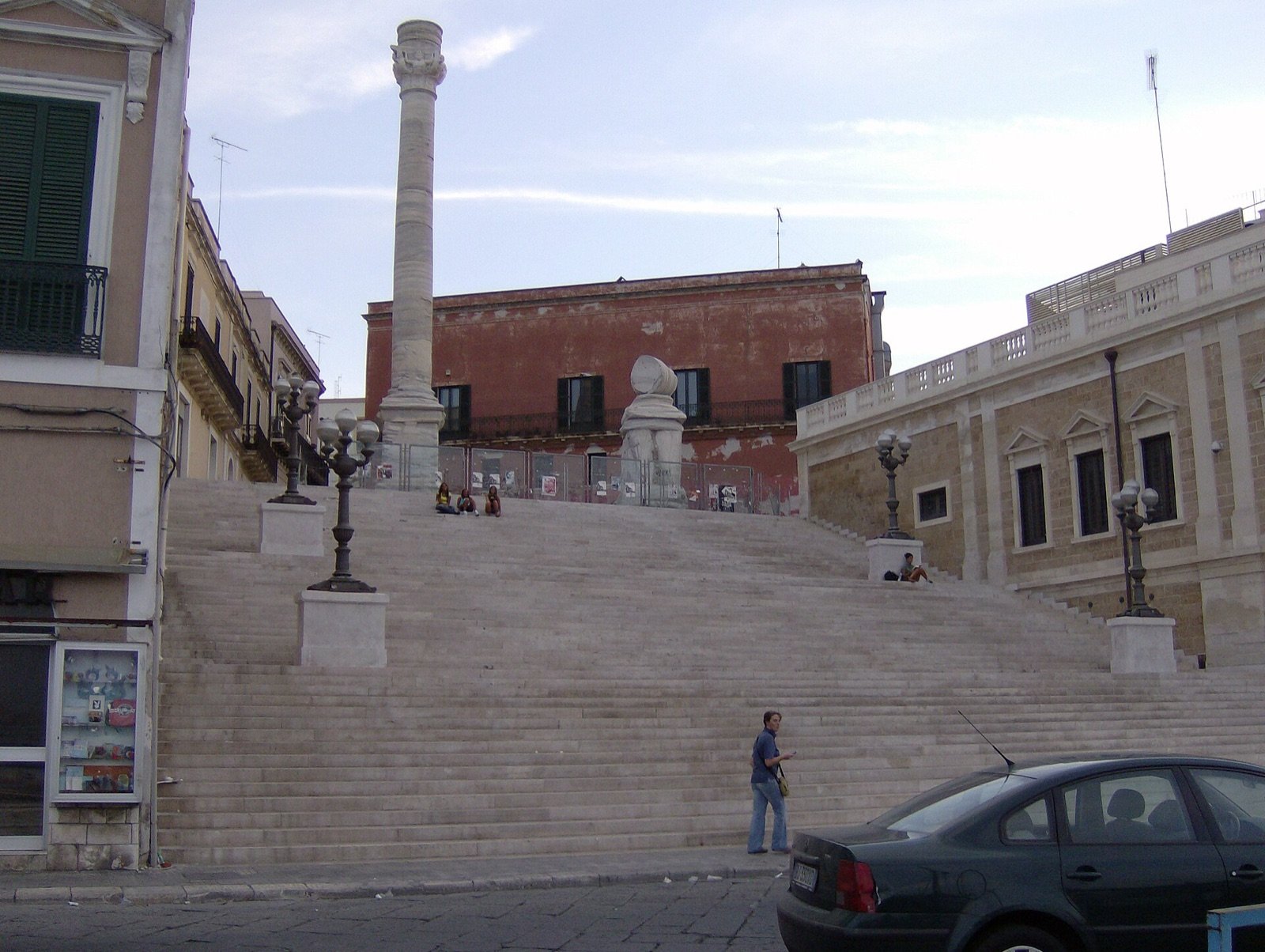
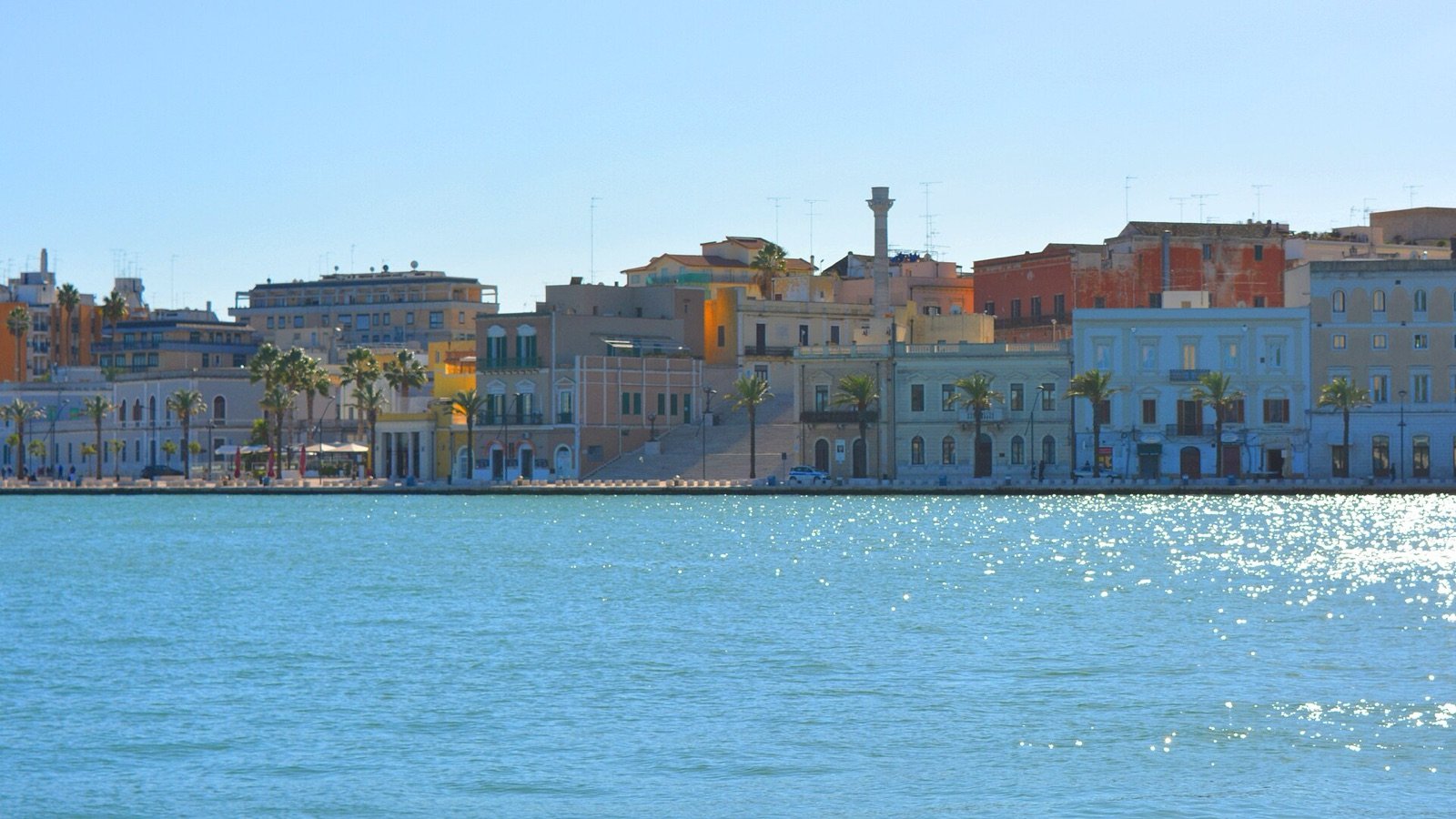
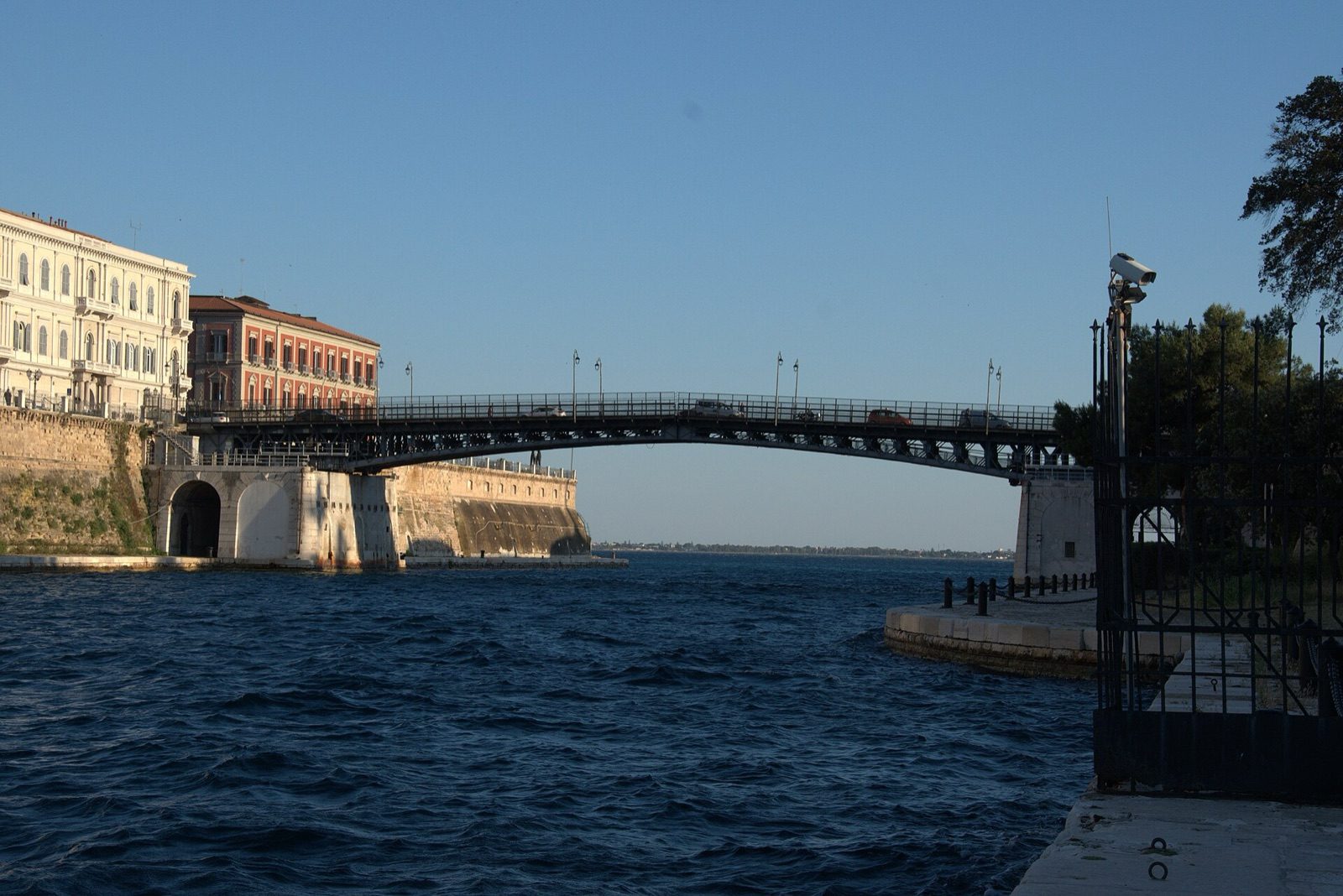
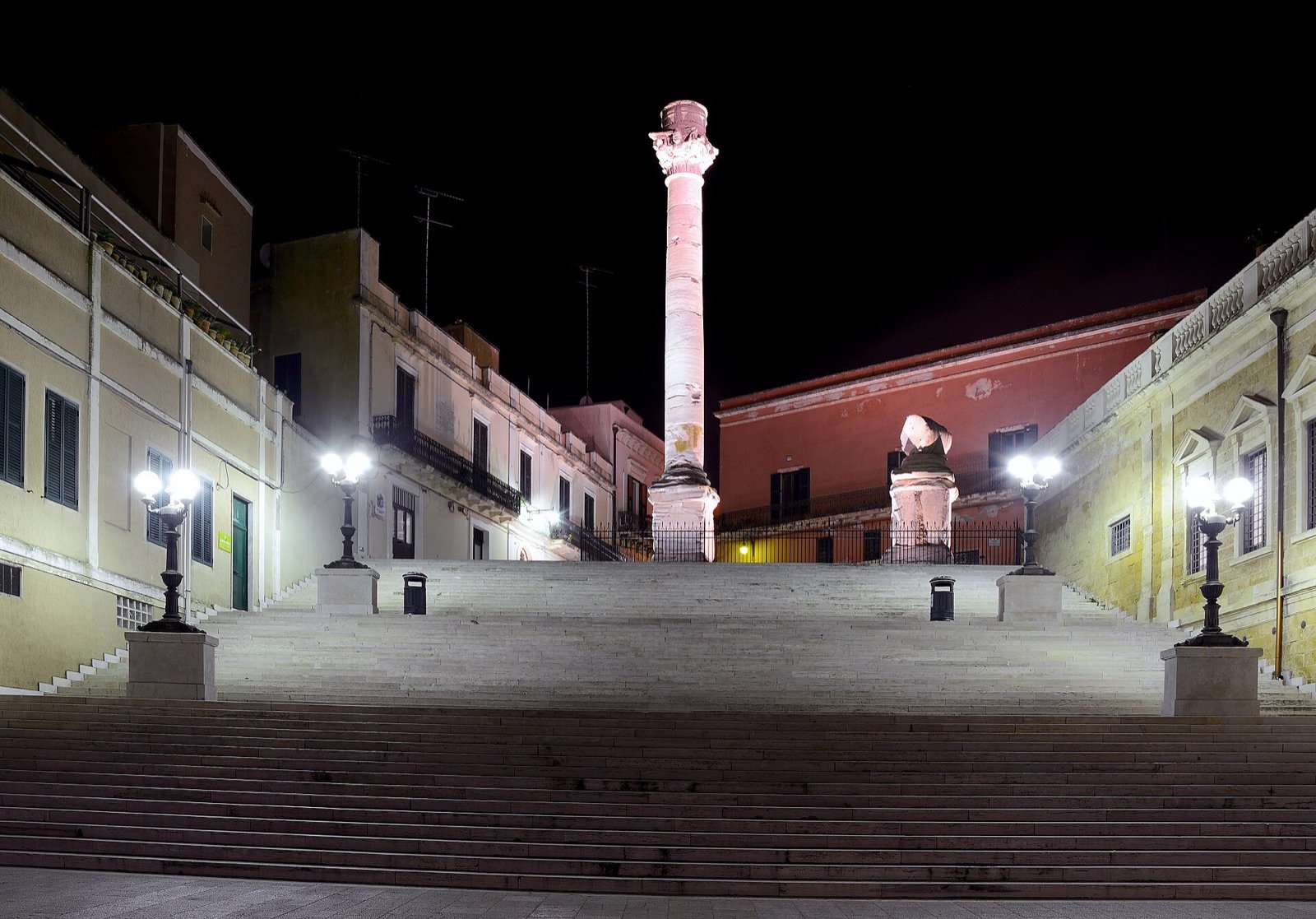
We came down the Via Appia the way the Romans finished it, at the water. In Brindisi the road does not fray into a ring road or a suburb. It stops at the top of a short flight of steps, at the foot of a marble column, with the harbour spread out below. Two thousand years of traffic, and this is the full stop.
For a long time the city wore that history lightly, almost carelessly. Ferries to Greece, a container quay, an oil terminal on the far shore. People passed through Brindisi on the way to somewhere else, which is the oldest habit the town has. The legions embarked here for the East. Crusaders after them. The Grand Tourists treated it as a gangway rather than a place.
That is changing, and the reason is the road itself. In 2024 UNESCO inscribed the Via Appia, the Regina Viarum, on the World Heritage list, Italy's sixtieth site. The listing covers the whole run from Rome, more than 800 kilometres laid from 312 BC and extended across four centuries, and it names Brindisi as the terminus. A town that had been a footnote to the road is suddenly its closing line.
A road is only as famous as its ending, and for once the ending is a harbour you can still walk down to.
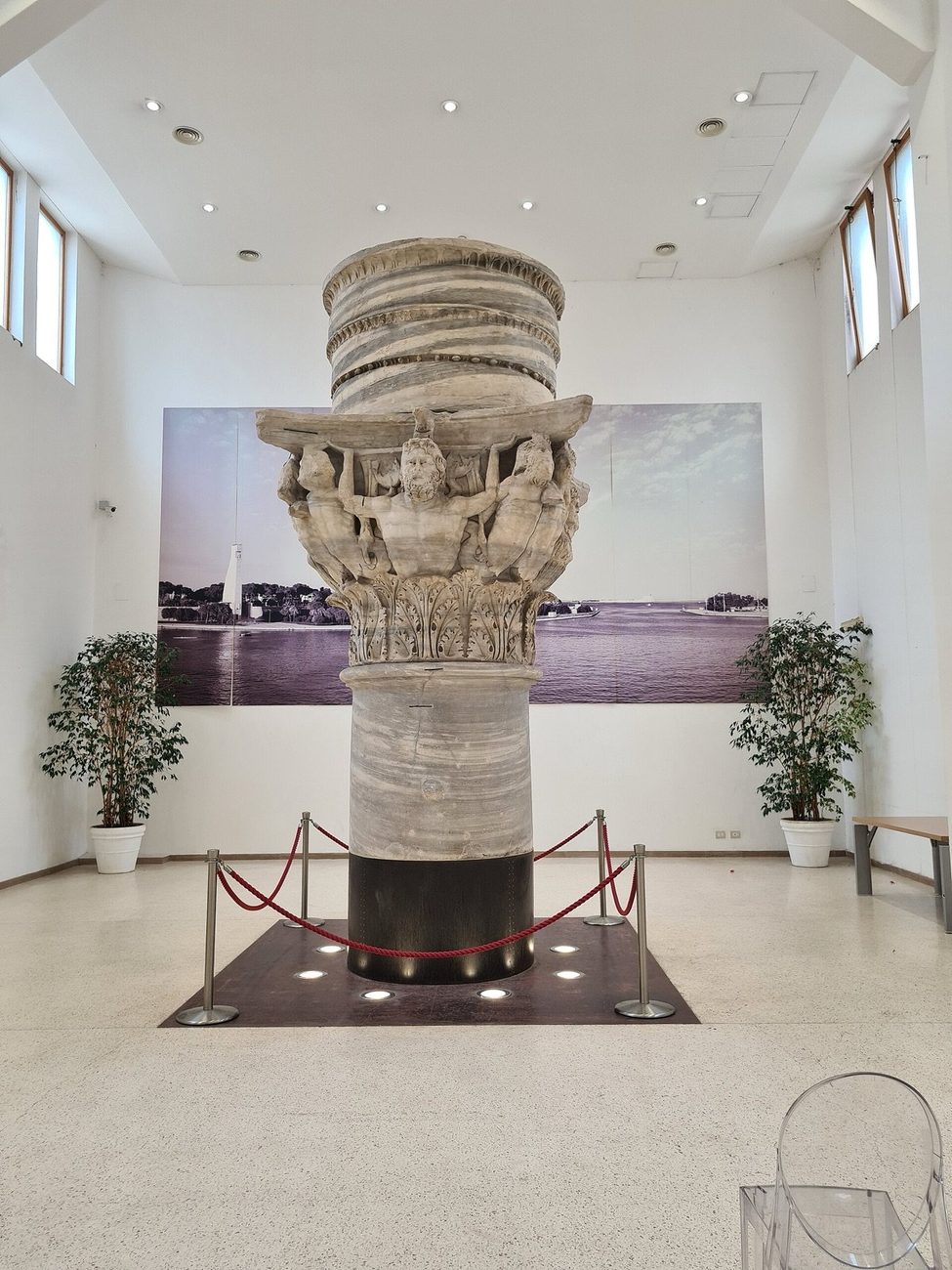
The monument is modest, and better for it. One column still stands, tall and fluted, its capital carved with figures the salt air has worn soft. Its twin is long gone, collapsed centuries ago, the drums carried off to Lecce to raise the statue of Sant'Oronzo above the main square. So the terminus is a column and a bare pedestal, a whole thing beside its missing partner. For a port that has always been half departure, that feels about right.
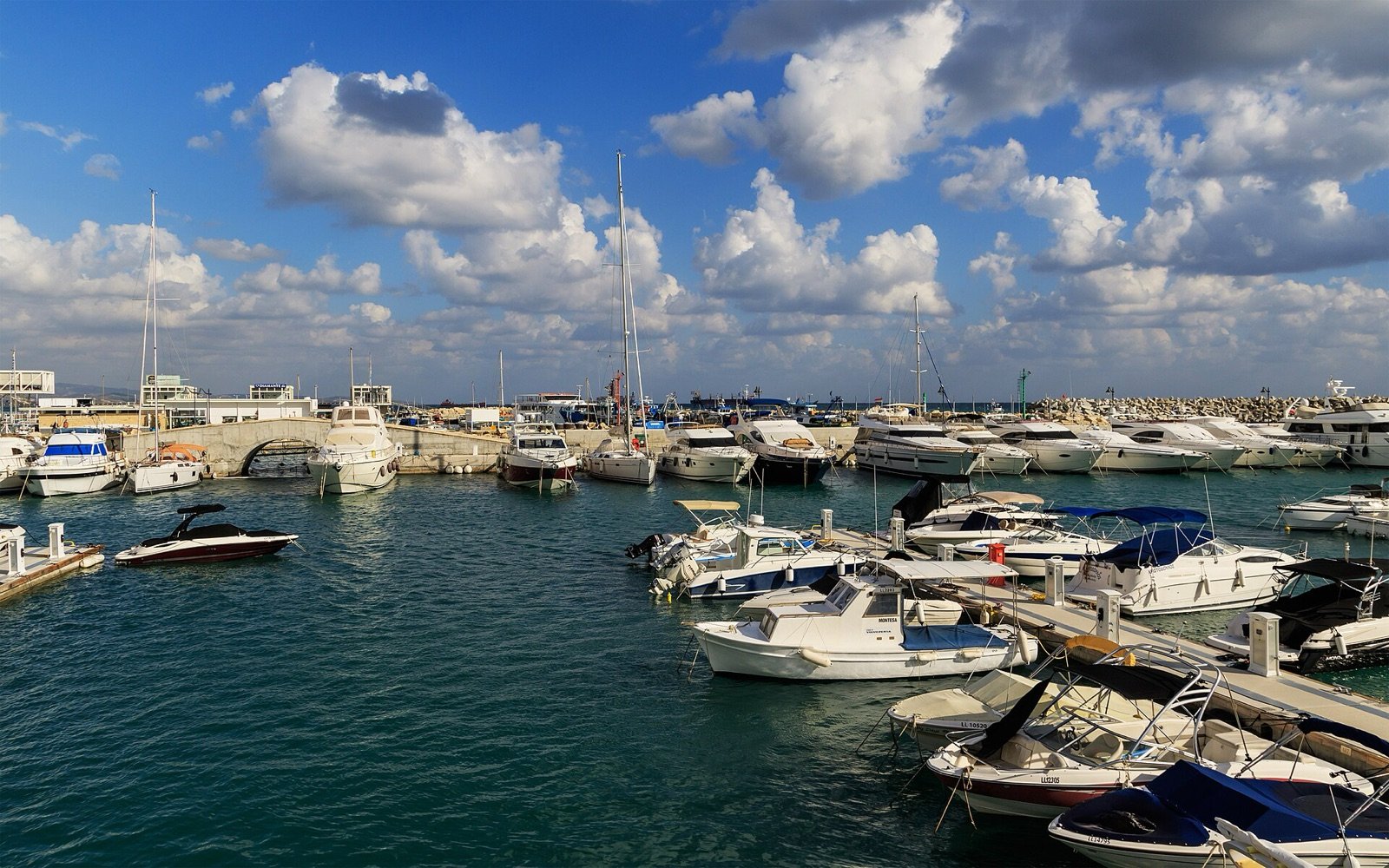
What has arrived with the listing is attention, and a little money. The Lungomare Regina Margherita has been tidied, the Roman steps lit after dark, the old town between the two harbours easier to walk. You can eat orecchiette and raw sea urchins within sight of the ships, drink in a piazza that empties by midnight, and sleep without the summer tariff of Polignano or Ostuni up the coast. Brindisi is not pretty in the postcard sense. It is something rarer, a working Adriatic port that has remembered it was once the end of the most famous road in the world.
Appia longarum teritur regina viarum.
Statius, Silvae