On the Rise
Taranto has long been known for the wrong reason. The ILVA steelworks on its edge, once the largest in Europe, left the city a reputation for red dust and shuttered quarters, and most travellers drove past it on the way to the whitewashed towns of the Salento. From 21 August 2026 a louder story arrives, and for once it is a hopeful one.
The twentieth Mediterranean Games open here that evening and run to 3 September. Twenty-six nations, every one of them bordering this sea, send their athletes to Taranto and to more than a dozen other towns across Puglia. The opening and closing ceremonies fill the Stadio Erasmo Iacovone. For a port that has waited a long time to be looked at for something other than its chimneys, the timing could hardly be better.
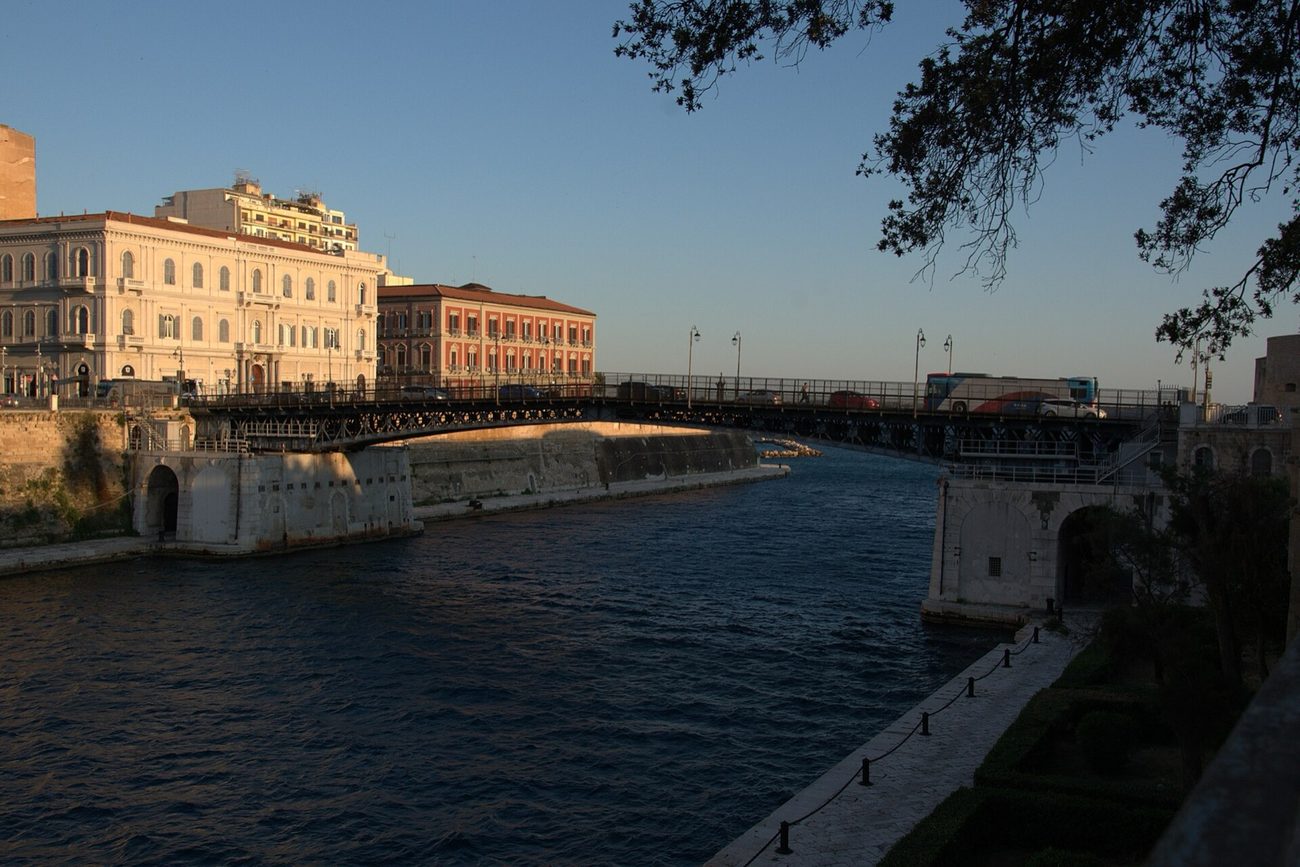
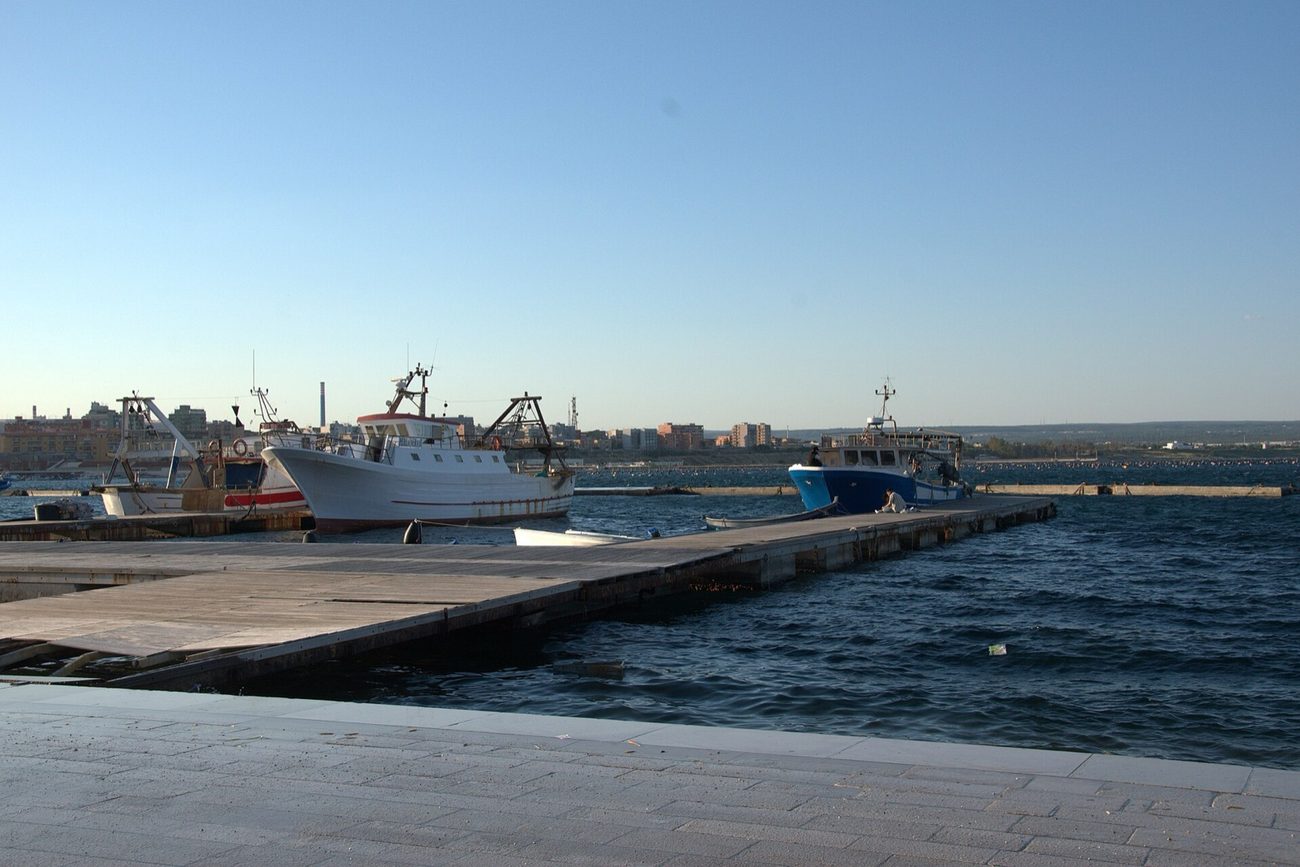
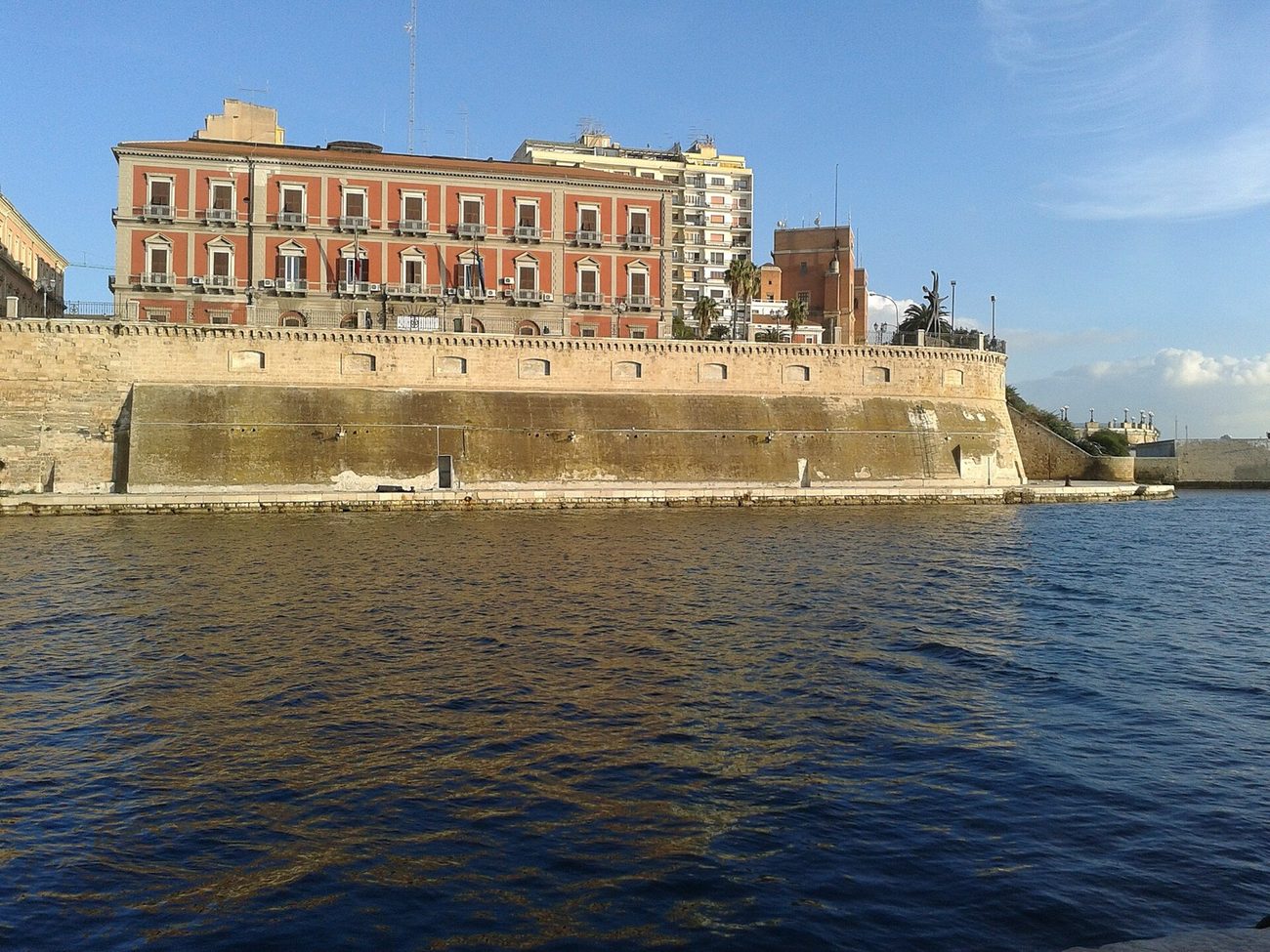
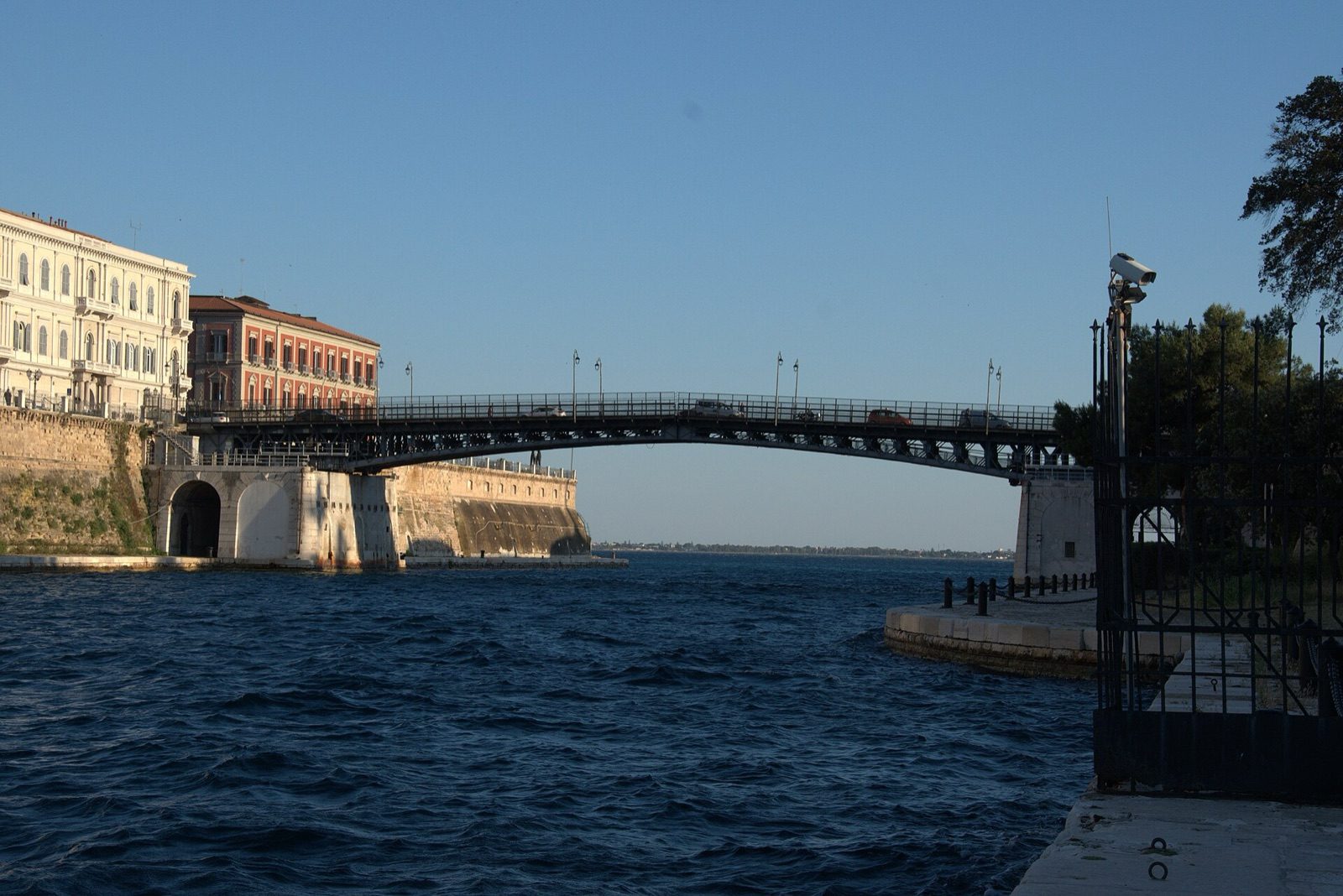
They call it the city of two seas, and the name is exact. The Mar Grande is the open Ionian bay, sheltered by the low Cheradi islands, where the ships ride at anchor. Behind it lies the Mar Piccolo, a still inner basin, almost a lagoon, where the mussel beds have been worked for centuries. A canal was cut at the end of the nineteenth century so that warships could pass from one water to the other, and in the cutting the old Greek centre became an island.
You reach it across the Ponte Girevole, a swing bridge that pivots open on its axis to let the navy through and closes again behind you. On the far side is the Borgo Antico, a knot of pale stone lanes pressed onto the spit, kitchens open at street level, washing strung from balcony to balcony. It is lived in rather than arranged, and the sea is never more than a few steps away in either direction.
A city taught to apologise for itself is about to spend a fortnight being watched, and it has decided to stand up straight.
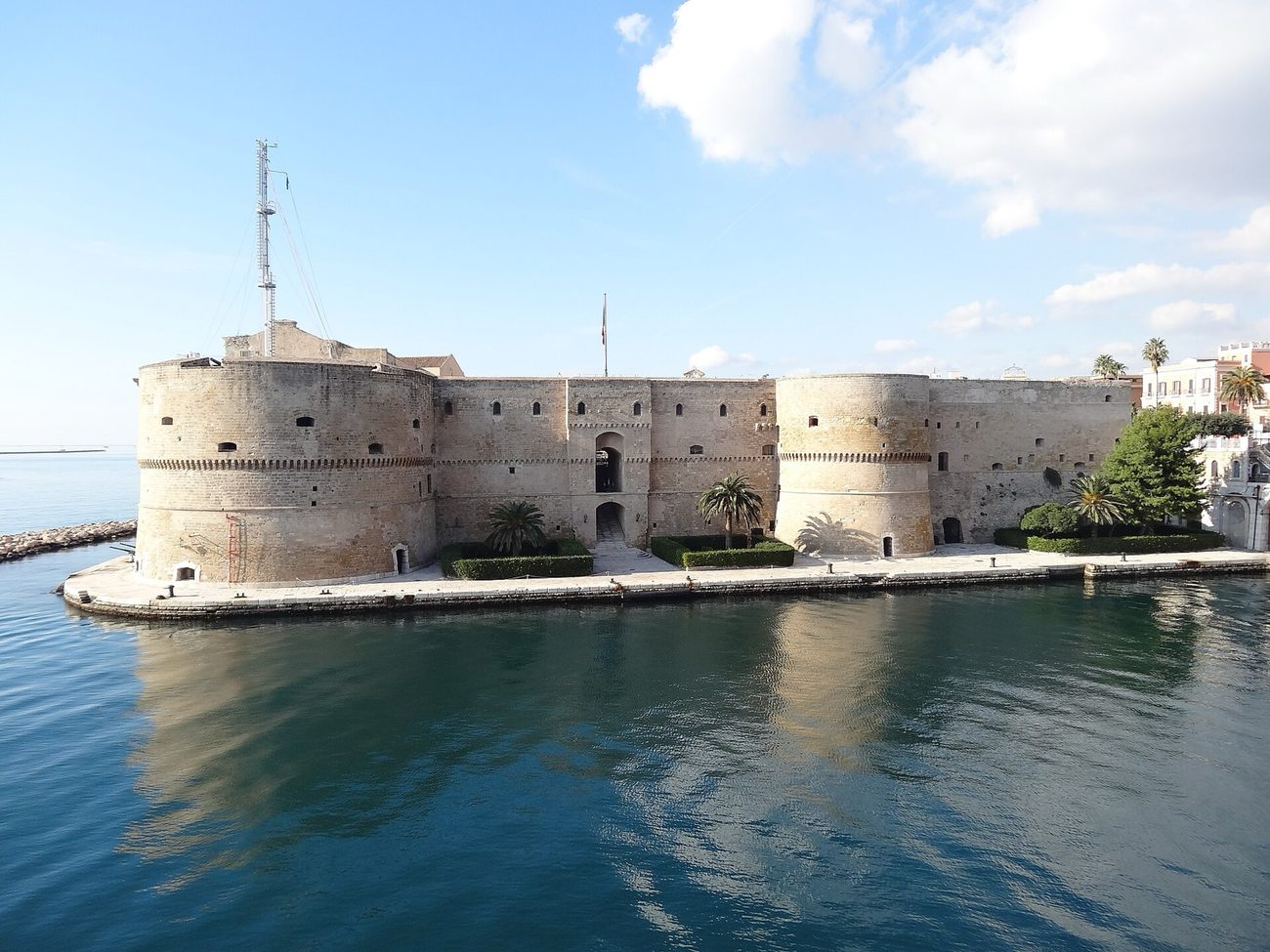
None of this is new. Taranto is Taras, the only colony Sparta ever founded beyond Greece, and in its day one of the richest cities of Magna Graecia. The National Archaeological Museum, the MArTA, holds the Ori di Taranto, the worked gold the Greek city buried with its dead, jewellery so fine it looks machined. The Aragonese castle still watches the canal, and the cathedral of San Cataldo keeps a Byzantine floor beneath its Baroque ceiling.
We would go this first summer, while the attention is fresh and the old town still belongs to the people hanging their washing across it. Ports change once the world starts arriving. Taranto has earned the chance to be seen for what it was long before the furnaces, and for what, with any luck, it is becoming again.