For the table
Torre de Palma Wine Hotel
Monforte, Alto Alentejo · Portugal
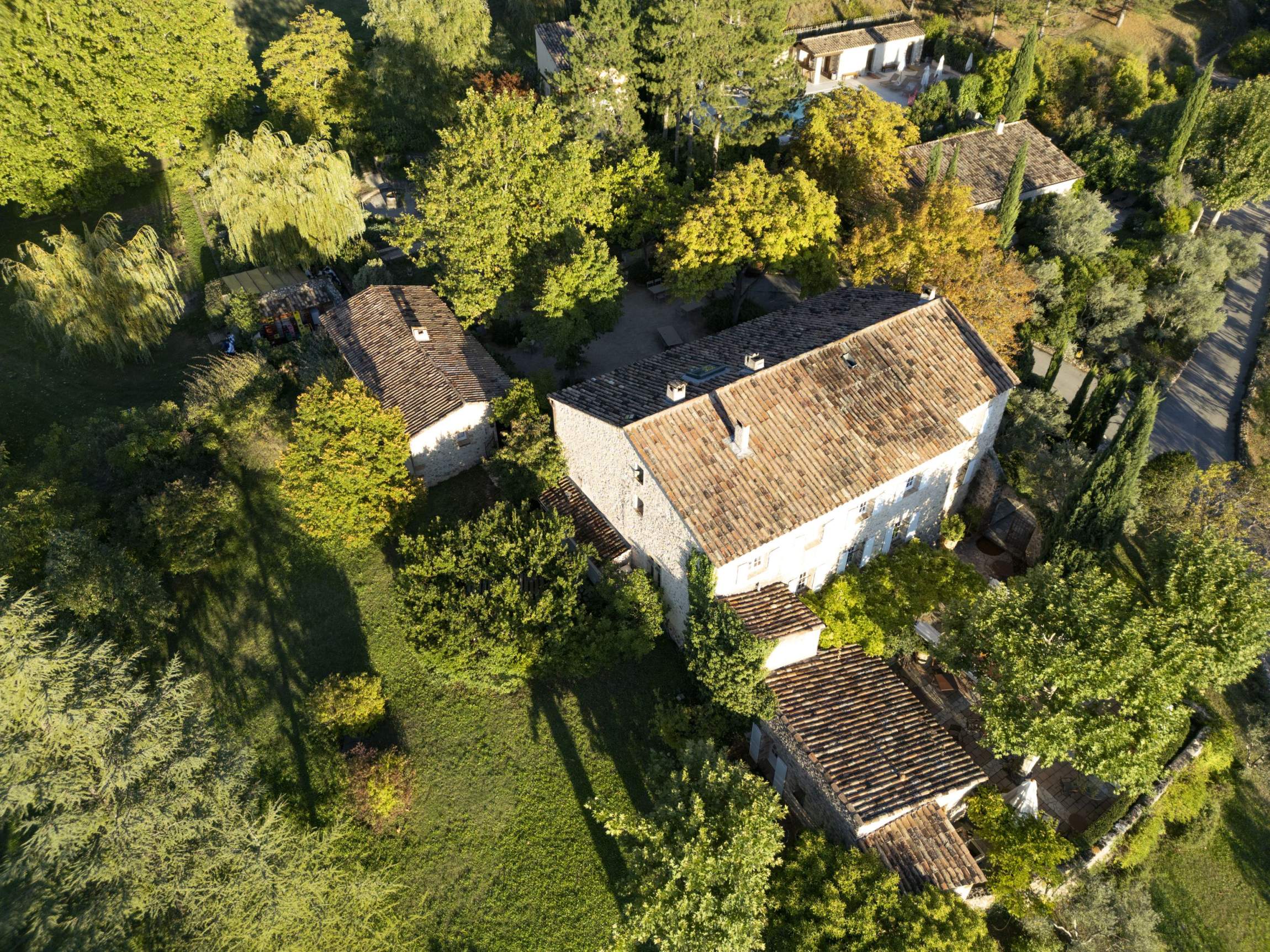
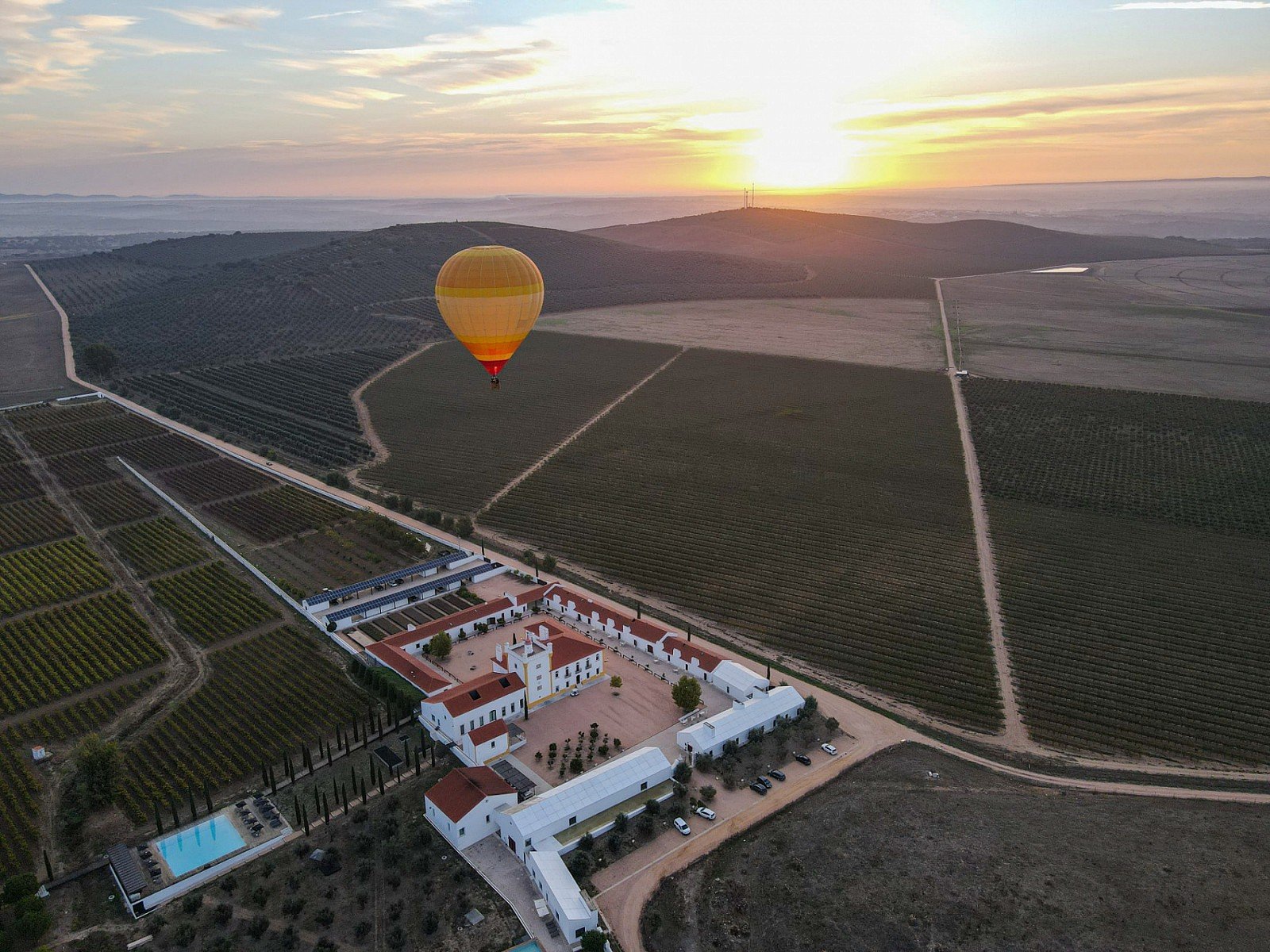
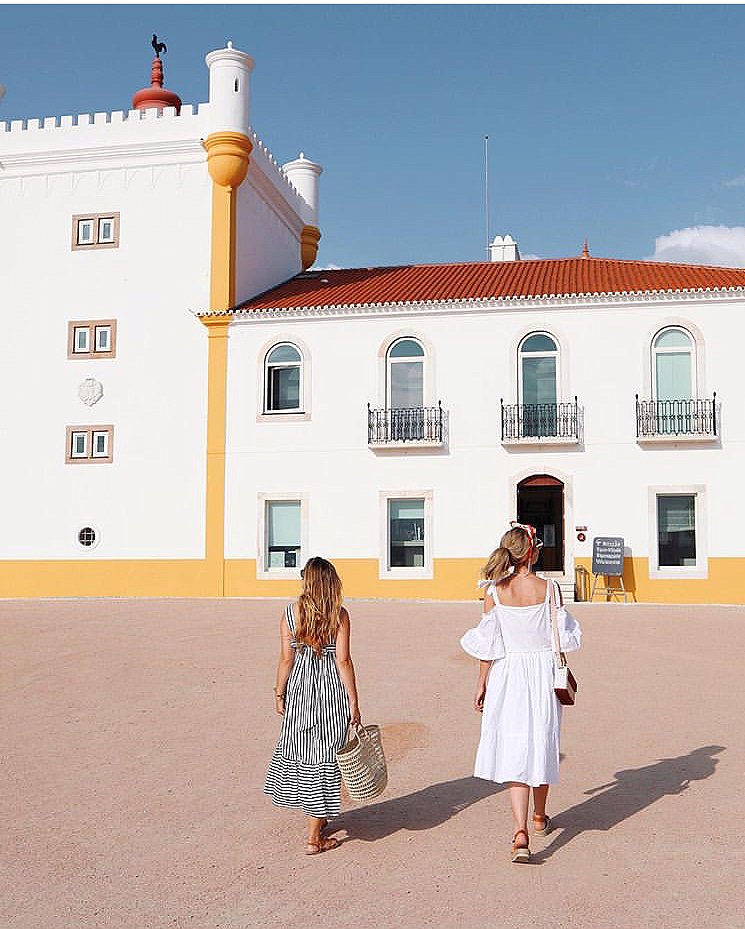
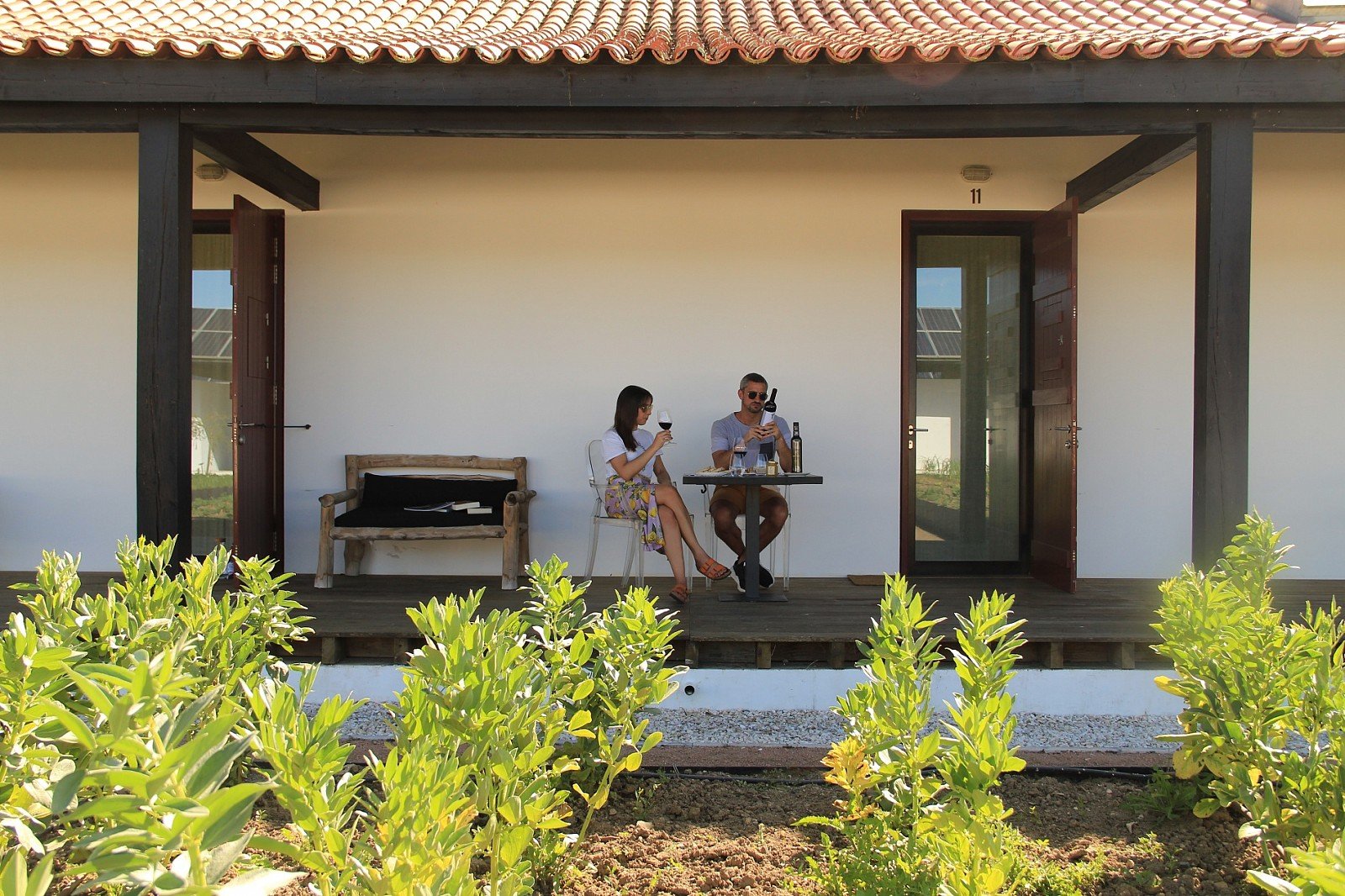
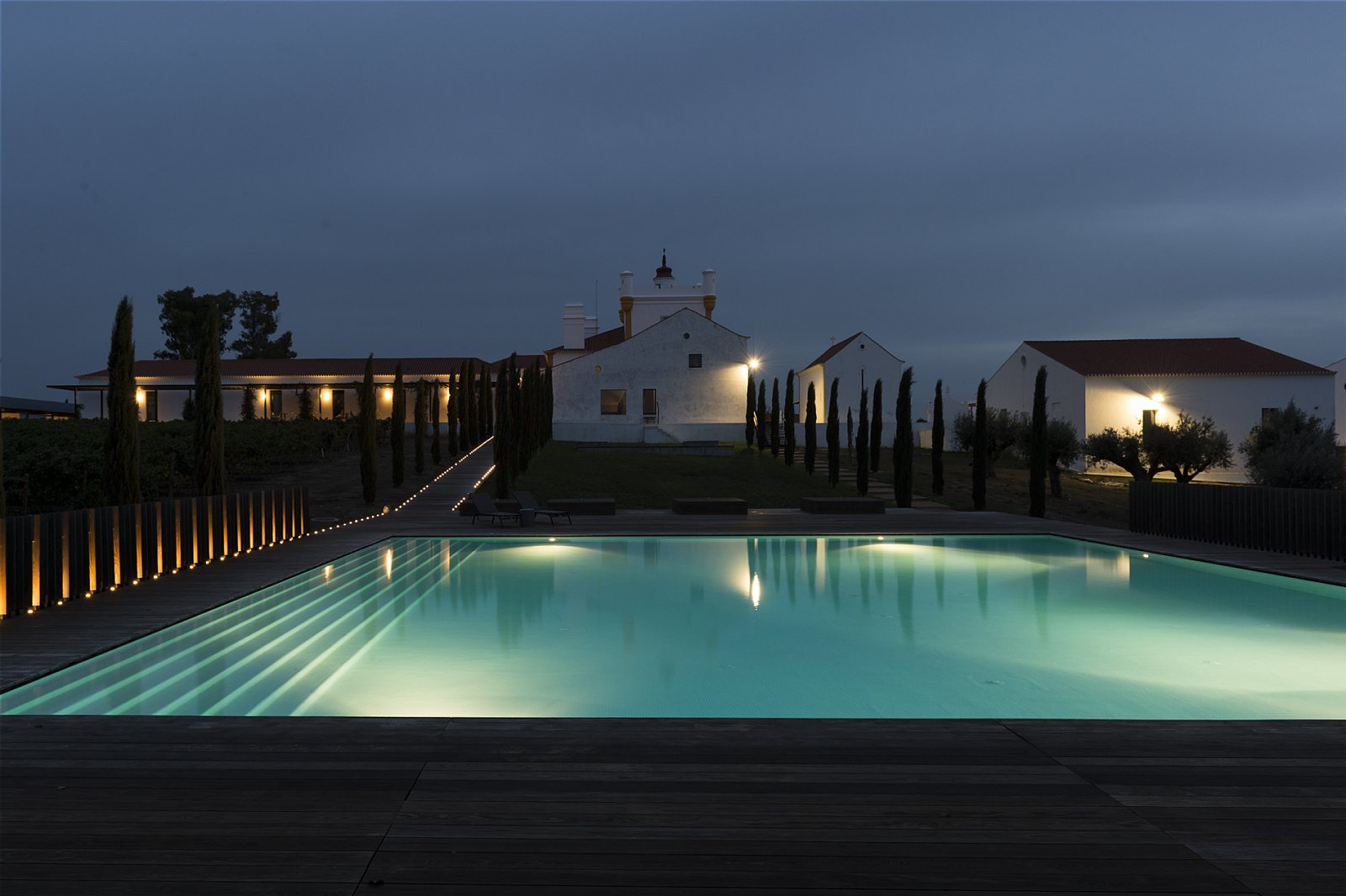
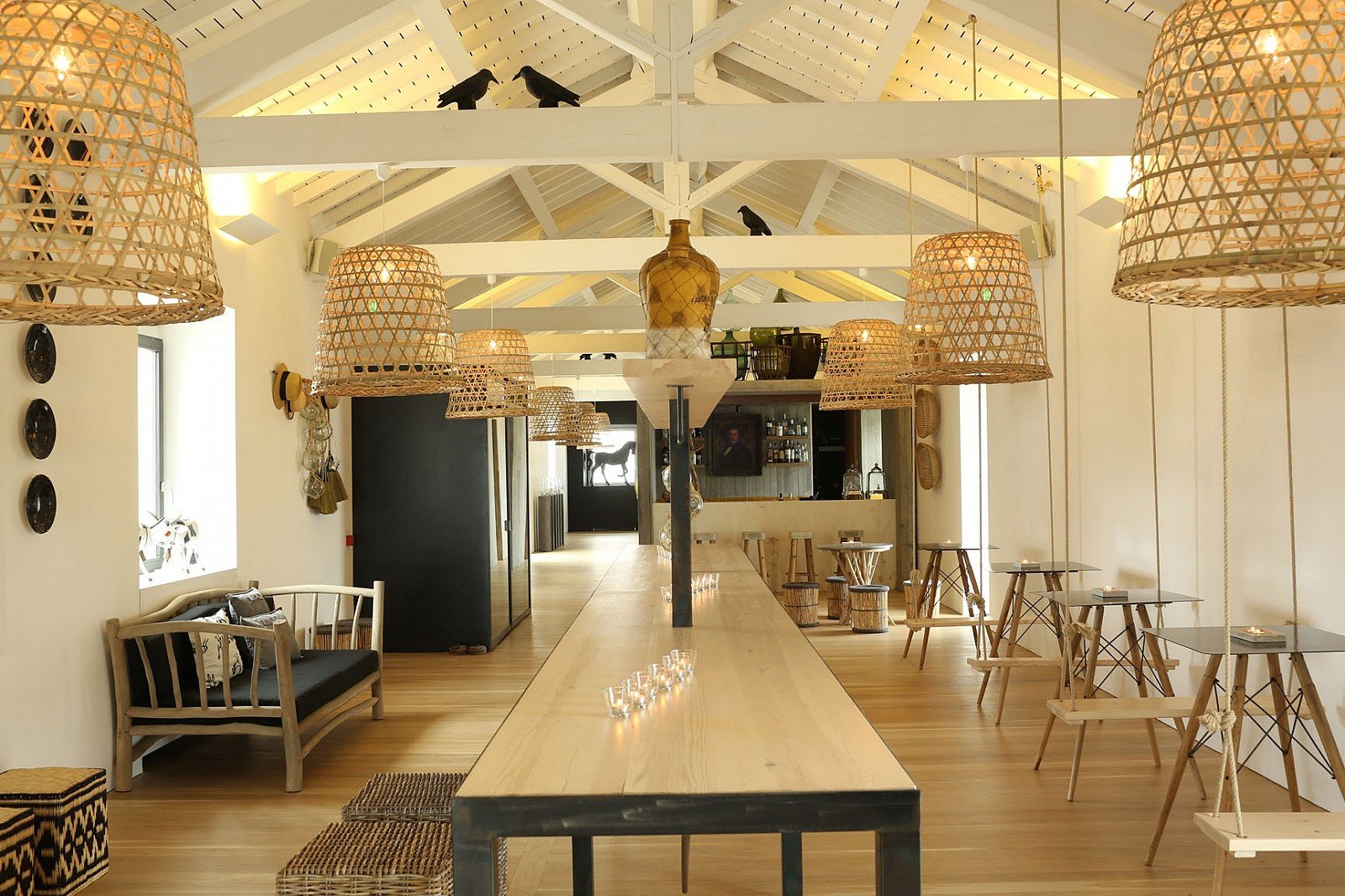
The upper Alentejo is Portugal at its emptiest: cork oaks, wheat gone to straw, a road that runs a long way between things. Torre de Palma sits in the middle of it, a herdade that has farmed this ground since 1338 and reopened in 2014 as a hotel built around its own vines. The architect João Mendes Ribeiro left the estate's whitewashed bones intact and cut clean modern rooms into them, nineteen in all, low and cool behind thick walls, the interiors dressed by Rosarinho Gabriel. A tower still marks the yard, and at sunset the staff carry a glass of the house white up top and let you watch the plain go gold. There are two pools, indoor and out, a small spa, a chapel, a screening room and a riding arena. Nothing shouts.
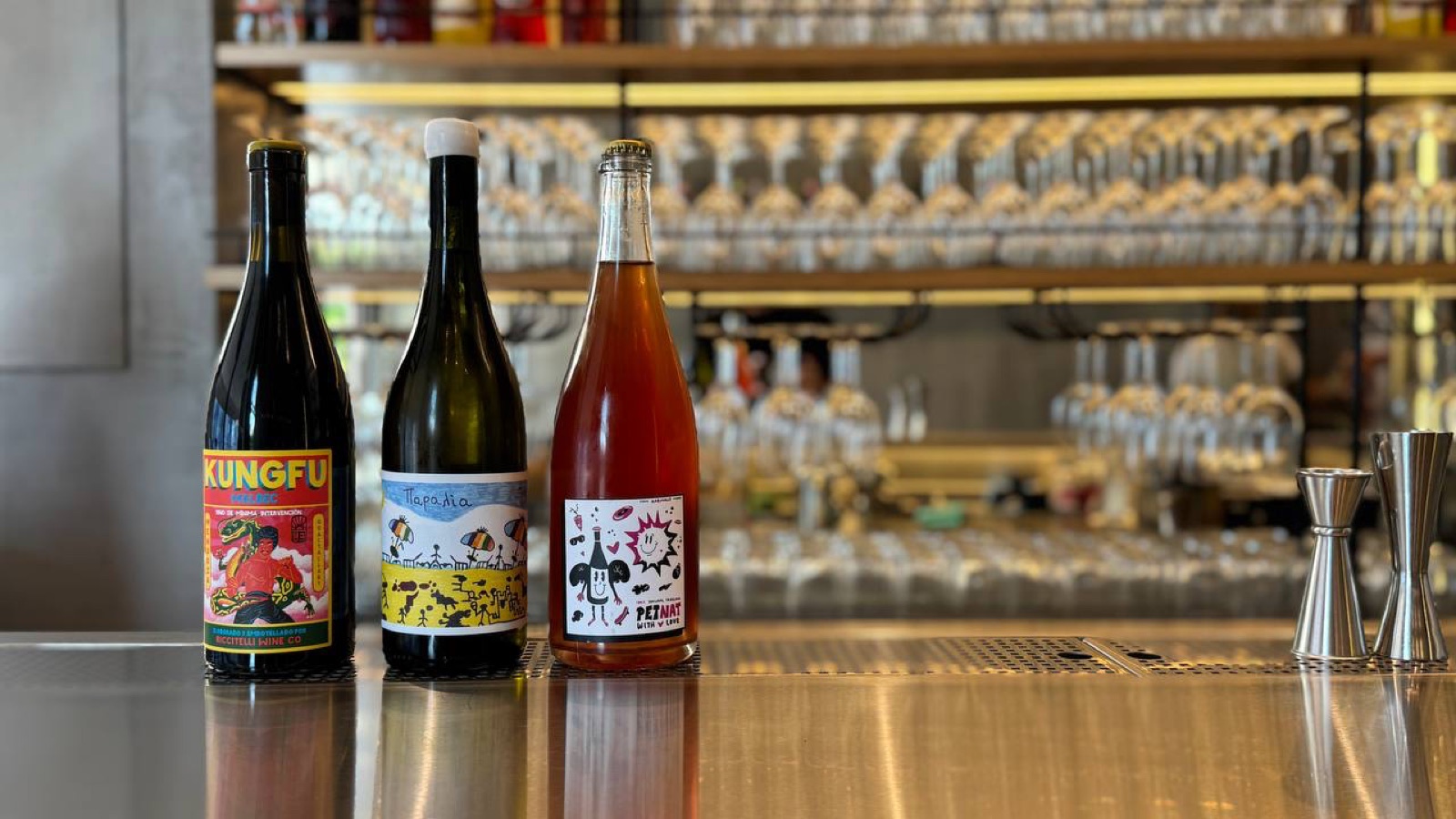
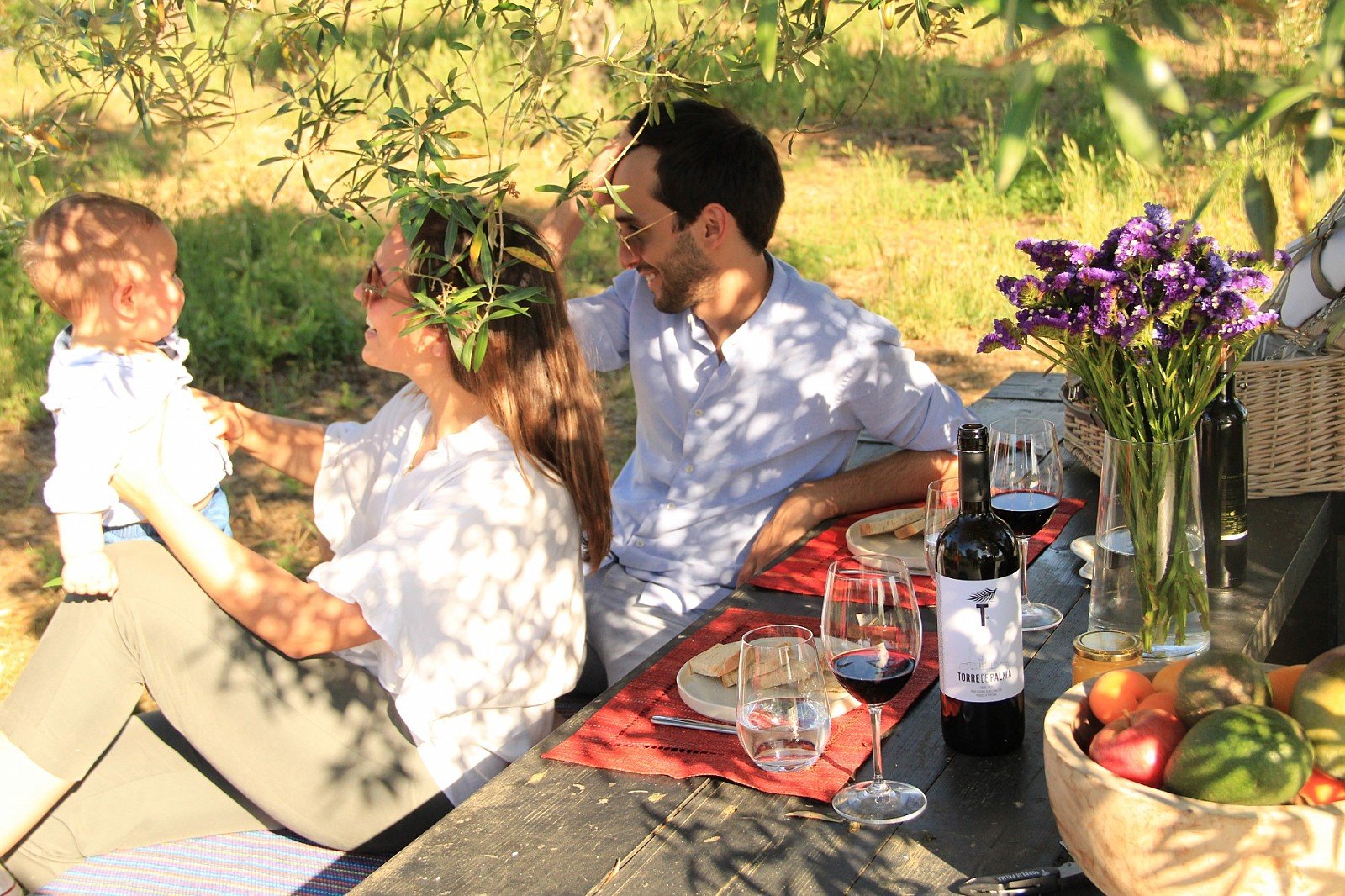
Wine is the reason the place exists. The cellar next door bottles under Duarte de Deus, whose signature white folds Arinto together with Alvarinho, and the reds lean on Alicante Bouschet, the dark Alentejo grape that stains everything it touches. The kitchen answers to the same country. Chef Eduardo Grilo grew up down the road in Arronches and cooks what he was raised on, tomato soup with a poached egg, black pork cheeks with orange, hare rice, most of it built on the estate's own garden and the growers around it. You eat what the region grows, poured with what it makes.
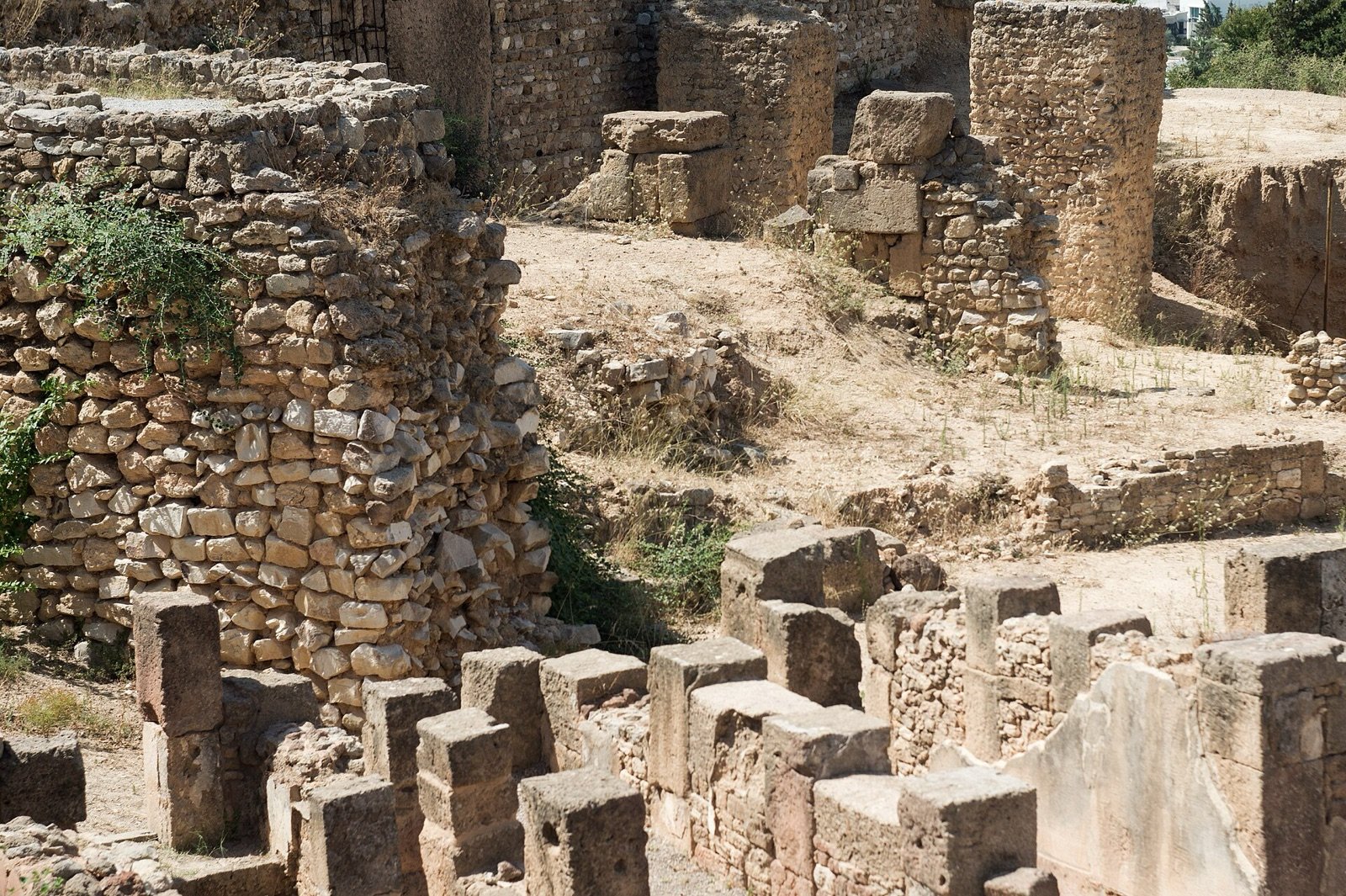
A few fields away lie the ruins of the Roman villa the hotel is named for, its mosaics of horses and the Muses long since carried off to a museum in Lisbon. Torre de Palma is the same idea, four centuries on: a farm that also keeps a good table and a few beds, run by people who plainly like it here. It will not suit anyone who needs the sea or a crowd. Come for the wine, the quiet and the long Alentejo light, and it is hard to think of better company for a couple of slow days.
One selection at a time, in your inbox. Subscribe →
A farming estate on the upper Alentejo plain, near Monforte, Portugal.
Five-star herdade; 19 rooms and suites in whitewashed Alentejo architecture, reopened 2014 (architect João Mendes Ribeiro).
Torre de Palma Restaurant, chef Eduardo Grilo; on-site winery under Duarte de Deus.
The Roman villa next door; the walled hill towns of Marvão and Castelo de Vide; marble-town Estremoz.
Free, one to one, on WhatsApp. Tell me your dates and I will point you to the right places.
Plan with me on WhatsApp