For the place
São Lourenço do Barrocal
Monsaraz · Portugal
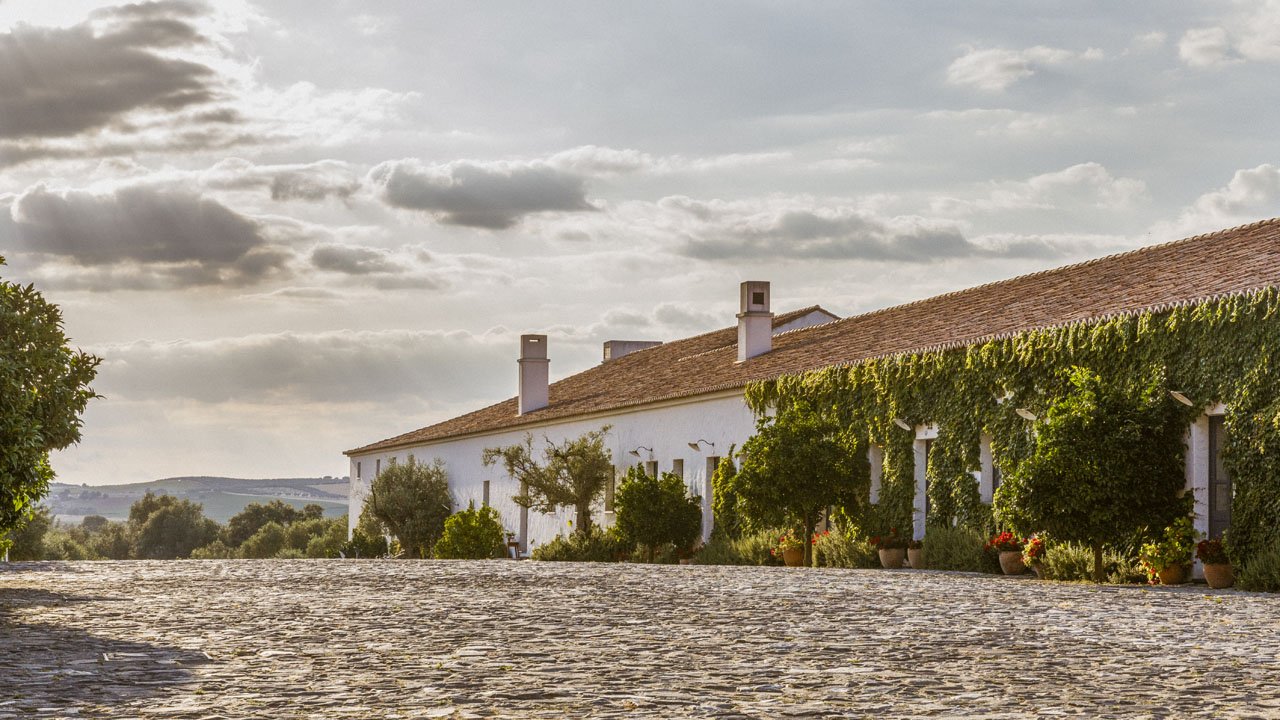
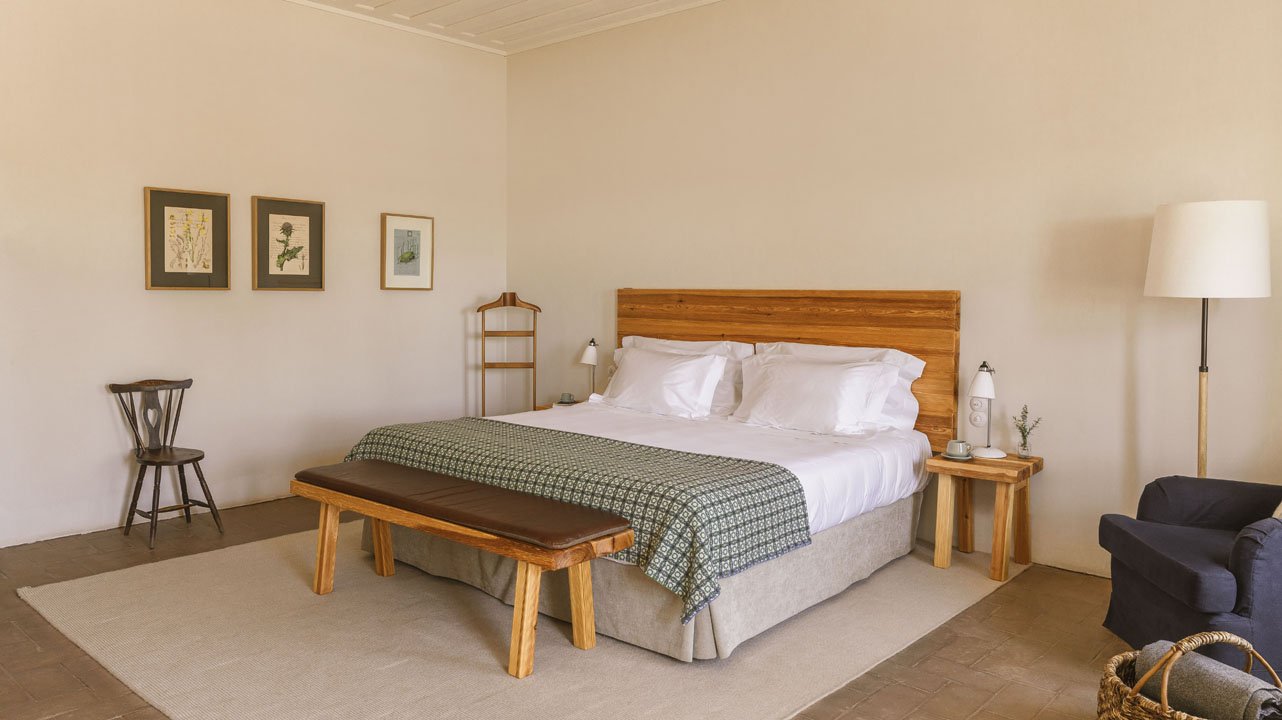
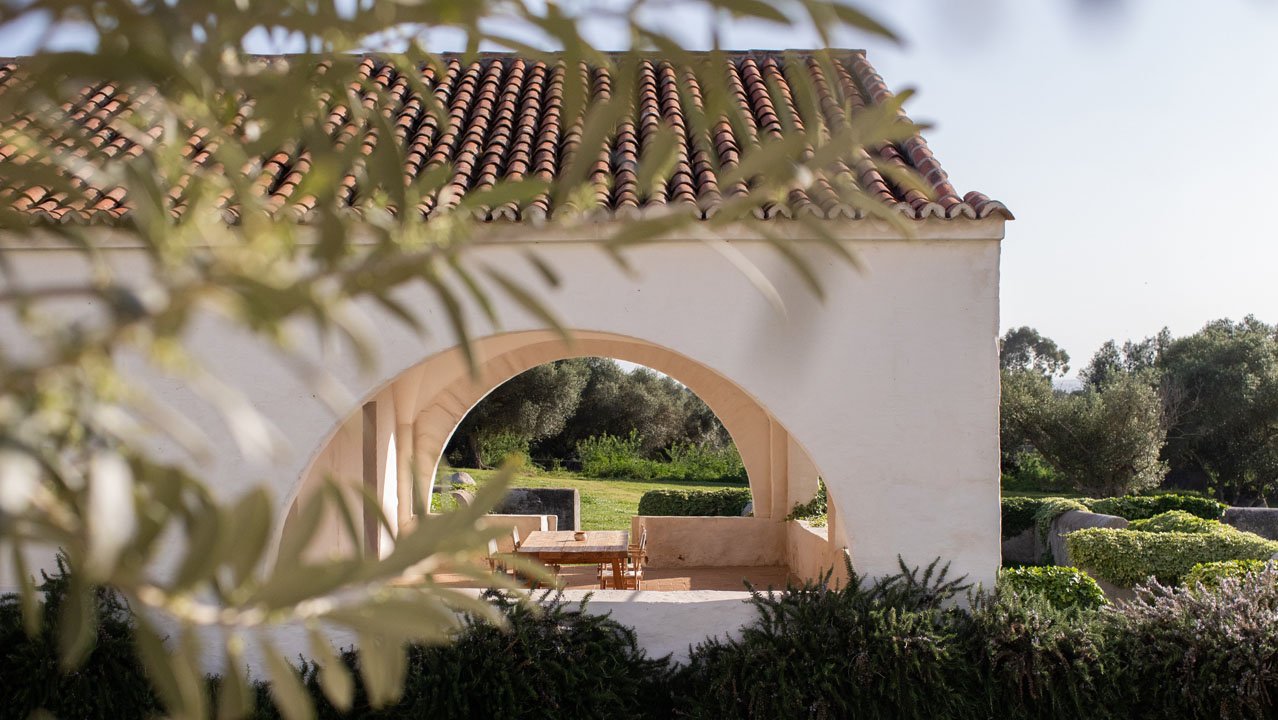
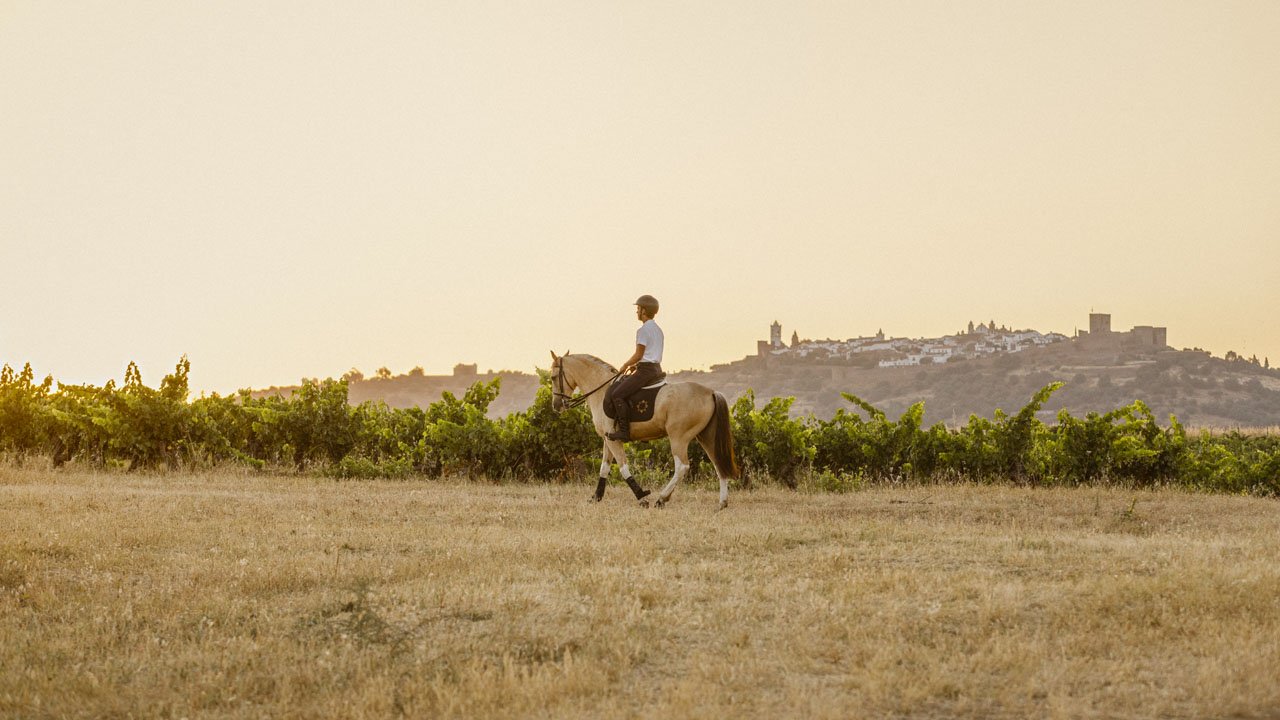
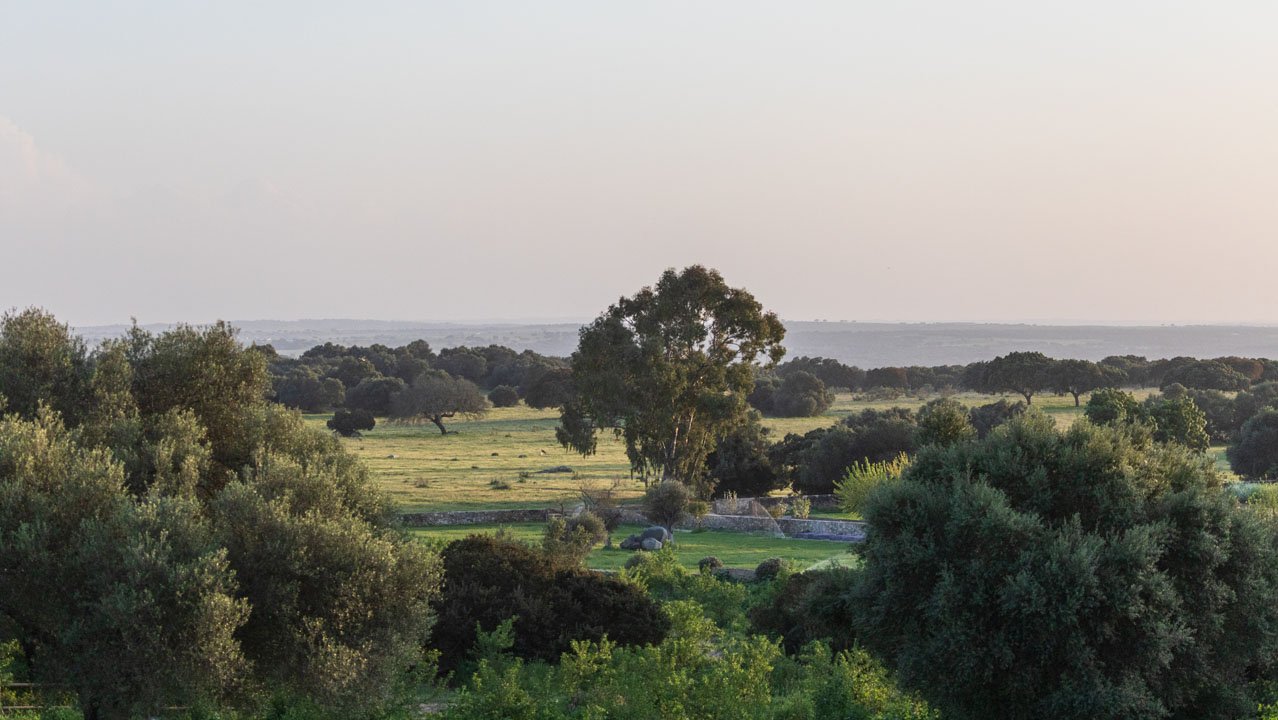
The monte sits low in the plain below Monsaraz, whose white houses and castle ride the hill on the horizon. José António Uva is the eighth generation of his family here, and he spent years restoring the village his forebears farmed, the long whitewashed ranges under terracotta, the old workshops, the cobbled street. Eduardo Souto de Moura, who would go on to take the Pritzker, drew the work, and his hand shows in how little announces itself. Rooms are plain in the right way: lime walls, oak, woven blankets, botanical prints, a window that frames Monsaraz at first light. Around them spread some 780 hectares of holm oak, olive grove and vine, with menhirs and dolmens older than almost anything you will have stood beside.
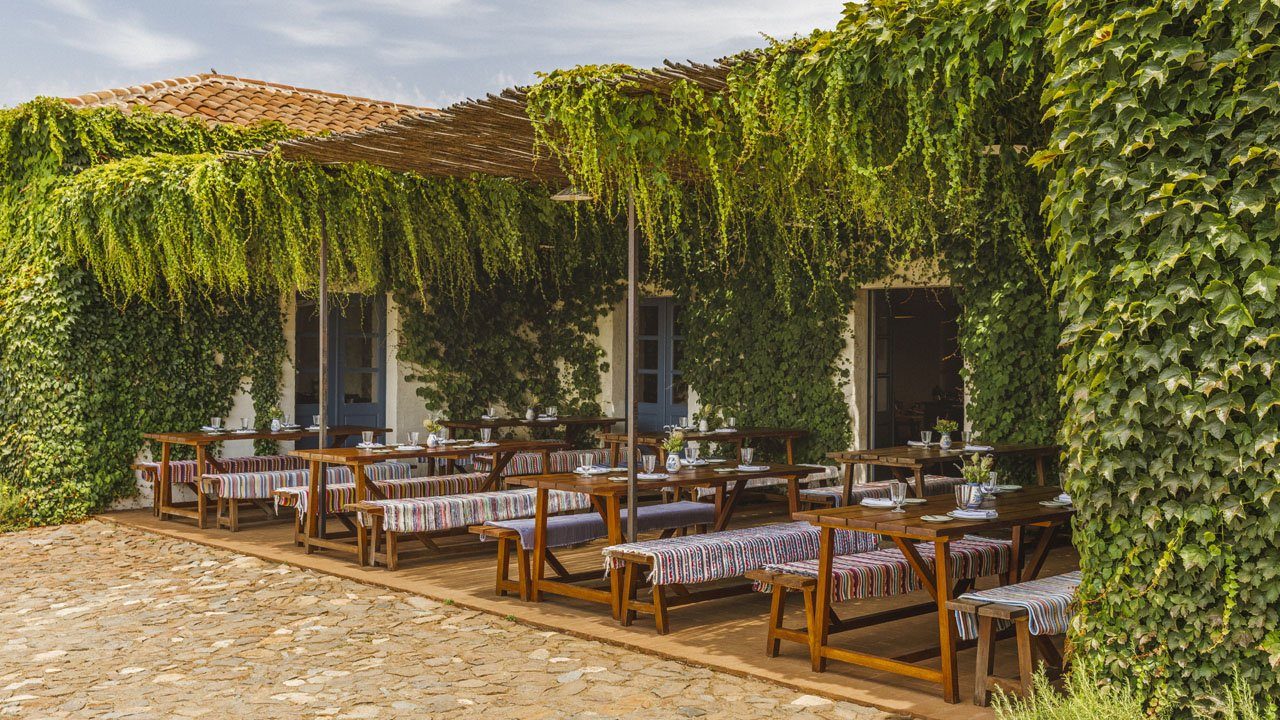
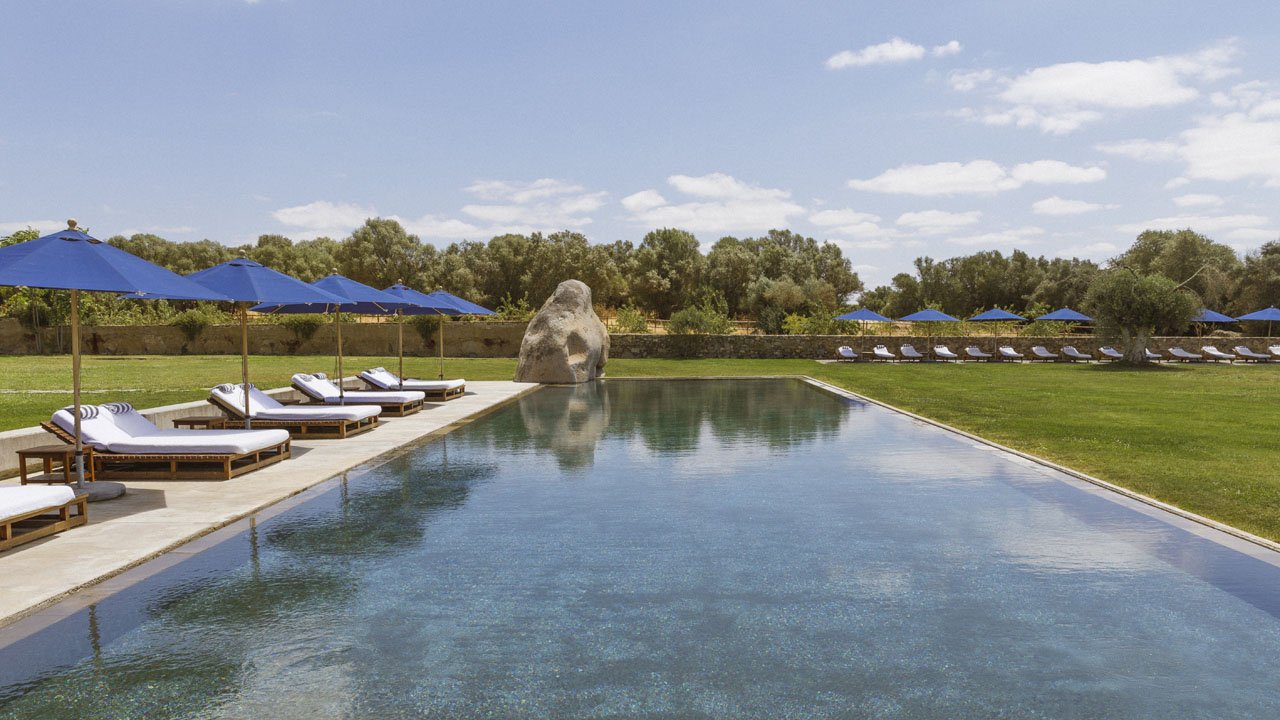
The kitchen cooks the estate. Vegetables from the garden, oil from the groves, cattle and grapes off the land feed a menu rooted in Alentejo cooking, with the odd modern turn and nothing showy about it. A second table opens by the pool through the warm months, and the cellar pours the estate's own wine, including the clay-amphora talha that this corner of Portugal has never let go of. Breakfast under the vine-shaded colonnade is reason enough to wake early.
Restored estates can slide into theme park. This one holds its line, because it is still a working farm and still a family's, and because Souto de Moura's restraint refuses the easy gesture. The Susanne Kaufmann spa and the pool are quietly done; riding takes you out across the vines toward the castle. It is genuinely remote, the better part of two hours from Lisbon by road, and that is rather the point. Come for the land and the quiet, and let the rest follow.
One selection at a time, in your inbox. Subscribe →
A 780-hectare estate on the plain below Monsaraz, central Alentejo, Portugal.
Restored 19th-century farming village; architecture by Eduardo Souto de Moura; rooms, suites and cottages.
Farm-to-table restaurant; a pool table in season; estate winery and cellar.
Monsaraz and its castle; Évora; Lake Alqueva.
Free, one to one, on WhatsApp. Tell me your dates and I will point you to the right places.
Plan with me on WhatsApp