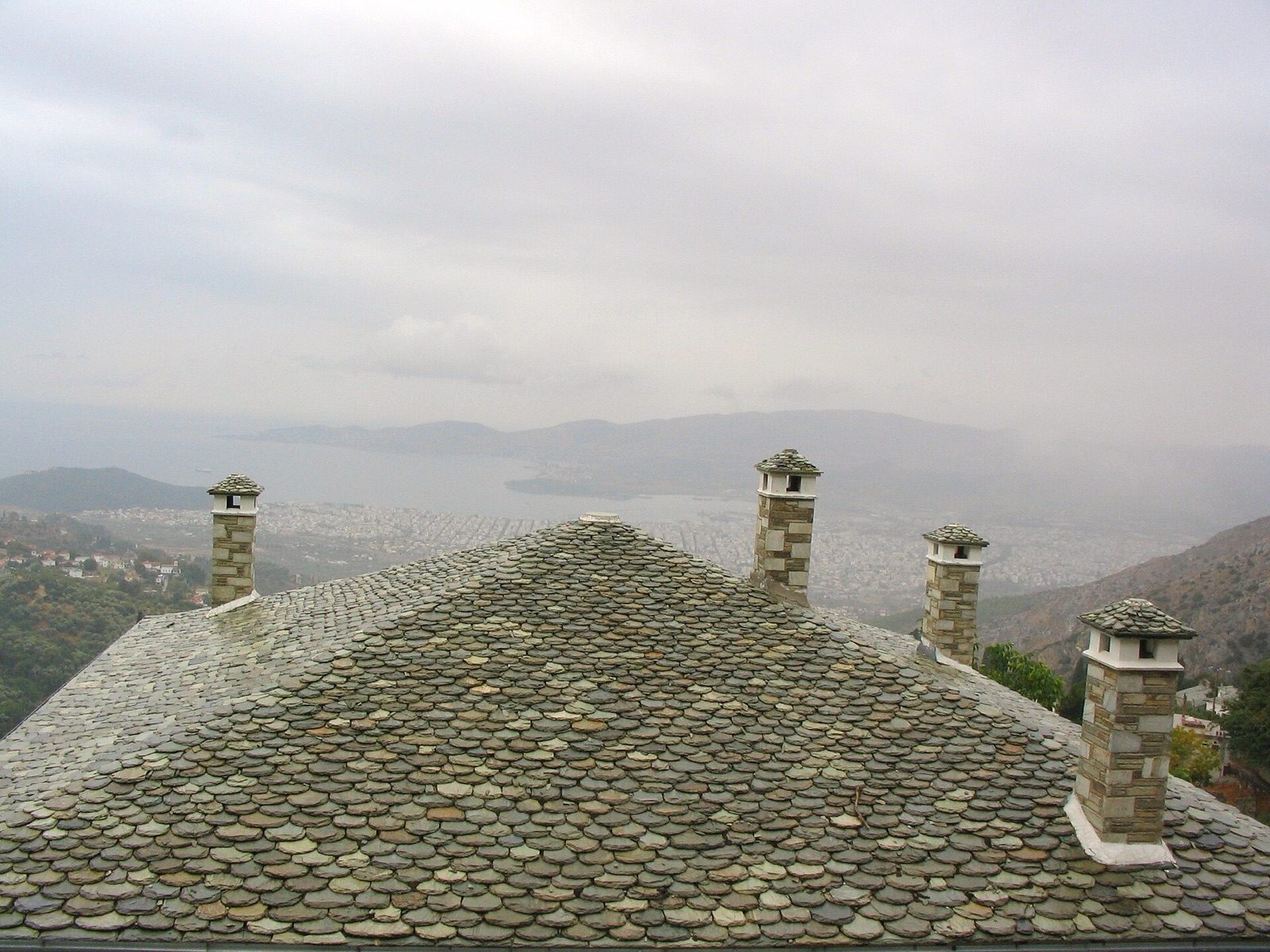
On the Rise
You feel the change in your ears before your eyes. The road out of Volos climbs fast, and within twenty minutes the heat of the port has thinned into something cooler and greener, water on both sides of you and the cloud sitting low on the ridge. Pelion is a hook of land curling off Thessaly, the long arm of mountain that the old maps drew as the home of the centaurs. It still behaves like a place apart.
What makes it strange, and what keeps it interesting, is the geometry. The peninsula hangs between two seas that could not be less alike. On the west the Pagasetic Gulf lies flat and sheltered, almost a lake, the water that Volos looks out on. Climb over the spine to the east and the land falls away into the open Aegean, all wind and surf and beaches you reach down switchbacks cut into the rock. The summit, Pourianos Stavros, tops out at 1,624 metres. From up there both coasts are in view at once, which is the whole point of the place.
The villages are built for the weather, not the camera. Makrinitsa and Portaria cling to the western slope above the gulf; Tsagarada and Zagora face the Aegean through chestnut and beech. The houses are stone with grey slate roofs, set on steep lanes that were never meant for cars and mostly still are not. Spring runs late here and autumn comes early, and the woods feel northern, more Alpine than island. People forget Greece does mountains this well.
This is the rare corner of Greece you climb into rather than sail to, and the climb is the experience.
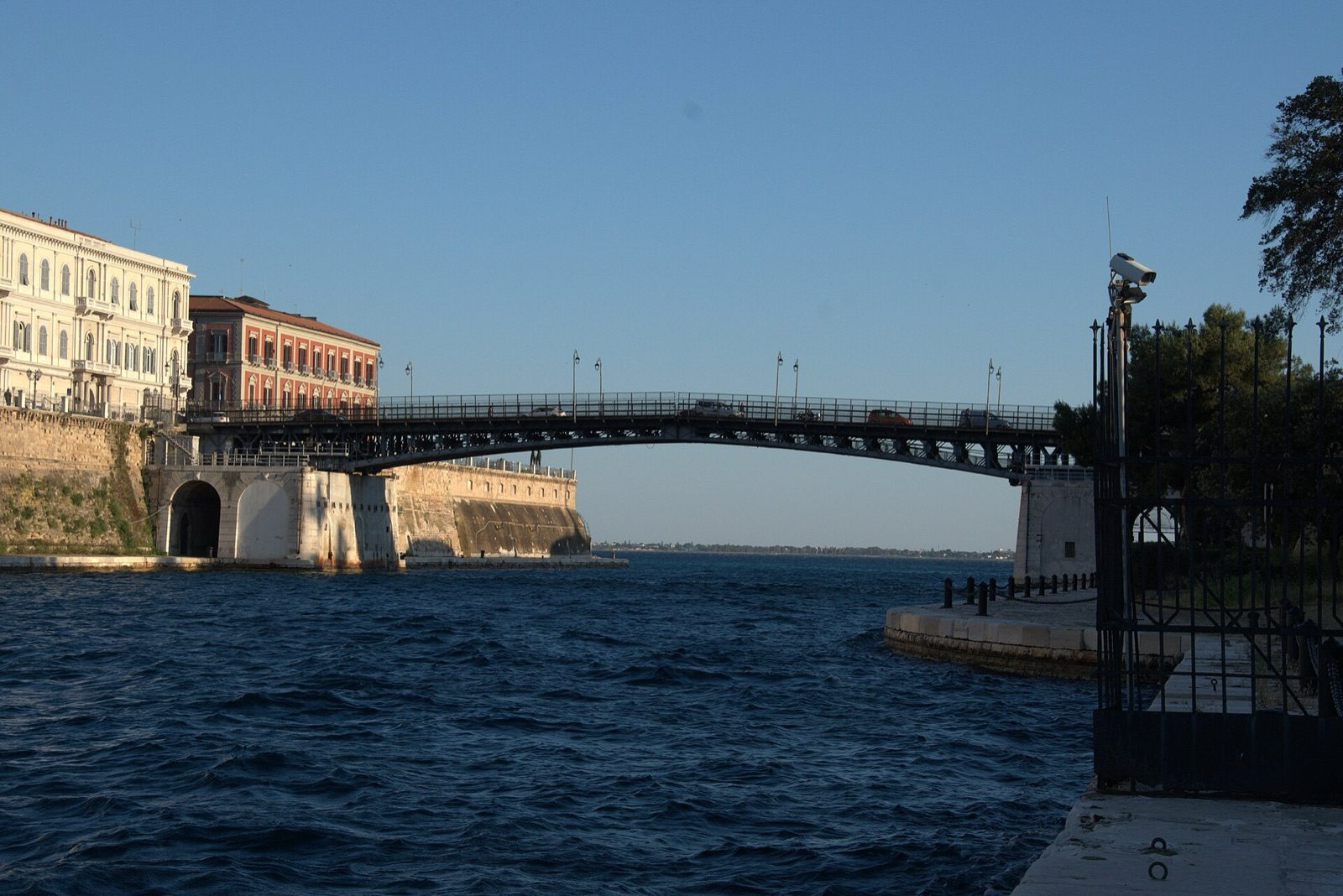
Halfway down the western flank there is a small wonder. The narrow-gauge train the locals call the Moutzouris, the grimy one, still runs the surviving stretch from Ano Lechonia up to Milies, a line laid between 1895 and 1903 on a 600 millimetre gauge. It was overseen by an Italian engineer, Evaristo de Chirico, whose curved iron bridge near Milies is still in service. His son Giorgio, born in Volos in 1888, grew up watching the work and spent the rest of his life painting empty squares and lonely arcades. The metaphysical painter learned his vanishing lines here.
The kitchen is mountain food with a coastline. Spetzofai, the sausage and pepper stew, comes from these villages. The orchards give the firiki, a small sweet apple the region has grown for generations, and the chestnuts go into everything from soup to spoon sweets come October. None of it is loud. That is the case for Pelion now, before the rest catches on: a green, vertical, two-sea Greece that still asks you to slow down and earn the view.
One selection at a time, in your inbox. Subscribe →