For the table
La Colombe d'Or
Saint-Paul-de-Vence · Côte d'Azur
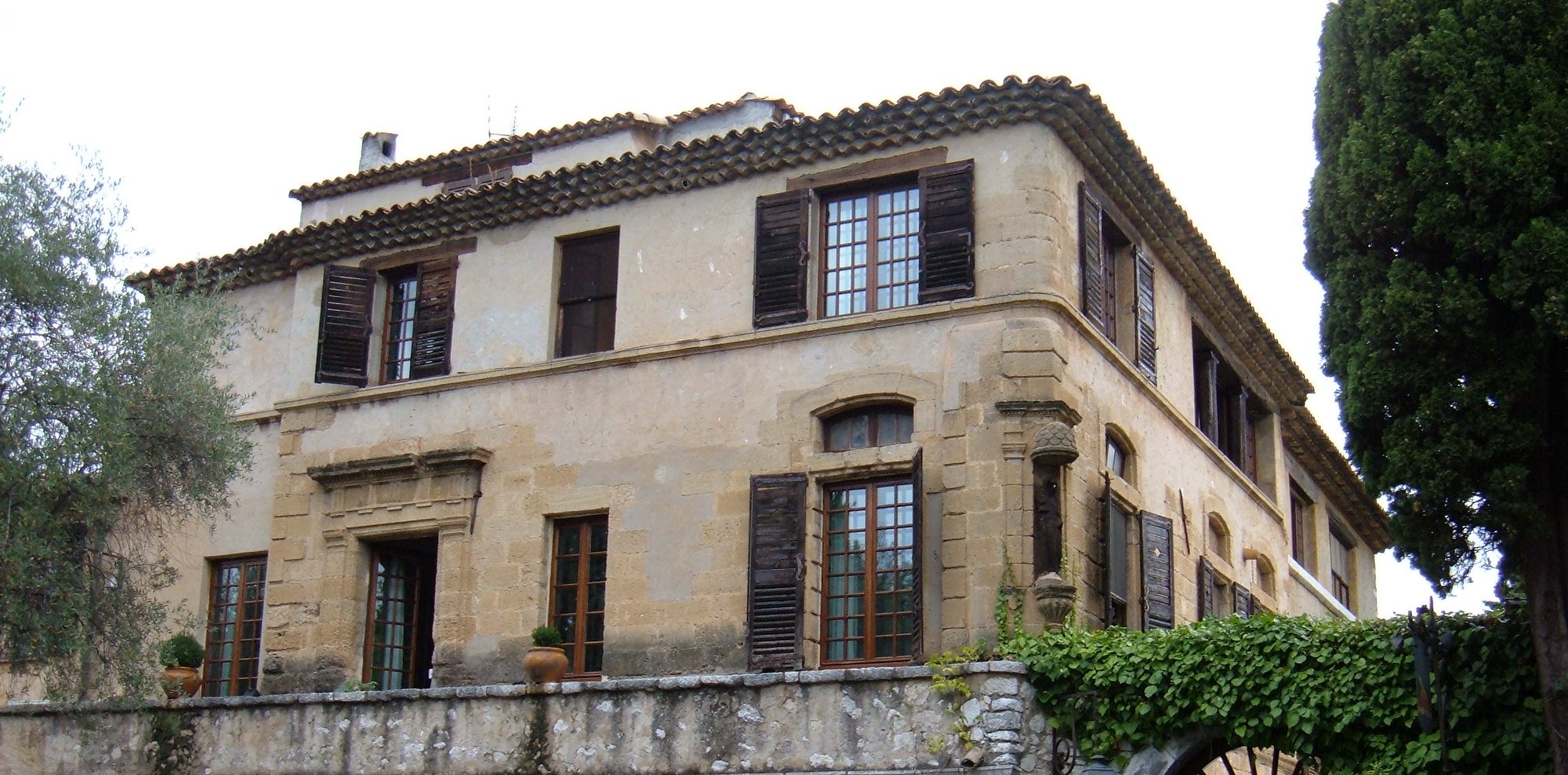
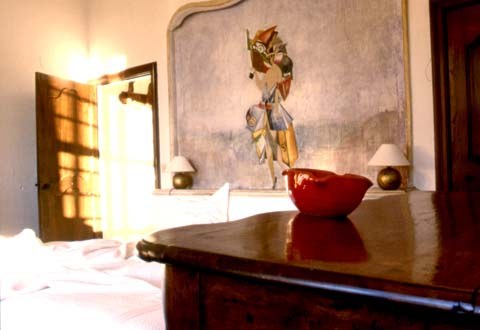
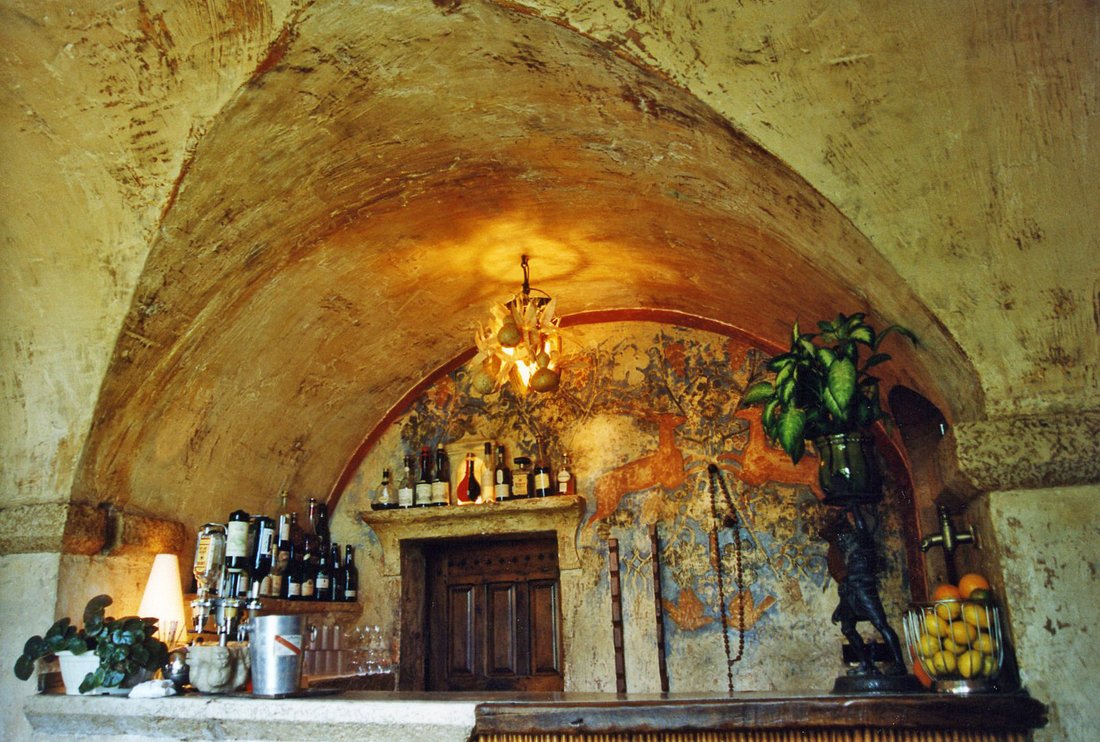
You come up through the lanes below Saint-Paul-de-Vence and arrive at a low ochre house with green shutters, a cypress beside the door and ivy spilling over the wall. In 1920 Paul Roux and his wife opened a café here with a handful of tables and, before long, three rooms. Painters came down from Paris and Nice and settled their bills the only way some of them could, by leaving a canvas behind. A century later the Roux family still runs the place, and those canvases turned out to be Picasso, Matisse, Braque, Léger, Miró and Chagall. They hang where they were left, in the corridors and the dining room and out on the terrace, with no labels and no rope, as if you were staying in the house of a friend who happened to know everyone.
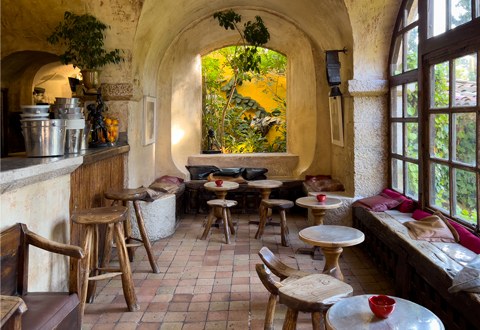
The restaurant is the reason many people first come, and it has fed a good part of the last century. Lunch and dinner are served on the terrace under the trees, or inside by the fire when the season turns. The meal opens, as it has for decades, with the great panier de crudités, a spread of raw and dressed vegetables, charcuterie and Provençal small plates set down before you have chosen anything else. The cooking is regional and unhurried rather than clever. There is no Michelin star, and the place is none the quieter for missing one. You need not be a guest to eat here, though you should book well ahead.
Calder hung a mobile over the swimming pool, its shapes painted a hot red against the white wall, and it still turns there above the water. Fernand Léger made a ceramic for the terrace. The most recent arrival is a large ceramic by the Irish painter Sean Scully, set by the pool among the older company. None of it is roped off or explained. The collection grew out of friendship rather than acquisition, which is why it feels nothing like a museum and entirely like a home the century happened to pass through.
Twenty-five rooms and suites, one family, a hundred years in the same walls. The Riviera has grander hotels and slicker ones, and none can offer what this one does without seeming to try, which is dinner inside a private modern collection in a medieval village above the sea. It is a restaurant with rooms more than a resort, so do not come for a spa or a programme. Come for the terrace, the pool, the long Provençal lunch and the walk up into Saint-Paul afterwards. The Fondation Maeght and its sculpture gardens sit a few minutes away, with Nice and the coast about half an hour down the hill. Follow that coast east, past Nice and Monaco, and you reach the modernist cliff at Cap Martin, where Eileen Gray's E-1027 and Le Corbusier's cabin still argue with one another. The house closes in late autumn and opens again for Christmas.
A longer reading of the house: the café that opened in 1920, the painters who paid in pictures, and the table that still begins with the panier de crudités.
Read Folio No. 101 →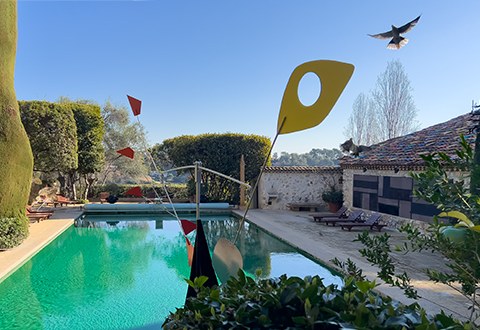
One selection at a time, in your inbox. Subscribe →
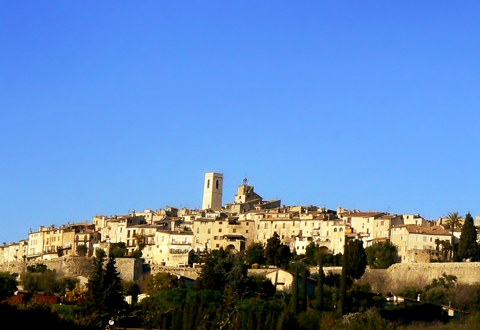
At the gate of the medieval village of Saint-Paul-de-Vence, in the hills above Nice.
A Provençal kitchen served on the terrace, opening with the house panier de crudités; no Michelin star, open to non-residents by reservation.
Thirteen rooms and twelve suites, twenty-five in all.
Saint-Paul-de-Vence and the Fondation Maeght; Nice and the Côte d'Azur.
Free, one to one, on WhatsApp. Tell me your dates and I will point you to the right places.
Plan with me on WhatsApp