The Table
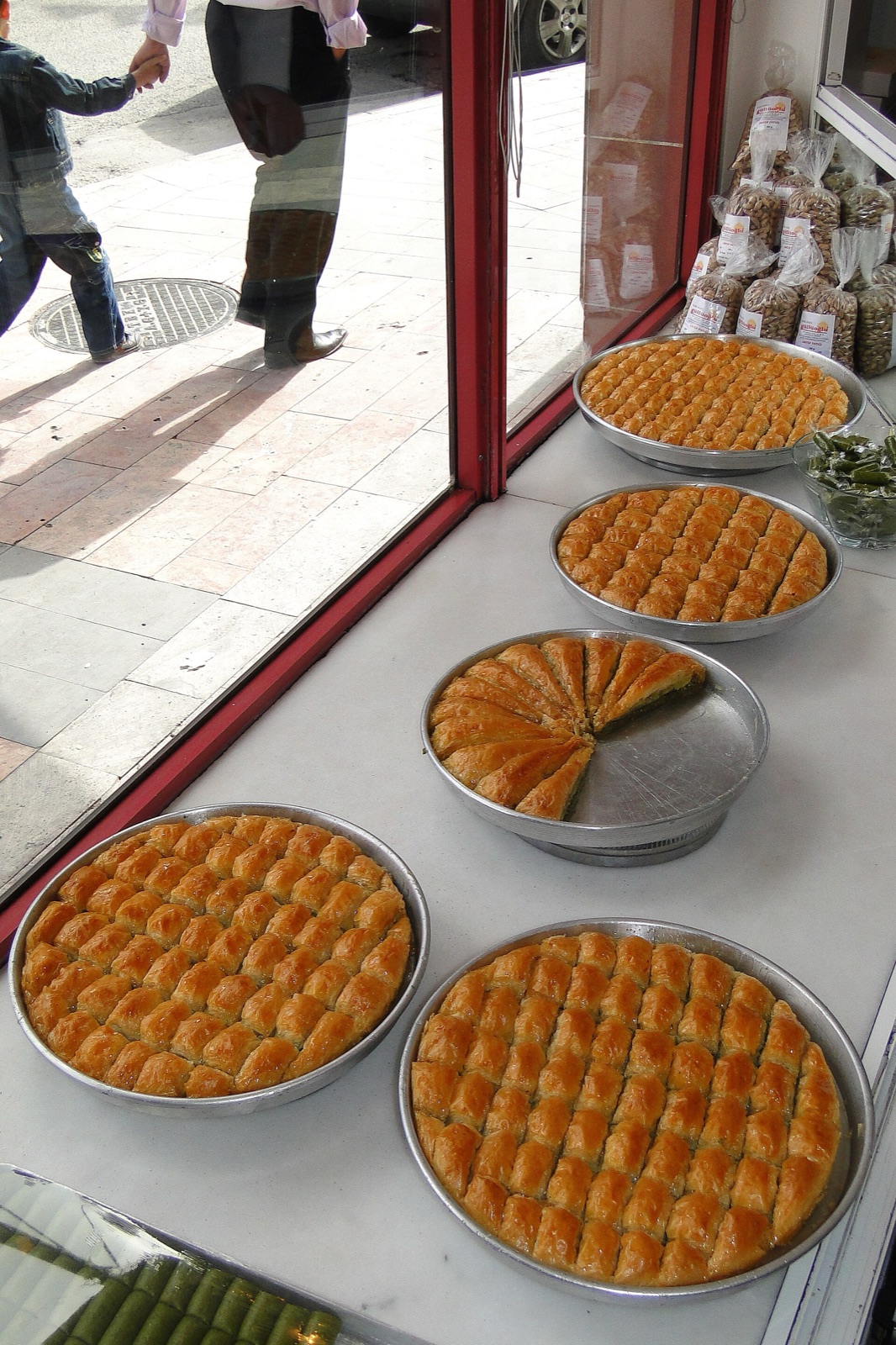
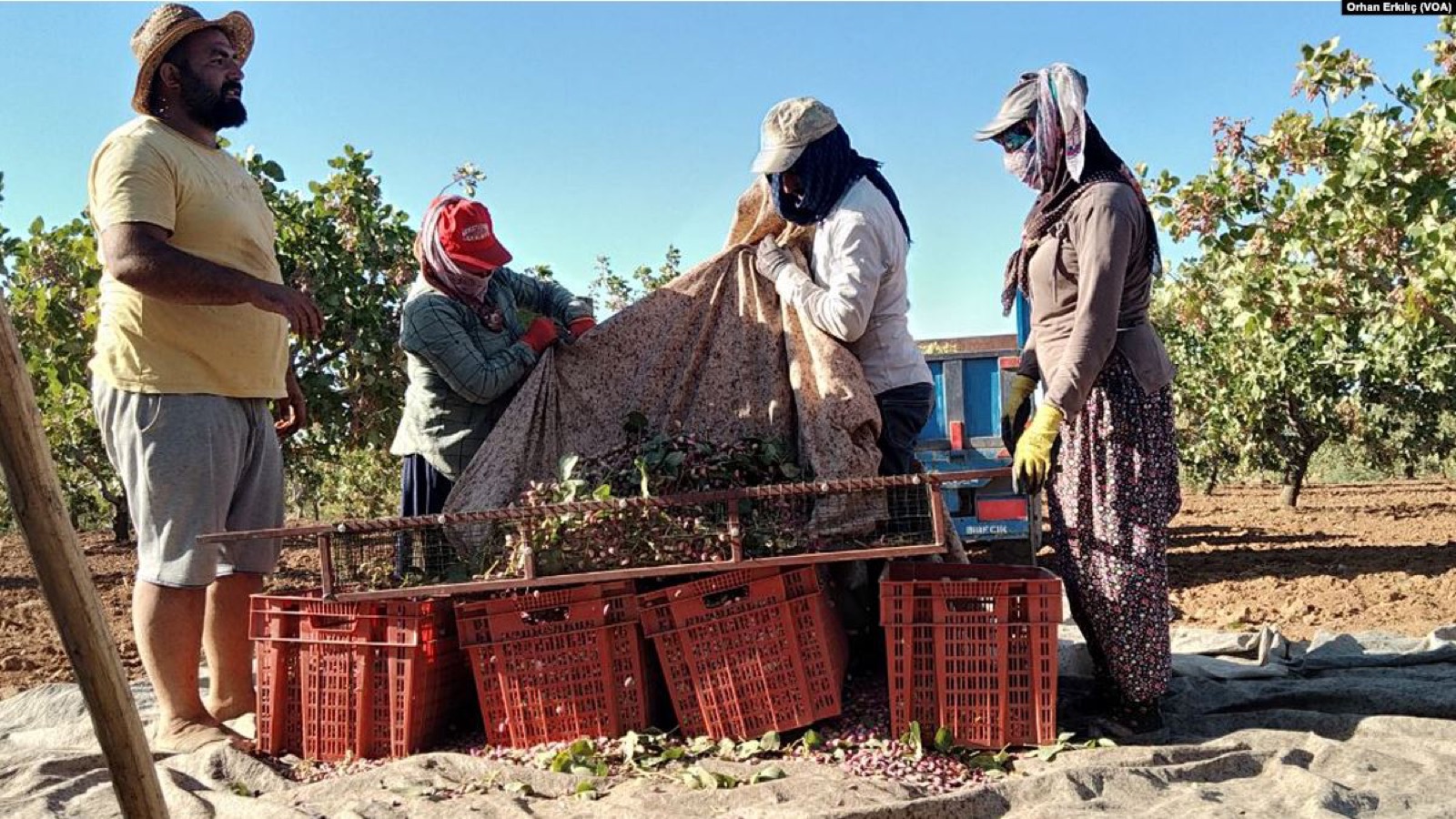
The first thing you learn in Gaziantep is that the pistachio here is not a snack. It is closer to a currency. Antep fistigi, the small dense nut with the deep green heart, grows on the dry limestone hills around the city and finds its way into almost everything: ground into kebab, folded into katmer at breakfast, layered by the hundred into baklava. The green is the tell. Cheaper nuts from elsewhere turn pale and oily on the shelf. The Antep kind stays vivid, faintly bitter, and it keeps its colour through the oven.
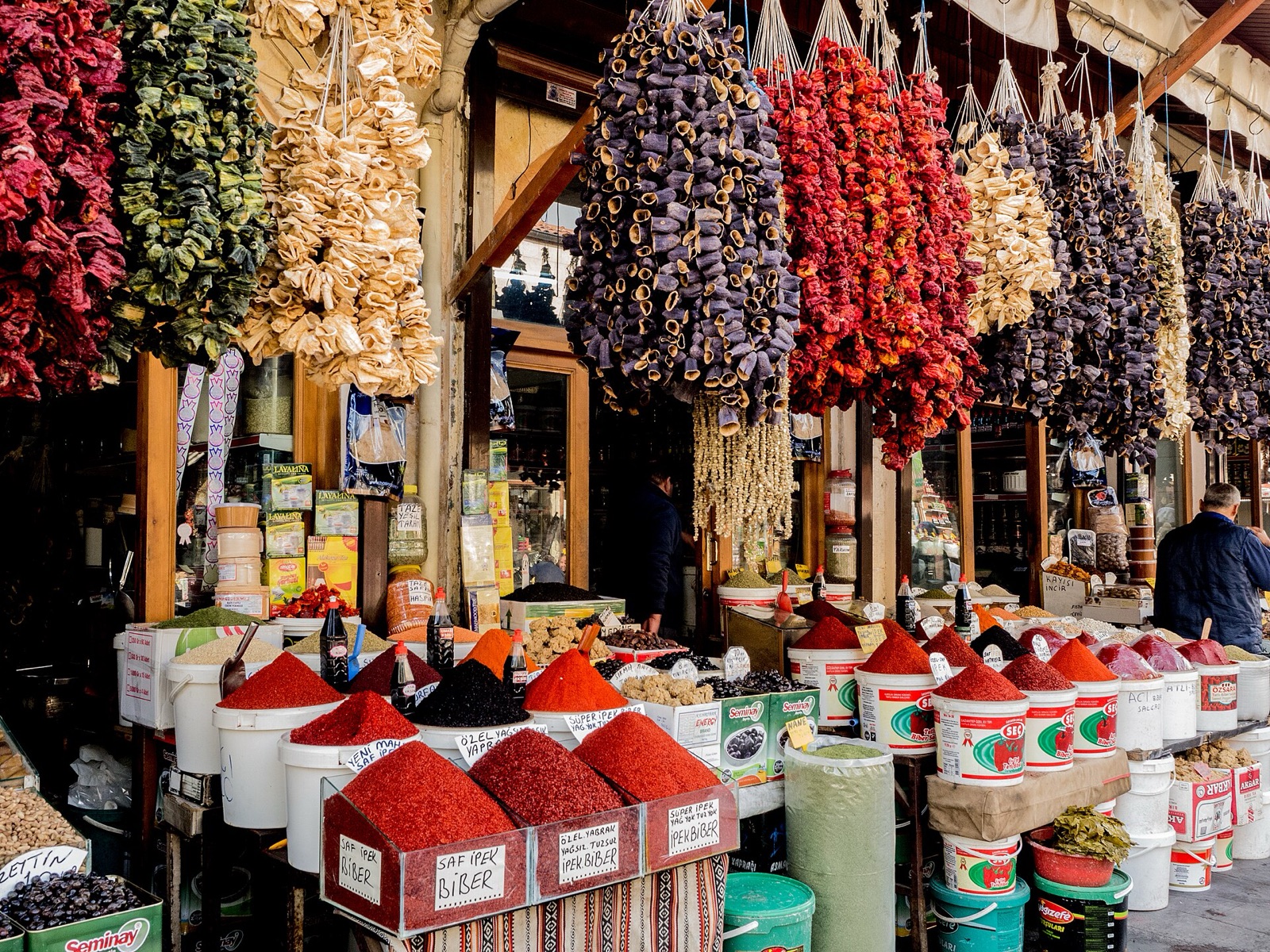
UNESCO named the city a Creative City of Gastronomy in 2015, a title Gaziantep wears without fuss because it had earned it long before anyone wrote it down. The old quarter is a working kitchen. Coppersmiths still beat the pans the cooks use. Spice sellers weigh out sumac and dried mint by the kilo. You can eat lahmacun as thin as paper at a counter and, three doors along, watch a baklavaci fan out forty sheets of yufka by hand, each one brushed with clarified butter, before the tray goes to the oven.
In Gaziantep the pistachio is not seasoning. It is the whole argument, and every plate is asked to defend it.
That defence is now written into European law. In December 2013 Antep Baklava became the first Turkish product ever entered on the EU register of protected geographical indications, ahead of any Turkish cheese, olive or wine. The rules are strict. Real Antep baklava must be made with Antep pistachios, local butter and hand-rolled yufka, or it cannot carry the name. The pistachio itself is a protected crop. It is a rare thing, a city that has managed to fence in its own recipe.
Breakfast is where we would send anyone first. Katmer is the case for the defence. A round of gossamer pastry is stretched until you can almost read through it, filled with clotted kaymak cream and a heavy scatter of green pistachio, then folded, crisped on the griddle and cut into quarters while still hot. It is sweet, but only just, and it is gone in minutes. Eat it before ten, with tea, the way the city does.
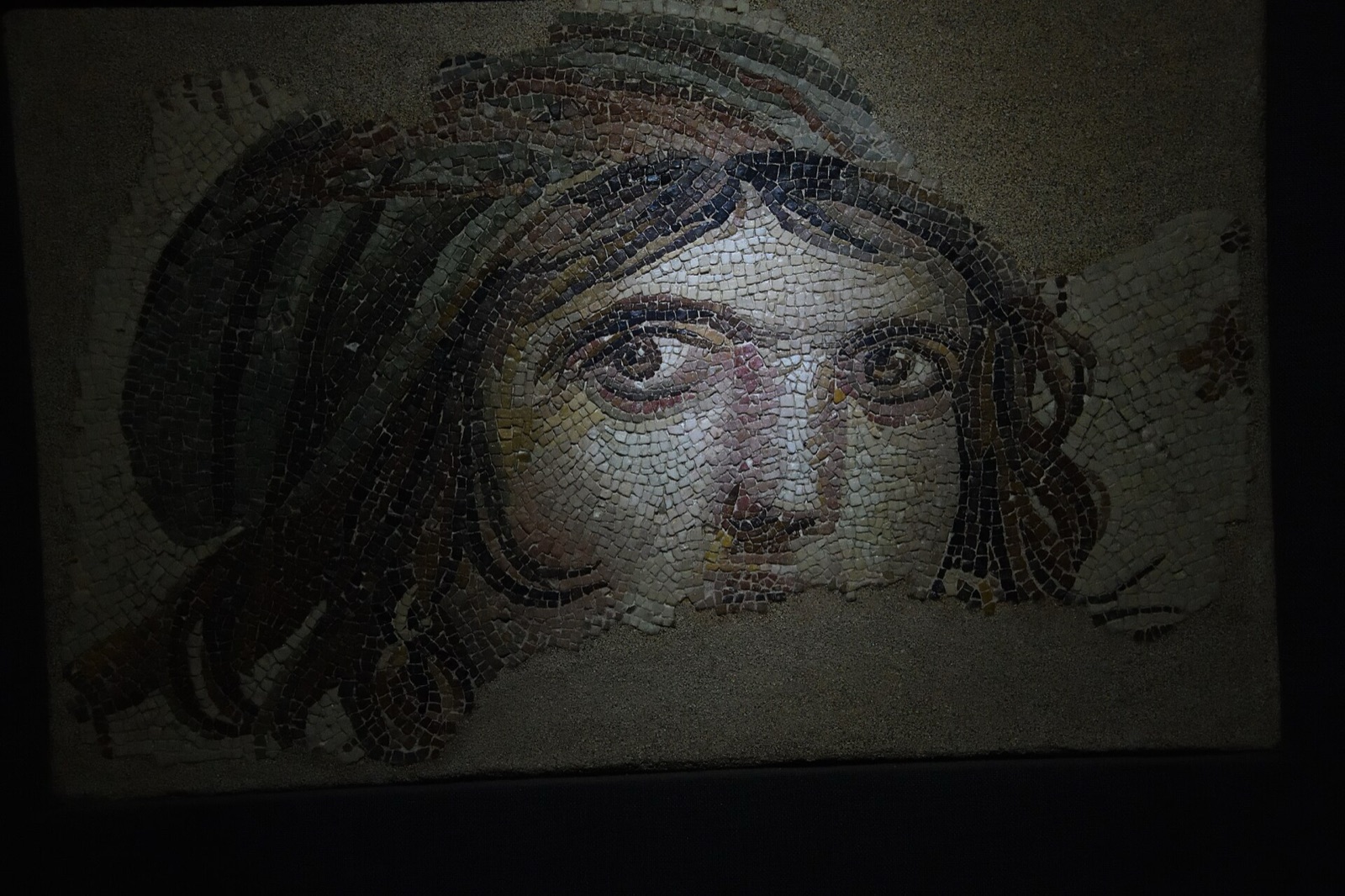
Gaziantep does not perform for outsiders. The Zeugma mosaics in the museum, the castle on its mound, the long shaded bazaars, all of it sits behind the food rather than in front of it. You come to understand the place through what it feeds you. The pistachio is simply the thread that runs through every course.
One selection at a time, in your inbox. Subscribe →