The Table
On most of this sea the mastic shrub is a roadside nobody, a low evergreen you brush past without a glance. On the southern half of Chios it is a fortune. The same species, Pistacia lentiscus, grows all around the Mediterranean, but only the variety native to these hillsides, chia, gives up the aromatic resin the Greeks have called mastiha for as long as anyone has kept records. Move it to the north of the island and it sulks. Take it off Chios and it stops altogether. No one has ever fully explained why.
We came for the harvest, which begins in high summer and looks less like farming than surgery. A grower scores the bark with a small iron blade, opening a wound the tree answers with slow, resinous tears. Beneath each trunk the ground is swept and dusted with white clay, so the falling drops stay clean. Then everyone waits. The tears harden in the heat over a fortnight or more, and the women of the family gather, wash and sort them by hand, tear by tear, through the autumn. It is patient, close, unglamorous work, handed down at the kitchen table rather than taught in any school.
A tree that weeps on cue, and only here, and only if you ask it in the right language.
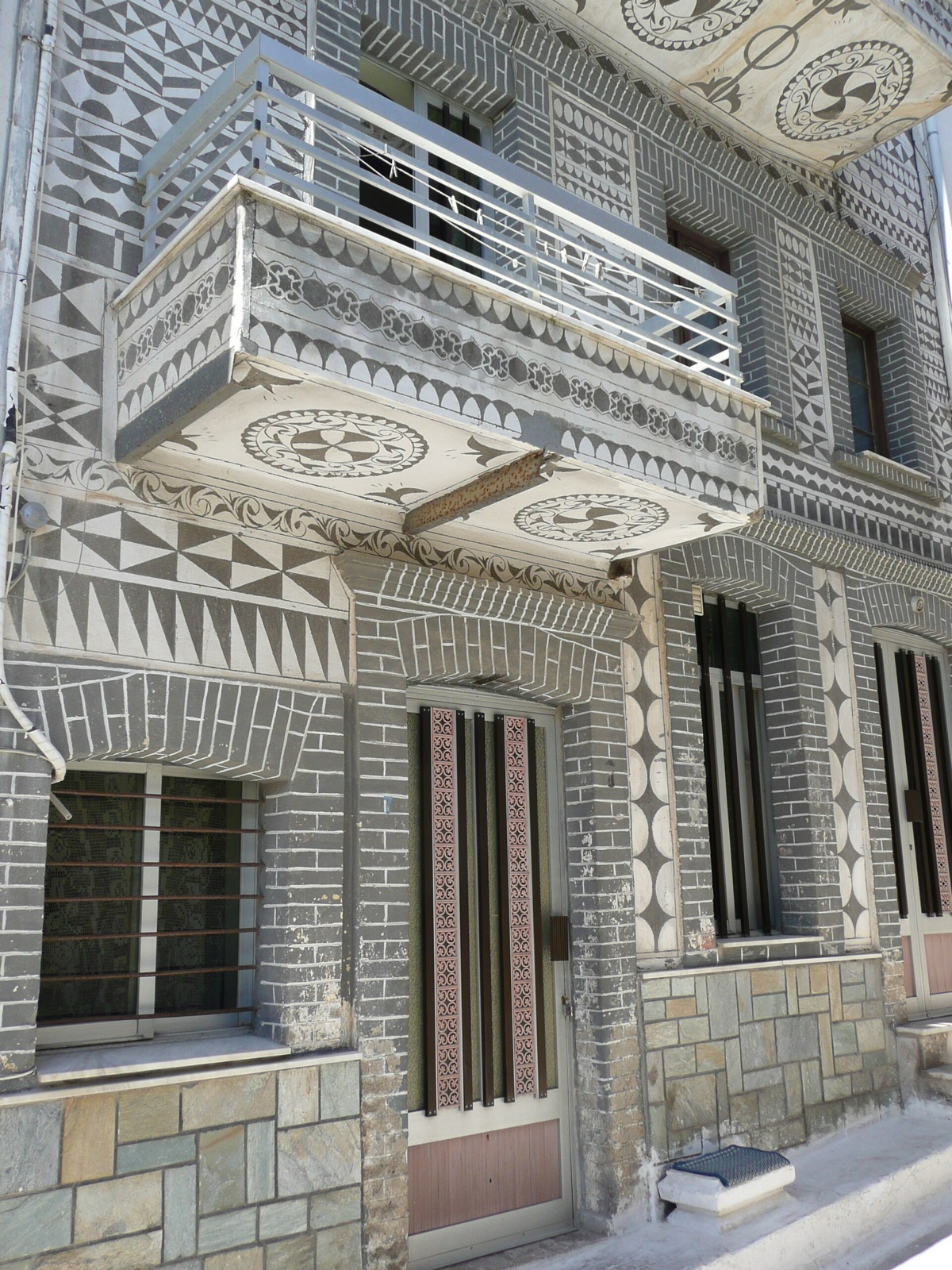
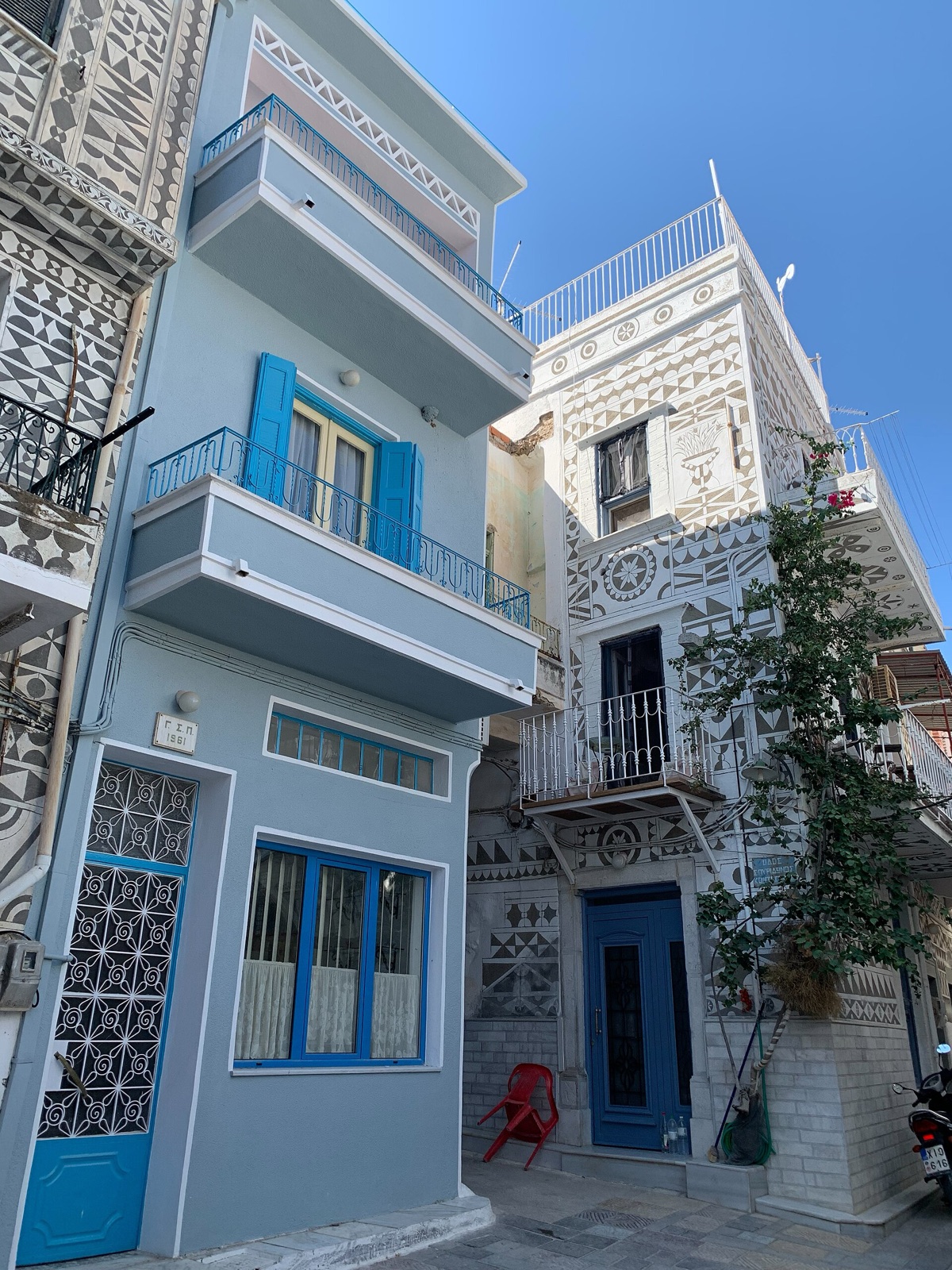
The villages that grew rich on this were built to keep the secret safe. Under the Genoese, who ran the trade from the fourteenth century, the mastichochoria went up as small fortresses. Houses packed wall to wall, lanes twisted into a deliberate maze, a tower at the centre to raise the alarm when pirates came for the crop. Mesta has just two ways in and streets roofed with stone vaults. Pyrgi wears its wealth on its face, every surface scored with the black and white geometric xysta that make the place look drawn rather than built. Twenty-four of these villages still stand across the south, among the best preserved in Greece.
The protections are modern now, and layered. Chios mastiha has held a Protected Designation of Origin since 1997, which ties the name to this ground and nowhere else. In 2014 UNESCO went further and listed the cultivation itself, the whole choreography of blade and clay and sorting, as intangible heritage. Both recognise the same stubborn fact. You cannot lift this off the hillside and reproduce it somewhere cheaper. You have to come.
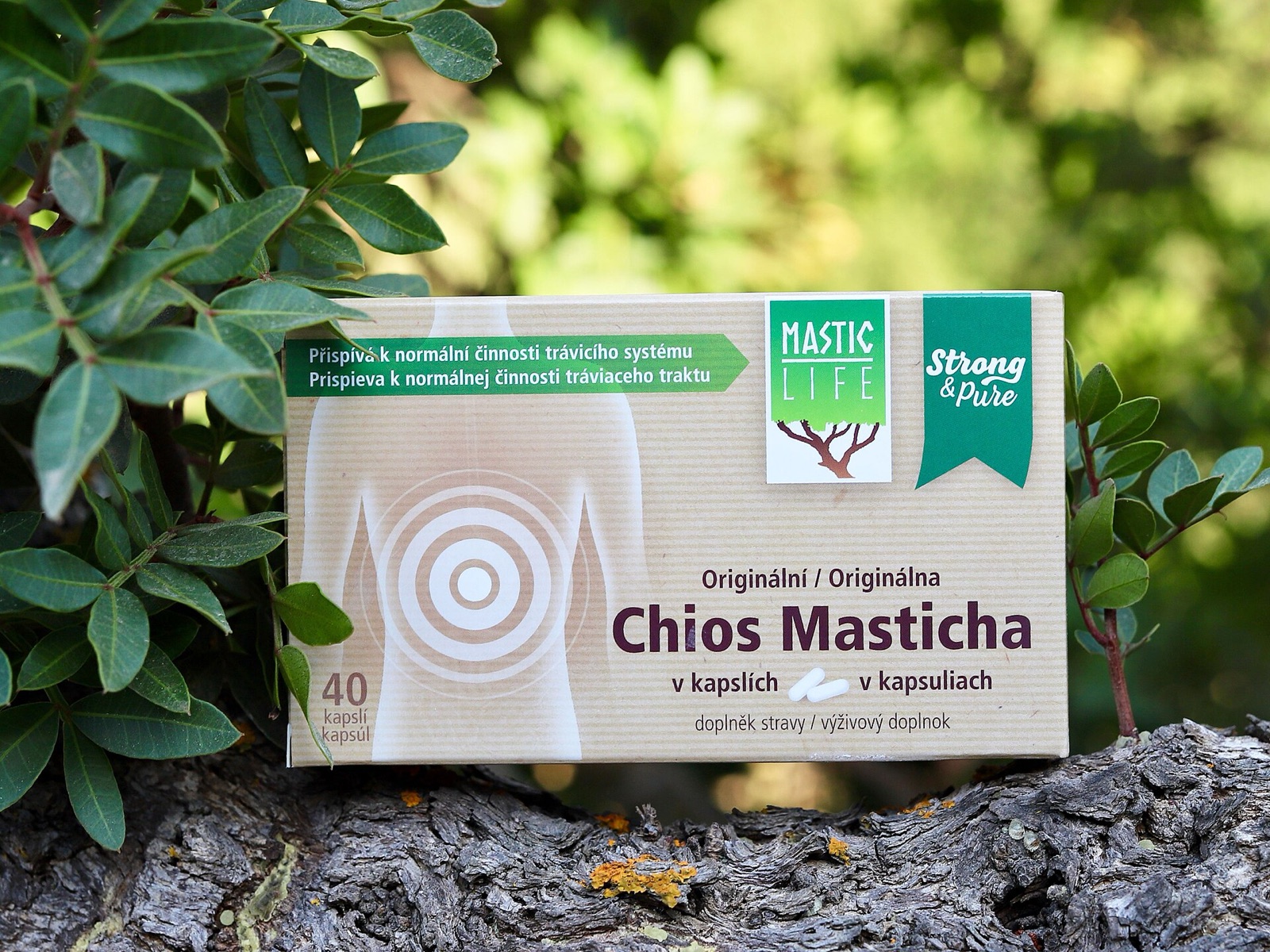
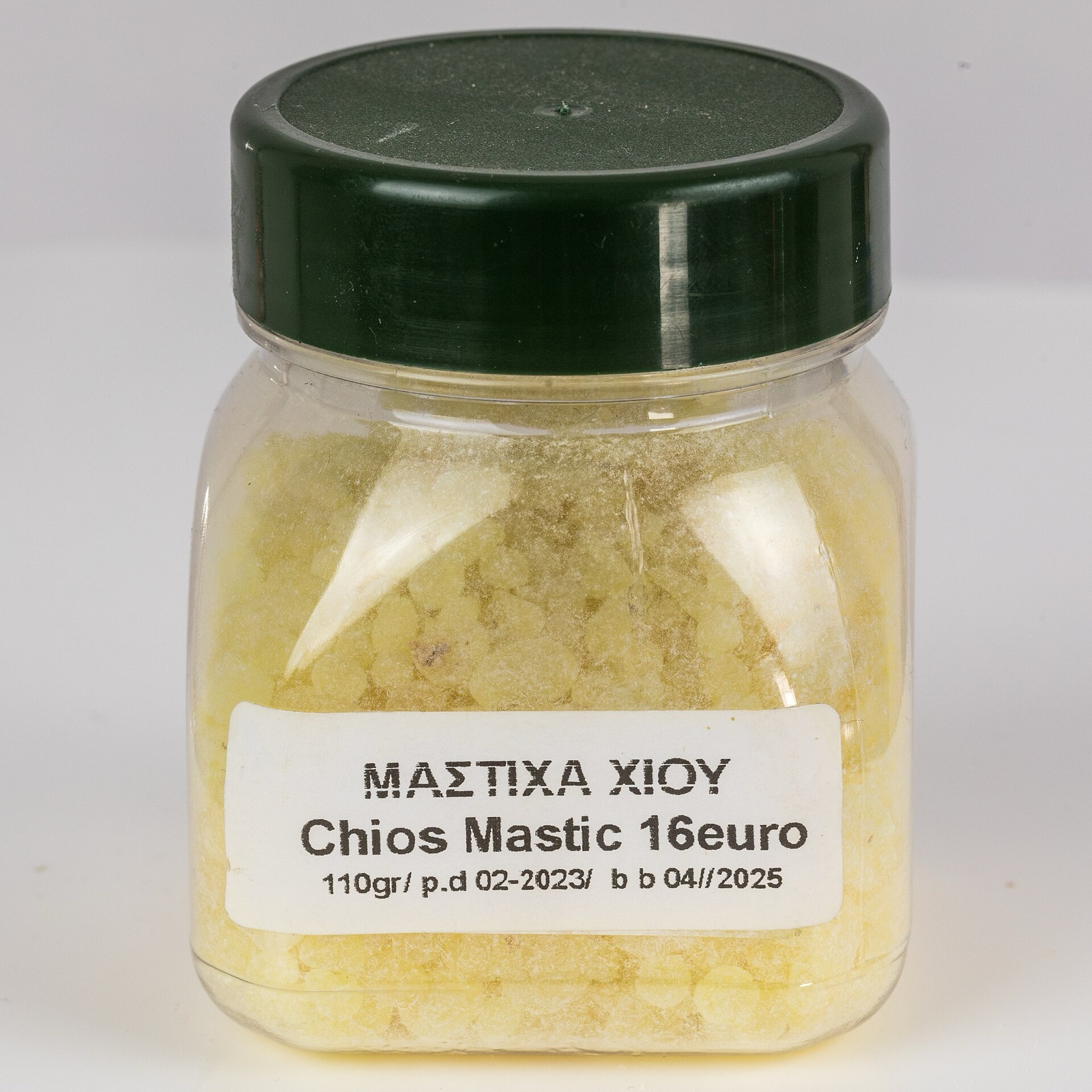
We left with a small bag of tears, faintly sweet, faintly of pine, dissolving to a clean resin on the tongue. It goes into everything here, into bread and liqueur and toothpaste and chewing gum, but the flavour matters less than the lesson it carries. Some things refuse to travel. They keep an island in business precisely because they will not leave it.
One selection at a time, in your inbox. Subscribe →