The Table
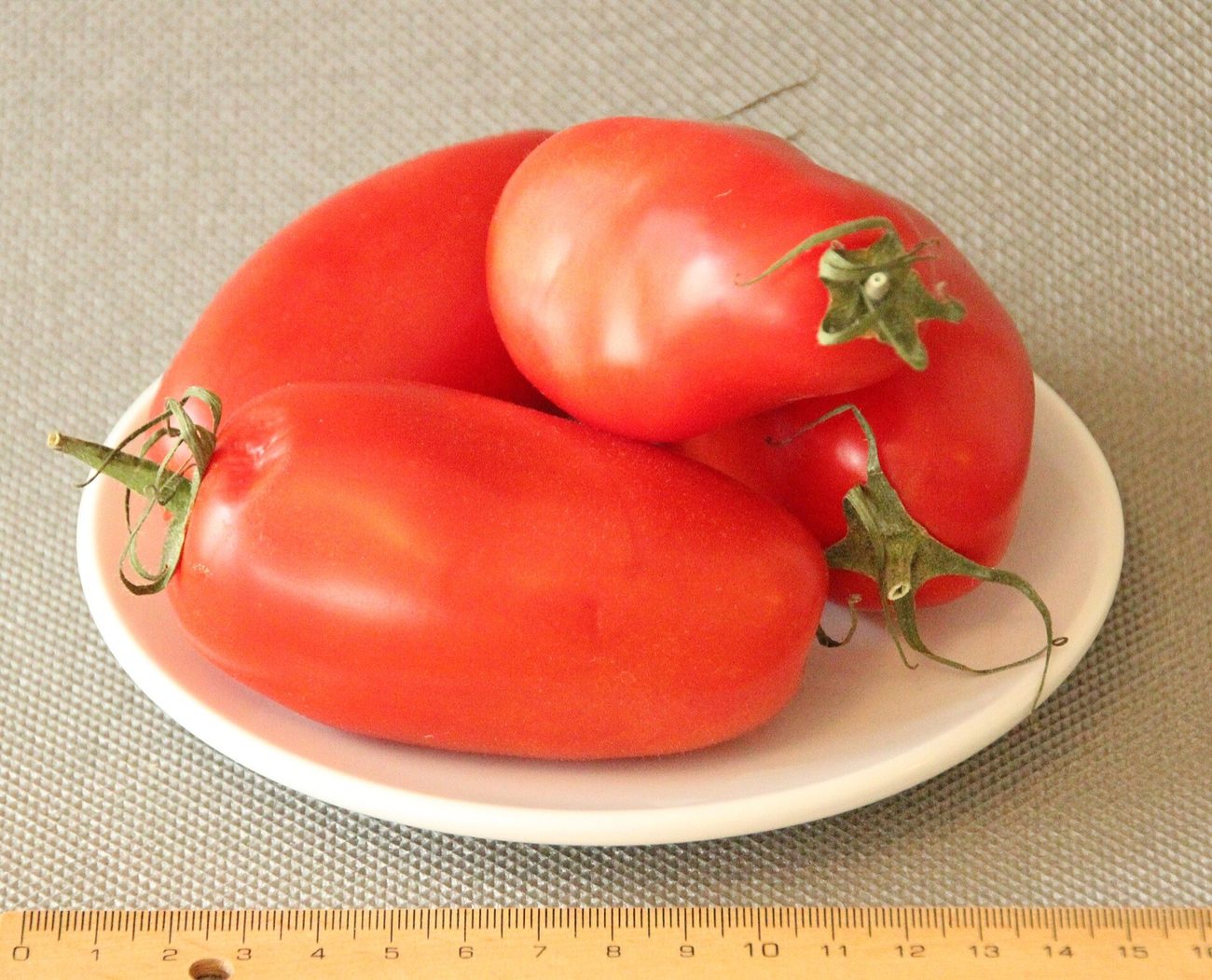
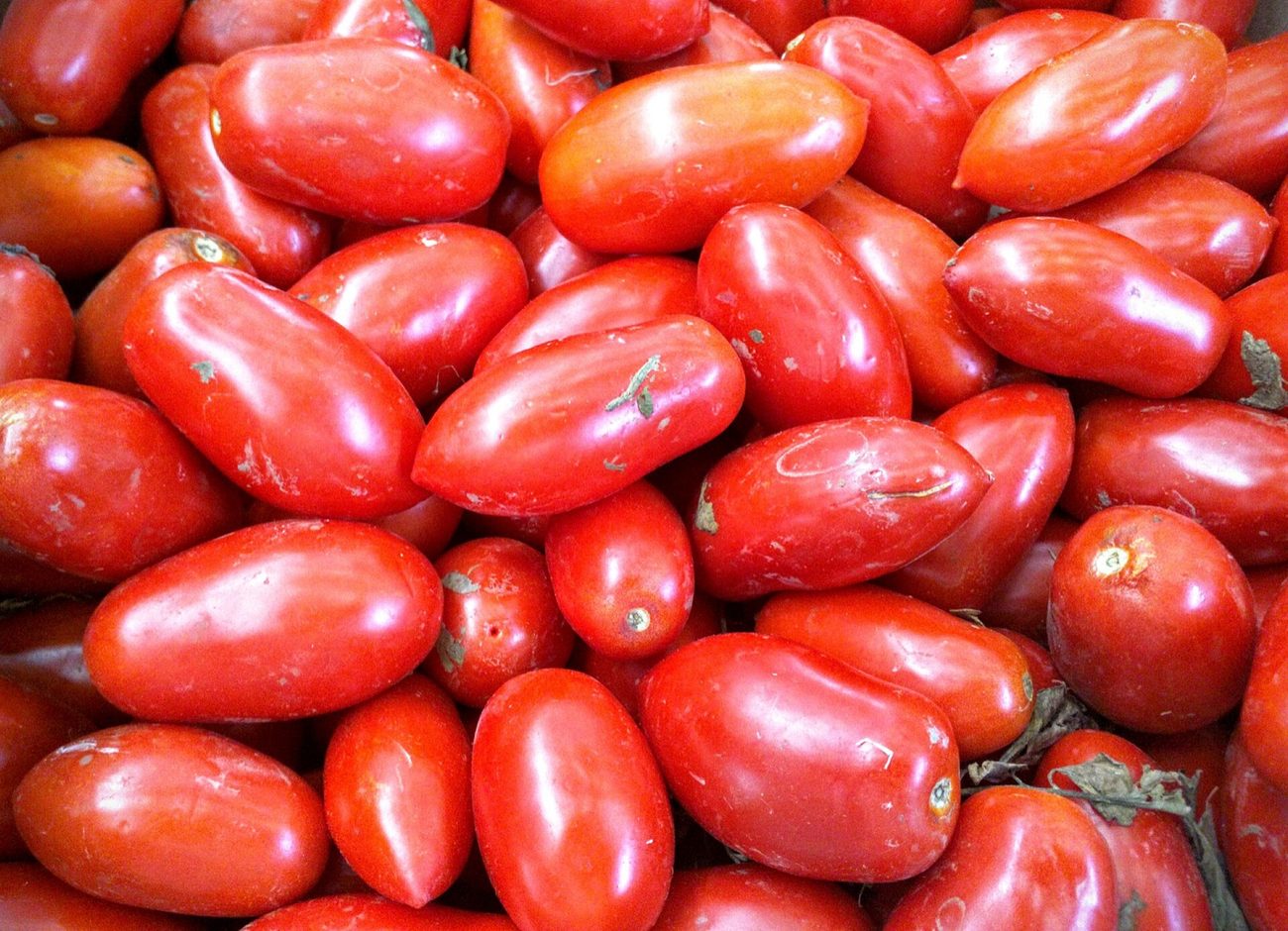
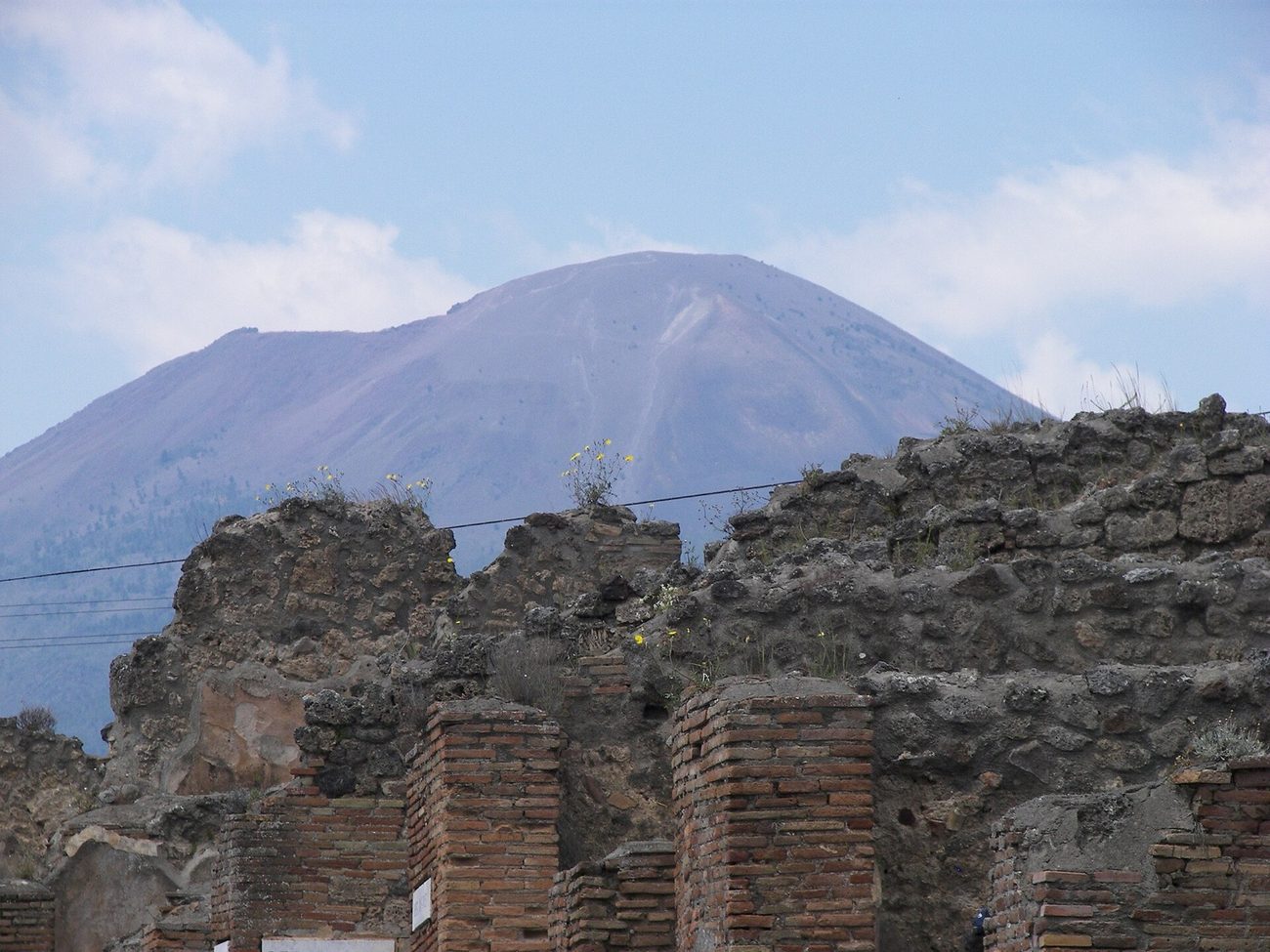
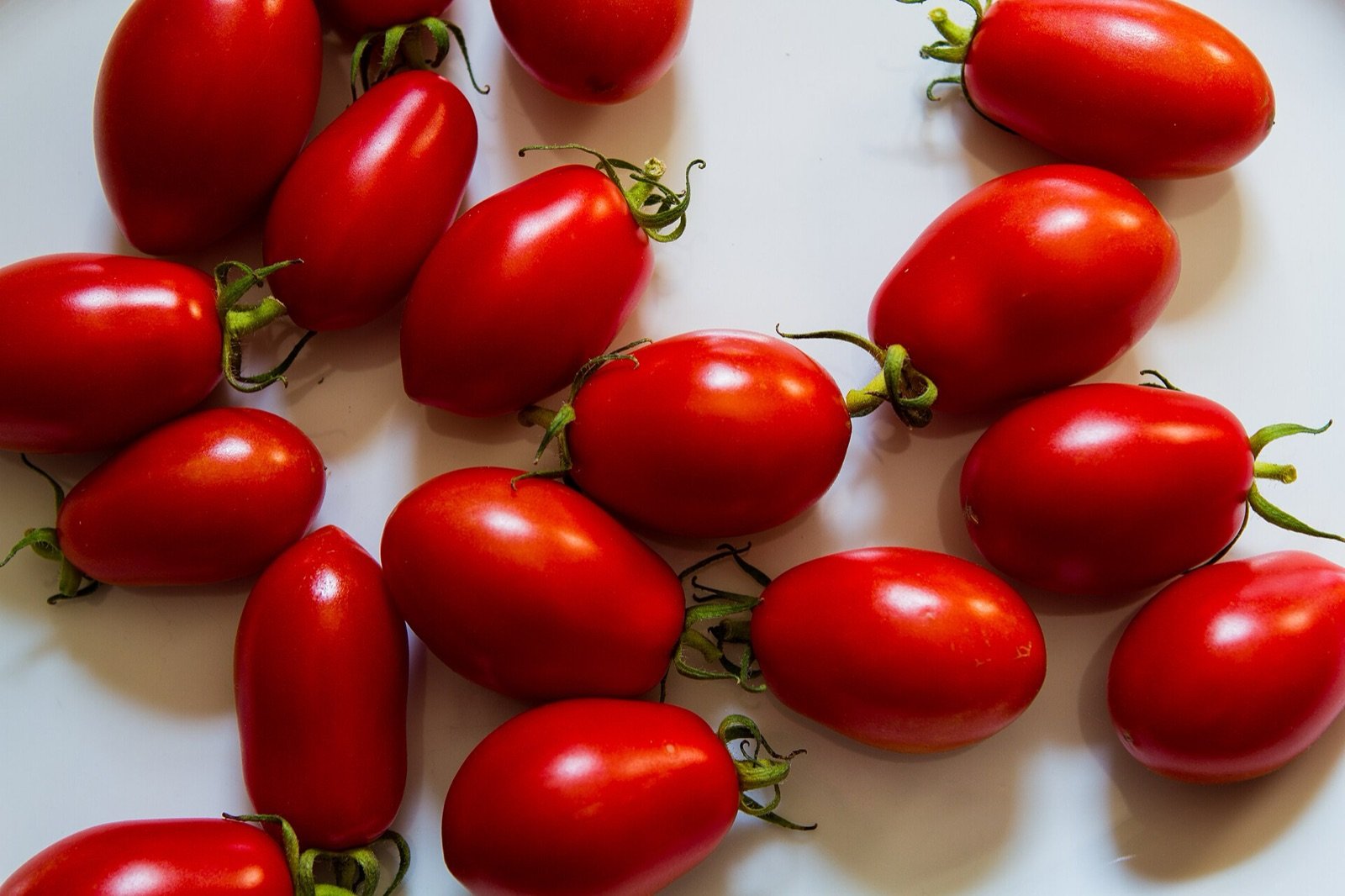
We came looking for it on a kitchen counter in Sant'Egidio del Monte Albino, where a woman was splitting open a tin from last summer's pressing and tipping it into a pan. The tomatoes slid out whole, long and narrow, the colour of a fire kept low in the grate. This is the San Marzano, and it grows on a plain that Vesuvius made.
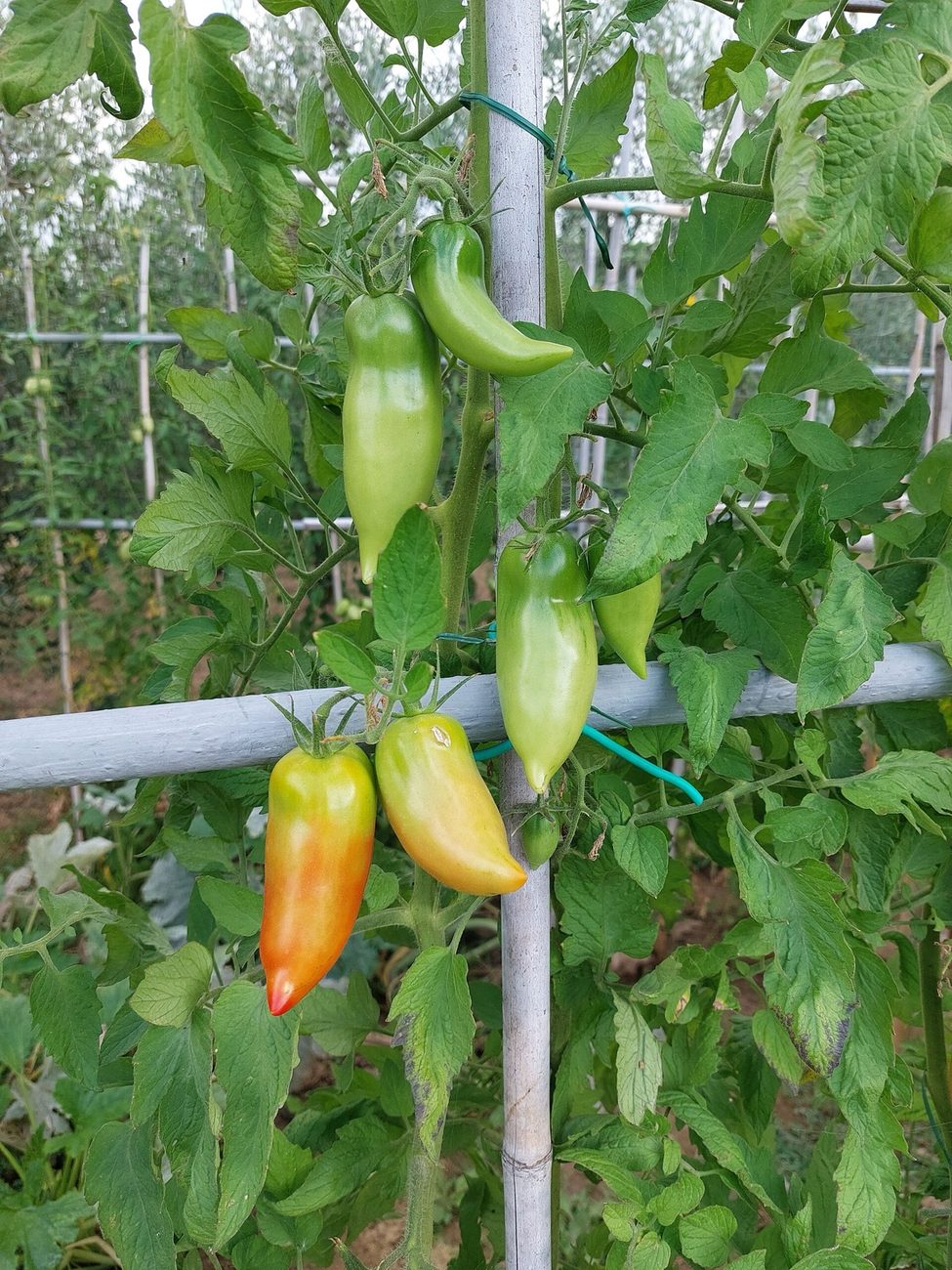
The ground is the point. The tomato takes its protected name from the Agro Sarnese-Nocerino, the flat land south-east of Naples where the volcano's old eruptions left a soil thick with potassium and phosphorus. That mineral load, and a long warm season, give the fruit its thin skin, its low acidity and a flesh that cooks down sweet rather than sharp. The plant is trained upright in rows so that no tomato touches the earth, and every one is picked by hand.
Protection came in 1996, when the European Union recognised the Pomodoro S. Marzano dell'Agro Sarnese-Nocerino as a designation of origin. The rules are narrow. Two cultivars only, San Marzano 2 and Kiros. The fruit is sold whole or in halves, peeled, never crushed or pulped, so you can see exactly what you have bought. Three seals go on a true tin. Most of what the world sells as San Marzano has never been near Campania.
A tomato is rarely the hero of a dish. This one is the exception, and it earns the billing by tasting of the ground it grew in.
The variety is younger than the legend around it. A pretty story has the first seeds reaching Naples around 1770, a gift from the viceroy of Peru, though the honest record only places the tomato firmly between Sarno, Nocera and the village of San Marzano at the start of the twentieth century. It was bred from older local types and spread because it suited the can. When the Neapolitan pizzaioli and the sauce houses settled on it, they were choosing a tomato that held its shape and its sweetness through heat.
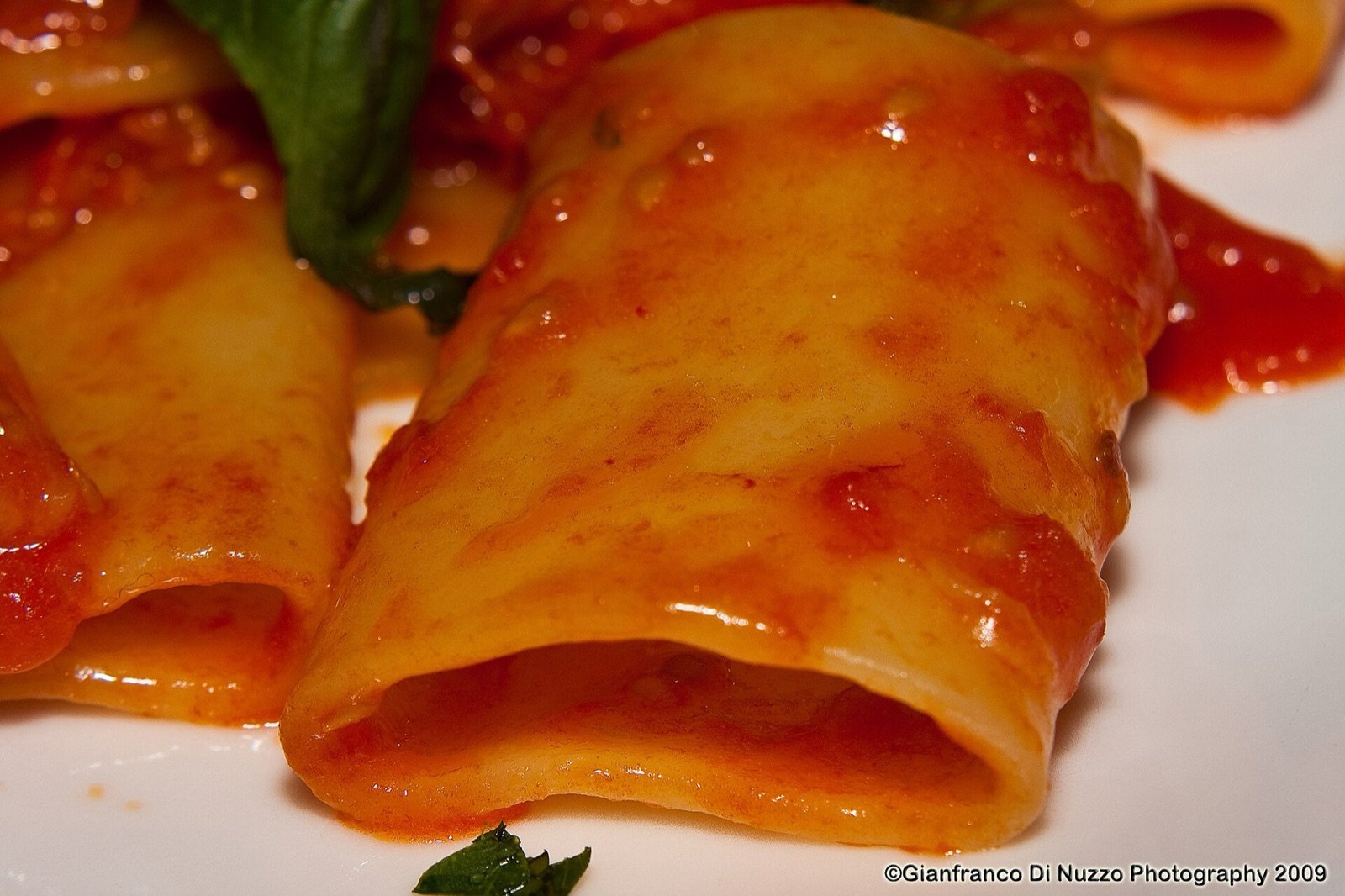
Eat it the way the plain does. A little oil, a clove of garlic, salt, a few leaves of basil, ten minutes over a low flame. Nothing more. The woman in Sant'Egidio never reached for sugar, because the volcano had already done that part. We left with two tins and the address of her cousin's co-operative, which is the only souvenir worth carrying out of the Agro.