For the place
Cap Rocat
Cala Blava · Mallorca
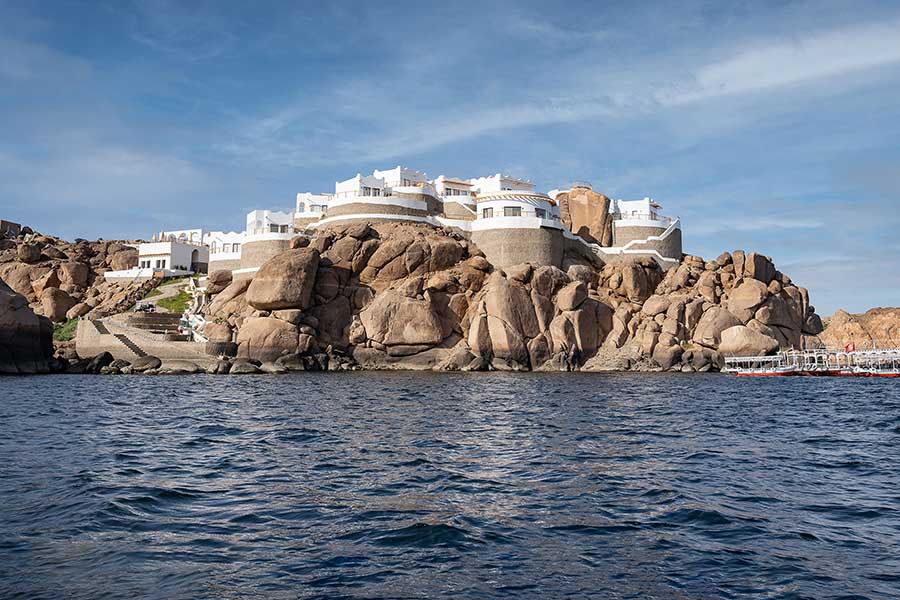
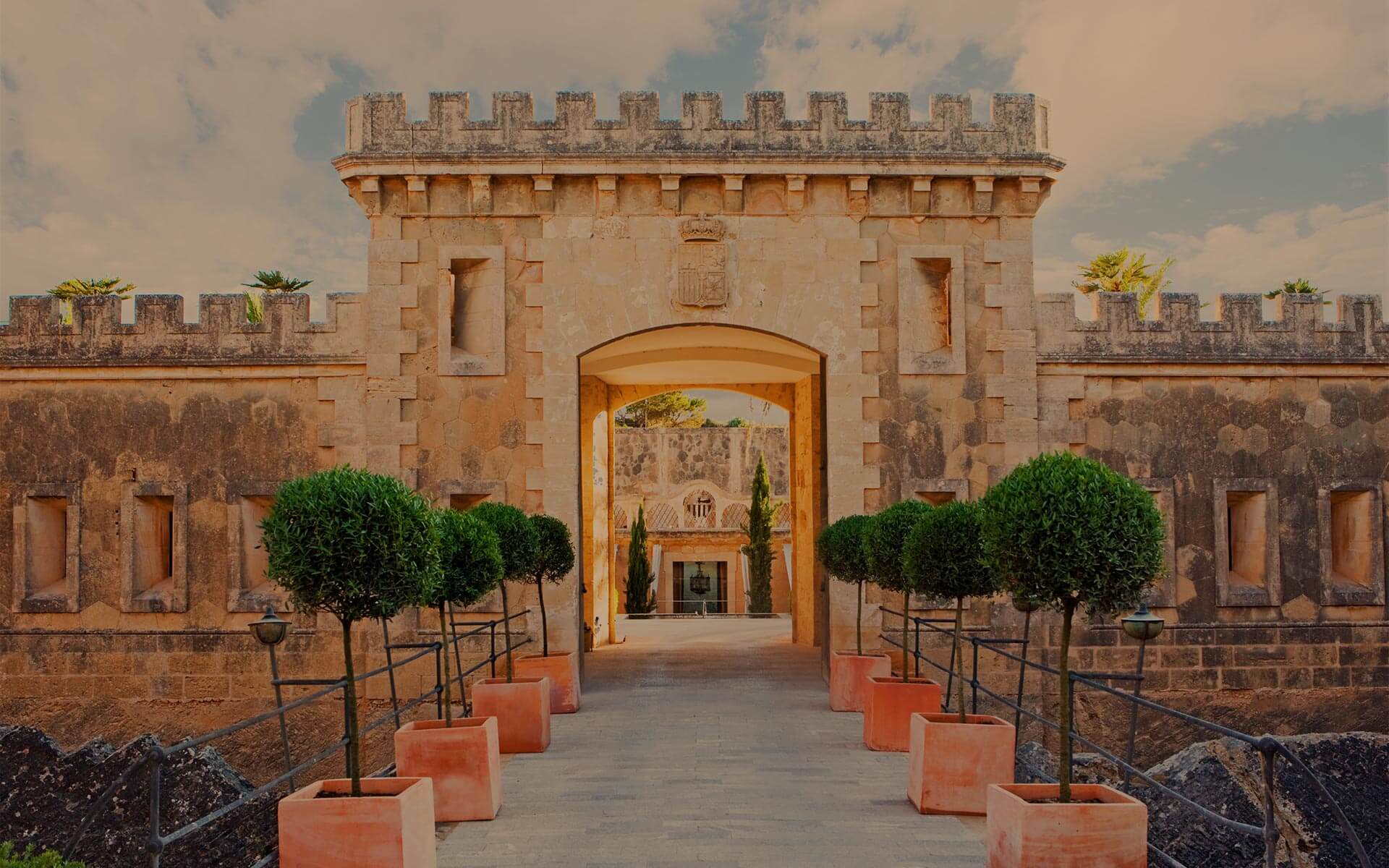
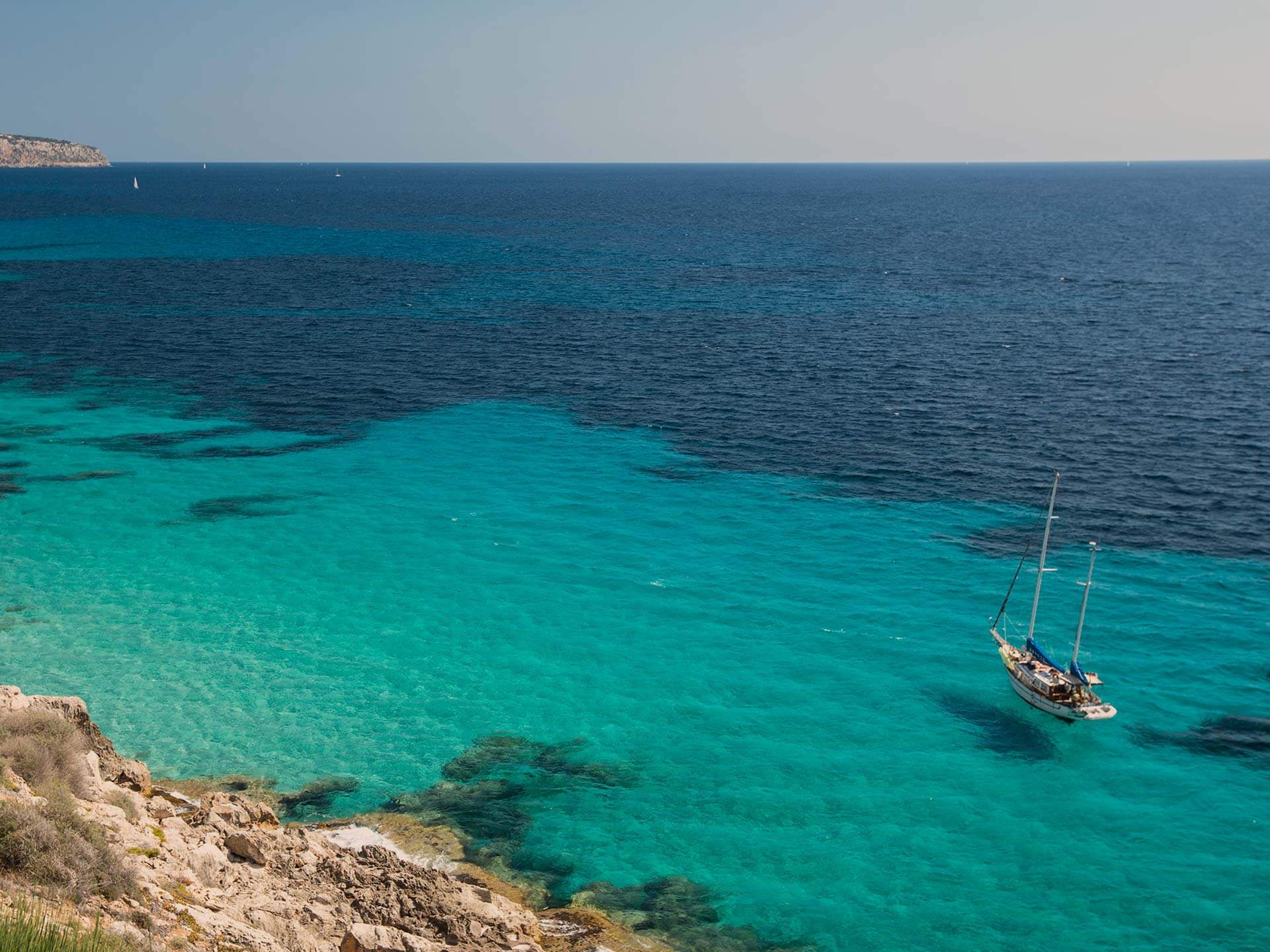
The Spanish army built this to watch the sea, and the bones of that job are still everywhere. You come in through a stone gate into what feels less like a hotel than a small fortified town, lanes and courtyards and battlements cut straight into the rock, the Mediterranean a long way down. Antonio Obrador spent years on the restoration, working under the rules that protect a listed National Monument, and the result took a Europa Nostra award. The rooms follow the old plan rather than fight it. The Sentinels sit out on the ramparts where the lookouts once stood, the larger suites open towards the water, and the whole property is wrapped in a thirty-hectare nature reserve. The quiet is real, and so is the dark at night.
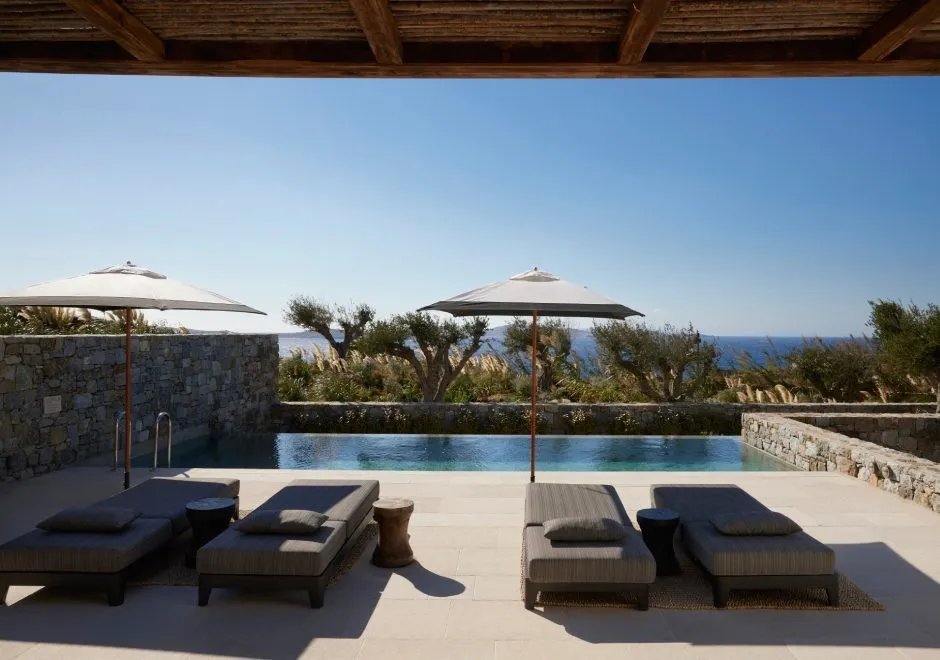
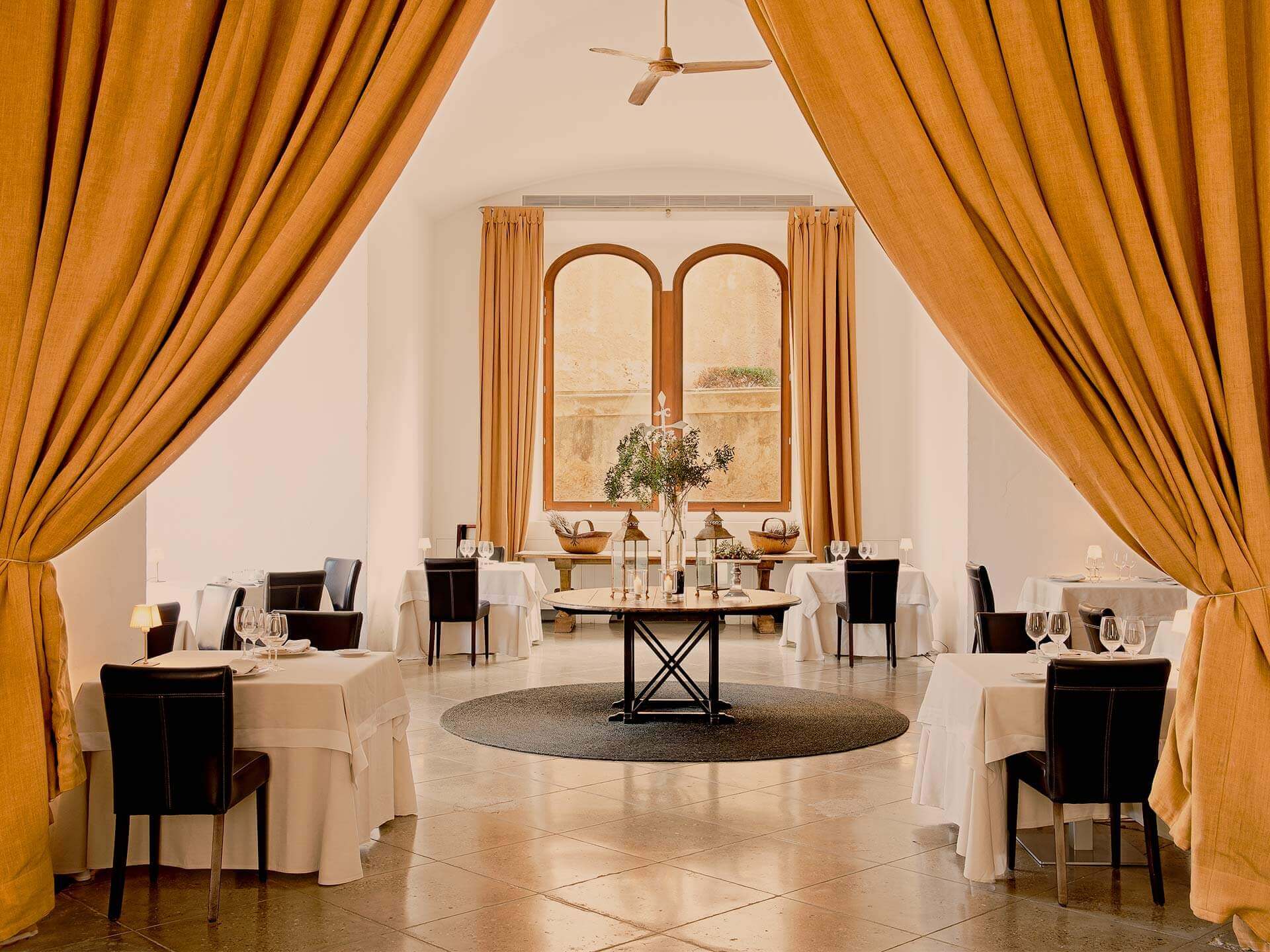
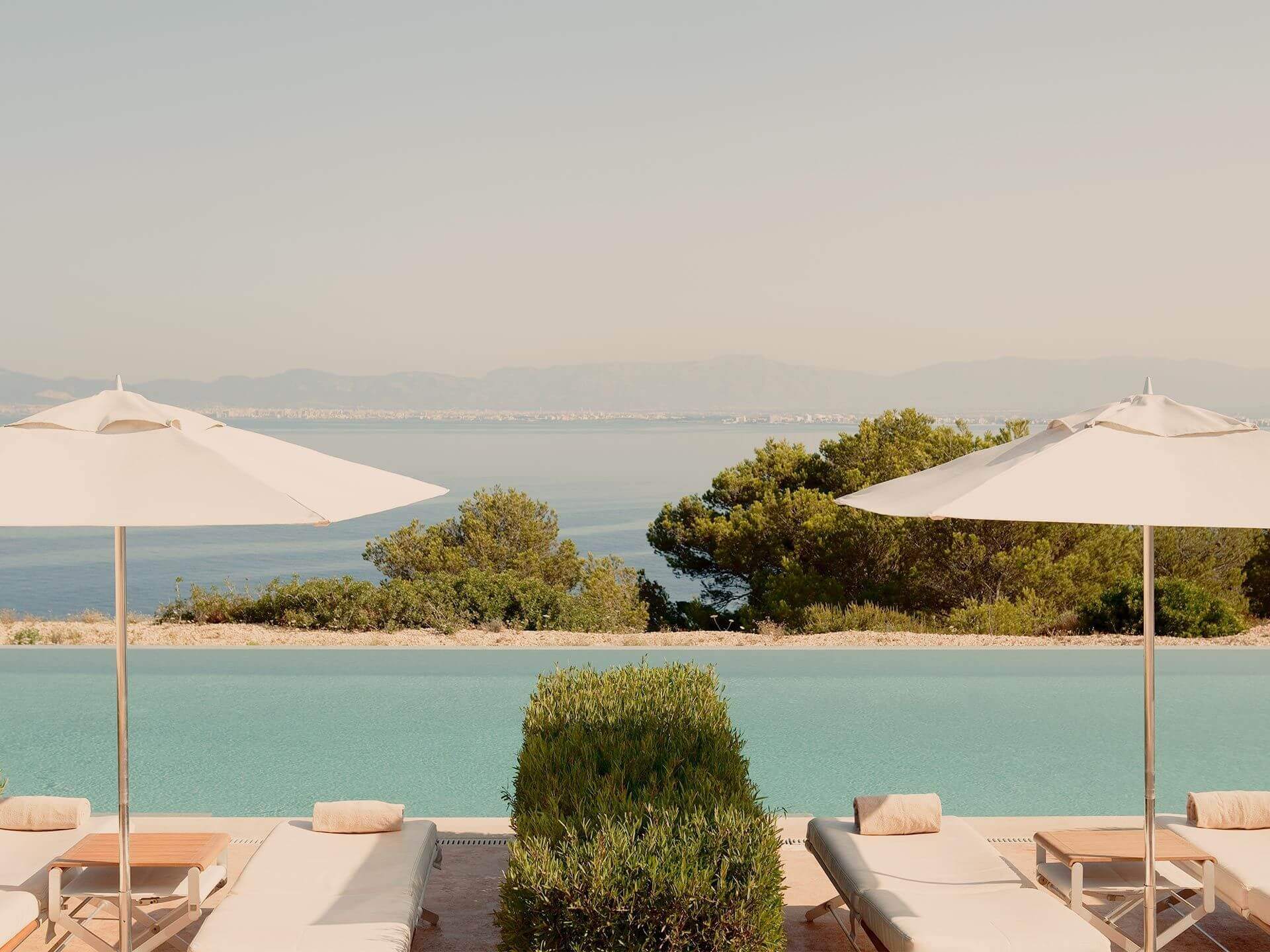
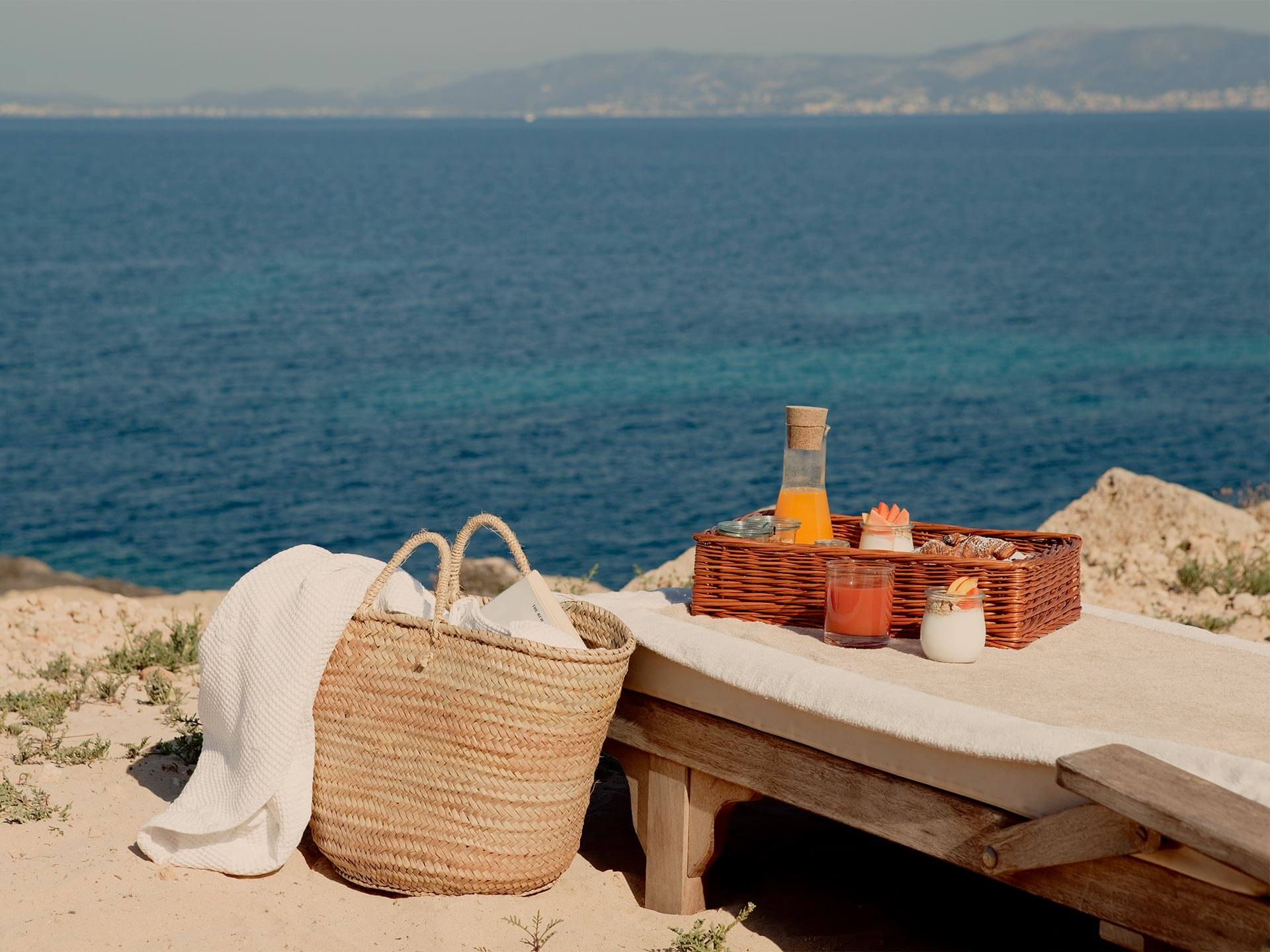
Two kitchens, two moods. La Fortaleza is the serious one, white-walled and calm inside the keep, Mediterranean cooking that leans on the island and the sea below it. Down at the shore the Sea Club is the opposite, a long lunch in the sun with the rocks at your feet, grilled fish and rice and a swim between courses. Neither one strains for effect, which on Mallorca in August is a luxury of its own.
Mallorca is not short of hotels, and most of them you could lift onto another coast without anyone noticing. Cap Rocat could only stand here. It is a piece of military history that someone refused to let crumble, gave back its dignity and a spa cut into the rock, and it holds the modern world at arm's length without making a fuss about it. Come for the architecture and the seclusion. Do not come for nightlife or a beach-club scene. The road in is short; the sense of having left everything behind is not.
A longer reading of Cap Rocat: the fortress, the rooms in the ramparts, the two kitchens above the sea.
Read Folio No. 03 →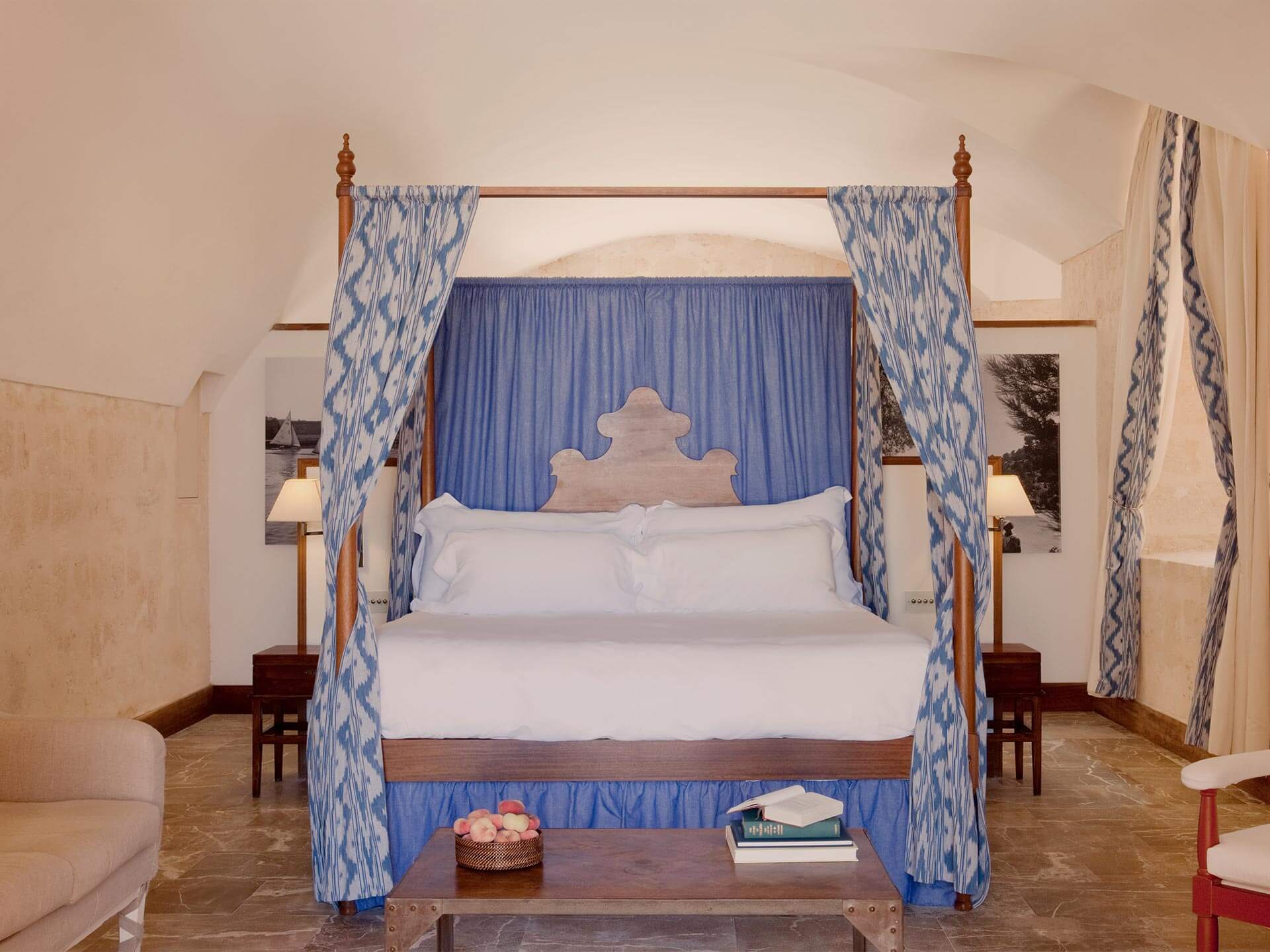
One selection at a time, in your inbox. Subscribe →
A listed coastal fortress on the Bay of Palma, Cala Blava, Mallorca.
Nineteenth-century fortress restored by Antonio Obrador; rooms in the ramparts and watchtowers.
La Fortaleza · Sea Club.
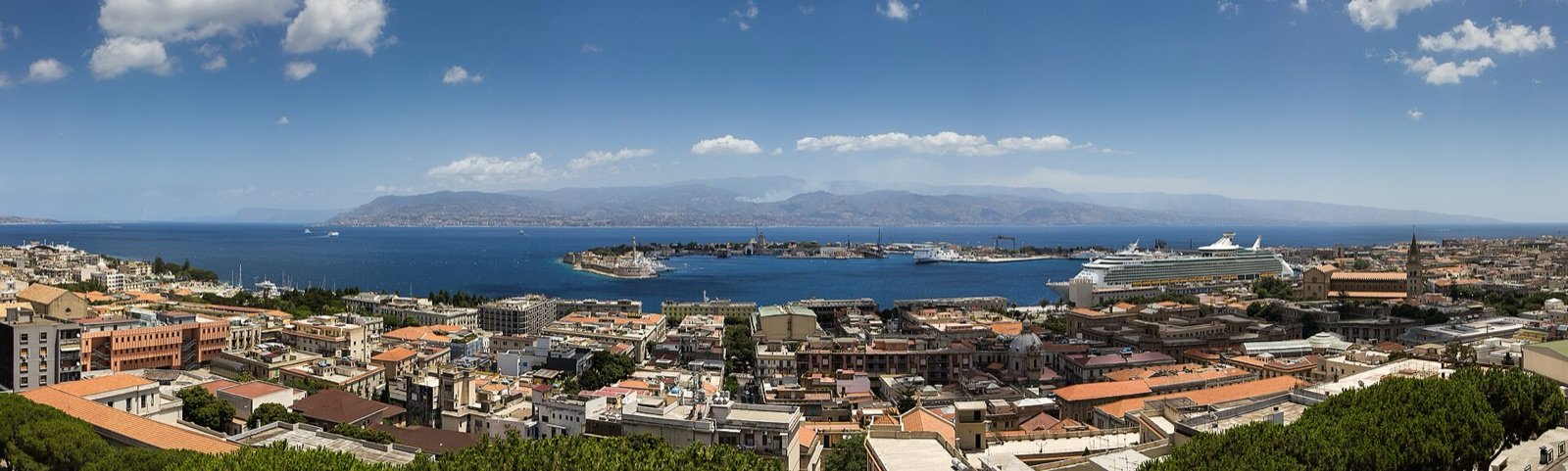
Palma and its old town, about twenty minutes by road.
Free, one to one, on WhatsApp. Tell me your dates and I will point you to the right places.
Plan with me on WhatsApp