The Table
We came to Modena for the vinegar and left thinking about patience. Not the fast version poured over salads in a hundred cities, but the real thing, the one Emilians keep in the roof of the house and hand down like a deed.
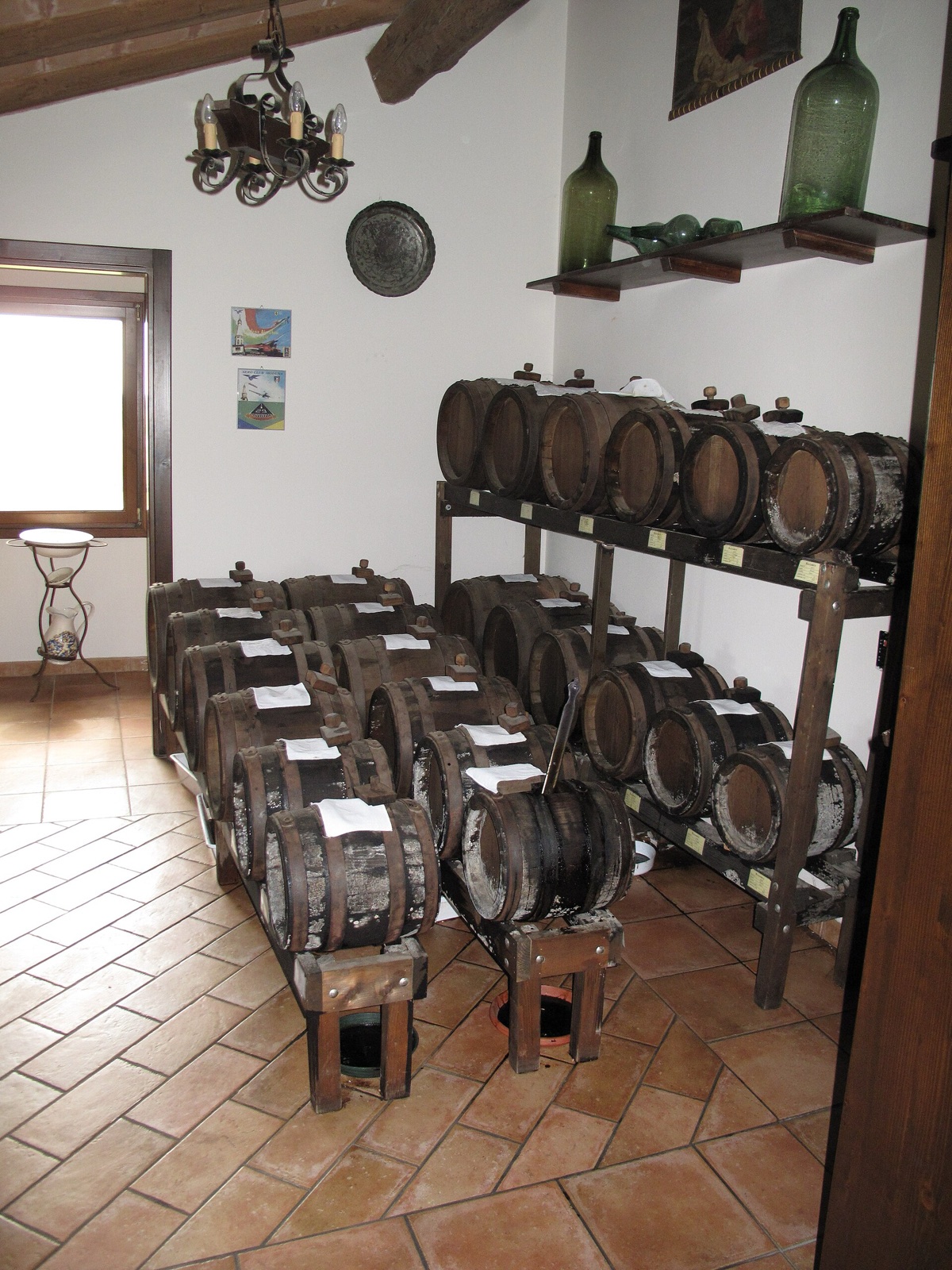
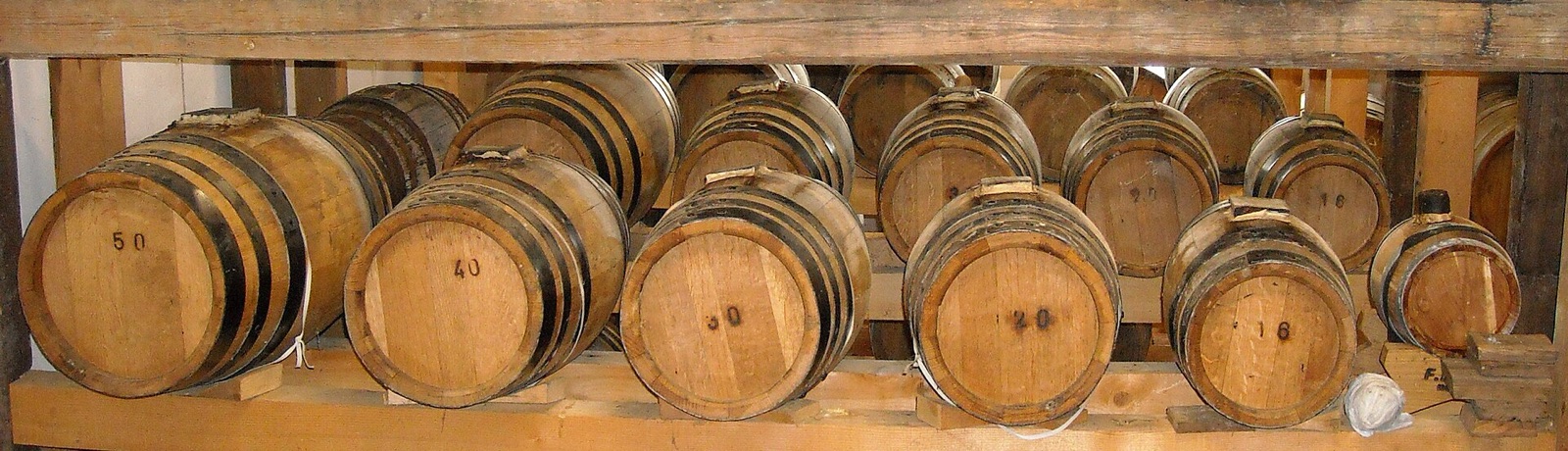
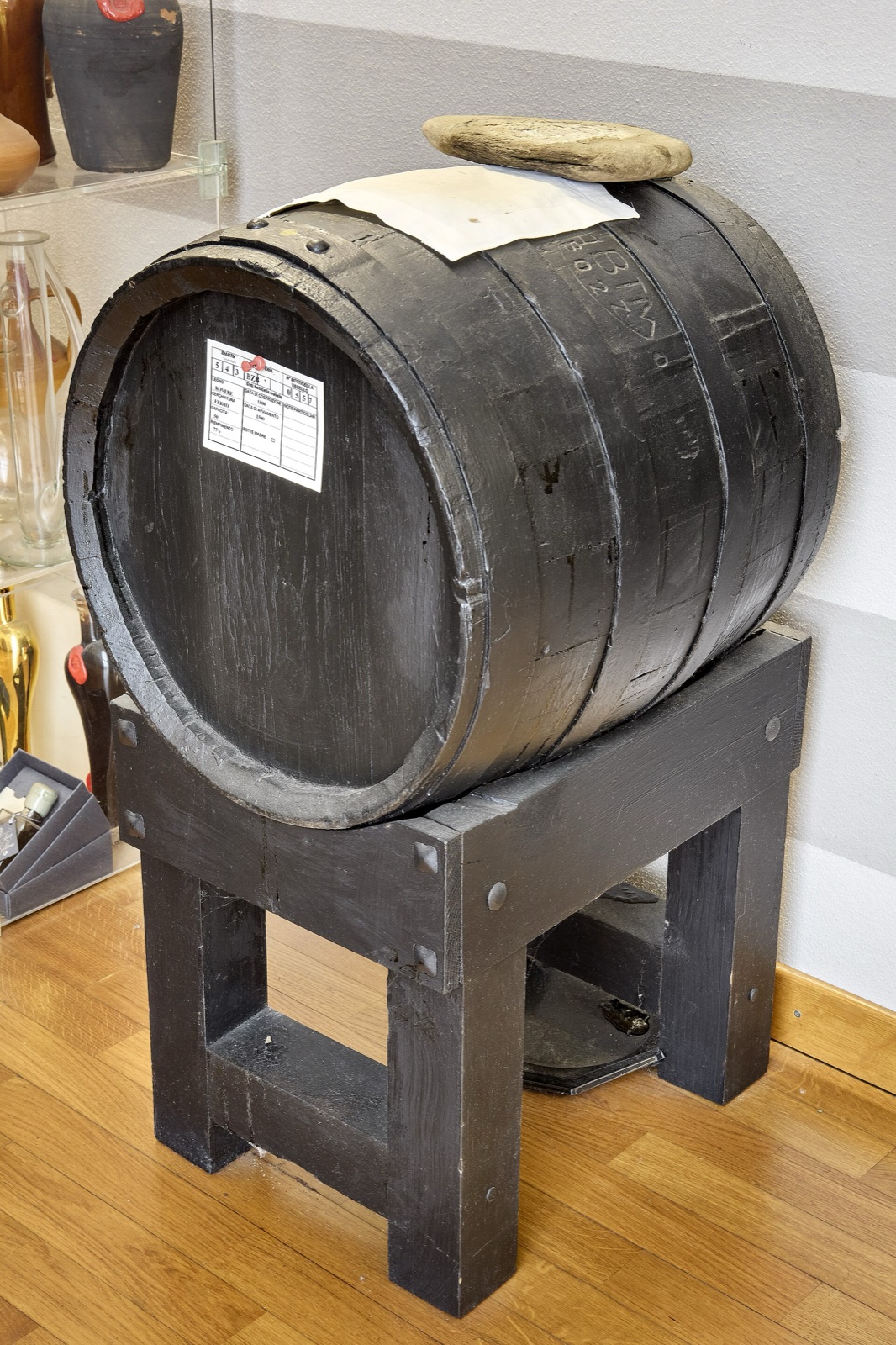
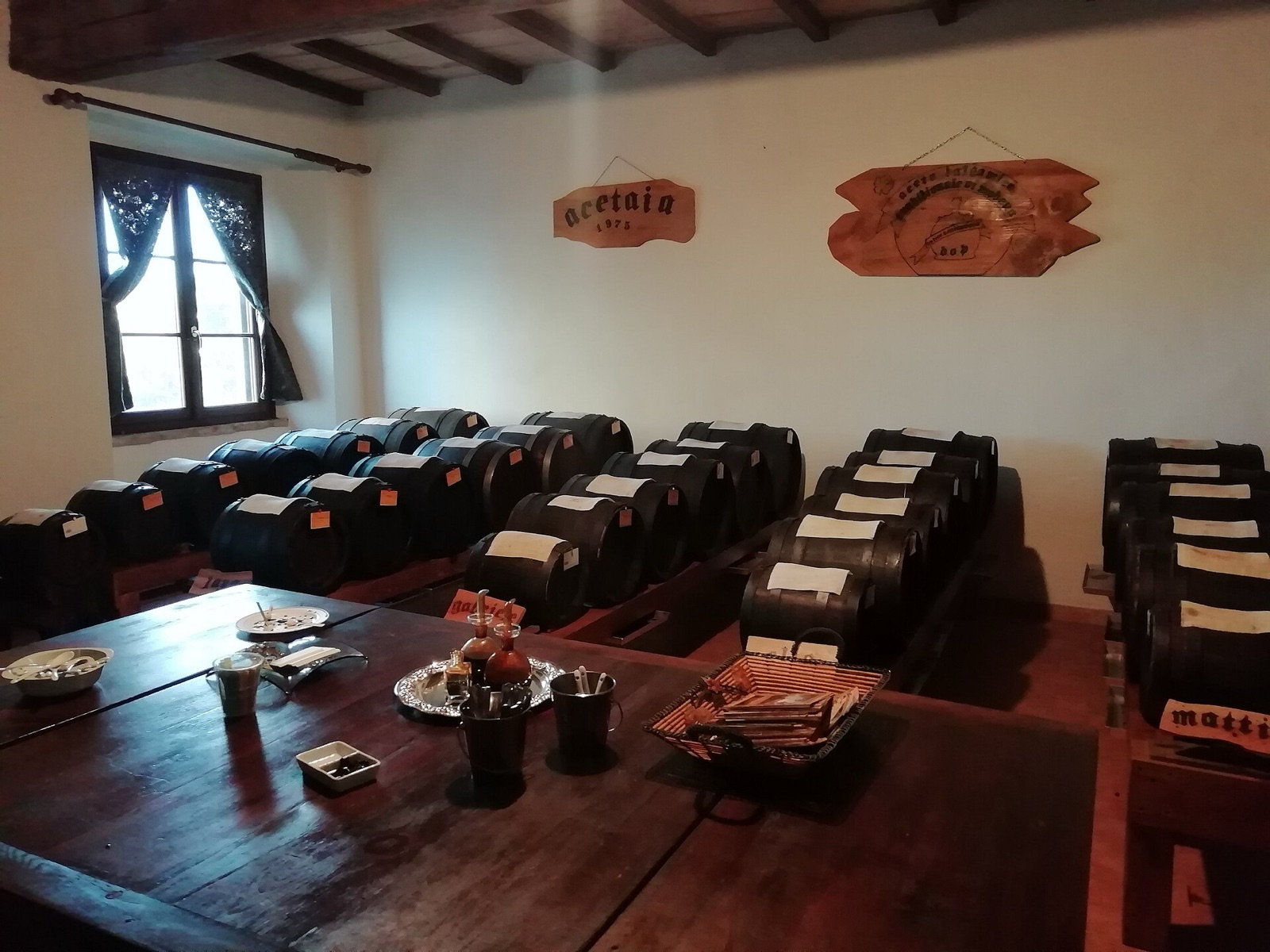
Aceto Balsamico Tradizionale di Modena carries a DOP, and the rules behind it are unforgiving. It begins as cooked grape must, pressed from local varieties such as Lambrusco and Trebbiano, then boiled slowly until it thickens and darkens. No wine vinegar, no caramel, no shortcuts. What follows is a battery of casks, the batteria, a line of barrels in decreasing sizes cut from different woods. Oak, chestnut, cherry, mulberry, juniper. Each wood leaves a trace.
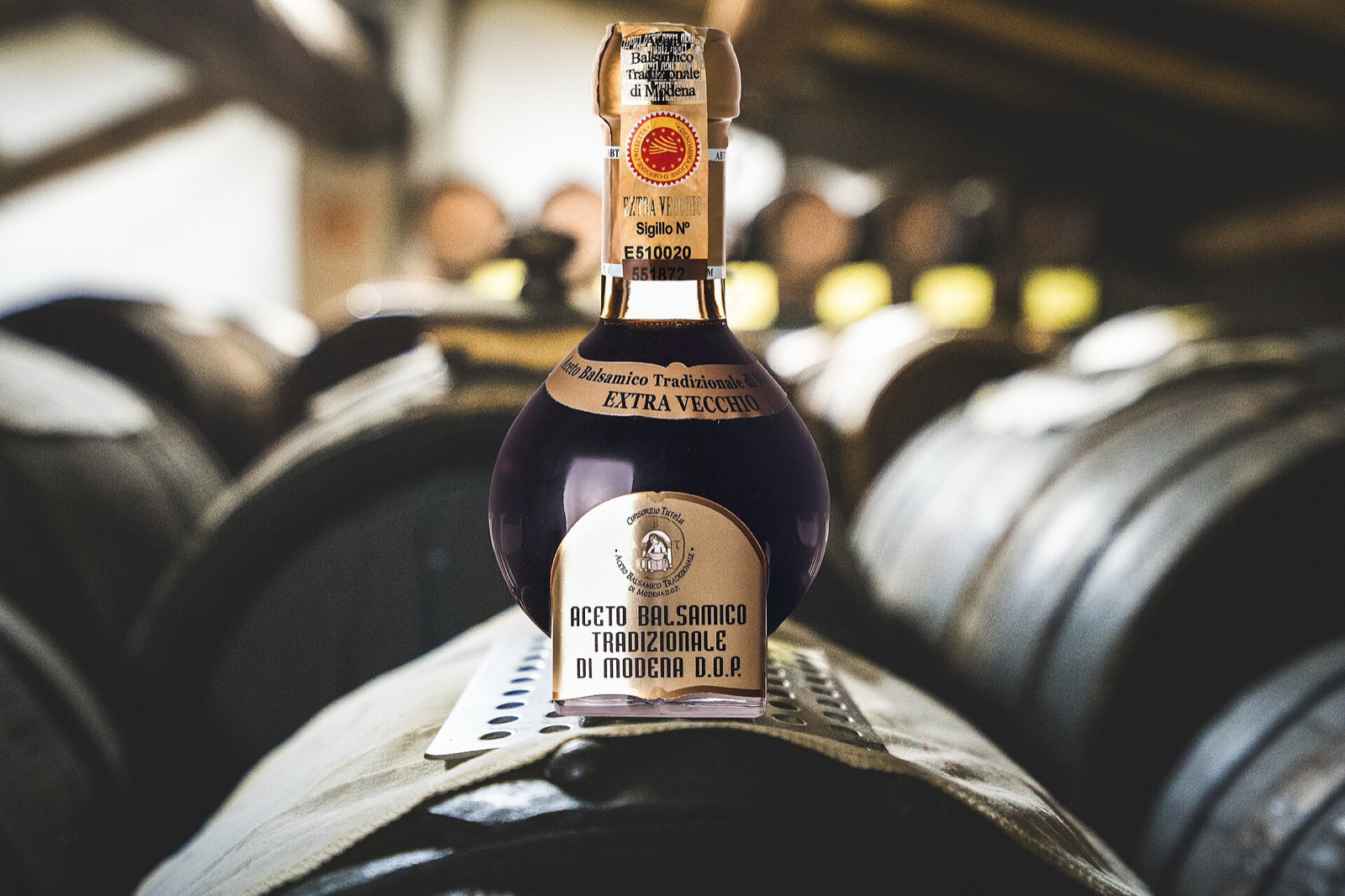
The casks live in the acetaia, usually the attic, and that placement is the method itself. Summer heat drives evaporation and concentrates the liquid; winter cold lets it settle. Each year a little is drawn from the smallest barrel, and every cask is topped up from the one before it, a slow relay running back up the line. The youngest a bottle can legally be is twelve years. Cross twenty five and it earns the word extravecchio, and a gold cap.
A family does not make this vinegar for itself. It makes it for the generation that has not arrived yet.
By the time it is bottled it has stopped behaving like vinegar. A drop sits on the spoon, dense and dark, sweet and sharp at once, closer to balsam than to acid. That is why it comes in a small round flask of a hundred millilitres, a shape drawn by the car designer Giorgetto Giugiaro, and why it is never cooked. A few drops go onto a wedge of Parmigiano, or strawberries, or a plate of boiled meat, and nothing more.
The confusion is worth clearing up, because it is everywhere. The bottles you have seen on every shelf, thin and cheap and labelled Aceto Balsamico di Modena, are the IGP. A different product, mostly wine vinegar with concentrated must, aged for months rather than decades. Useful in a kitchen, honest enough at the price, but not the tradizionale. Read the neck. DOP and a numbered seal, or nothing.
Modena feeds you well beyond the acetaia. It is Massimo Bottura's city, and the arcades hide tortellini in brodo and cotechino that would carry the trip on their own. But it was the vinegar we packed to take home, one small flask, wrapped twice, worth more than anything else in the bag.
One selection at a time, in your inbox. Subscribe →