For the place
Aman Sveti Stefan
Sveti Stefan · Montenegro
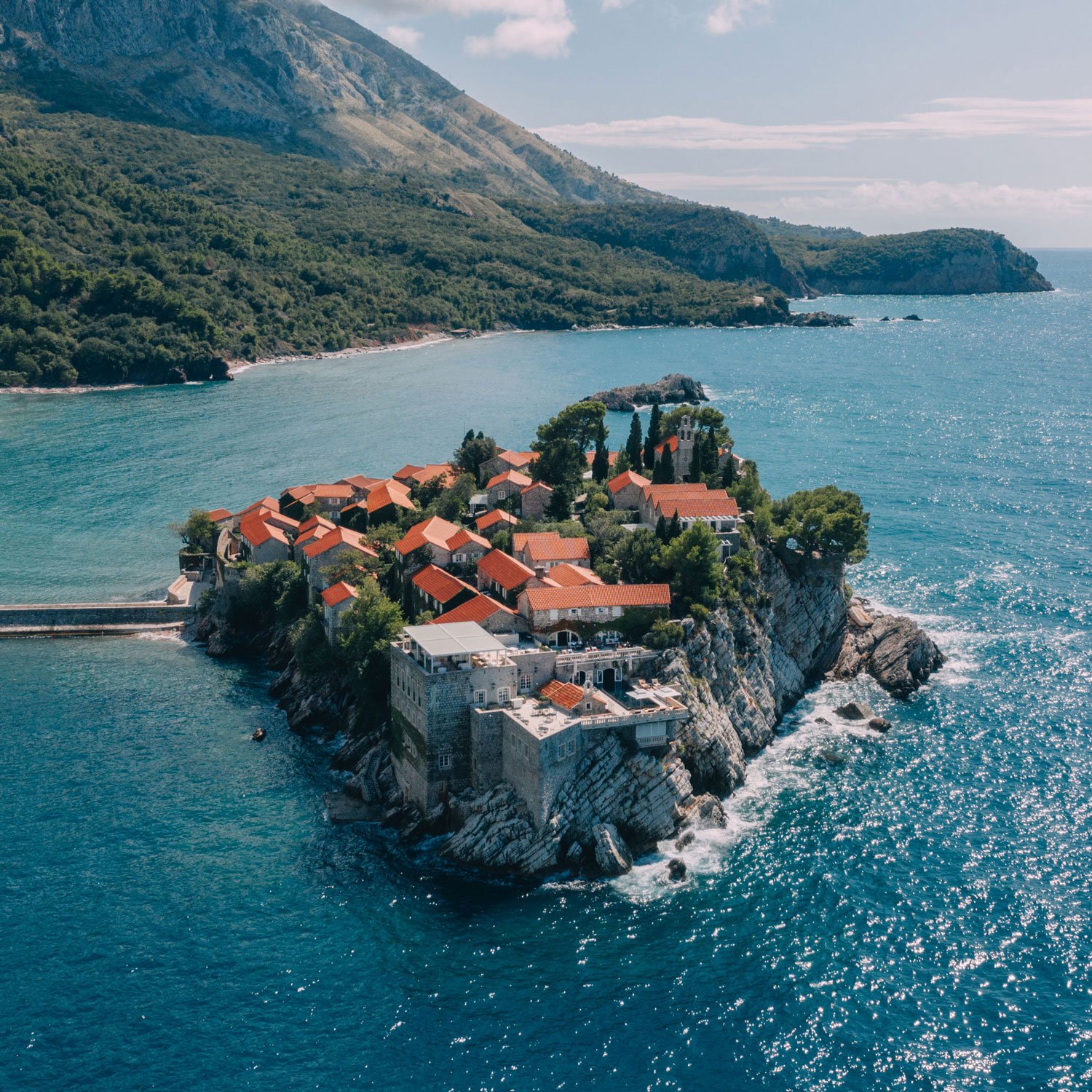
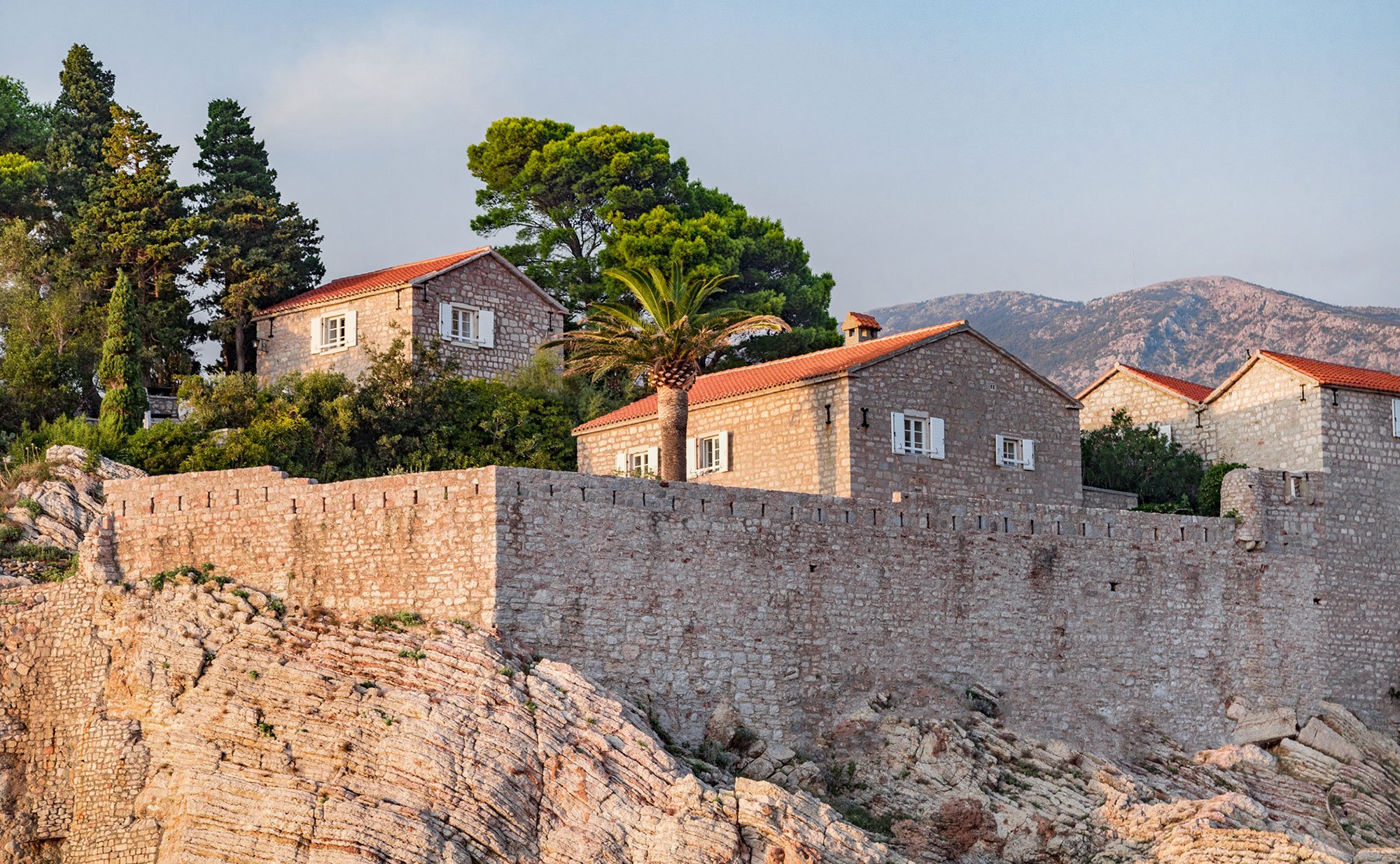
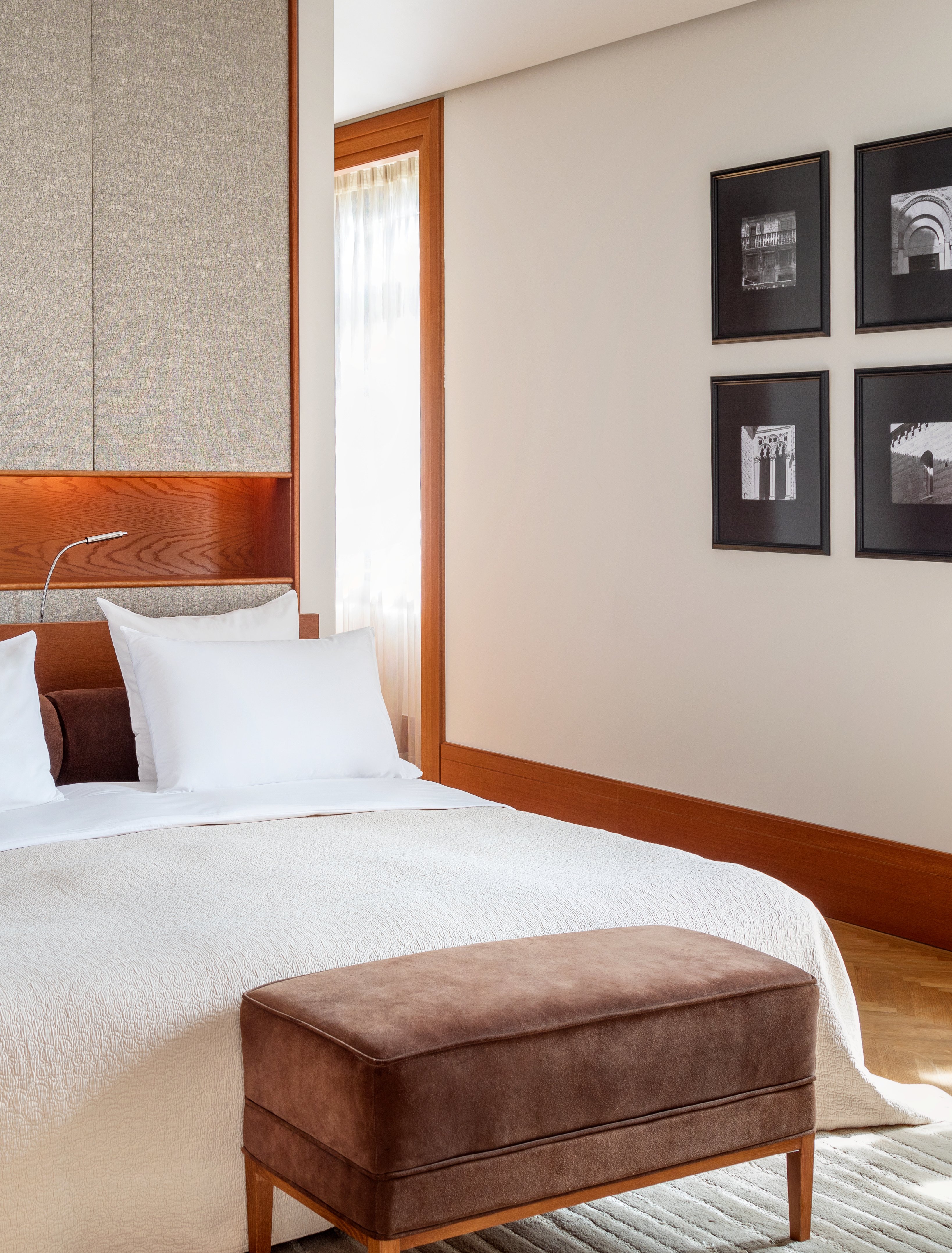
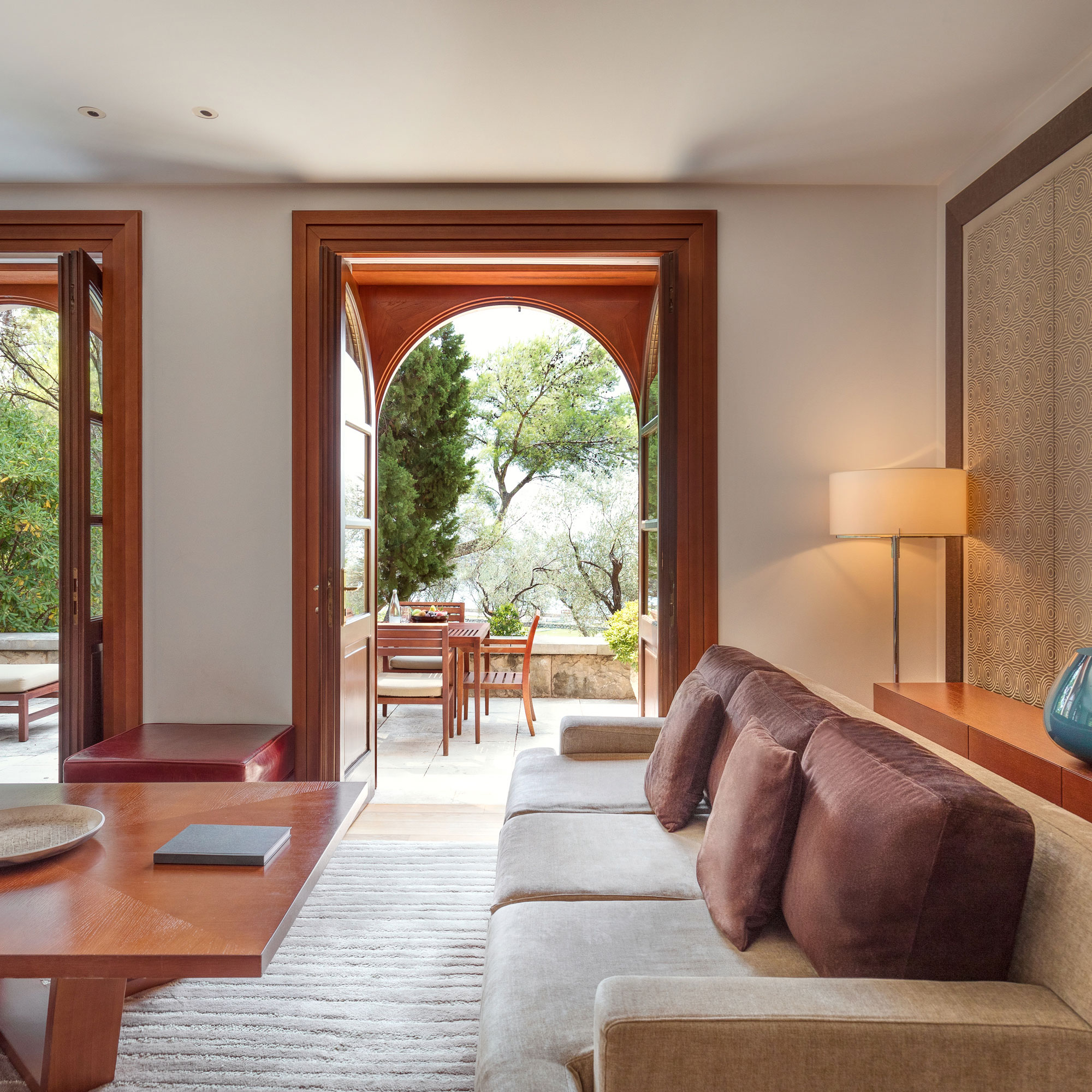
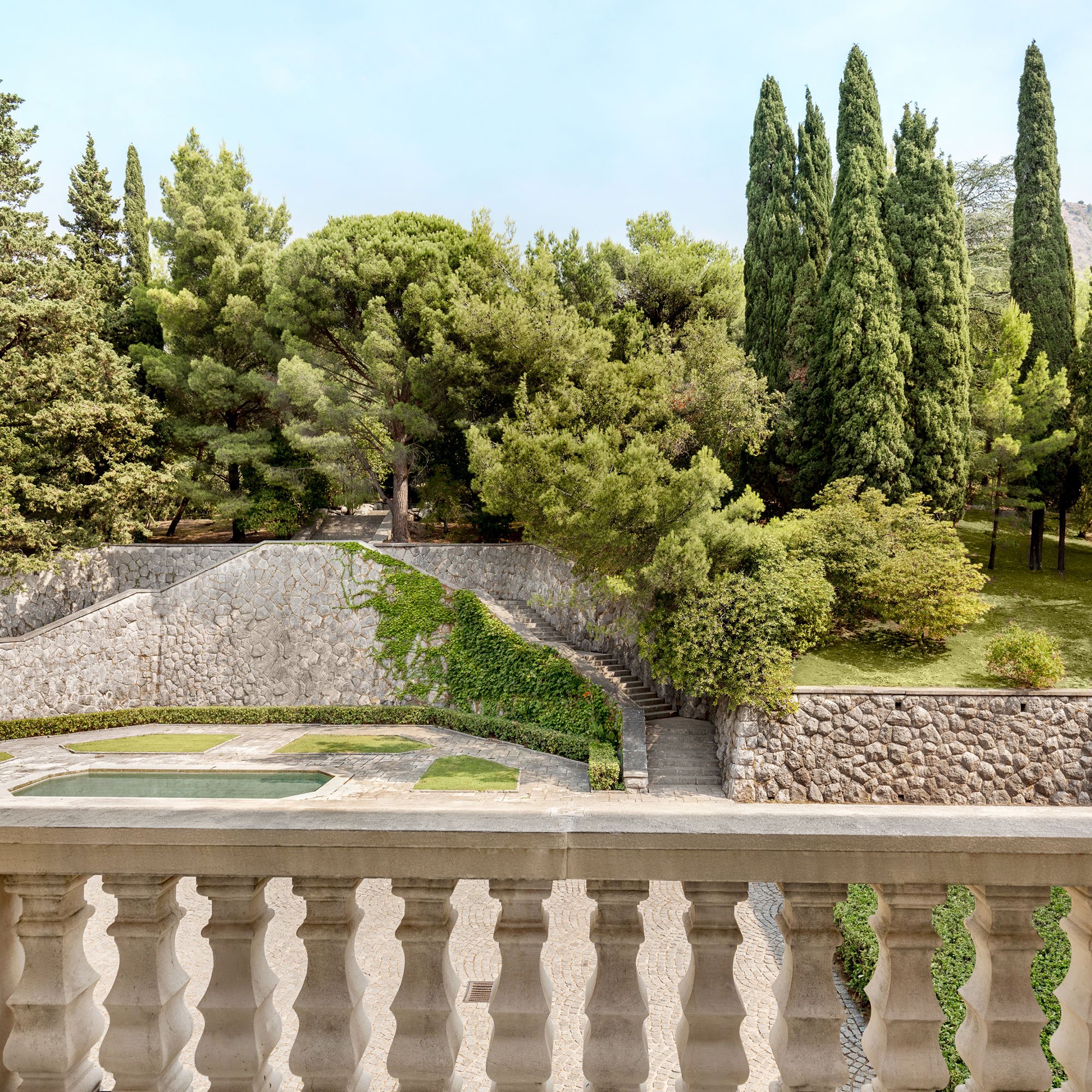
Sveti Stefan is the picture Montenegro puts on its postcards: a walled cluster of terracotta roofs on a rock, tethered to the coast by a causeway you could cross in a minute. For five years it sat closed, caught in a long dispute over the beaches around it. It reopened this summer, the island itself from July, and the fascination is intact. Aman has restored the stone dwellings rather than rebuilt them, so what you sleep in is a village of cottages and suites strung along cobbled lanes and small courtyards, the sea a few steps down at every turn. Across the bay on the mainland stands Villa Miločer, a former royal residence set among cedar, pine and olive, open the year round while the island keeps to the season.
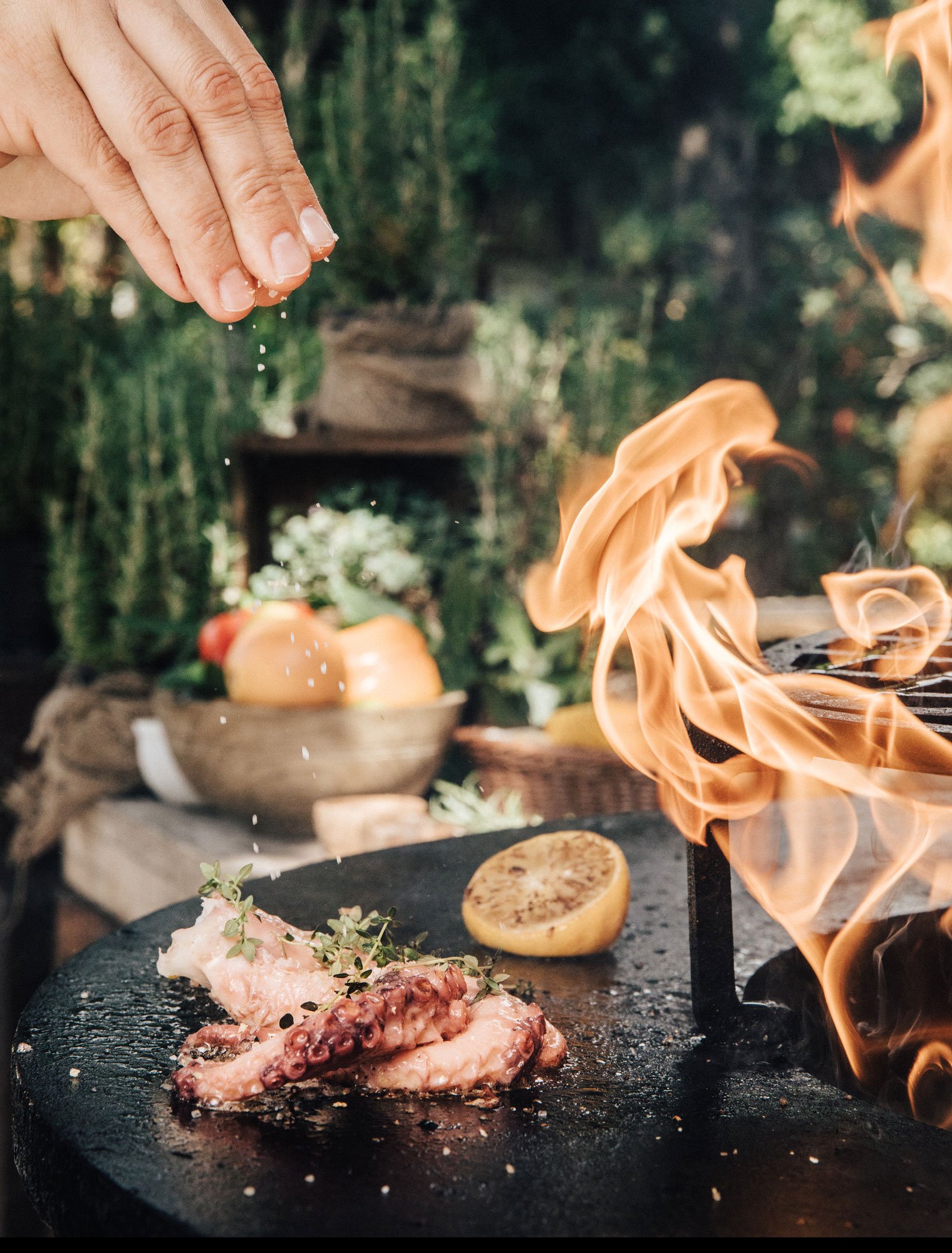
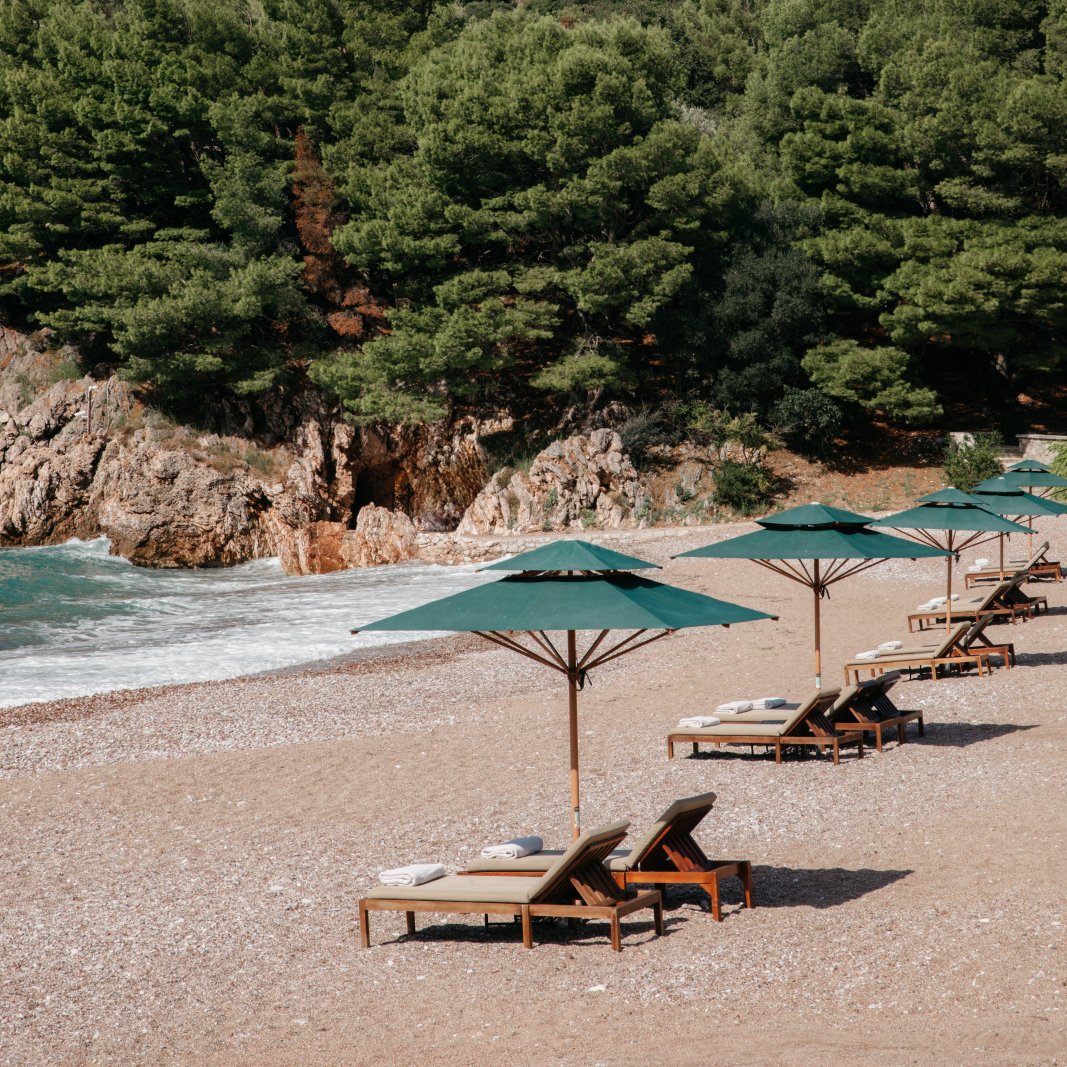
Most of the eating happens on the mainland, on the terrace at Villa Miločer, the pines behind and the water in front. The kitchen reads Adriatic first: fish off the local boats, olive oil from the groves on the hill, vegetables grown for a hot coast. An octopus comes off open coals with little more than lemon and herbs, which is close to the whole idea. Breakfast runs long by the water, on Queen's Beach and King's Beach, sand a royal family once kept for its own summers.
There are grander rooms on the Adriatic and quieter ones, but there is nothing quite like sleeping inside a medieval village that happens to be a hotel. The design stays restrained where it could have turned theatrical, the island is genuinely private, and the setting is close to unrepeatable. Two caveats we will state plainly. The island runs seasonally, so out of summer it is Villa Miločer or nothing. And this is Aman, which is to say the tariff matches the postcard. Take an island cottage in June or September, walk the ramparts before the day boats arrive, and the point makes itself.
One selection at a time, in your inbox. Subscribe →
Fortified island of Sveti Stefan and mainland Villa Miločer, Adriatic coast, Montenegro.
Restored fifteenth-century island village of cottages and suites, plus a mainland royal villa; island seasonal, villa year-round.
Beachfront restaurant terrace at Villa Miločer; Adriatic and Mediterranean cooking.
Budva old town along the coast; the Bay of Kotor within reach.
Free, one to one, on WhatsApp. Tell me your dates and I will point you to the right places.
Plan with me on WhatsApp