Ground Truth
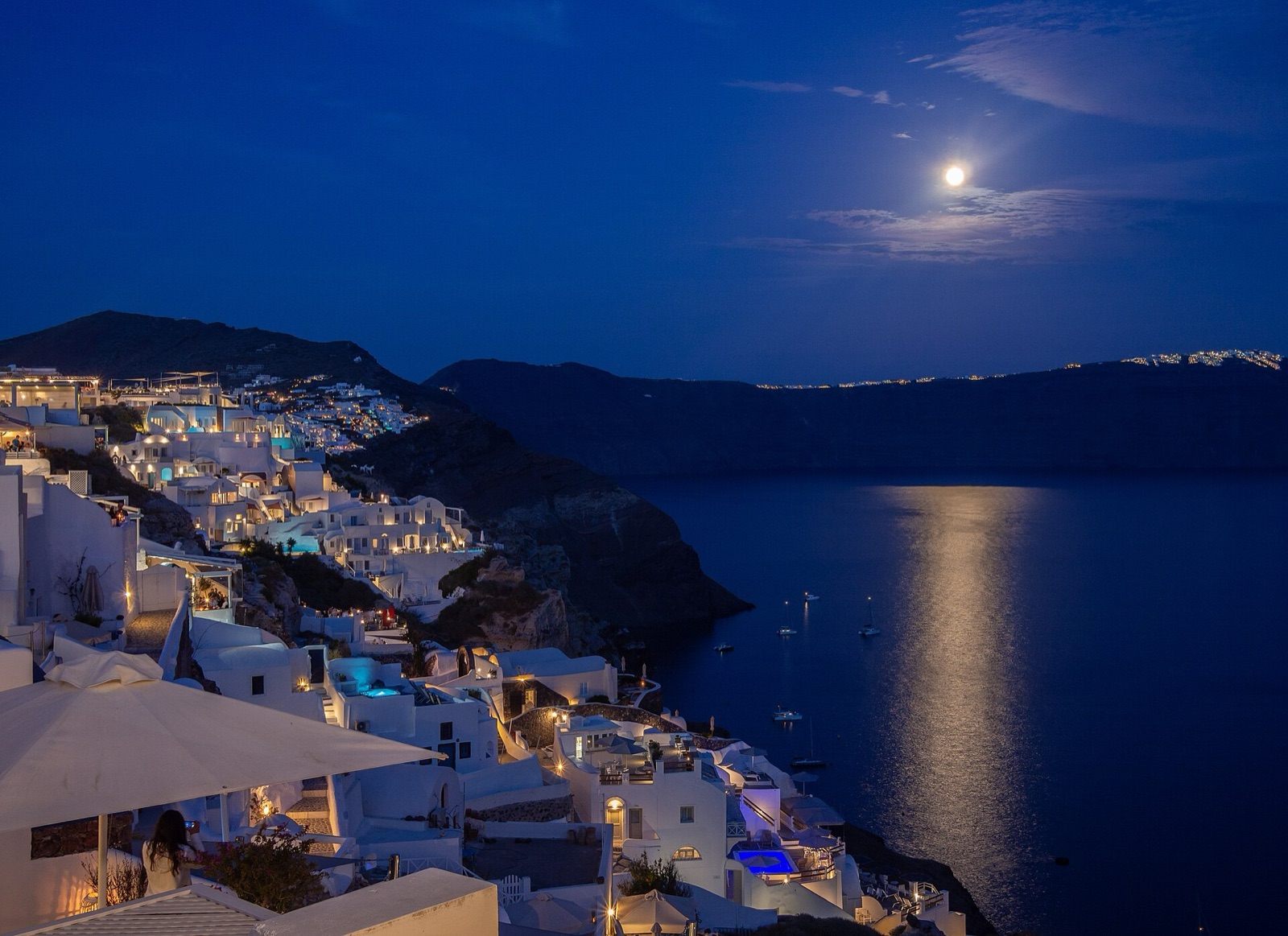
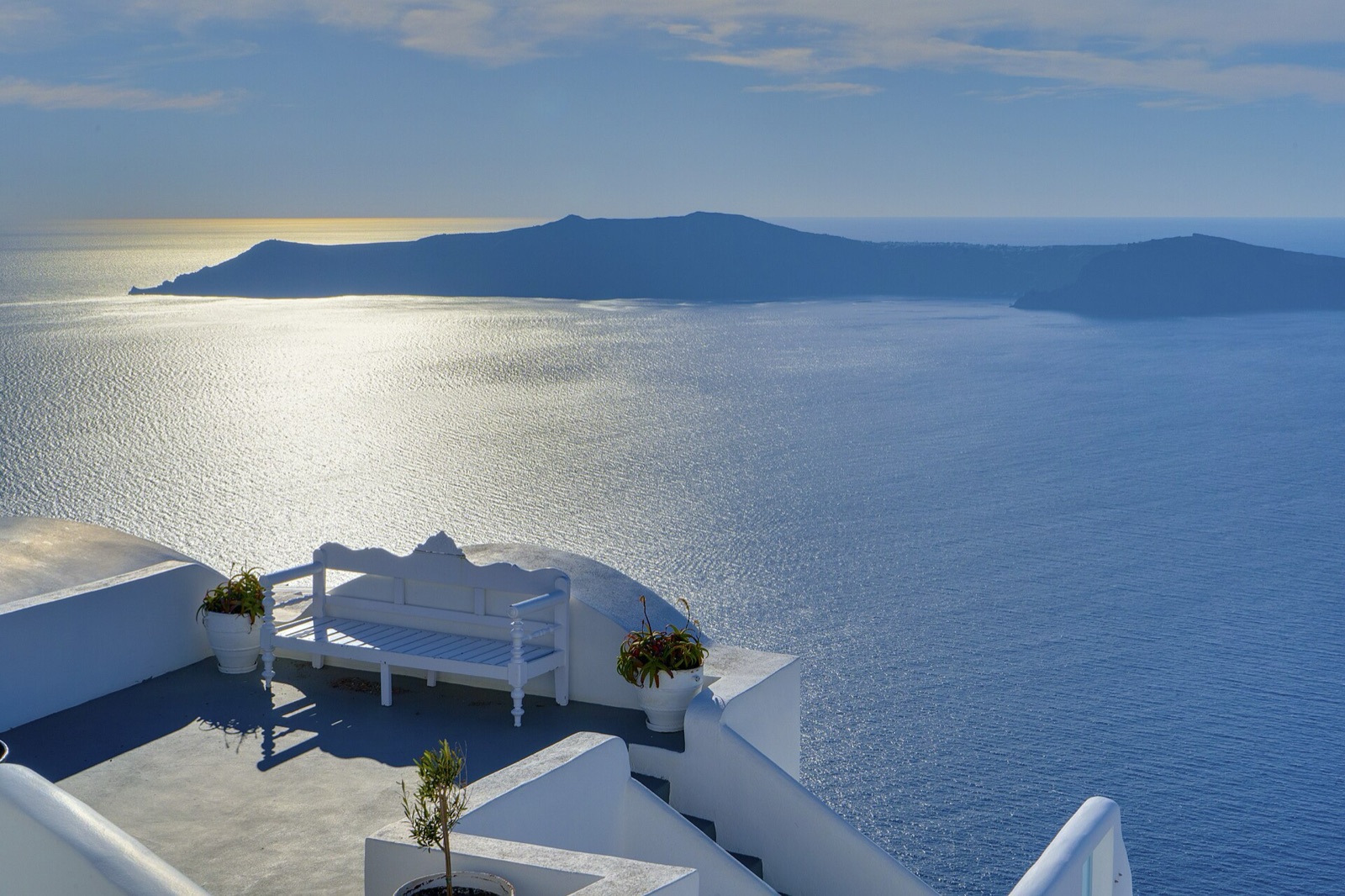
Stand on the rim at Oia, where every camera on the island ends up, and you are looking into a hole in the ground that the sea has filled. The blue water under the white houses is not a bay. It is the inside of a volcano, and the cliff beneath your feet is the broken edge of the crater.
The hole was dug in a single event. Around 1600 BC, in what geologists call the Minoan or Late Bronze Age eruption, the volcano emptied its magma chamber in one of the largest explosions of the last ten thousand years. With the chamber drained, the roof above it had nothing left to stand on and fell in. The Aegean poured into the cavity. The Bronze Age town at Akrotiri, a sophisticated place with drains and painted walls, was buried under metres of pumice and held there, intact, until the diggers reached it.
An island is usually something the sea has worn down. Santorini is the one place the sea moved into the middle and stayed.
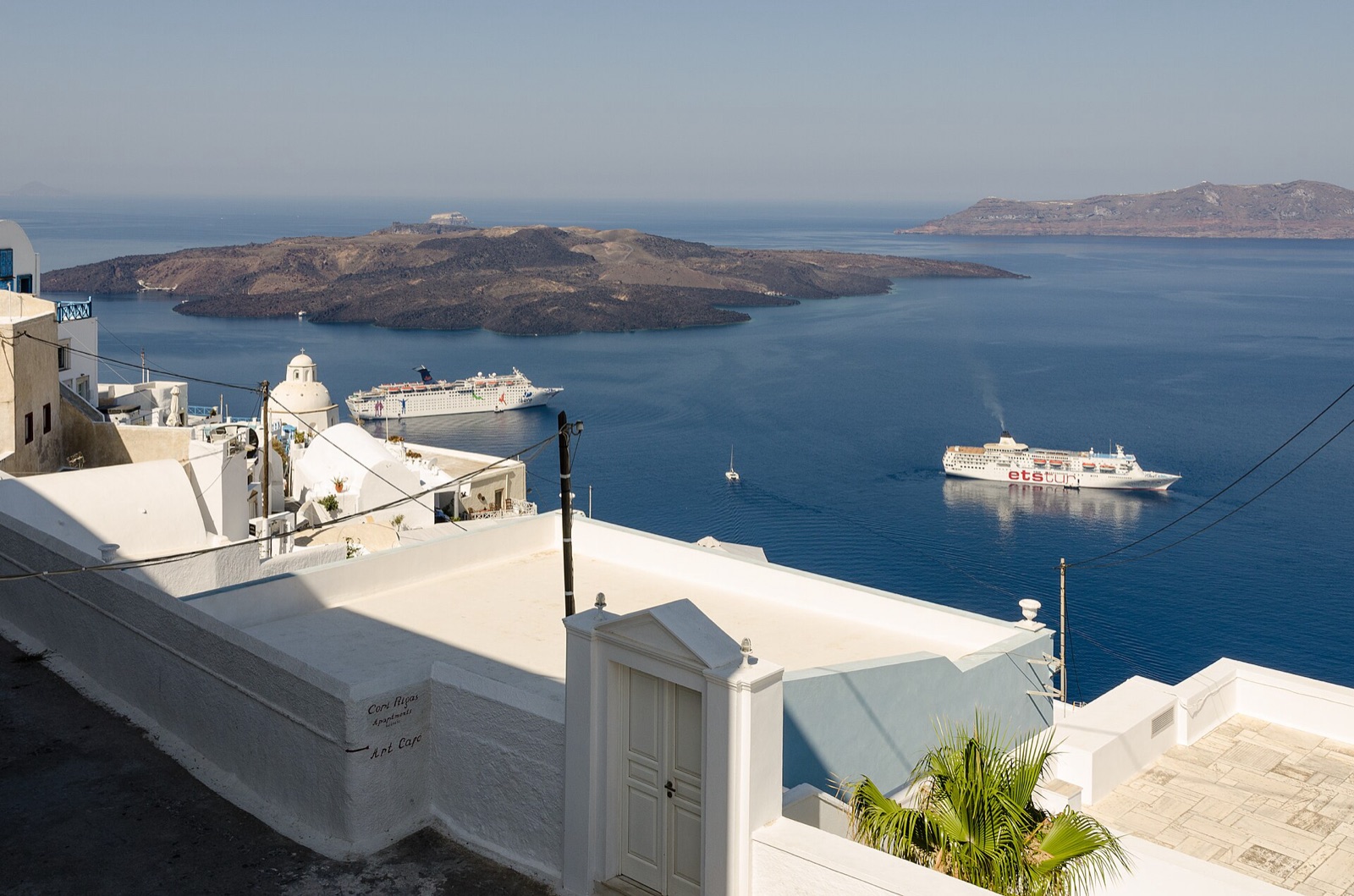
What is left is the rim. The caldera runs roughly twelve kilometres by seven, walled on three sides by cliffs that fall close to three hundred metres straight to the water. Therasia and the scrap of Aspronisi across the gap are pieces of the same ring, torn off when it went. In the centre, Nea Kameni and Palea Kameni are younger cones that have been quietly rebuilding the volcano from the floor up. They last erupted in 1950. The system is only dormant, watched closely, and it still breathes through hot springs and fumaroles on the black rock.
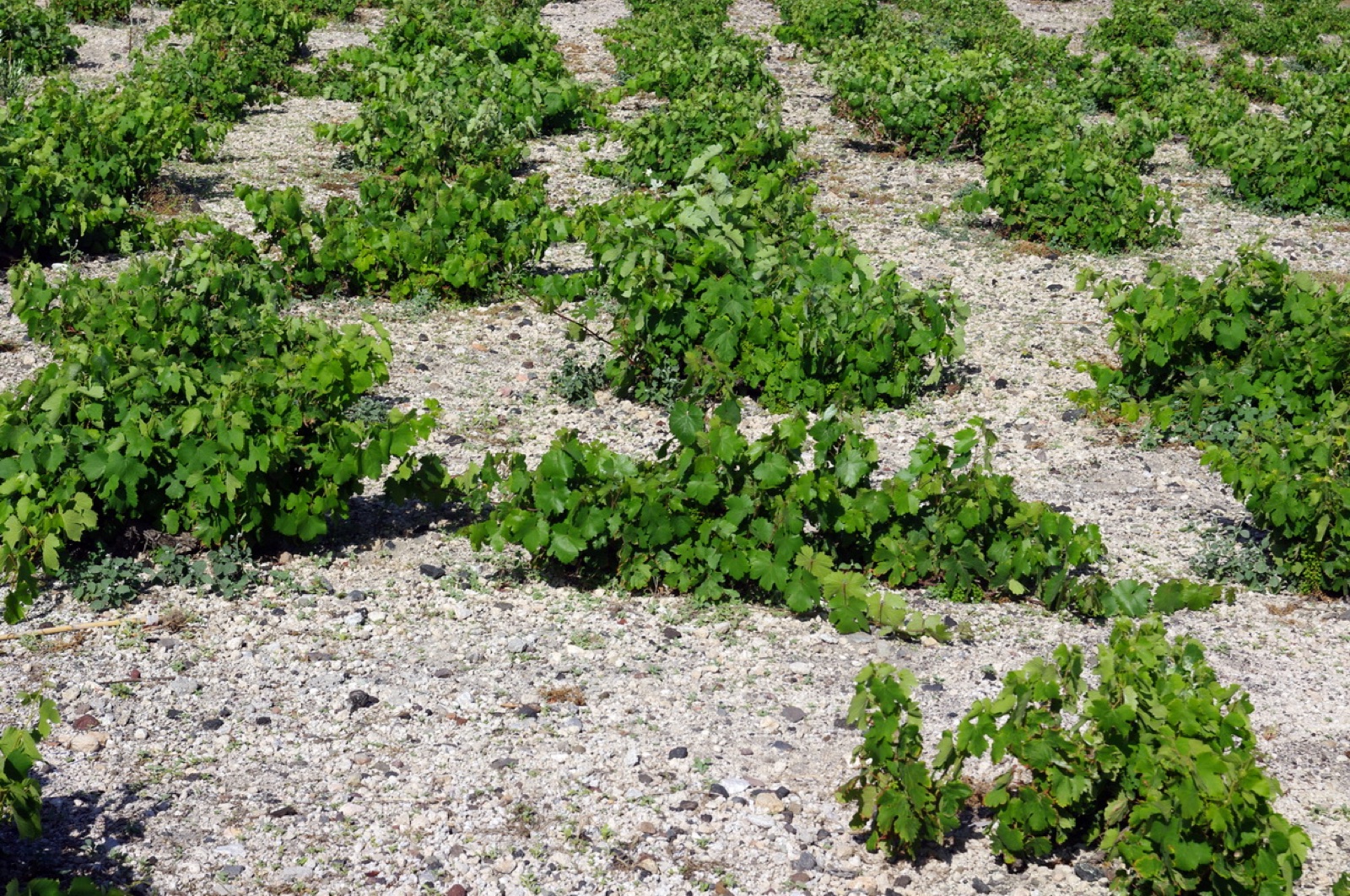
The same eruption laid down the ground. Santorini's vineyards grow in aspa, a loose mix of pumice, ash, basalt and sand with almost no clay and next to nothing living in it. Water drains straight through. Most crops would starve in it. So does phylloxera, the louse that emptied Europe's vineyards in the nineteenth century, which cannot work this porous, sterile stuff, so the island's vines were never grafted onto foreign roots and some have been growing on their own for centuries.
That is why the wine tastes as it does. The Assyrtiko grape is coiled low into a basket, the kouloura, pinned to the ground against a wind that would shred an upright vine and a sun that hands back almost no rain. The basket catches the night damp the sky withholds. What comes out is bone-dry and saline, with a mineral edge you can read straight back to the rock. You are drinking the explosion.
One selection at a time, in your inbox. Subscribe →