Ground Truth
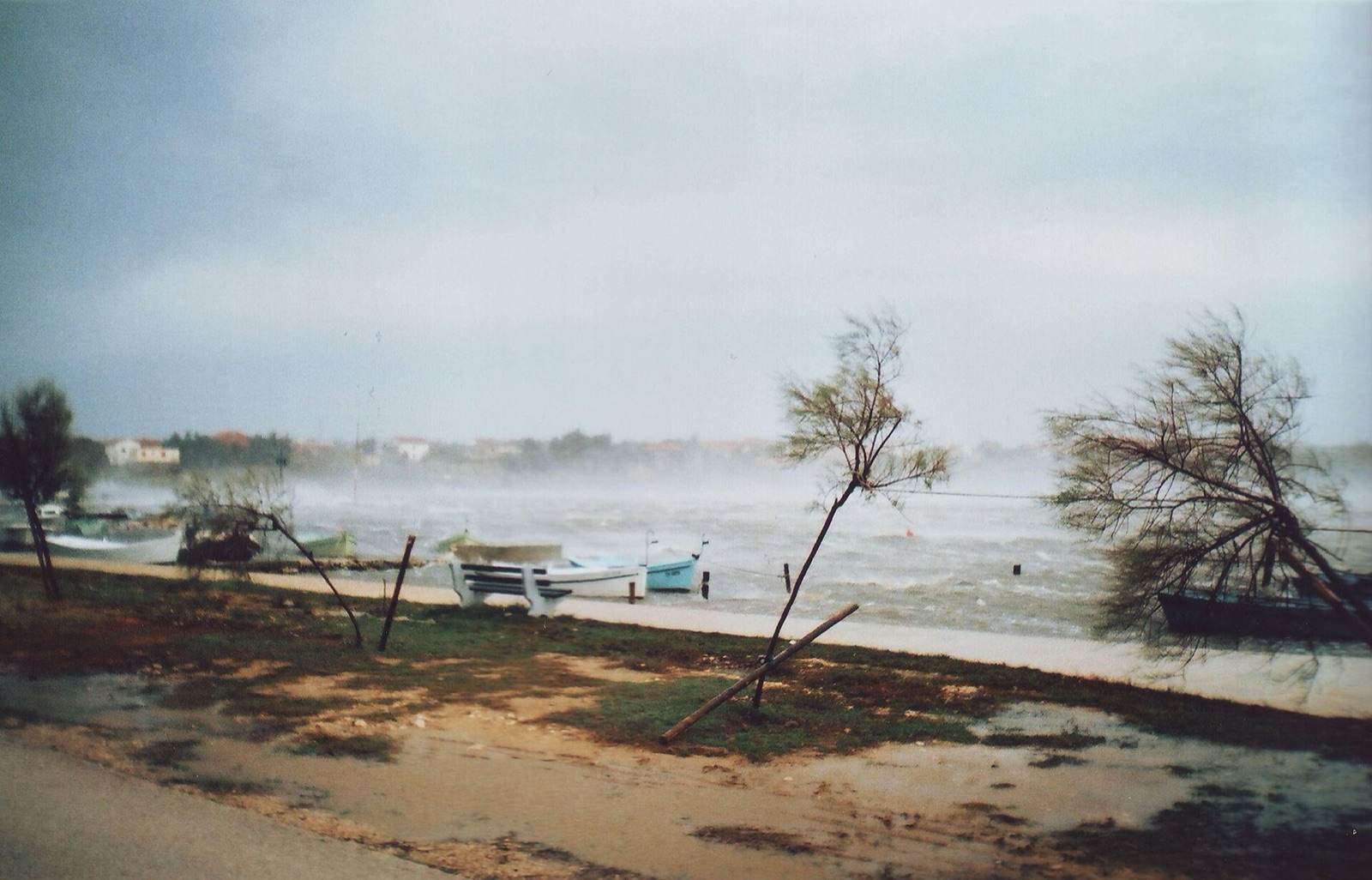
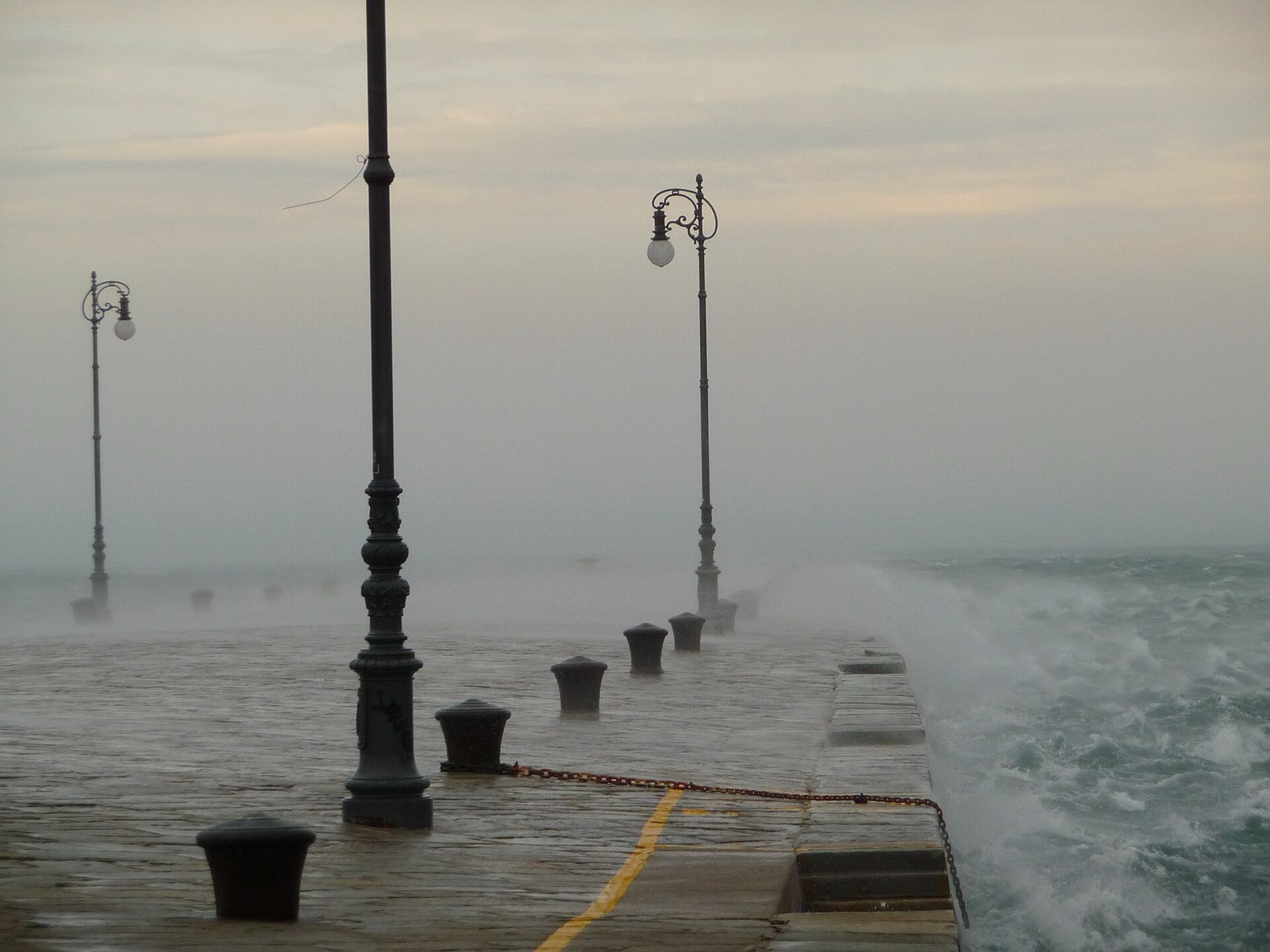
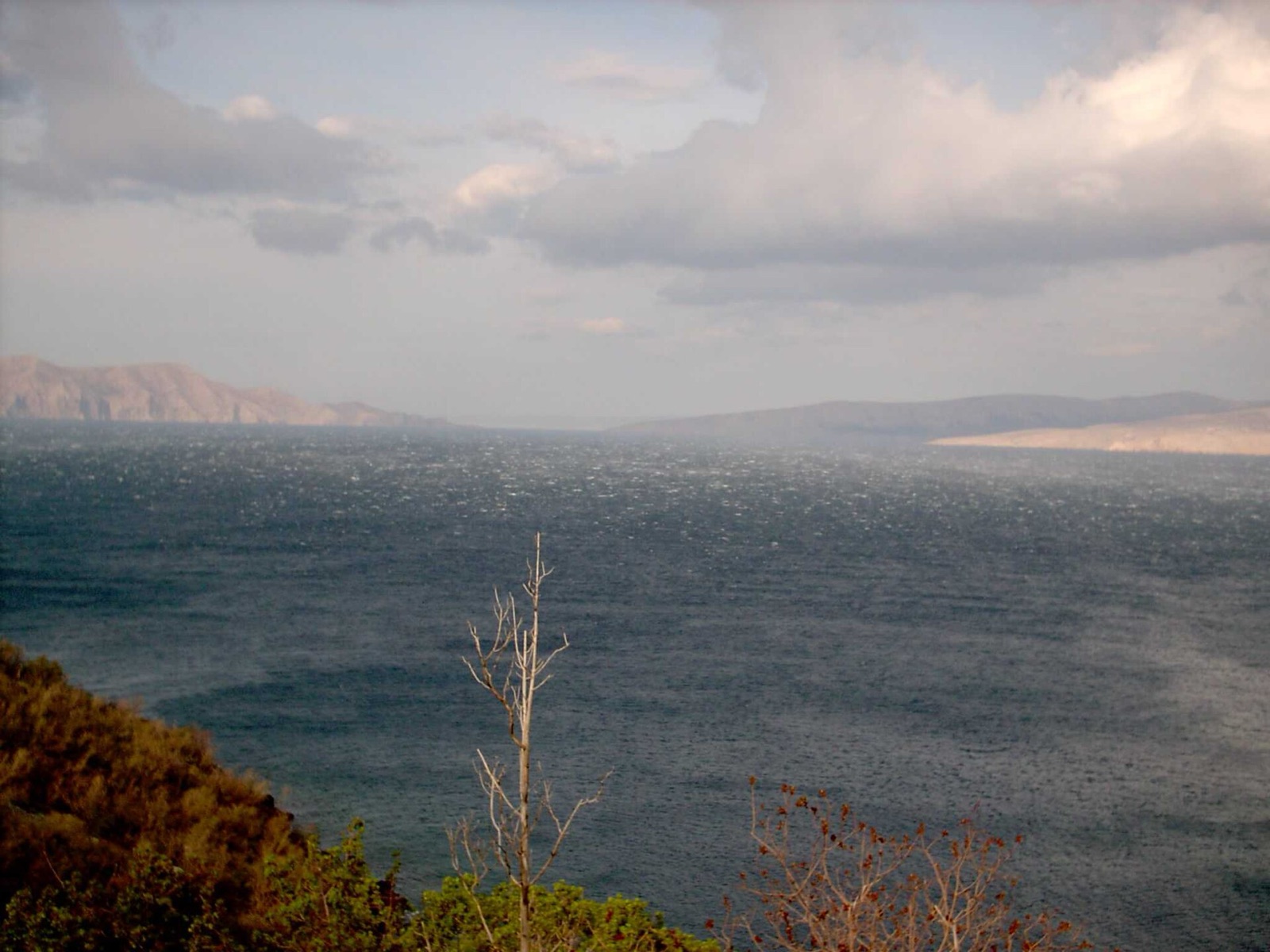
Stand on the quay at Senj on the wrong January morning and you do not so much feel the wind as get argued with. The bora arrives in slams, not gusts you can lean into, and it is dry, cold and thick with salt. We have watched it tear the spray off the wave crests and carry it flat down the waterfront, a low white haze the locals call sea smoke. This is not weather that visits the coast. It is the thing that built it.
The mechanics are simple and unforgiving. Behind the shore the Dinaric mountains hold a high interior plateau, and in winter cold dense air pools there over the snow. When a polar high settles on that cold ground and a low lies over the warmer sea, the heavy air has only one way to go. It finds the low passes above Trieste, Rijeka and Senj, the three mouths the old sailors named, and it falls. The air warms as it drops, but it begins so cold that it still reaches the water cold, and it gathers speed the whole way down.
The bora does not blow across the Adriatic so much as pour into it, a river of cold air tipping off a wall.
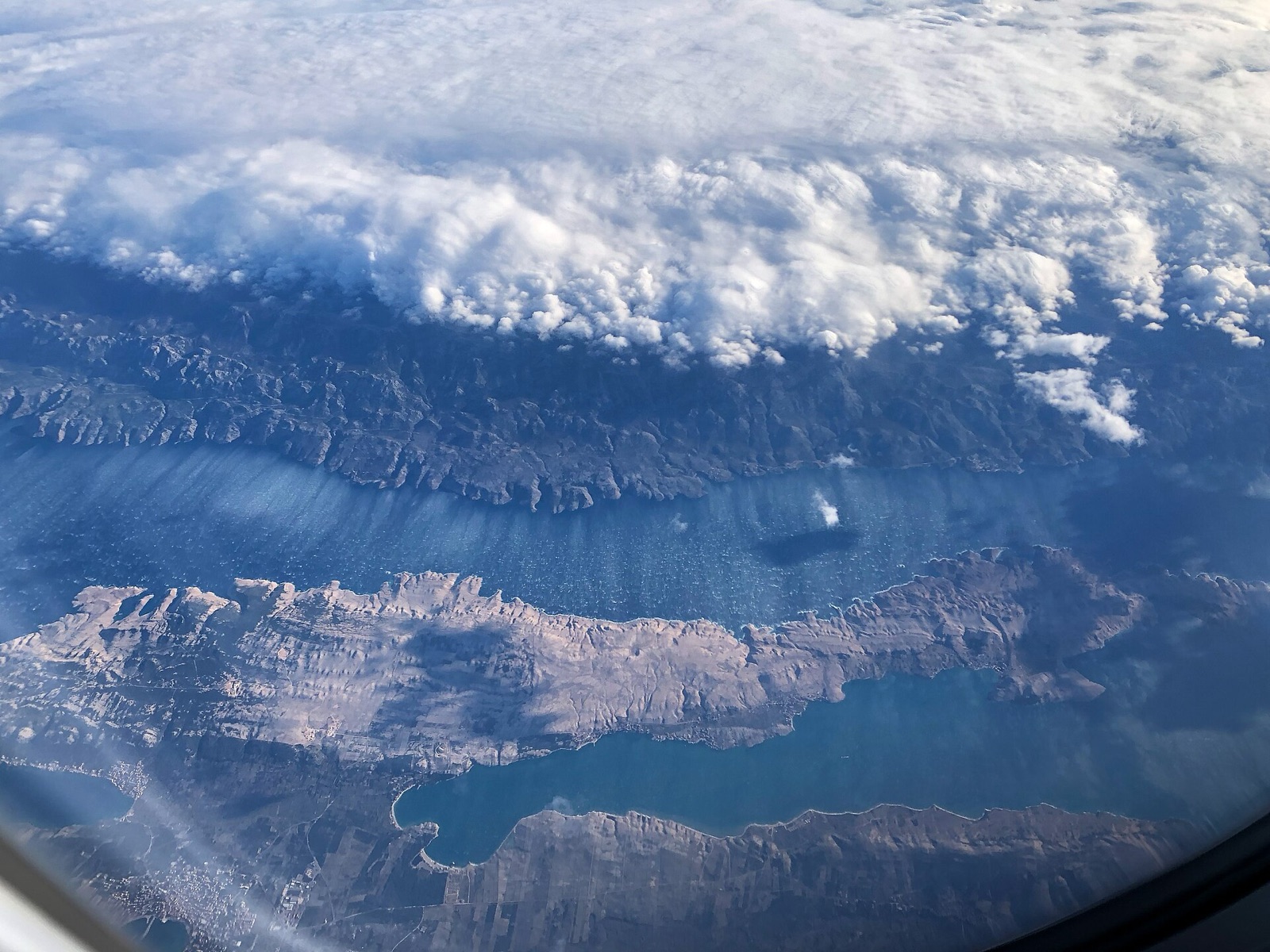
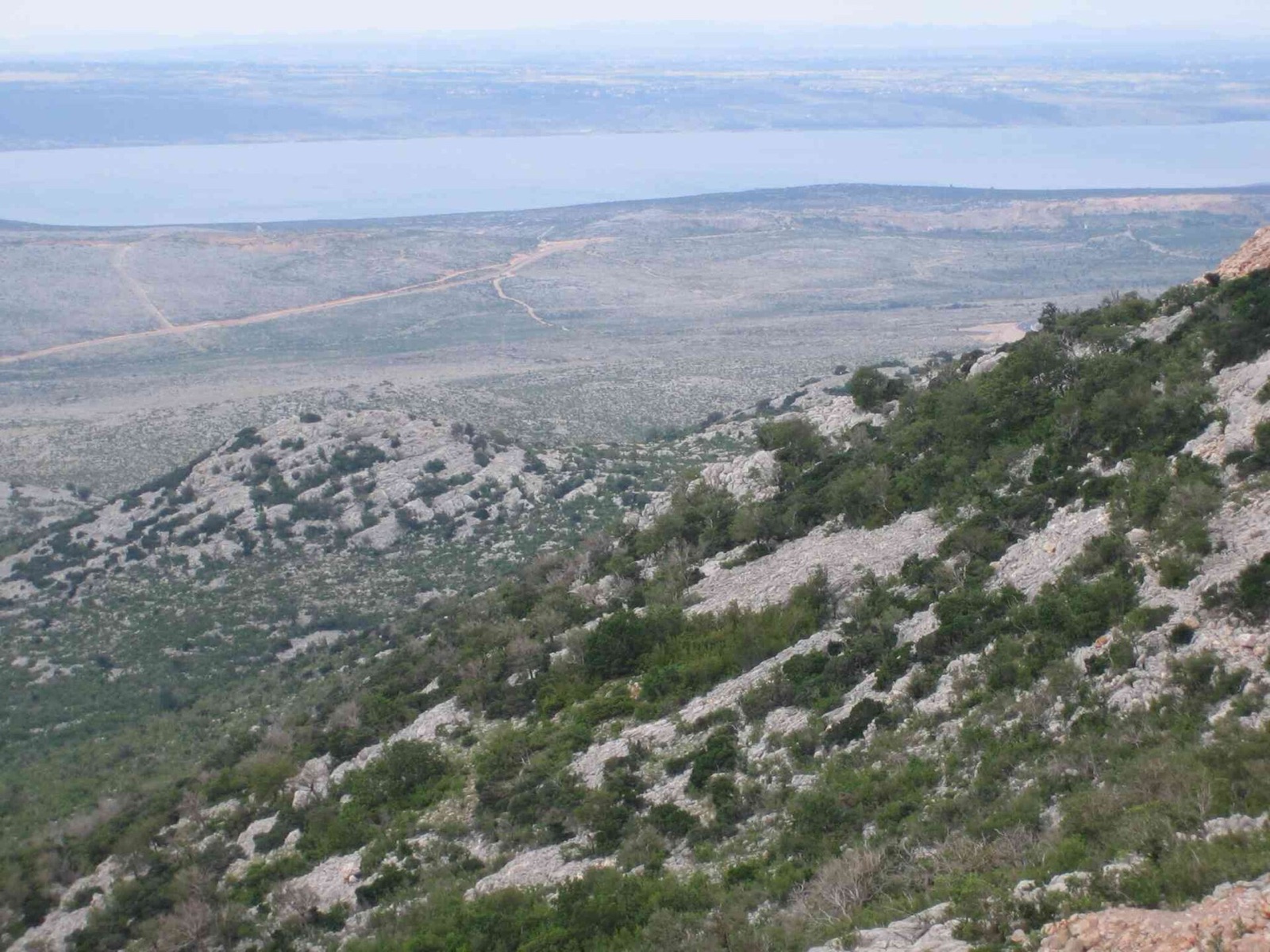
The Velebit ridge, a hundred and forty-five kilometres of bare limestone, is where it turns violent. Near Senj and the Sveti Rok tunnel the gusts have been clocked at 220 kilometres an hour, and one December night the anemometer on the Maslenica bridge read 248, a figure that still stands. They closed the Krk bridge, banned the high-sided lorries, and in the end bolted wind shields onto the motorway. Look at Pag, the island lying off that coast, and you read the result plainly enough: limestone scoured pale and the few trees combed permanently inland.
There is a gentler register too. A clear, high-pressure bora, the bora chiara, brings the cleanest light on the Adriatic, hard blue skies and mileage of visibility, the days photographers wait for. Its darker sibling, the bora scura, drags cloud over the ridge with rain or snow behind it. Both leave their mark on the table. The salt the wind carries is why the cheese of Pag has its edge, and why the hams of the hinterland are cured hanging in it. You are, in a fairly literal sense, eating the wind.
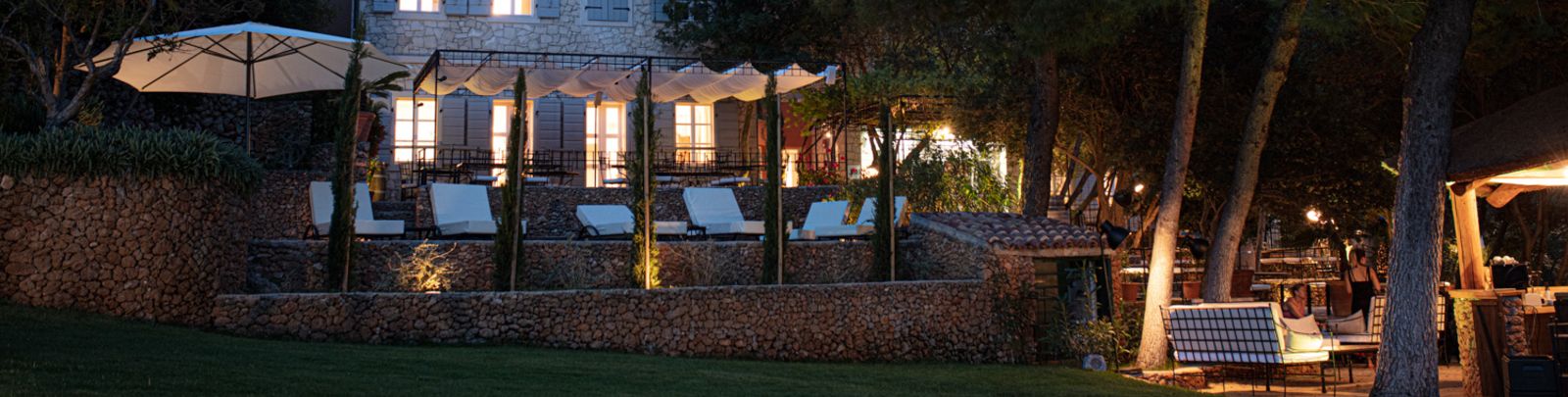
So when a hotel on this coast turns its back to the north-east, sets its terrace behind a wall, and tells you the best light comes after the blow, it is not being quaint. It is reading the bora, the way everything here has learned to. Go when it clears. The coast is never sharper than the morning after.
One selection at a time, in your inbox. Subscribe →