Ground Truth
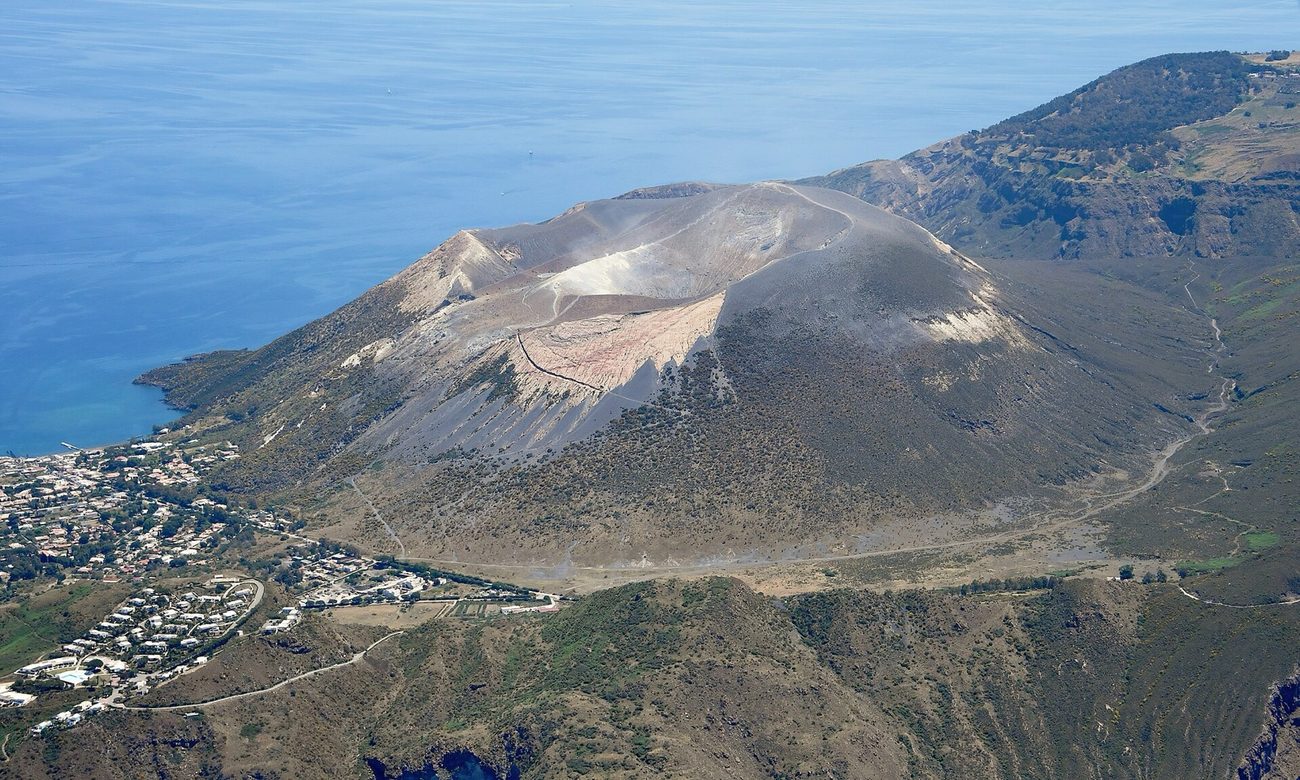
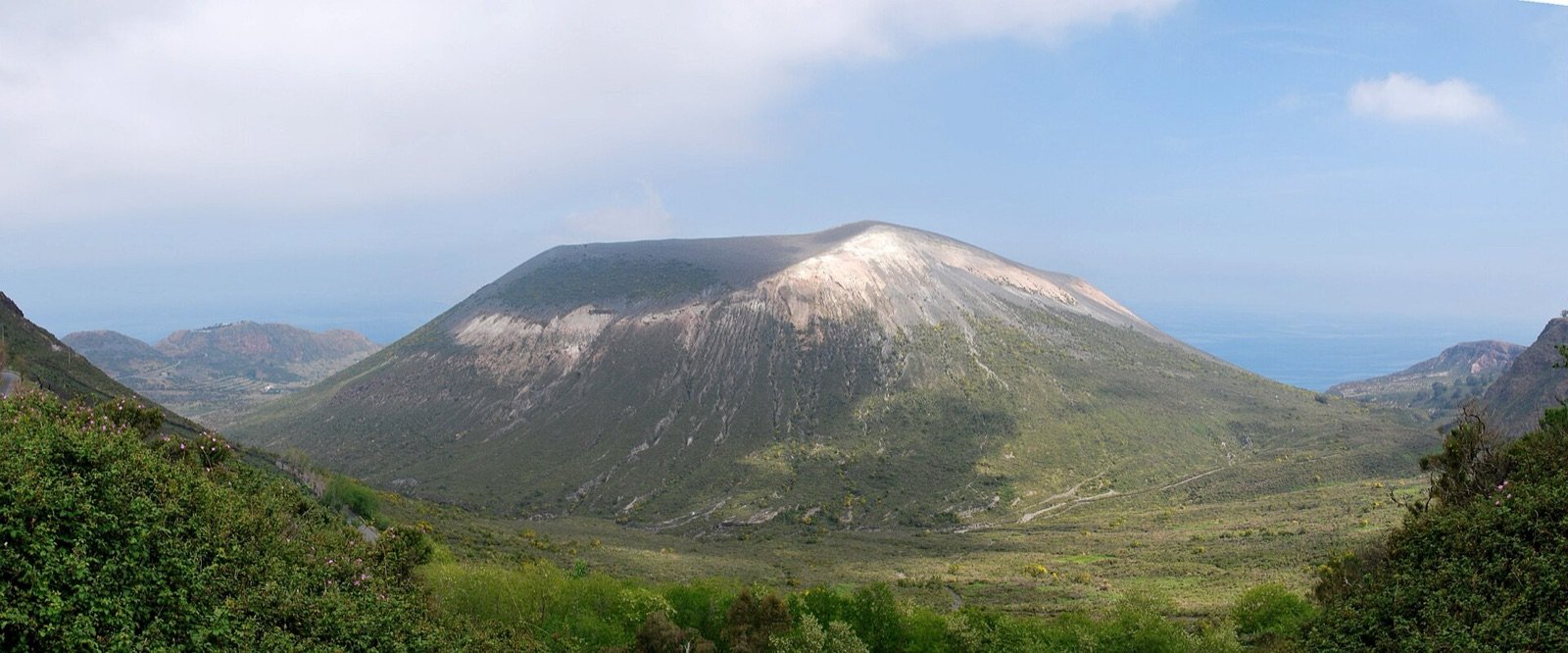
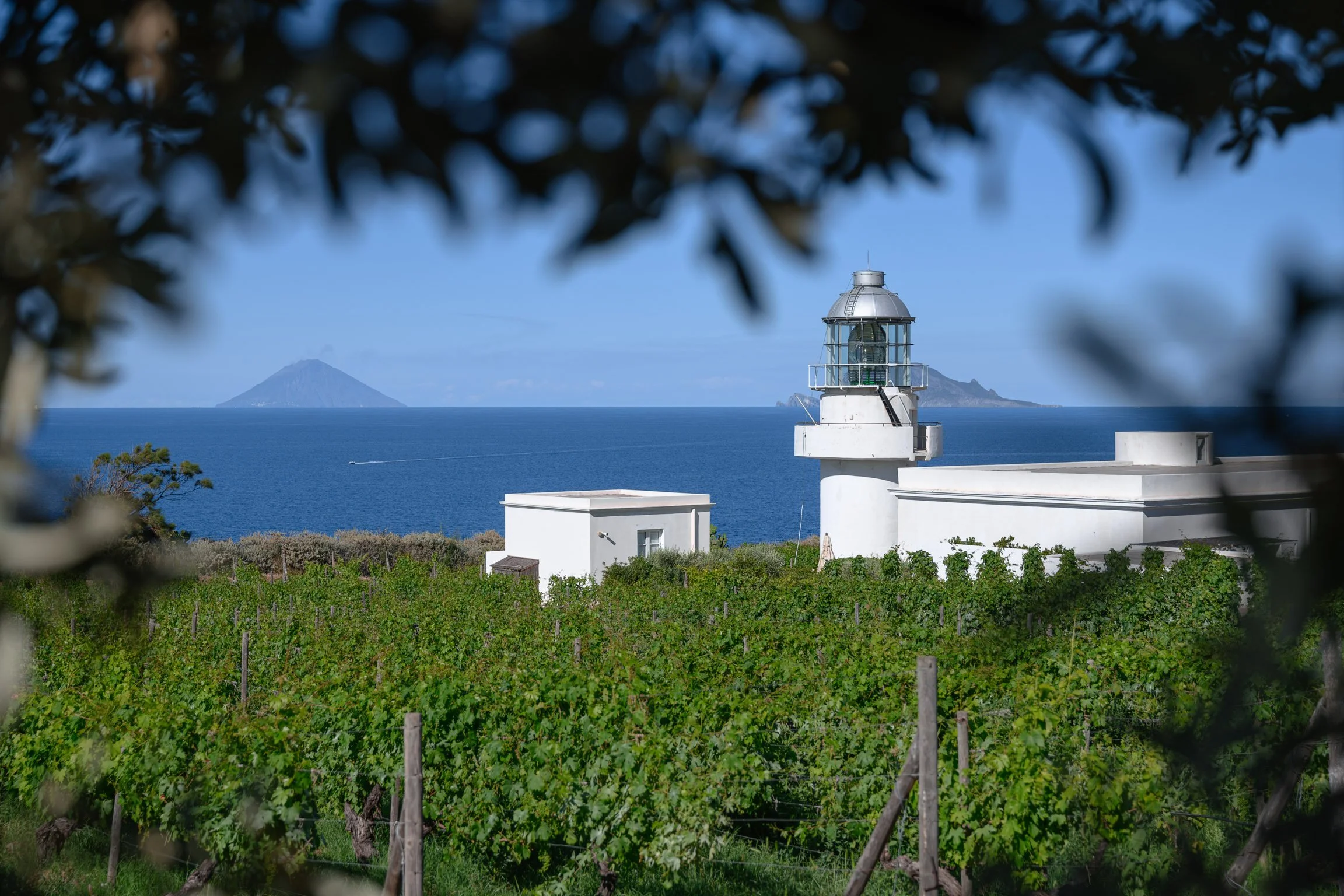
You smell it before you land. The hydrofoil from Milazzo swings in past Lipari, the strait narrows to a few hundred metres, and the air turns to struck matches and warm metal. That is Vulcano, the southernmost inhabited island of the Aeolians, roughly twenty kilometres north of the Sicilian coast. It rises to just 501 metres, and the whole place feels less like scenery than like machinery left running.
The Romans knew exactly what they were looking at, or thought they did. They decided the island sat directly above the forge of Vulcan, the lame blacksmith of the gods, and that the smoke and the sudden roars were the sound of him hammering out thunderbolts for Jupiter. The name stuck harder than any myth has a right to. Every volcano on Earth, from Iceland to the Andes, carries the name of this one hot little Sicilian rock.
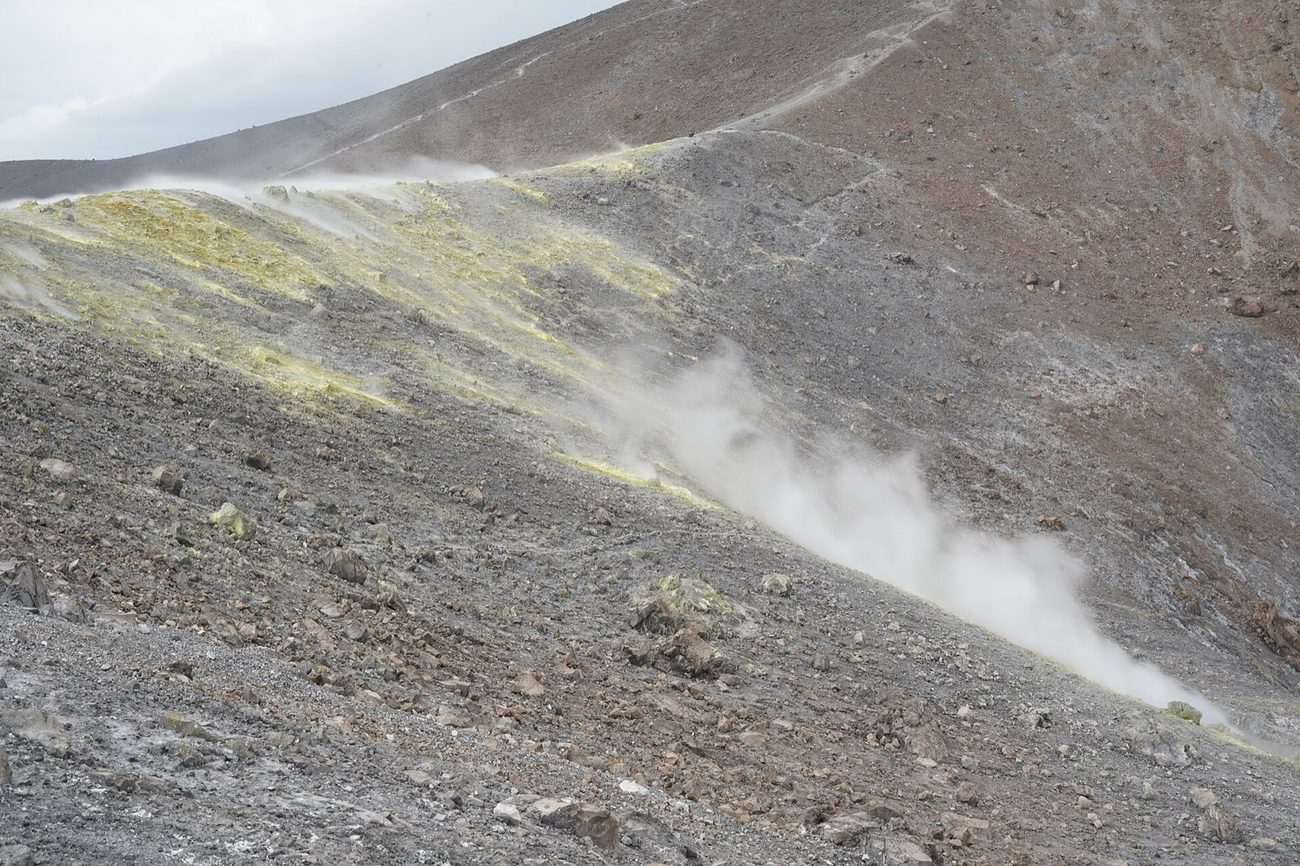
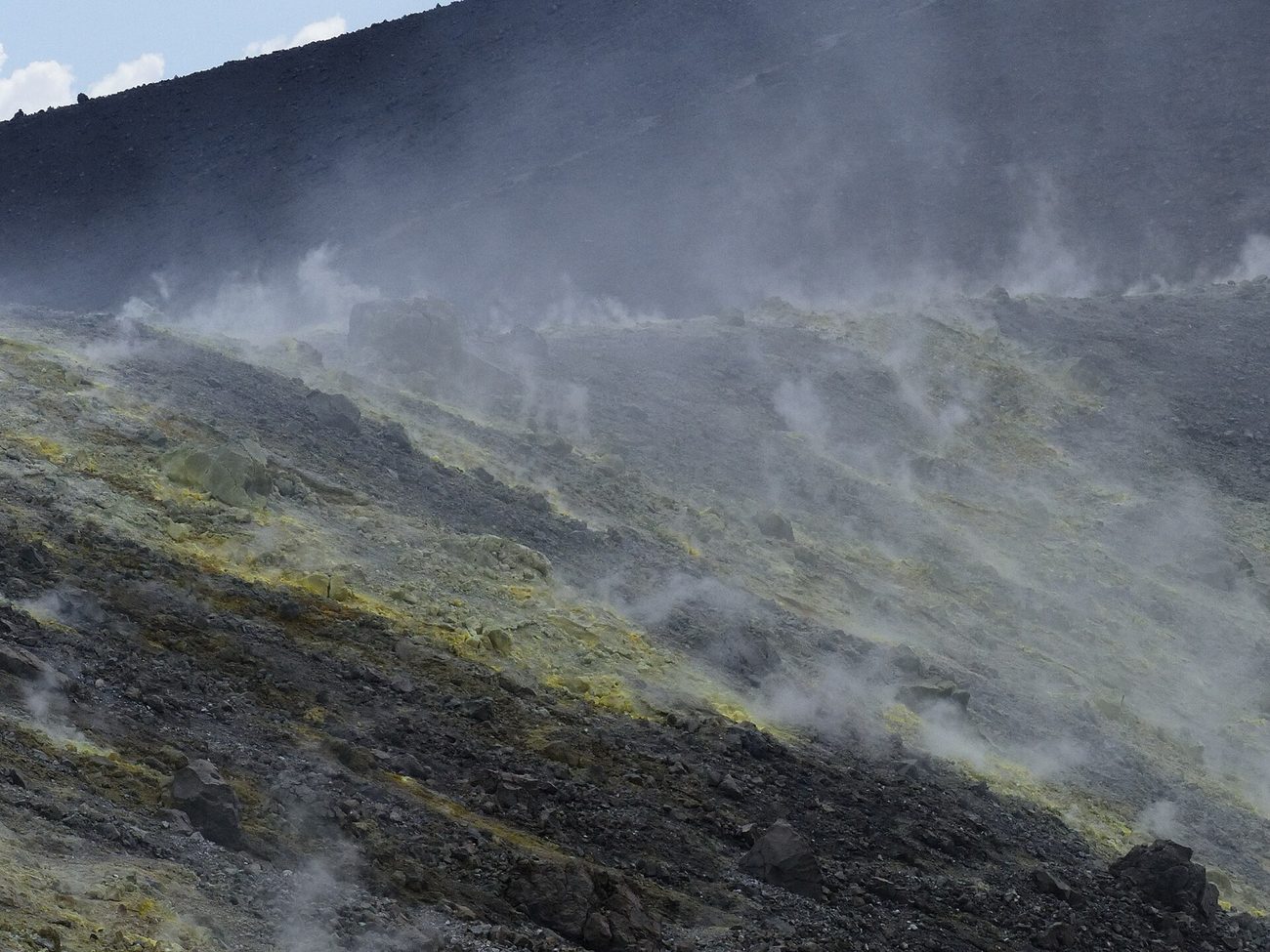
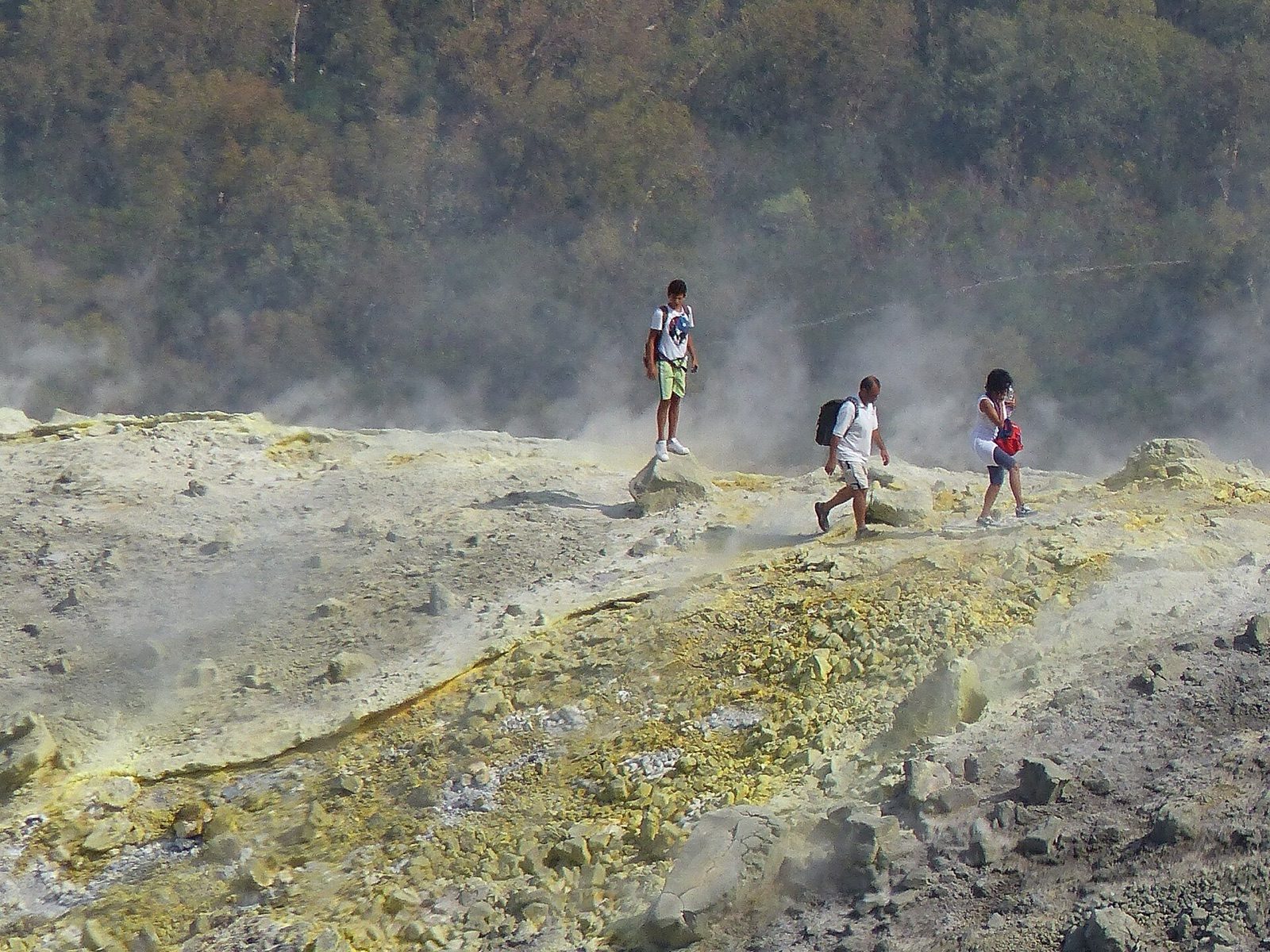
Walk up the Fossa cone and the ground tells you why. The summit, the Gran Cratere, breathes. Fumaroles hiss from fissures in the rim, laying down bright yellow crusts of sulphur, and the gases that rise through them can top 500 degrees. You feel the heat come up through your boots. Down at the isthmus there is a pool of grey mud that bathers still lower themselves into, warm from the same source, though the authorities turn skittish about it from one year to the next.
The island did not just lend its name to the word. It lent its temper to the textbook.
Because Vulcano gave us more than a noun. Its last eruption, which ran from August 1888 to March 1890, was watched closely by the Italian scientist Giuseppe Mercalli, who described short, violent explosions throwing out ash and heavy blocks at irregular intervals, like cannon fire. That pattern now has a name taken straight from the island. When geologists anywhere speak of a Vulcanian eruption, they are quoting this crater, whether they know it or not.
None of this is history safely behind glass. In the autumn of 2021 the carbon dioxide and other gases seeping up through the harbour district climbed so sharply that an alert was raised and around 150 residents were moved out of the port area for their own safety. The forge, in other words, is banked but not cold. That is the real ground truth of Vulcano. The word we use for the most destructive thing a planet can do was borrowed, casually, from an island you can walk across in an afternoon, and the island has never once agreed to go quiet.