For the place
Capofaro
Salina · Aeolian Islands
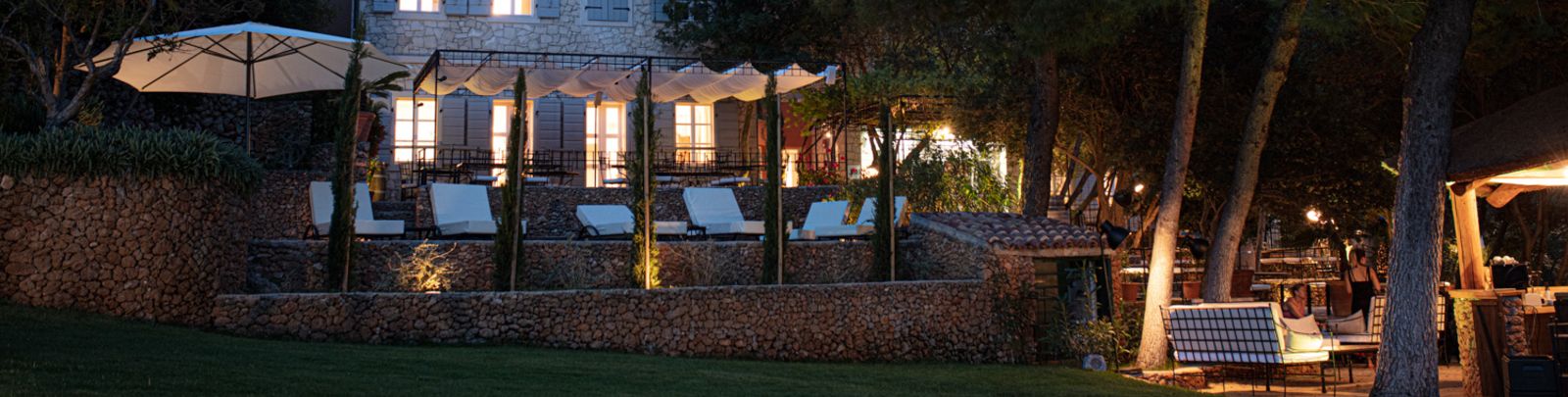
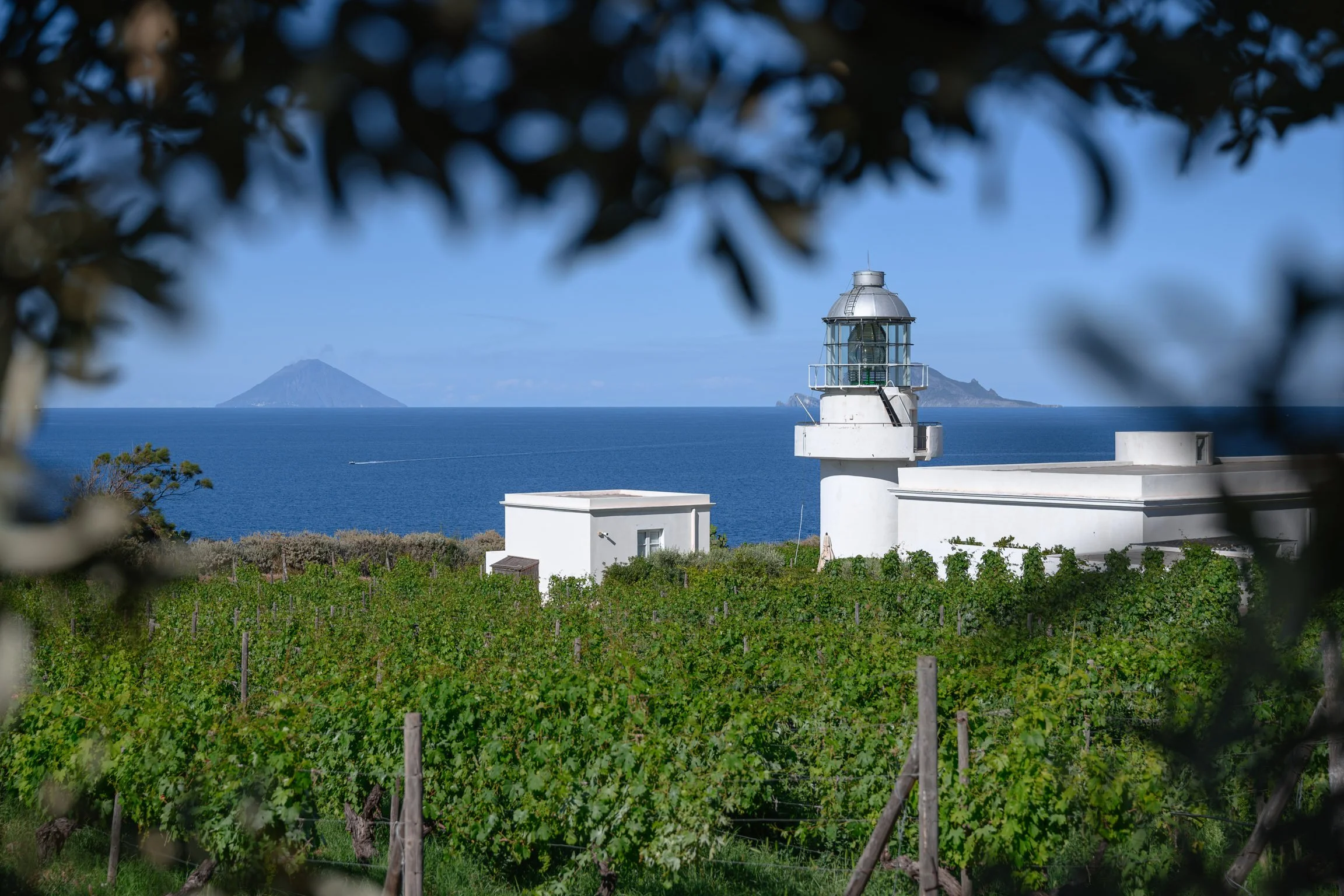
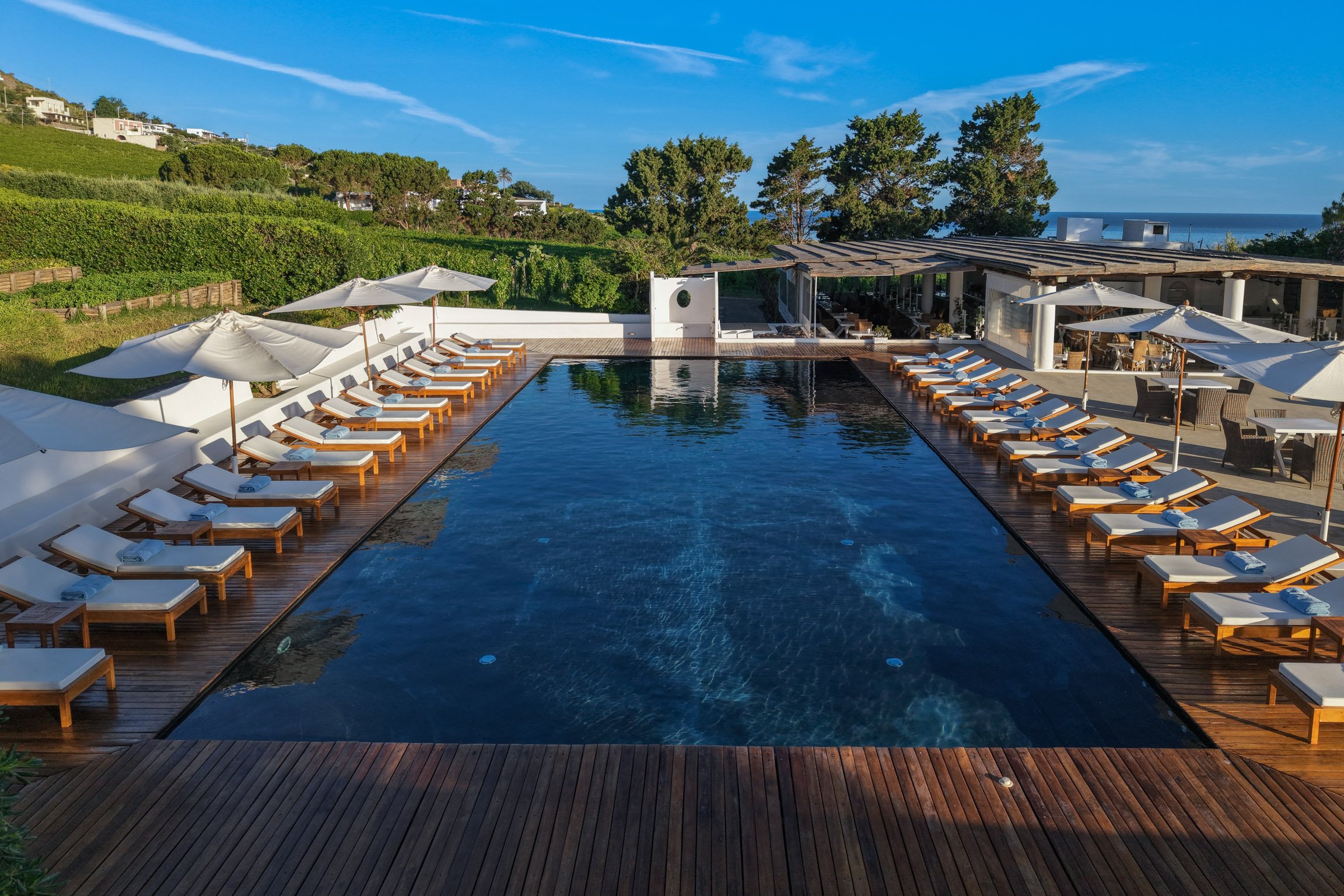
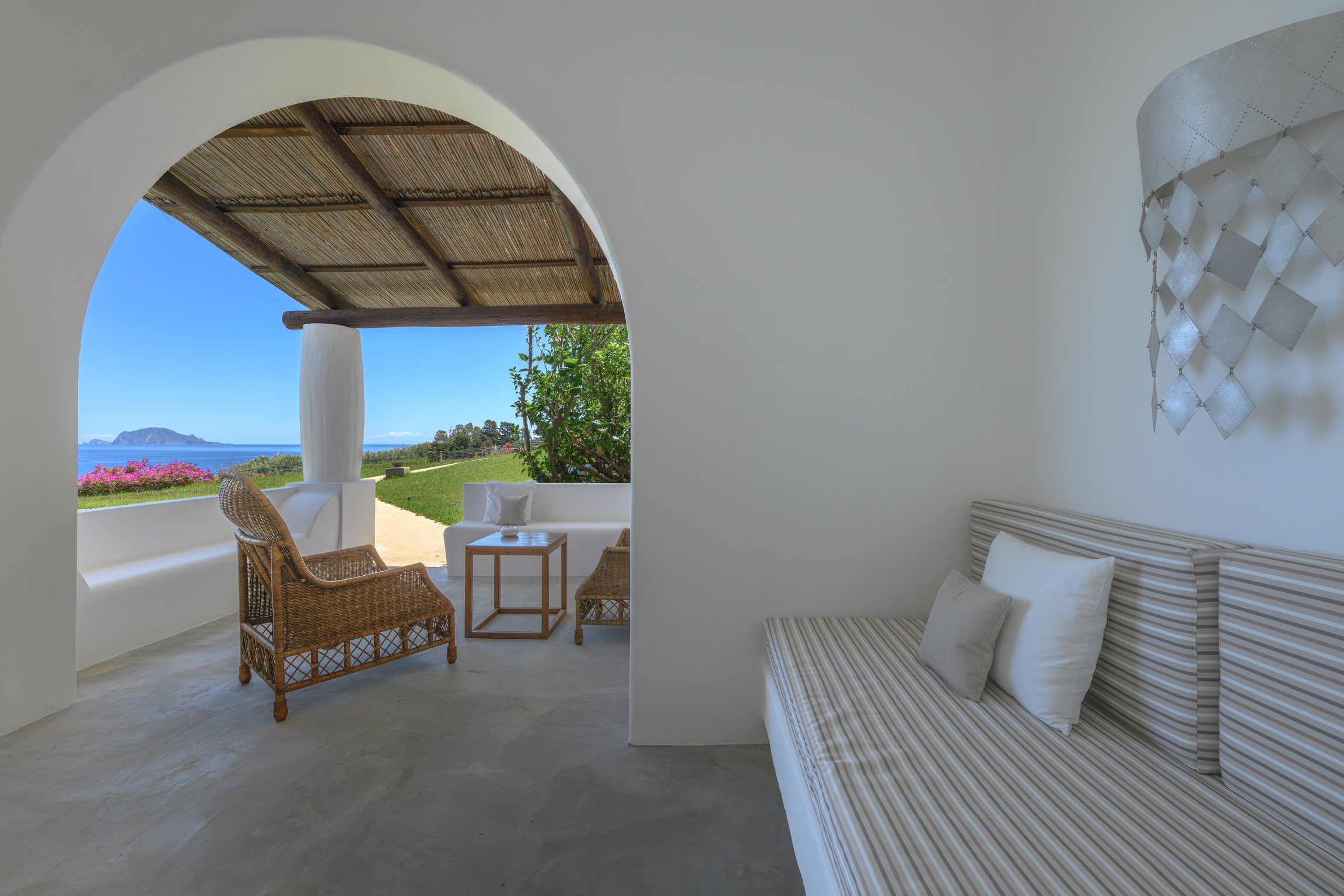
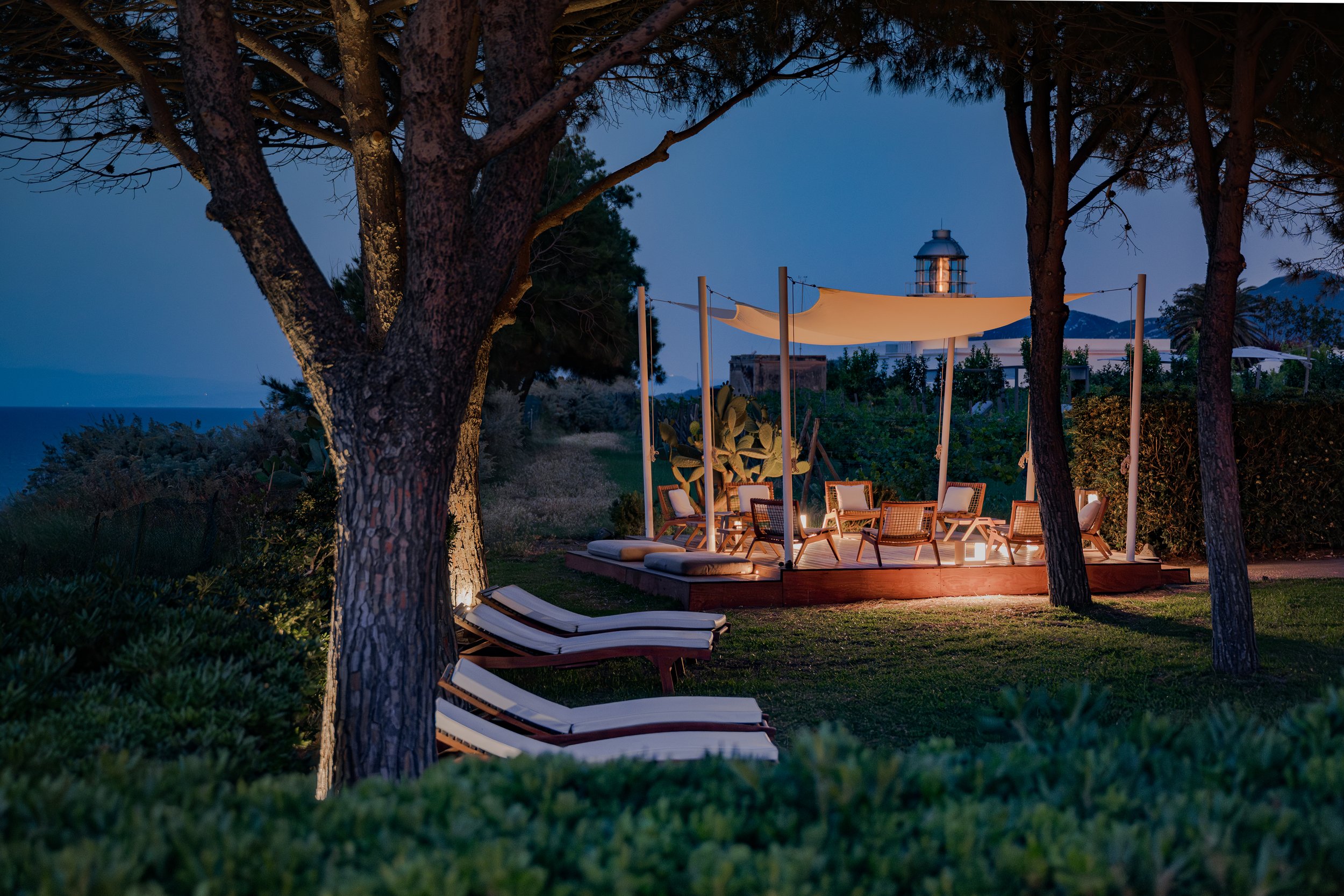
Salina is the green one. Of the seven islands that break the surface north of Sicily, it is the one people come back to rather than tick off, and Capofaro sits on its northern shoulder, at Malfa, where the land falls to the sea in terraces of vine. The estate is built around the lighthouse that gives it its name, a white tower from the mid-1800s that still marks the channel for boats coming up from Lipari. Low whitewashed buildings, four and a half hectares of Malvasia, a long pool set into the green, and a view that takes in Panarea and, after dark, the red pulse of Stromboli. There are twenty-six rooms, five of them in the old keeper's house at the foot of the lighthouse. The pace is set by the island, which is to say slow. Getting here is part of the bargain: a flight to Catania or Palermo, a drive to Milazzo, then a hydrofoil across. No one reaches Salina by accident.
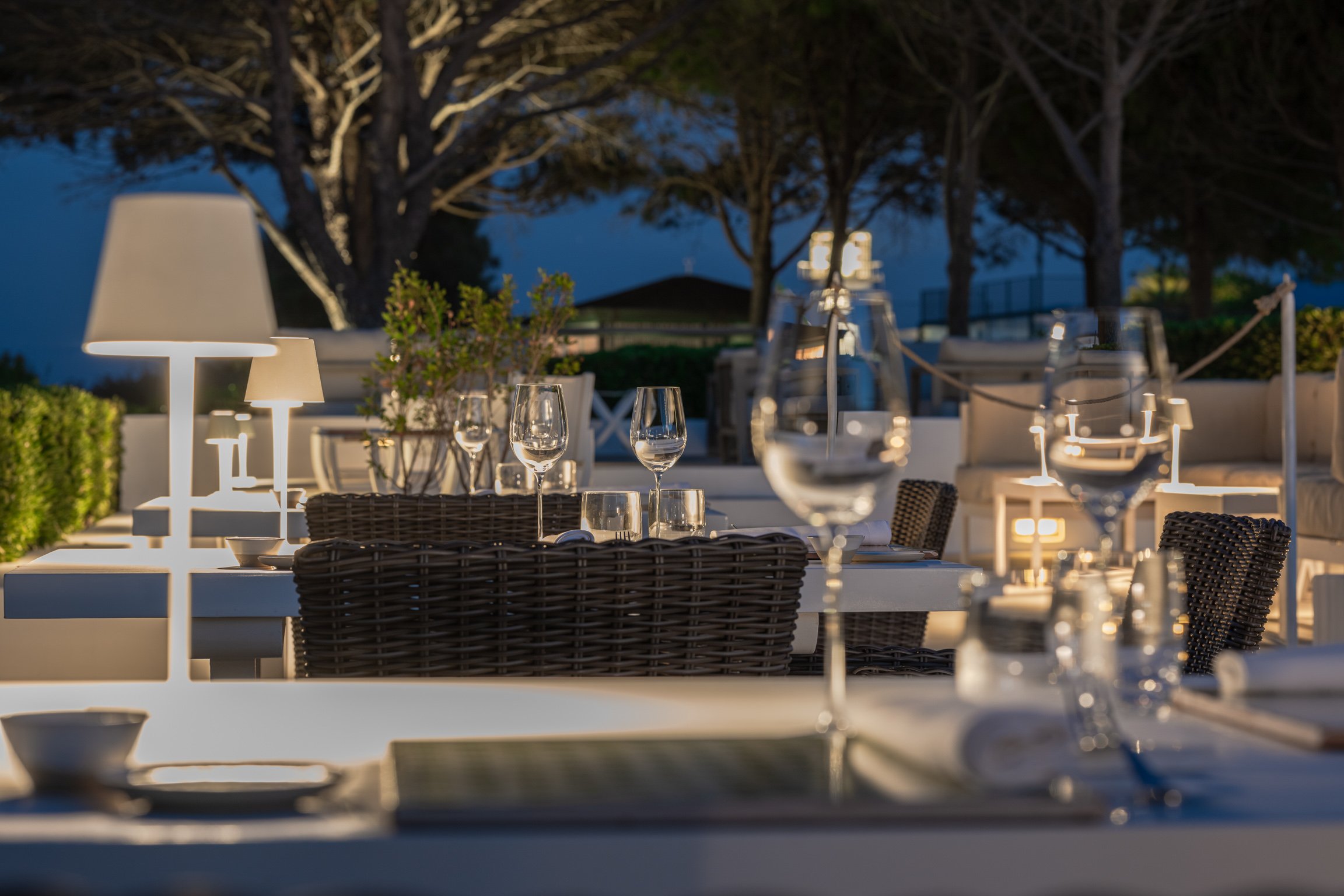
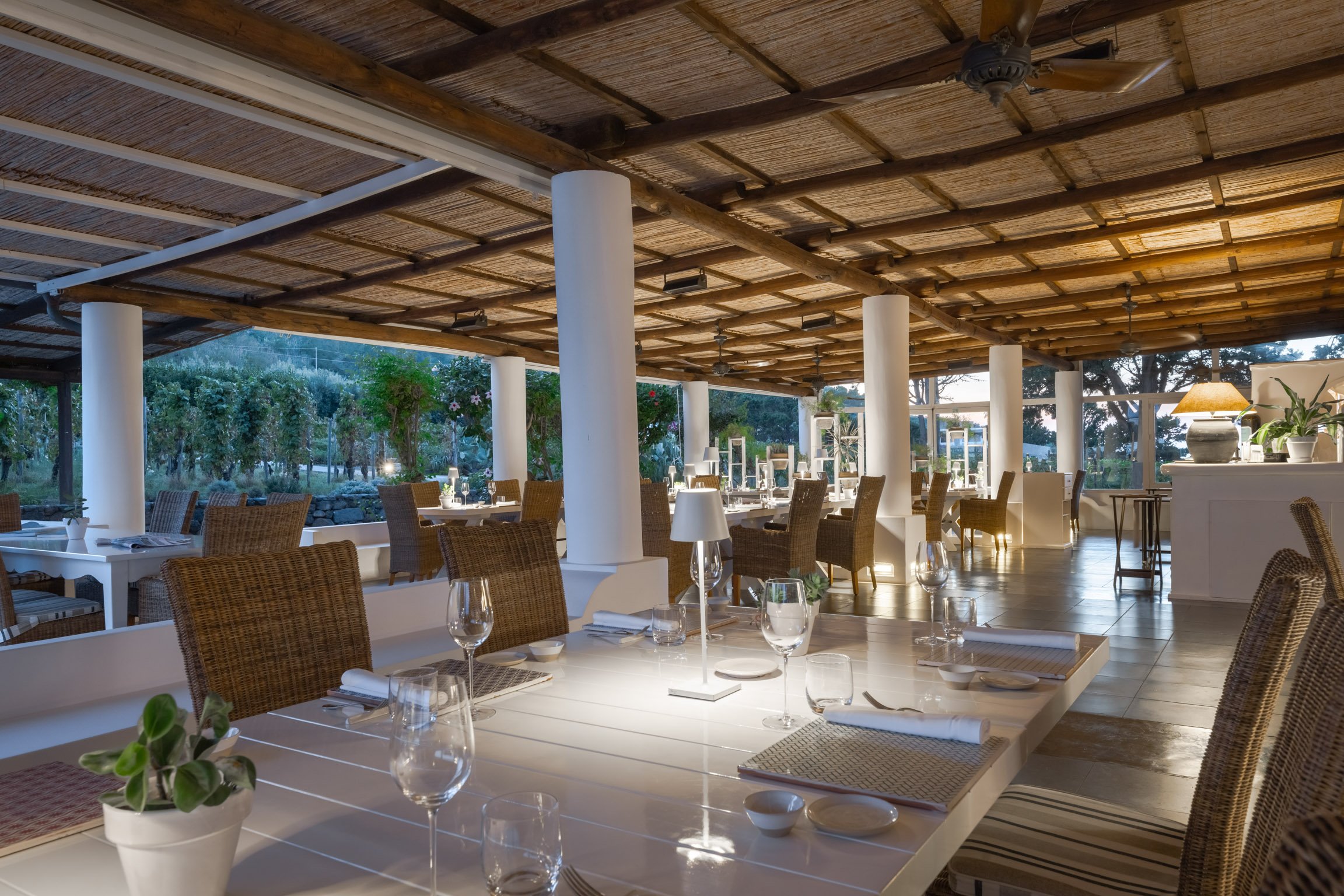
Dinner is at Sira, which means evening in the Aeolian dialect, and the word is the whole idea. The kitchen is run by Matteo Manco, who comes from Salento, down on the heel of Italy, and the cooking reads as a conversation between two coastlines: the volcanic gardens and fishing boats of the Aeolians on one side, the flavours of his Puglian home on the other. Much of what reaches the plate is grown on the estate or landed that morning by local boats. You drink the island's own Malvasia, sweet and amber, and the capers Salina is known for turn up everywhere. The terrace sits high over the water, and the bar pours cocktails that taste, on purpose, of salt.
This is a vineyard that takes guests rather than a resort with a few rows planted for the photographs. The Malvasia is the point. You can walk the vines with the sommelier, taste through the cellar, or eat lunch in the shade of the canes. The estate changed hands at the end of 2024 and is early into a new chapter, so we will watch how it settles. The bones, though, are rare: a real agricultural estate, a serious kitchen, a working lighthouse, and the kind of quiet that only an island this hard to reach still keeps.
A longer reading of Capofaro: the lighthouse, the Malvasia vineyard, and the split of the wine from the walls when the estate changed hands in 2024.
Read Folio No. 14 →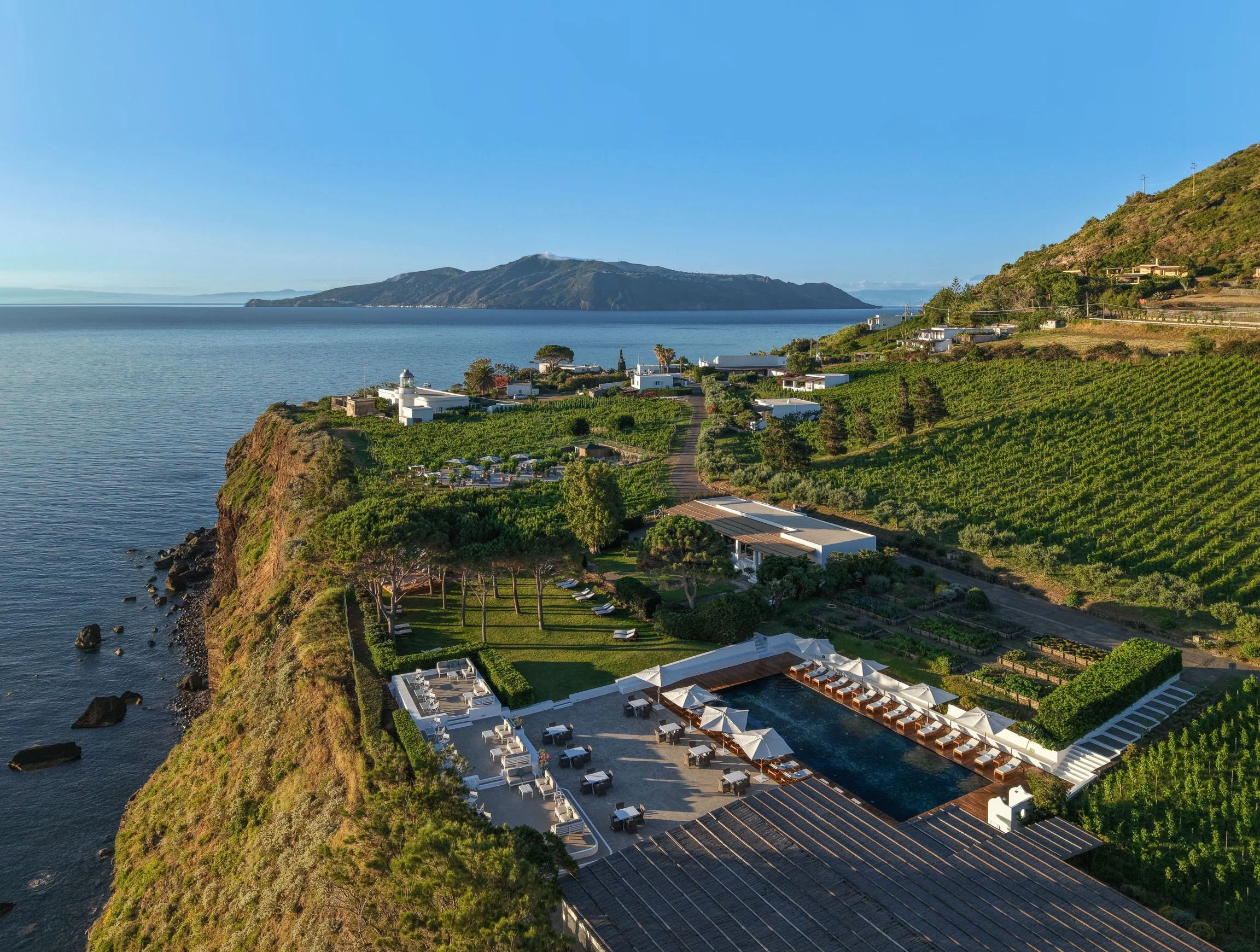
One selection at a time, in your inbox. Subscribe →
Malfa, on the north of Salina, Aeolian Islands, Sicily.
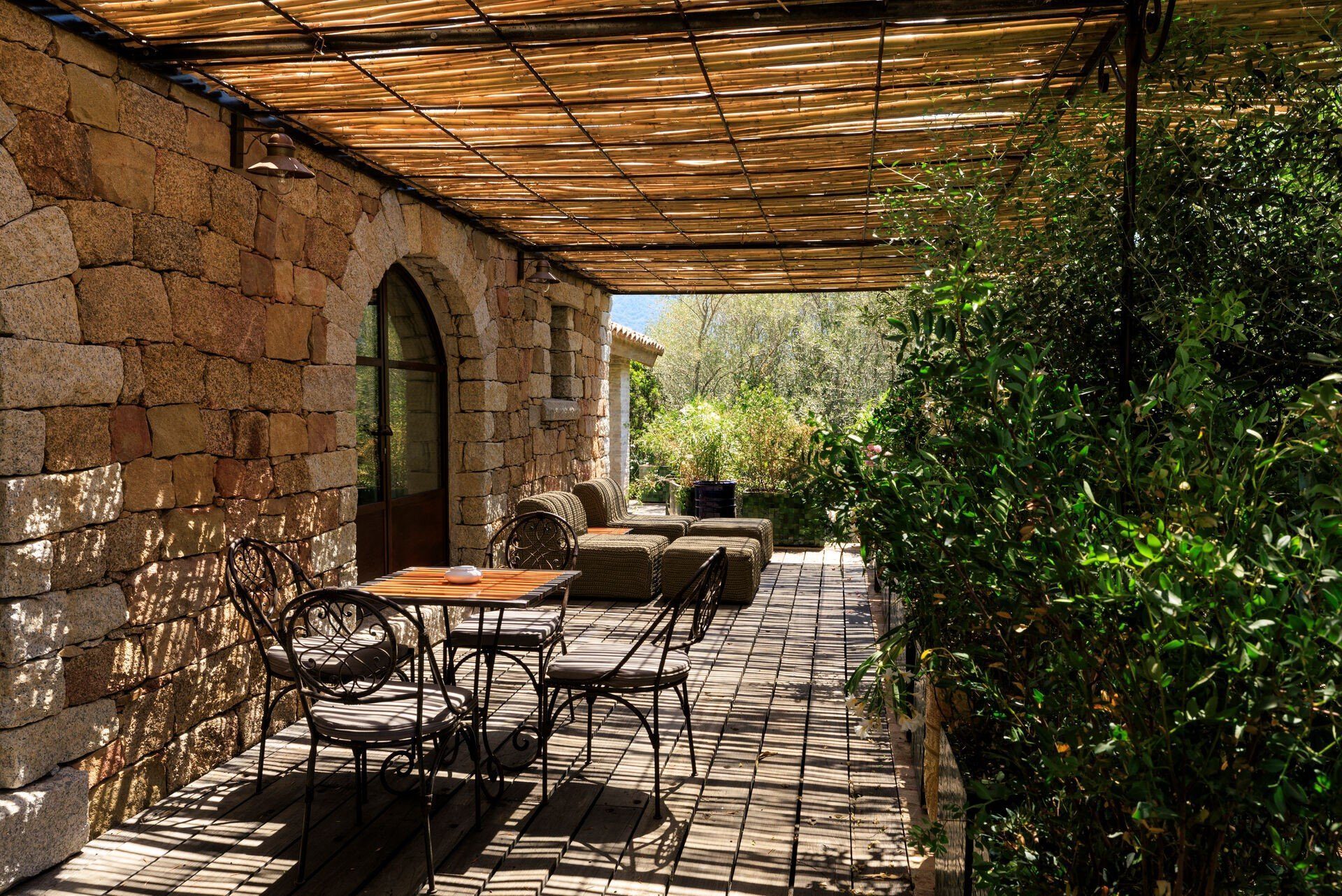
26 rooms and suites; whitewashed estate buildings, five rooms in the lighthouse keeper's house.
Sira, with chef Matteo Manco; the Capofaro Bar and sea terrace.
The fishing hamlet of Lingua and its pebble beach; Panarea, Lipari and Stromboli by boat.
Free, one to one, on WhatsApp. Tell me your dates and I will point you to the right places.
Plan with me on WhatsApp