Field Notes
He came to Naples in the autumn of 1606 with a price on his head. A brawl in Rome had ended in a man's death, and the papal sentence that followed chased Caravaggio south to the one city large and lawless enough to absorb him. He stayed barely a year that first time, returned in 1609, and was dead by the summer of 1610. The work he left in Naples sits in three buildings, and you can still walk between them in an afternoon.
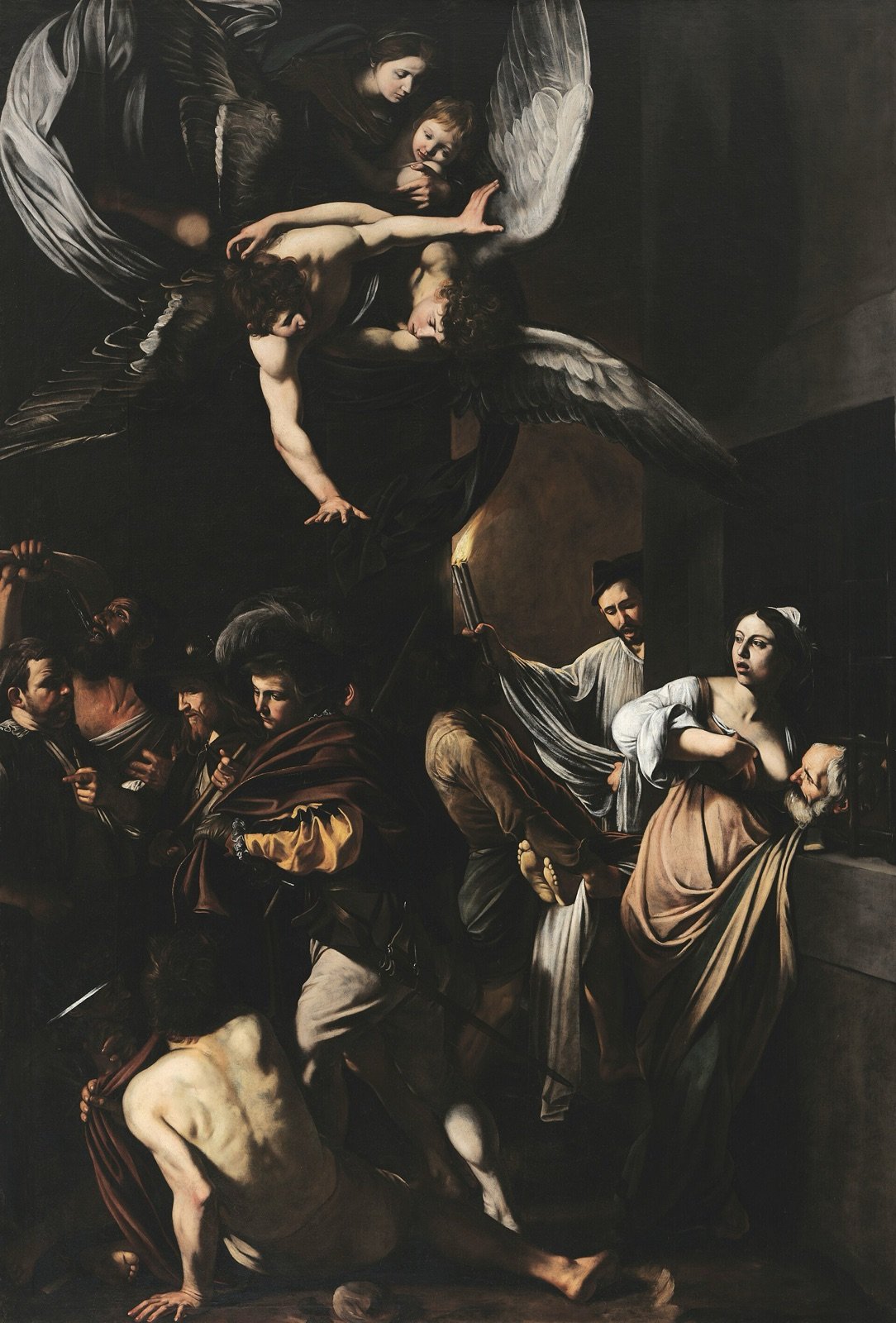
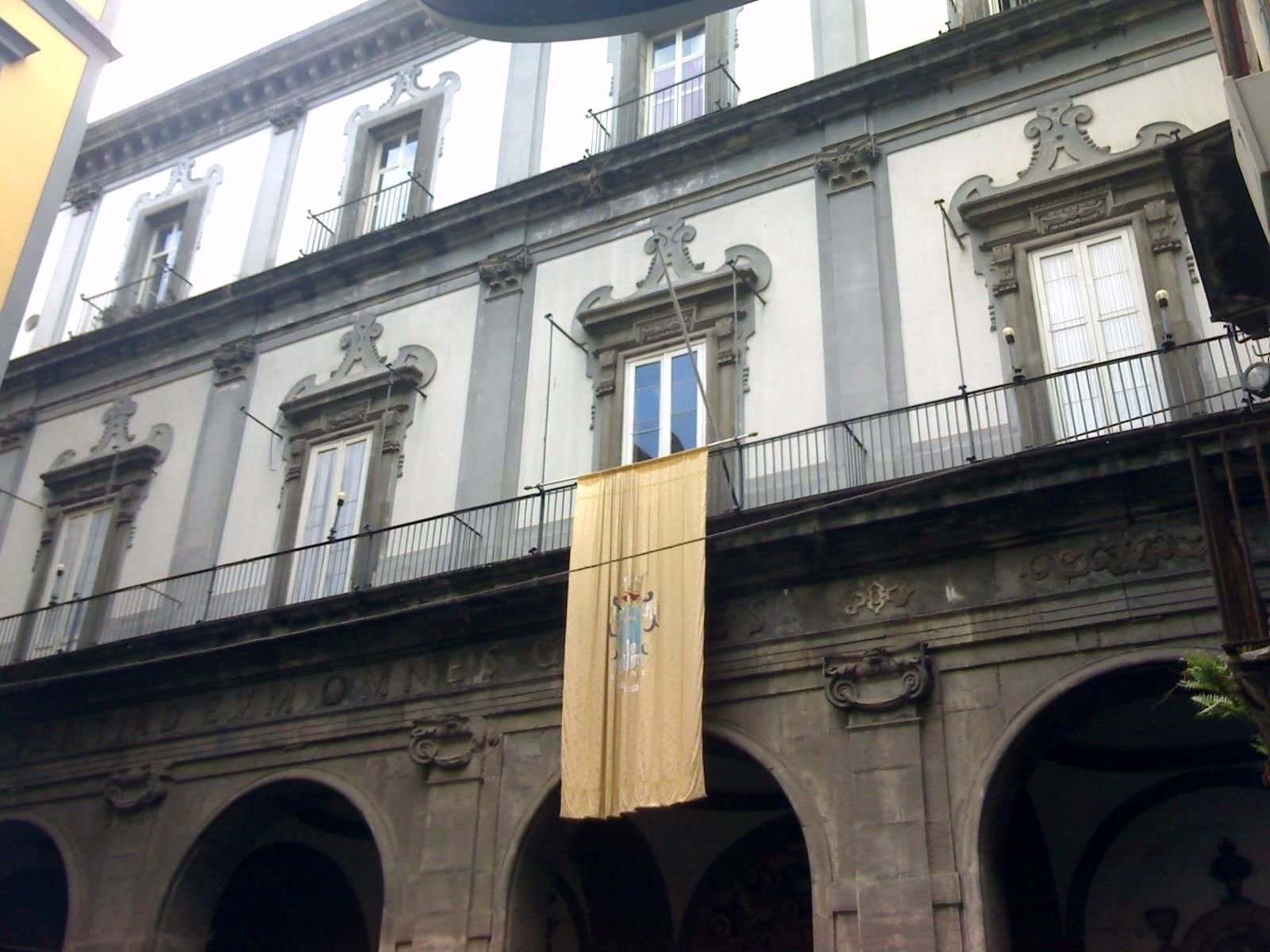
We begin at Pio Monte della Misericordia, on a tight street a few doors from the cathedral. Above the altar hangs the Seven Works of Mercy, painted in 1606 and 1607 for the charity that founded the place in 1602 and still runs it. It is the rare Caravaggio that has never moved. He folded all seven acts of mercy into one Neapolitan night: a man drinking from a jawbone, a corpse carried out feet first, the Madonna leaning down on the backs of two angels. The light falls today much as he set it.
Naples did not soften him. It handed him a darker palette and a quicker hand, and he gave the city back its own face.
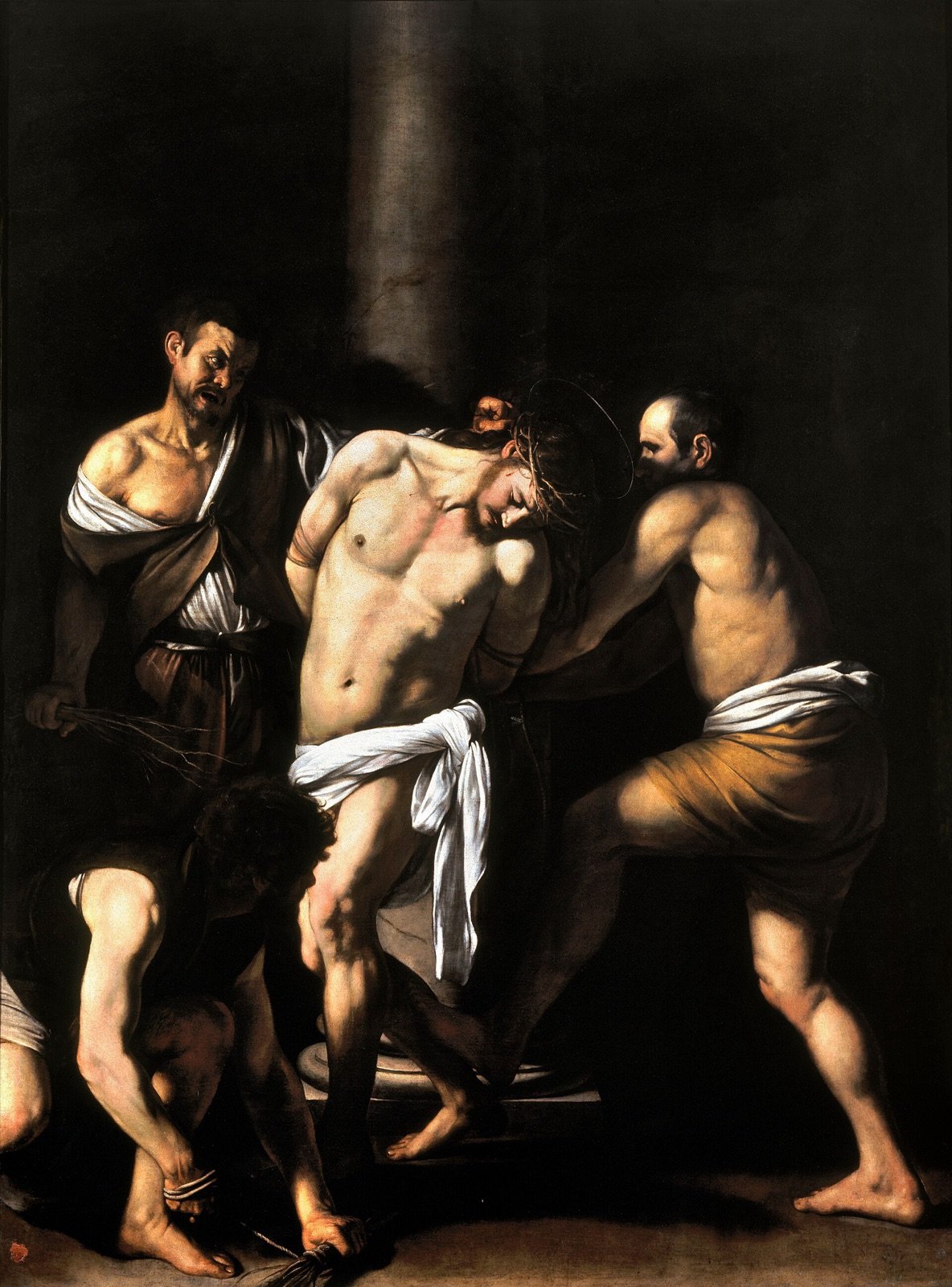
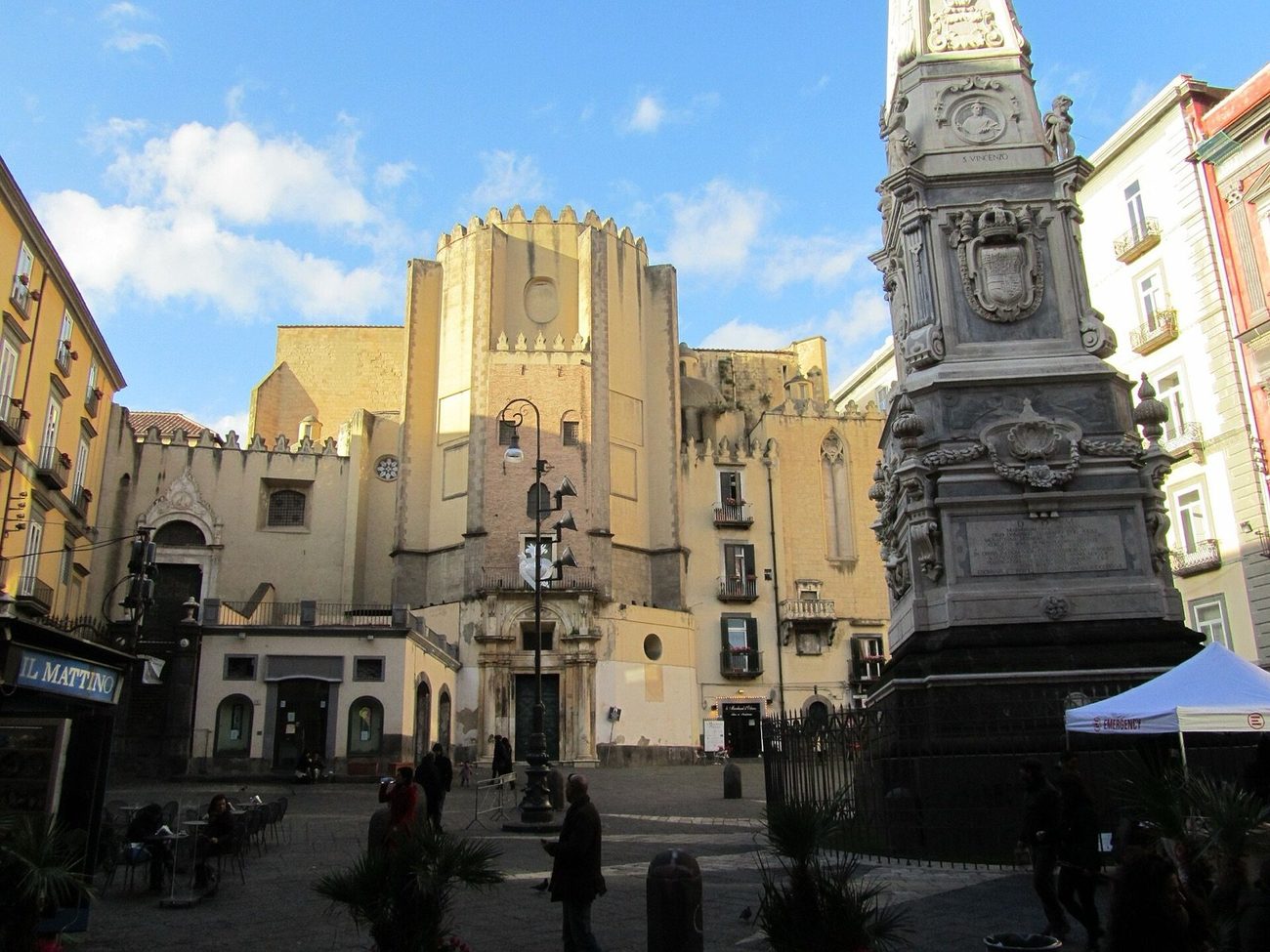
From there the trail forks uphill. The Flagellation of Christ, begun in 1607 for the di Franco family chapel at San Domenico Maggiore, now hangs at Capodimonte, where it has been since 1972. The square it was made for still rewards the walk. Stand under the obelisk in Piazza San Domenico Maggiore and you are in the same dense quarter, the Spaccanapoli, that gave him his models: the loaders, the beggars, the unidealised faces he refused to clean up.
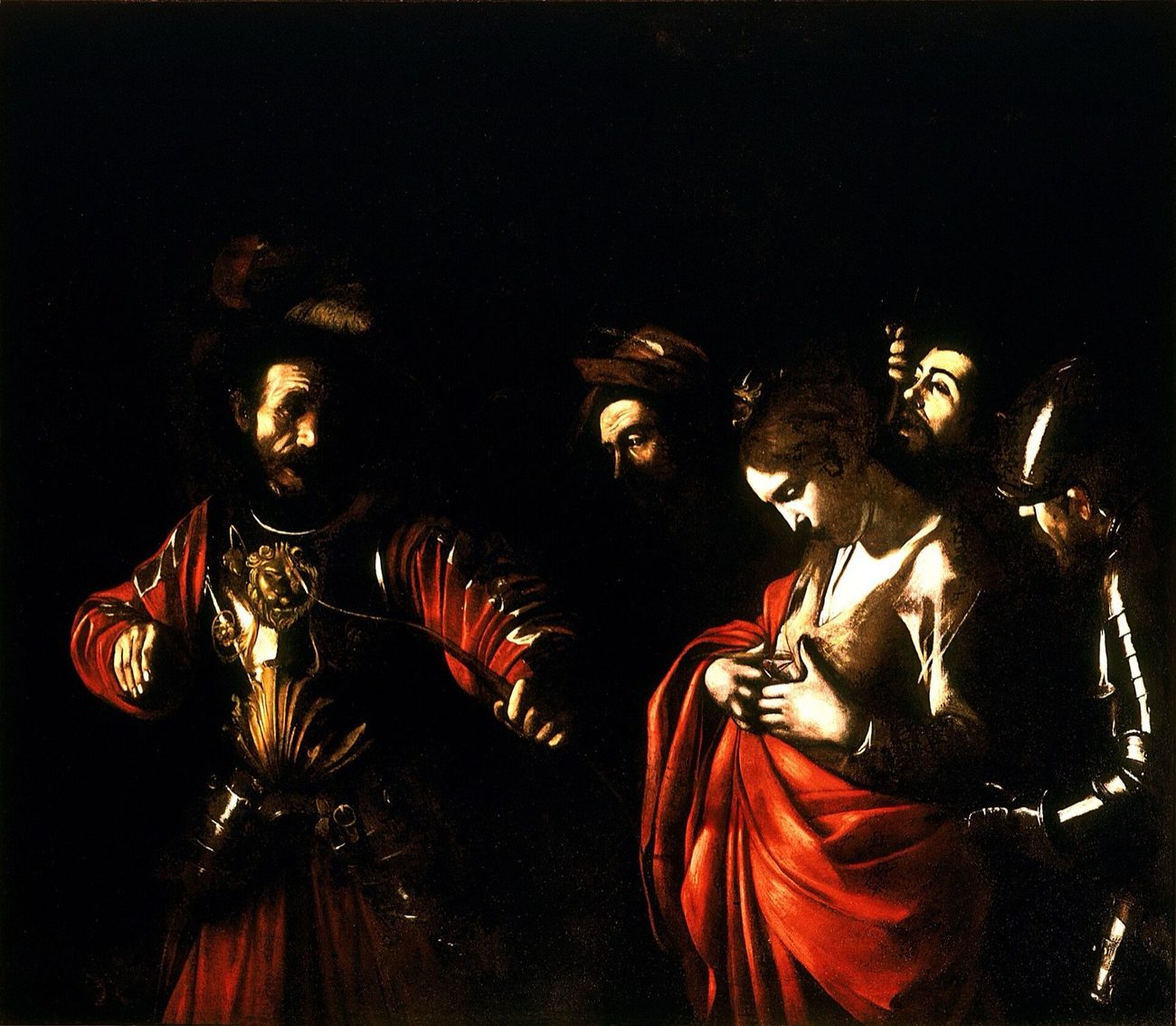
We end on Via Toledo, at the Gallerie d'Italia in the former Banco di Napoli. Here is the Martyrdom of Saint Ursula, dated 1610 and held to be the last thing he painted. The saint looks down at the arrow already in her chest. The king who loosed it reaches out, far too late. Caravaggio painted himself into the crush behind her, craning to see over a shoulder. Within months he was dead on a beach to the north, still waiting on a pardon that was already on its way.
Three rooms, one short walk, and a charity that has outlived the painter by four centuries. The city he worked from is still there in the alleys around the canvases, if you lift your eyes from the frame.
One selection at a time, in your inbox. Subscribe →