Field Notes
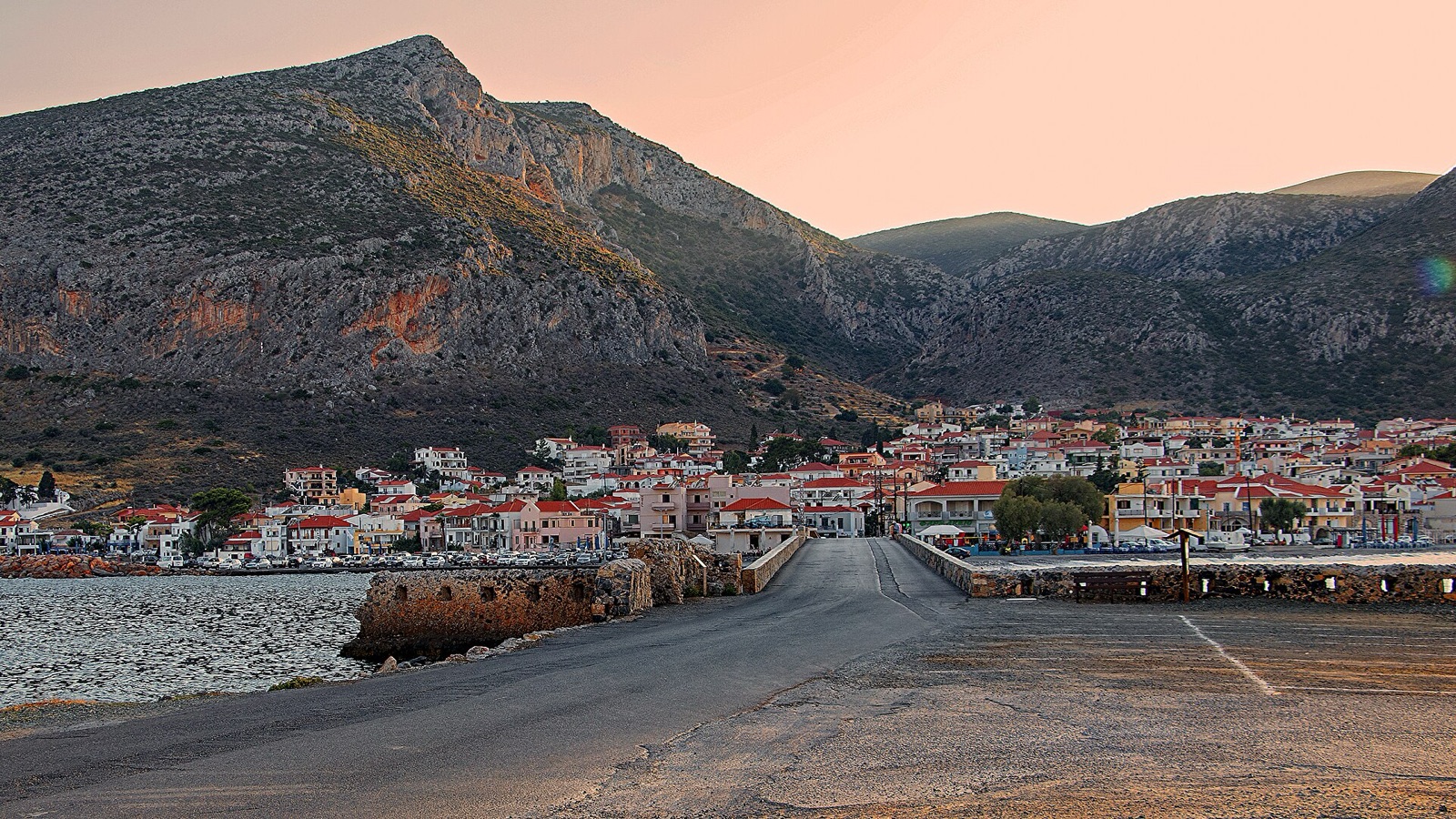
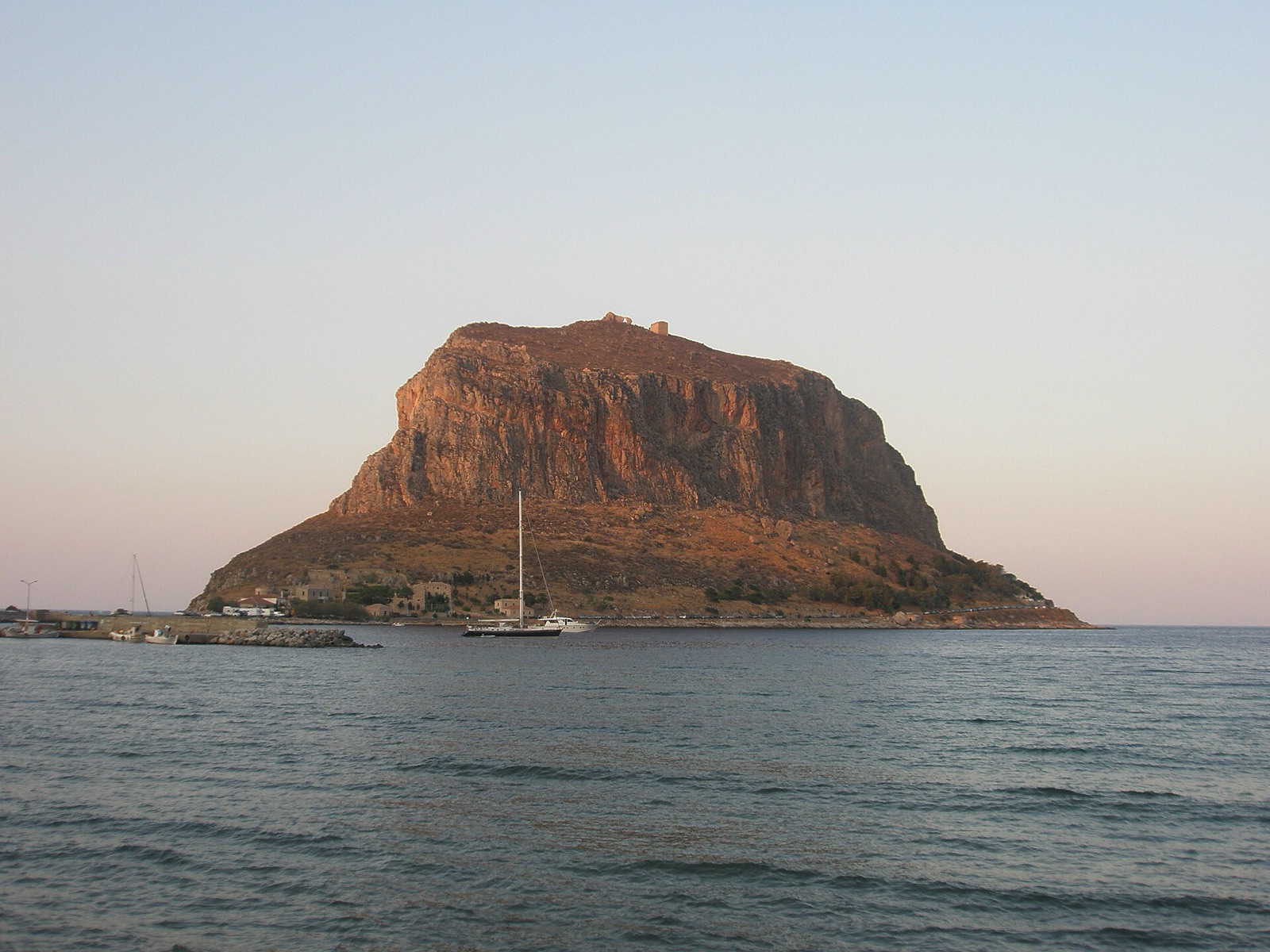
You approach from the mainland and see a rock. Just that. A grey slab of limestone the size of a small mountain, shouldered out into the sea off the eastern coast of the Peloponnese, apparently uninhabited. The town is there, but it faces the water, and the rock keeps its back turned to you until the last moment.
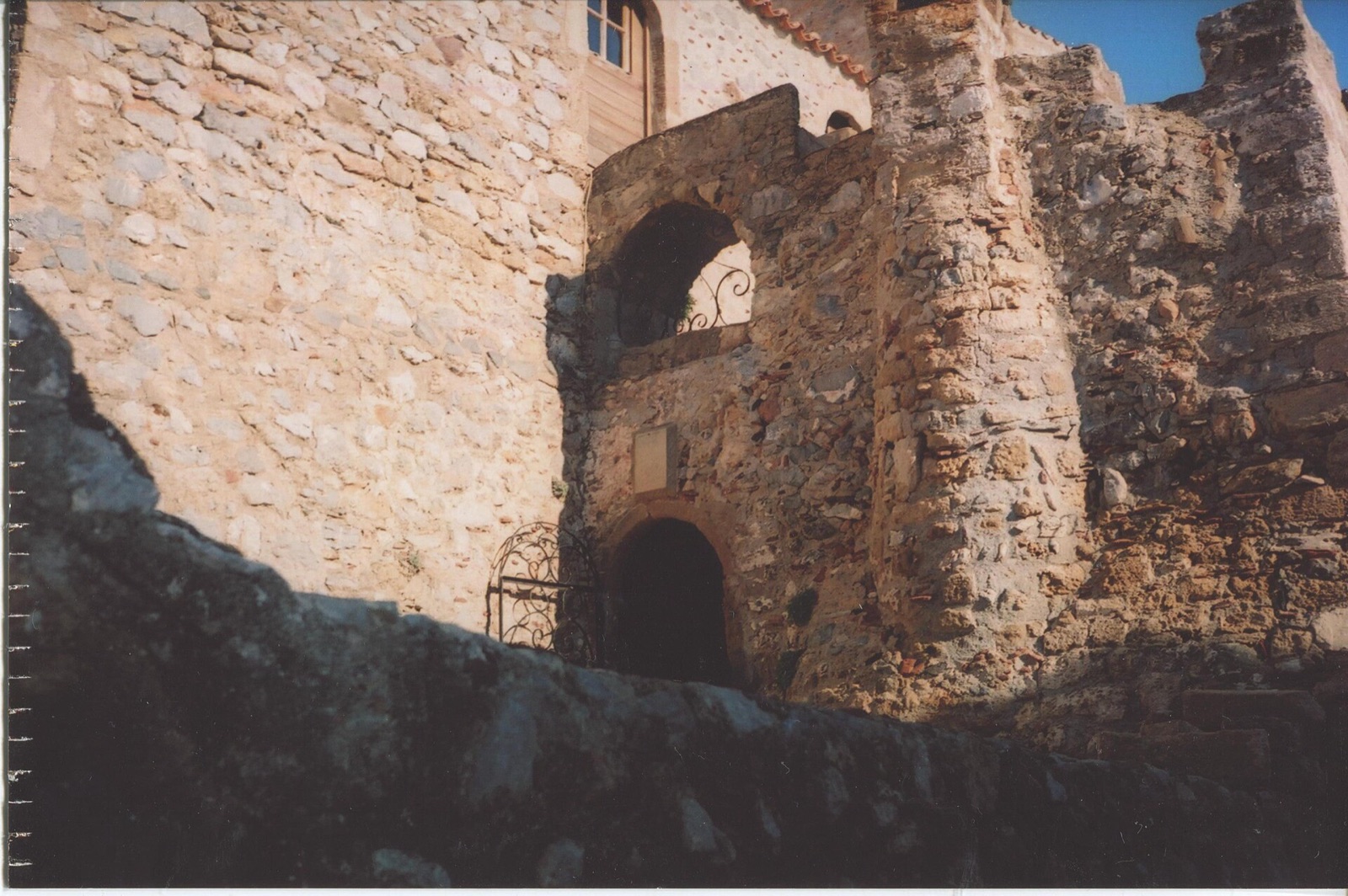
The name tells you how to reach it. Moni emvasia, single entrance. One causeway, about 400 metres of it, runs out to the base of the rock, and everything arrives that way or not at all. At the far end there is a gate in the wall, low and angled, built so that no one could rush it. You pass through, and the modern century stops behind you.
The rock keeps its back turned to the mainland, and the town it hides has been keeping secrets since 583.
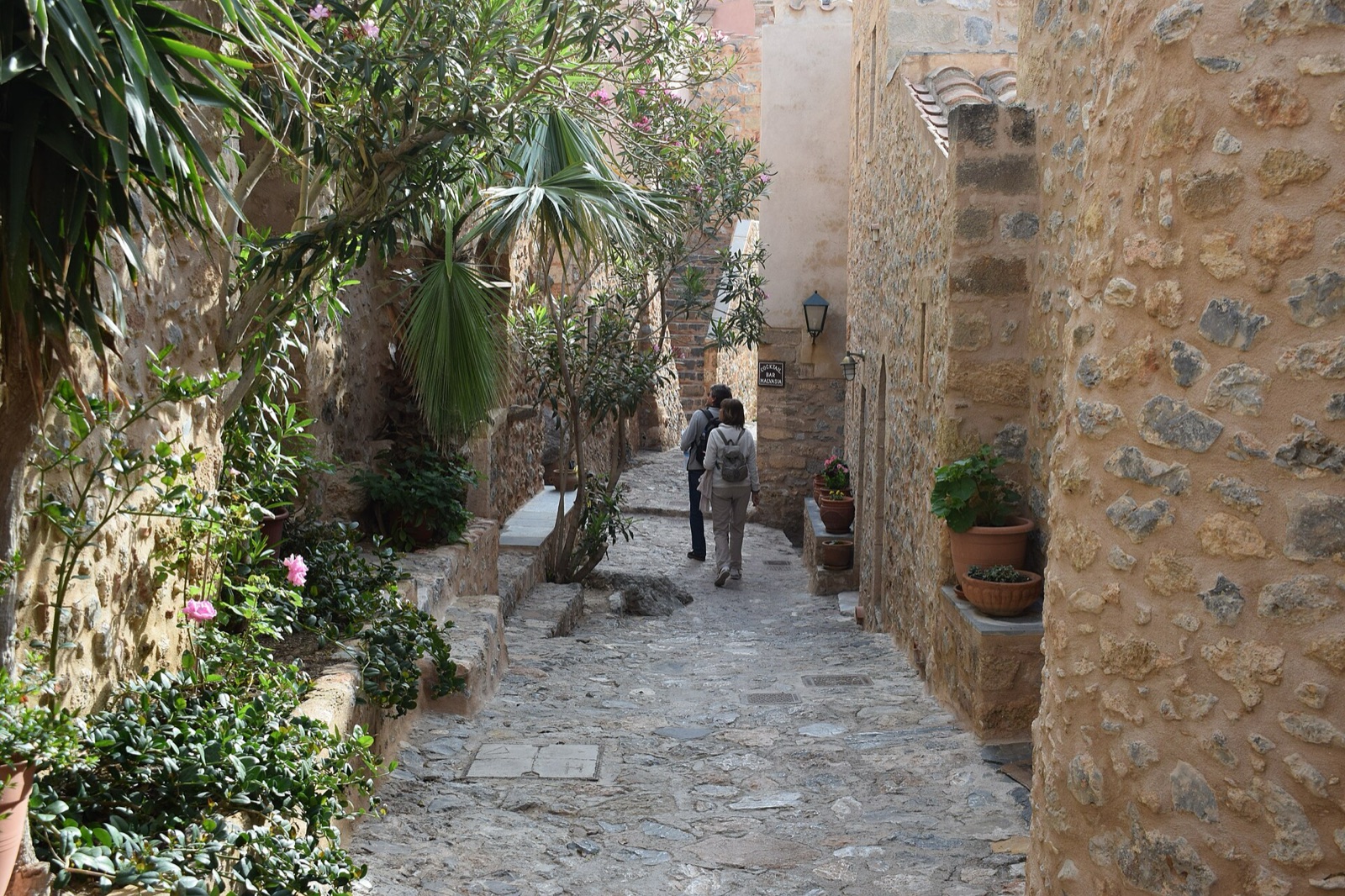
Inside, there are no cars. There is no room for them. The lower town is a single stone lane that bends with the contour of the hill, threaded with vaulted passages and stairs worn to a shine, opening now and then onto a small square or a Byzantine church. The stone is the colour of honey in the late sun. Everything here was carried in on foot or on the back of a mule, and it still is.
Monemvasia was founded around 583, when people from the surrounding country climbed onto the rock to escape the raids sweeping the Peloponnese. It became a port, then a fortress that Byzantines, Venetians and Ottomans each took in turn and each rebuilt. You can read all three in the walls if you look, a layered record that never quite settles into one hand.
The town also gave its name to a wine. In the Middle Ages it shipped so much sweet Malvasia that Venetian merchants renamed their wine shops after it, and England drank it as Malmsey. The vineyards that fed that trade are long gone from the rock itself, but the word travelled further than most Greek exports ever have.
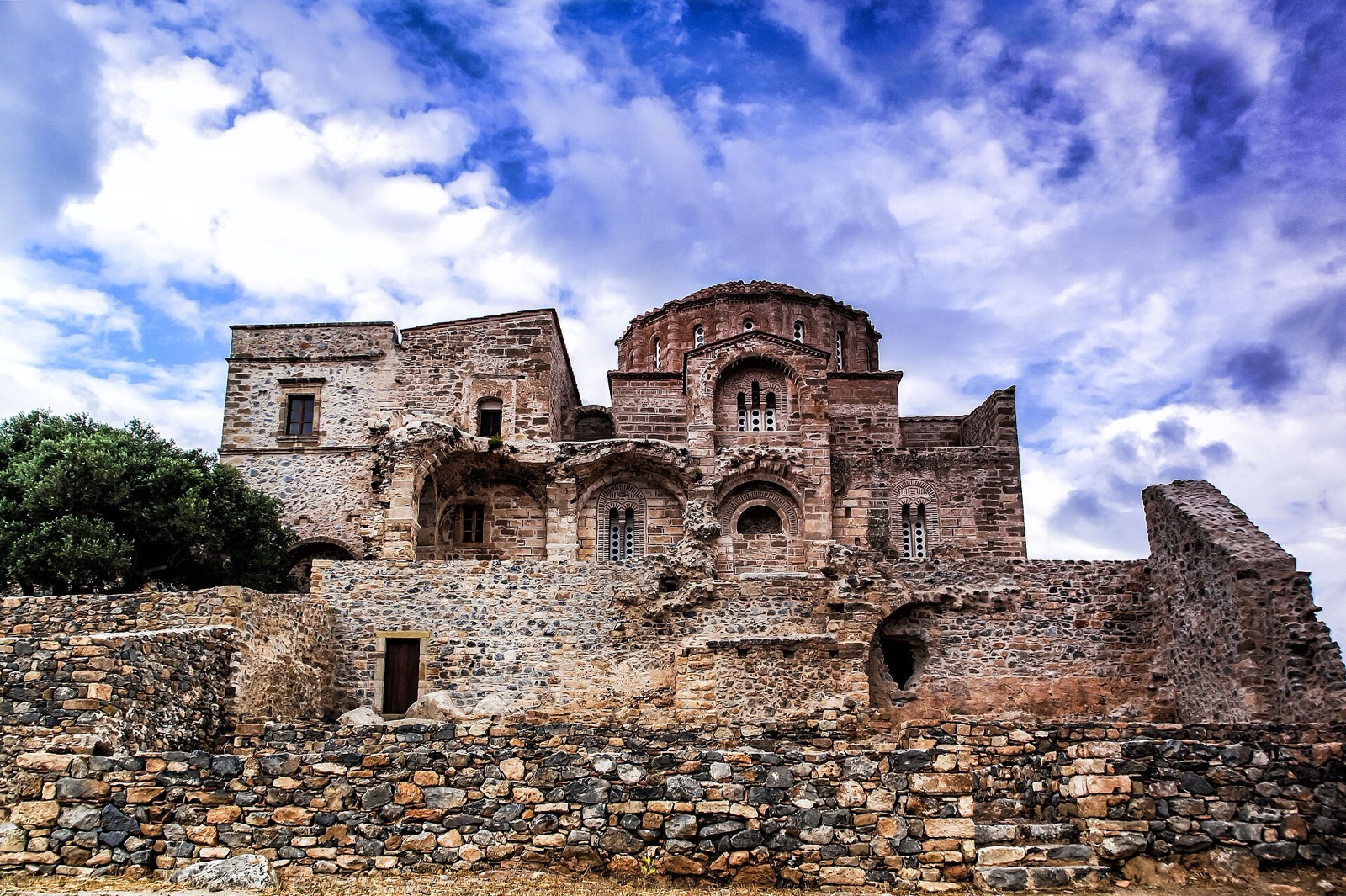
Climb the stair that switchbacks up the cliff and you reach the upper town, mostly ruined now, grass between the fallen houses and the church of Agia Sofia holding the edge of the precipice. From up there the whole thing makes sense. A town built to be missed, deliberately, by anyone who did not already know it was there.
We came down at dusk, when the day boats had gone and the lane emptied. The only sound was the Aegean working at the sixth-century masonry, patient, unhurried, exactly as it has always sounded.
One selection at a time, in your inbox. Subscribe →