Field Notes
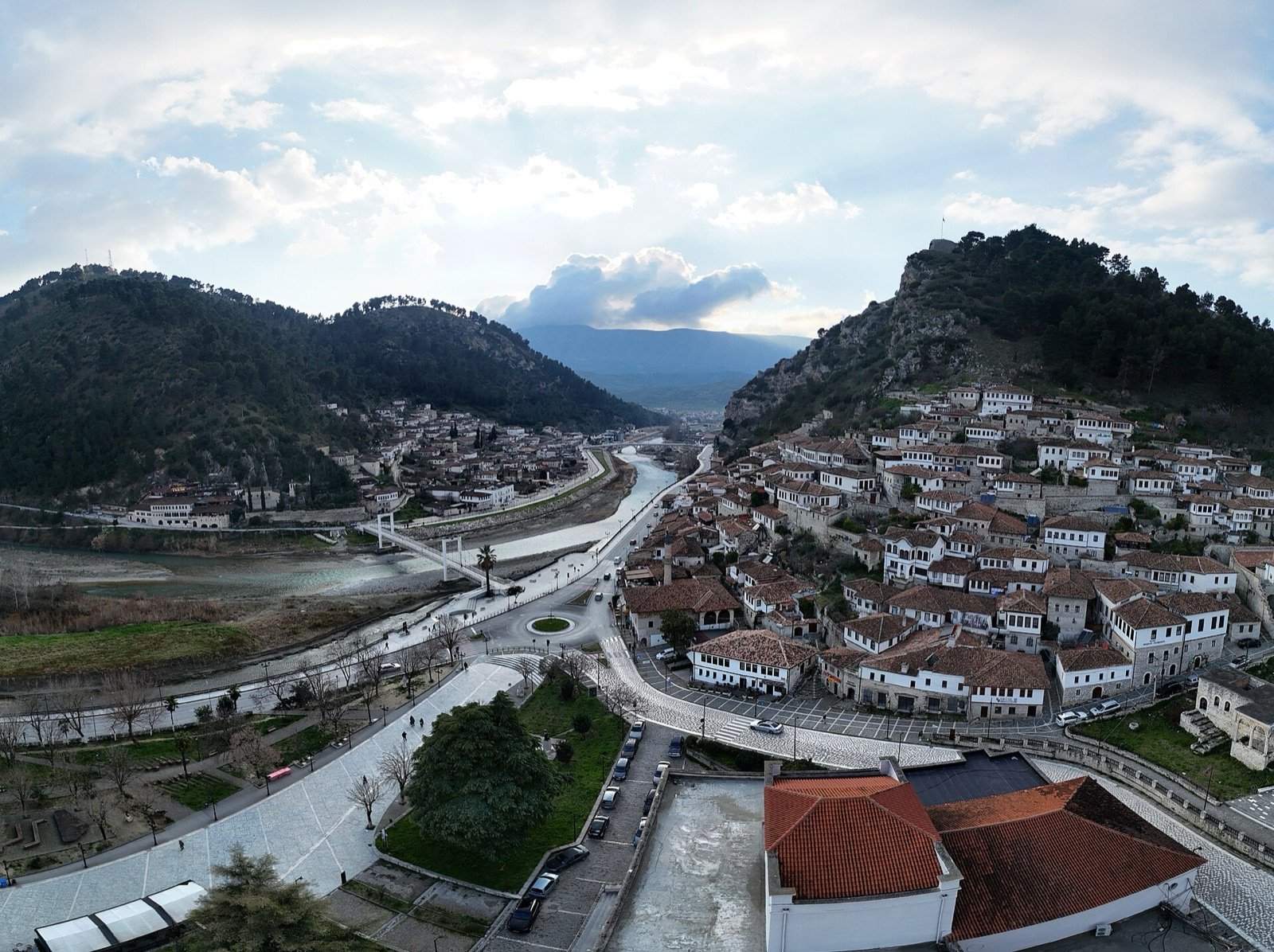
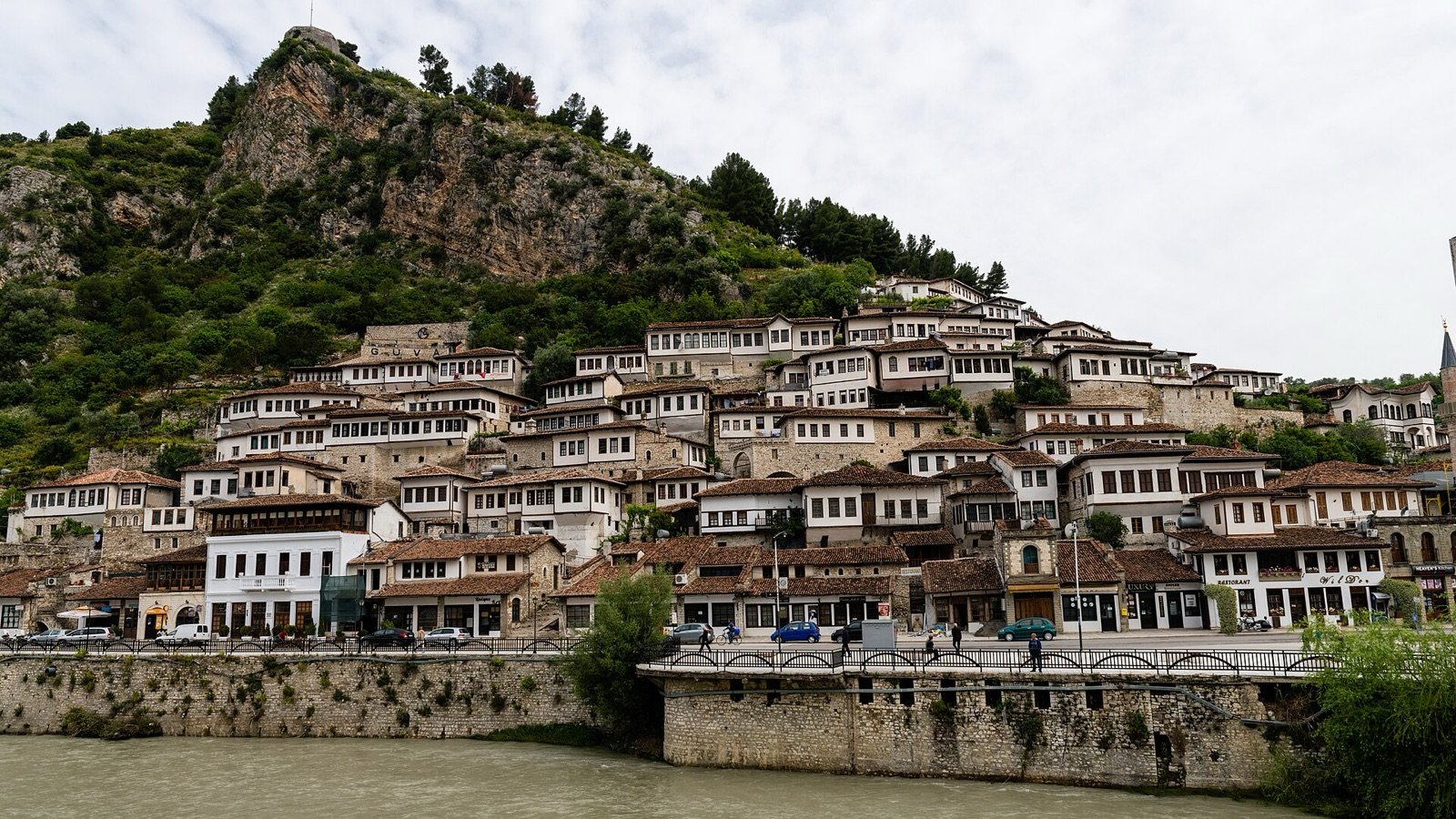
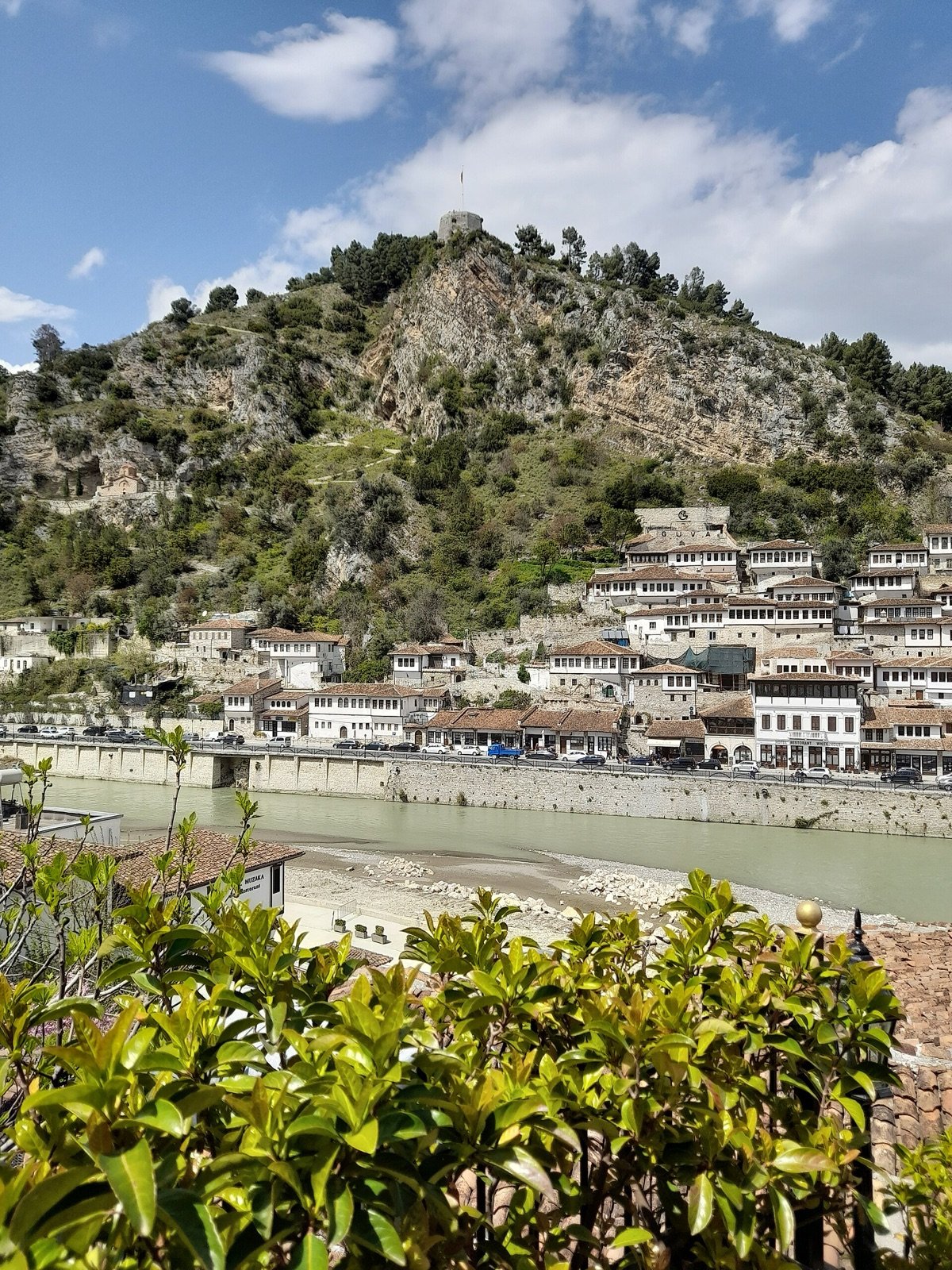
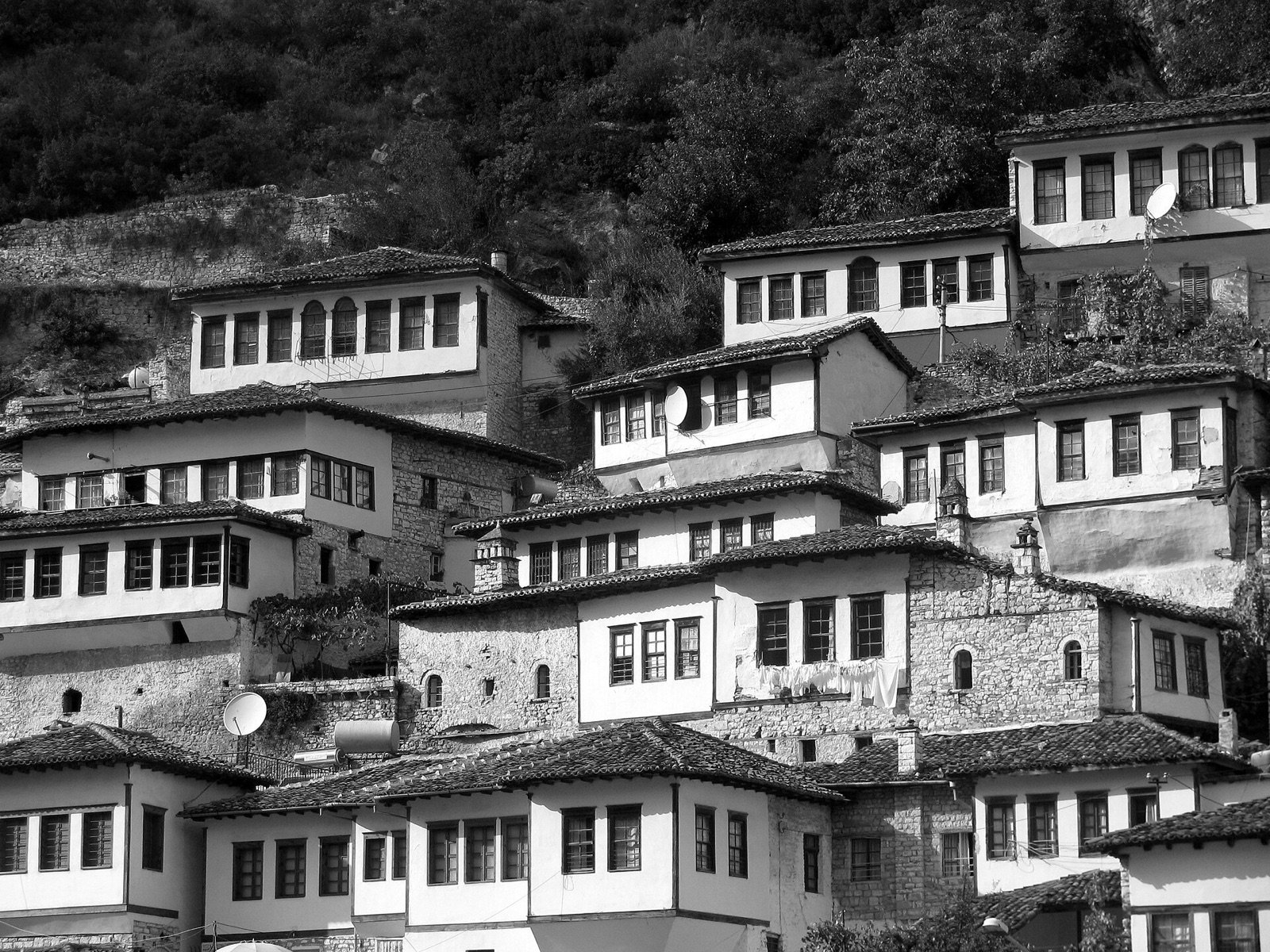
We came into Berat late, the way you should, with the sun leaving the Osum gorge and the far bank catching it one tier at a time. The river runs grey-green through the middle of the town. On both sides the hillsides are stacked with Ottoman houses, each turned to the water, each showing more glass than wall. Guidebooks flatten the local phrase into the city of a thousand windows. Stand on the old Gorica bridge at that hour and the exaggeration makes its own sense.
The light does not fall on Berat. It is handed up, window to window, until the whole hill is lit from below.
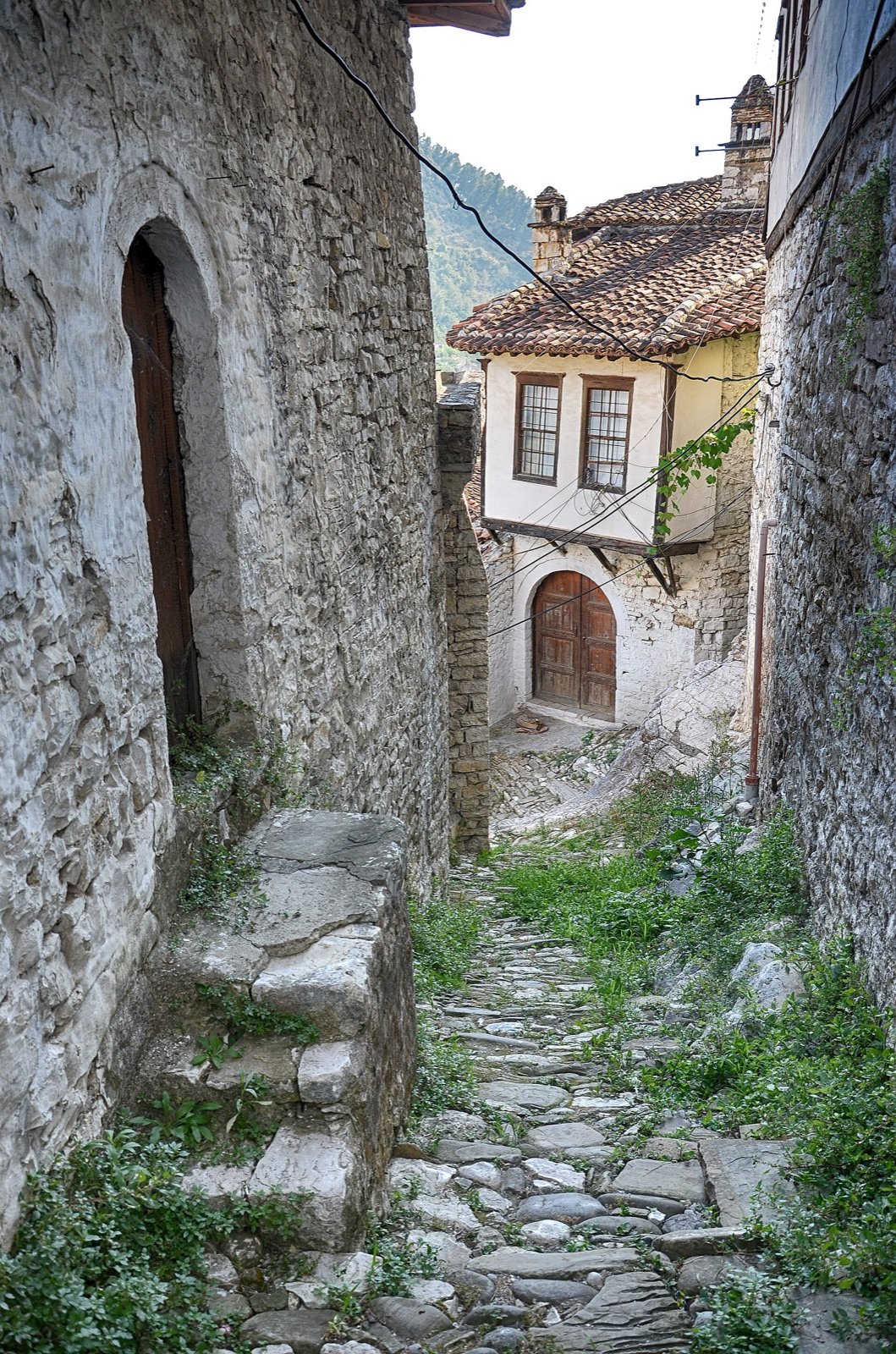
Mangalem is the old quarter on the near bank, Gorica the one across the water, the stone bridge between them. Above both sits the Kala, the castle, and this is the thing nobody warns you about. It is not a ruin you buy a ticket for but a neighbourhood people still live inside, washing strung between towers that stood here long before the Ottomans came. We climbed its lane in the last of the light, past a woman shelling beans on her step and a small Byzantine church already locked for the night.
UNESCO added the town to its list in 2008, and you can read both why and what the label costs. The cobbles are swept, the whitewash kept bright, a row of the lower houses now trading as guesthouses. Walk ten minutes up into the quarter though, off the one busy street, and Berat goes quiet in a way that feels unmanaged. Cats on warm stone. A radio somewhere behind a shutter. Woodsmoke, which in October never quite leaves the air here, rising past the glass.
We ate late, on a terrace over the river, a plate of grilled trout and a carafe of wine from one of the valley's own cellars. The windows opposite went dark one by one as people turned in. By the time we left, Mangalem was a black hillside with a scatter of lit squares, and it was easy to believe the older, stranger version of the name a man at the guesthouse had given us earlier. Not a thousand windows, he said. One window set above another, all the way up.