Field Notes
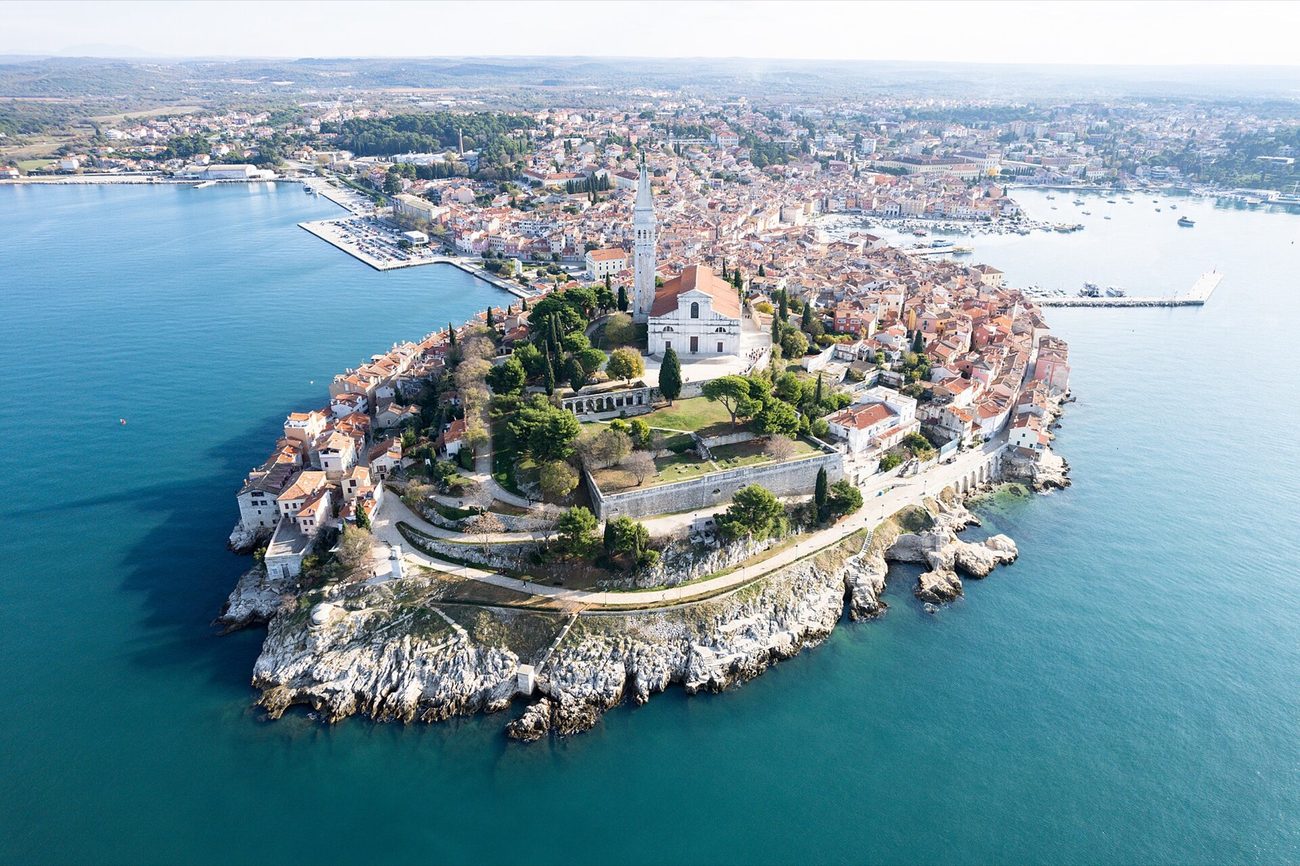
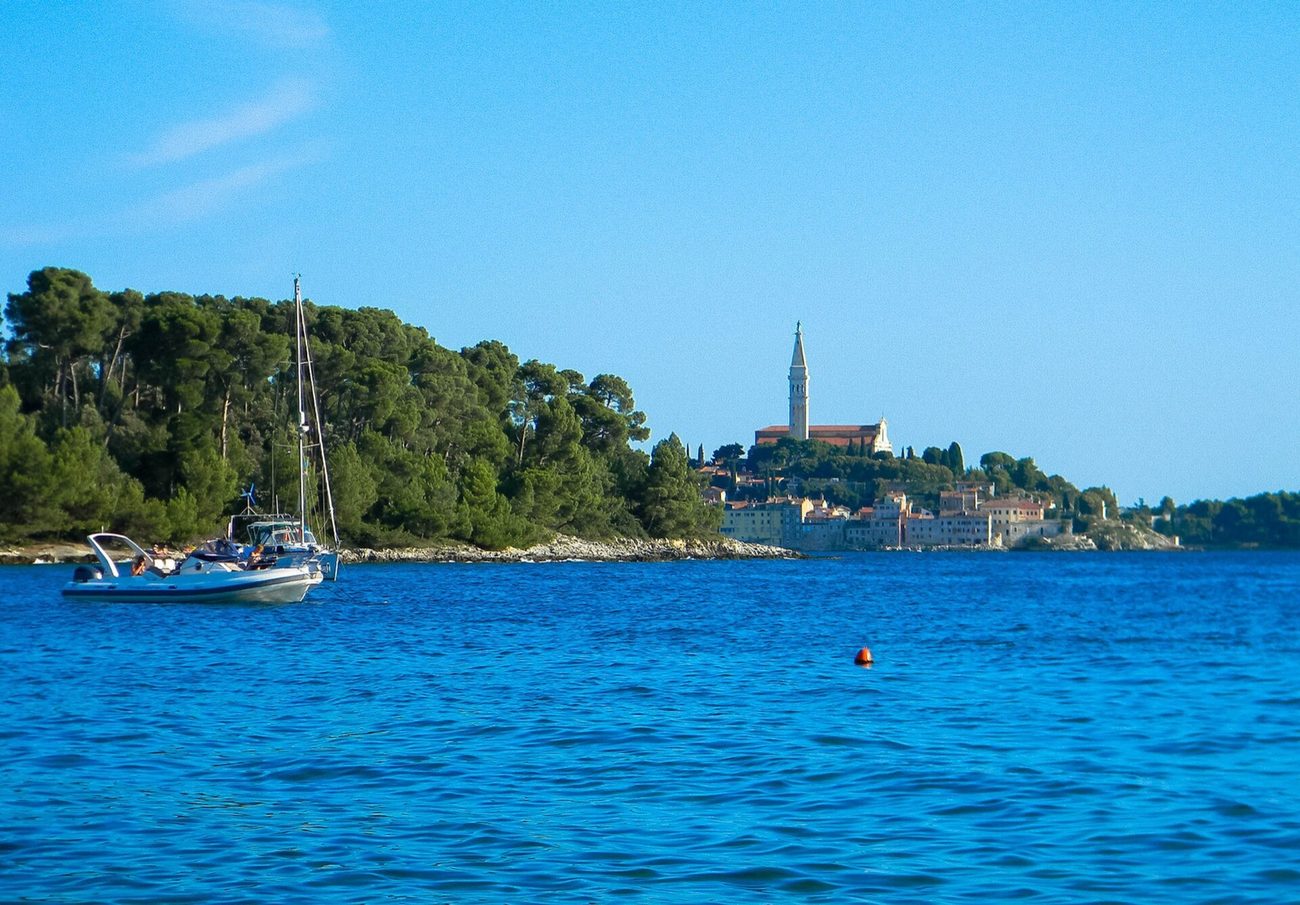
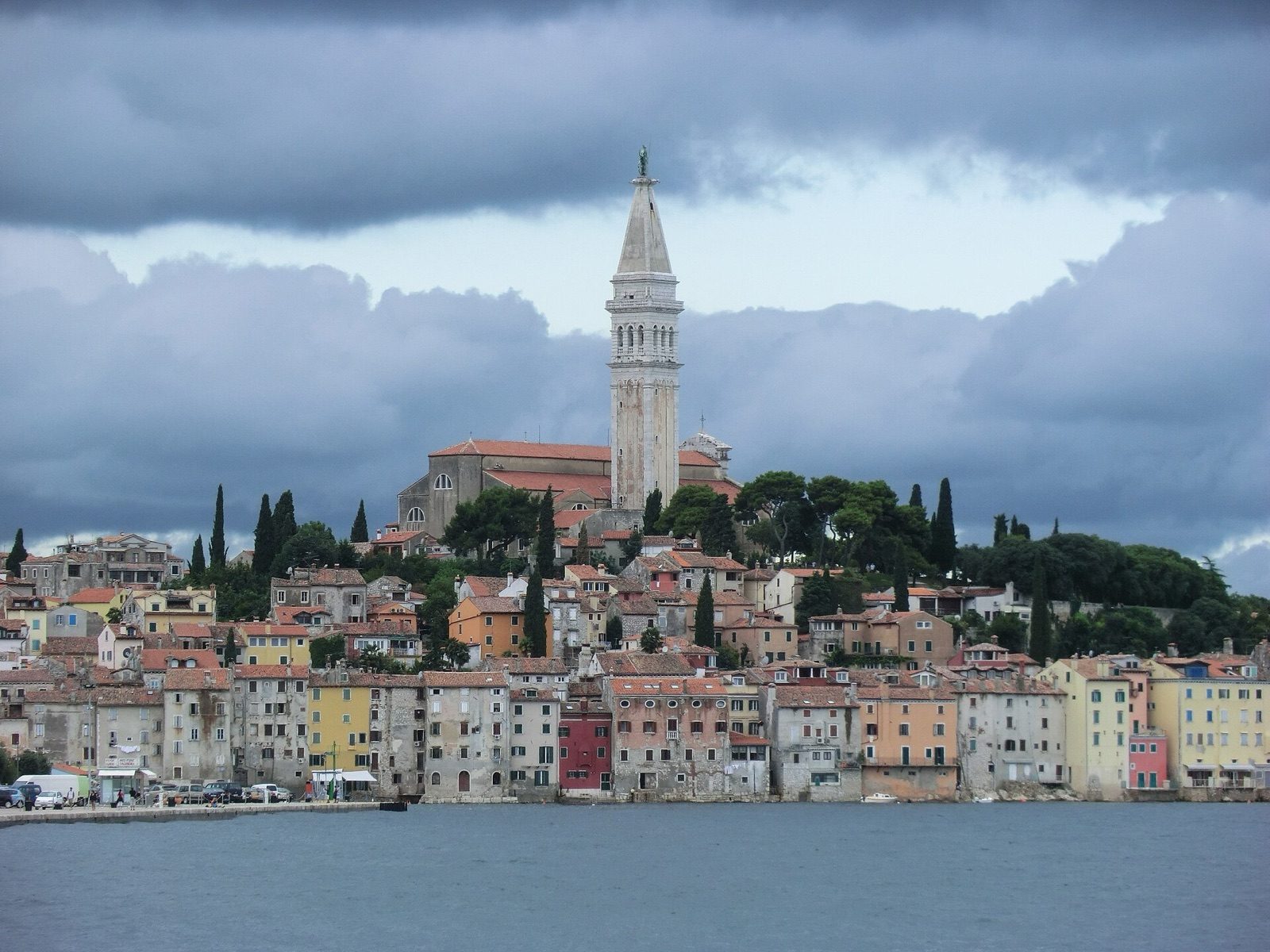
We came into Rovinj the way you should, from the water, late, with the light going amber behind the campanile. The old town sits on a rounded hump of rock that was an island until 1763, when the channel cutting it off from Istria was finally filled in. It has never quite rejoined the mainland in spirit. The houses rise straight out of the sea, feet wet, shutters the faded green of every Adriatic port that once answered to Venice.
You climb, because there is no other way through. The lanes do not run straight. Nothing on an old island does. They follow the rock, widen into small squares you did not expect, then close again to the width of your shoulders. Washing hangs between the windows. A cat watches from a sill. You give up on the map within minutes, which is the correct response, and simply keep going up, because every street eventually finds the tower.
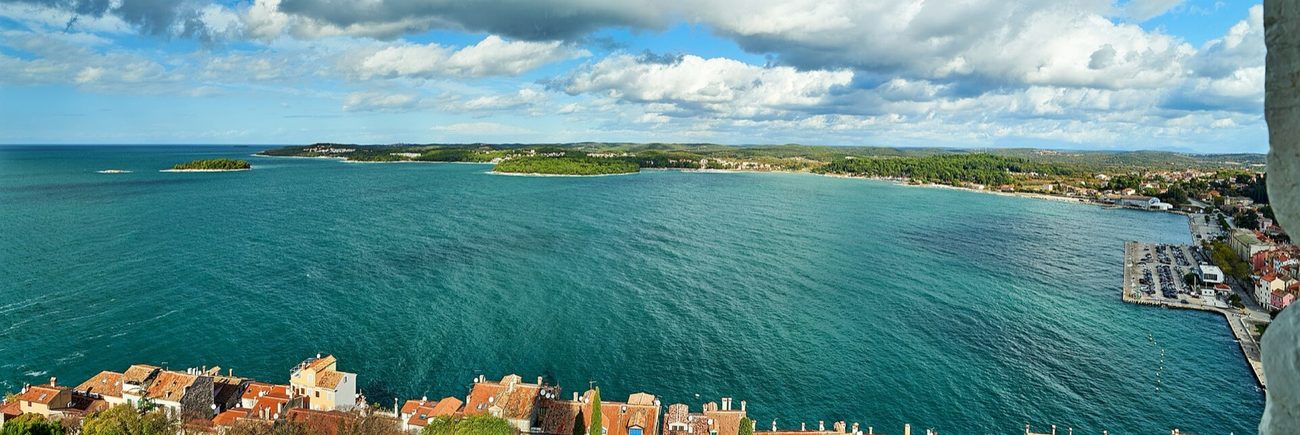
At the top stands the church of St Euphemia, its bell tower sixty-one metres over the roofs, the tallest in Istria. It is a near copy of the campanile on St Mark's, finished in 1736, and on its summit a copper figure of the saint turns on a pivot with the wind. Fishermen used to read her for the weather. We read her for a while too, out of habit more than need.
Rovinj does not perform for you. It simply carries on being Venetian in a country that stopped being Venetian two centuries ago.
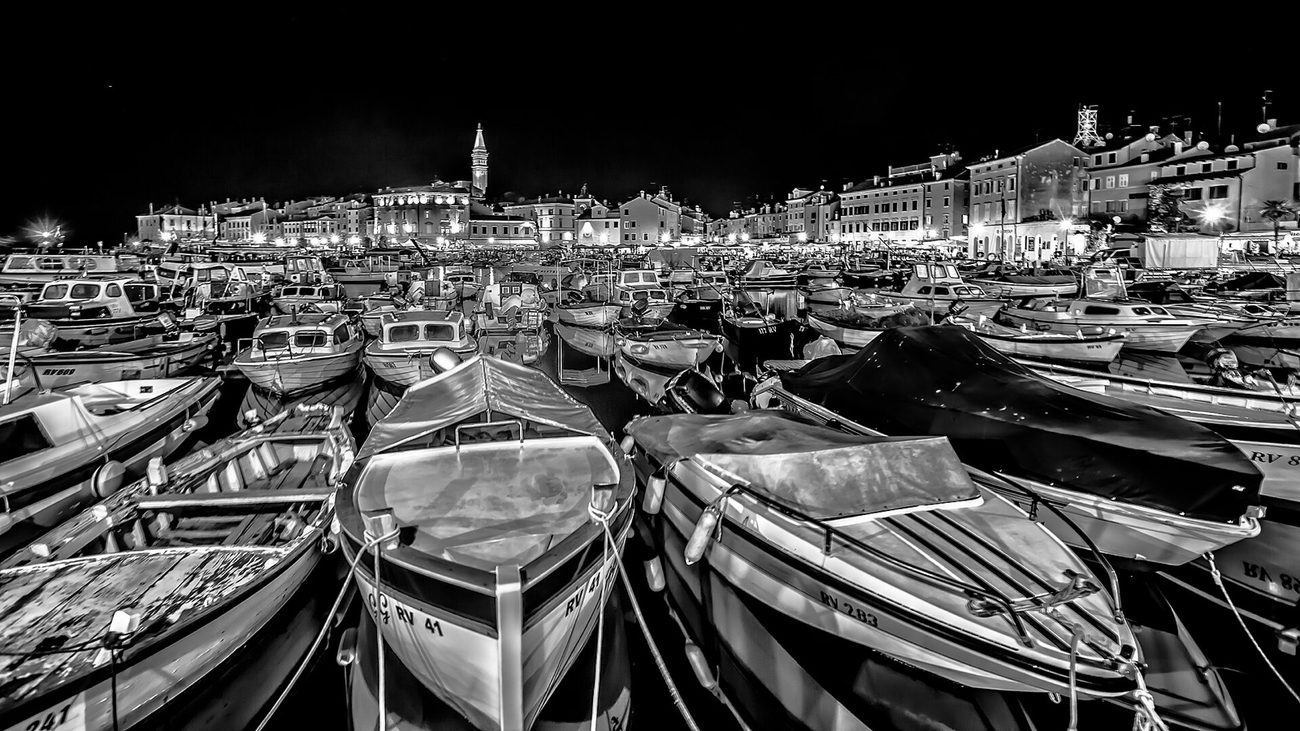
The waterfront is a working one still, or wants to be. Small boats, nets drying over the stone, a man selling the morning's catch from a plastic crate. By eight the restaurants have taken the quay, and the air is grilled fish and wood smoke and the salt that gets into everything here. We ate scampi and drank a cold Malvazija from the hills behind the town, and watched the colour drain out of the water.
What stays with you is the stone. Istrian limestone, pale and hard, the same stone Venice once shipped across the gulf to build itself. Rovinj kept its own. In the low light it turns the colour of honey, then bone, then nothing, and the campanile holds the last of it long after the lanes have gone dark.
We left before the crowds came back in the morning. That is the trick with these places. Arrive at the hour when the day boats have gone and the town remembers what it is. Rovinj remembers very well.