Field Notes
The cable car leaves Trapani at sea level and climbs for about ten minutes, and somewhere over the pines the coast below goes soft and then disappears. We stepped out at the top into cloud. Erice does this to you. The town sits around 750 metres up, on a triangular summit the Greeks already held sacred, and it treats that height as a standing invitation to the weather.
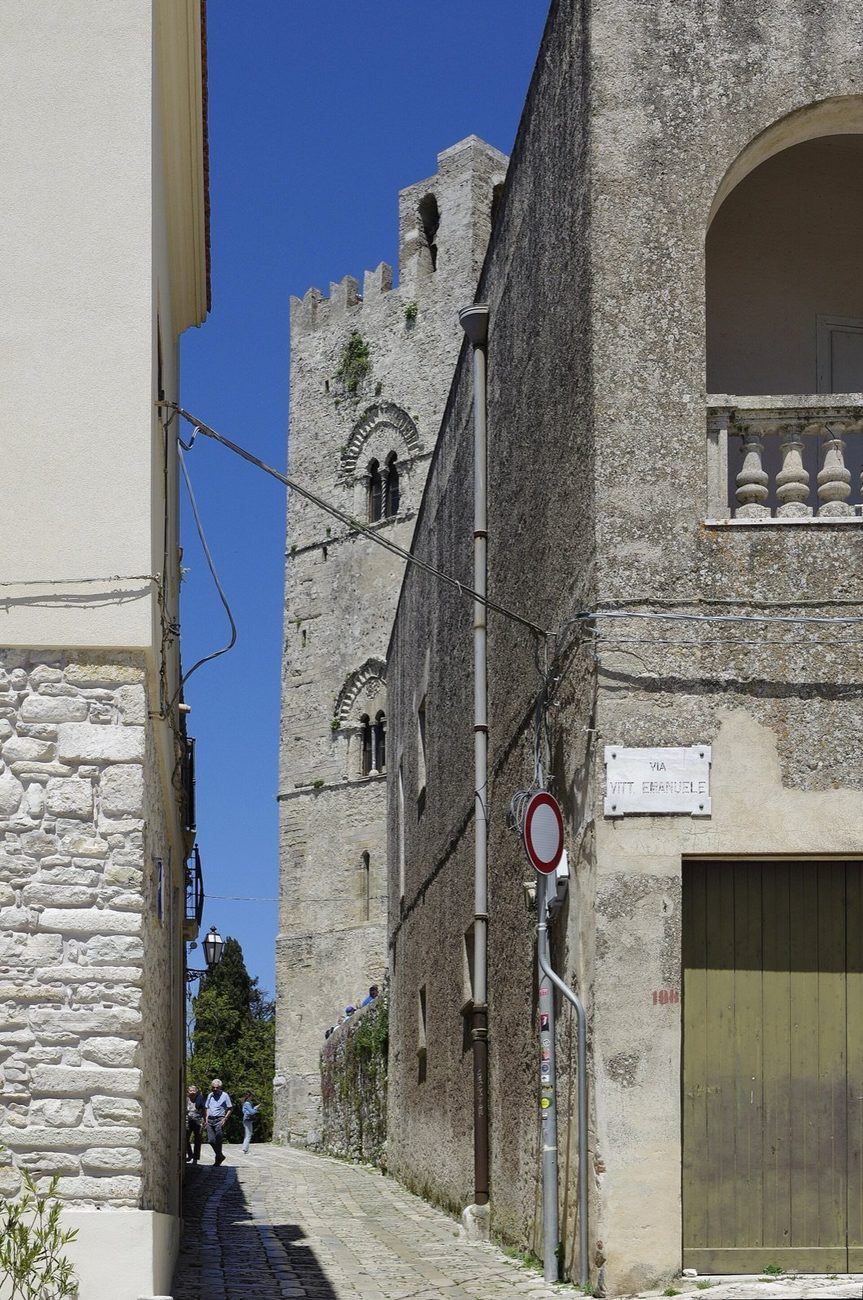
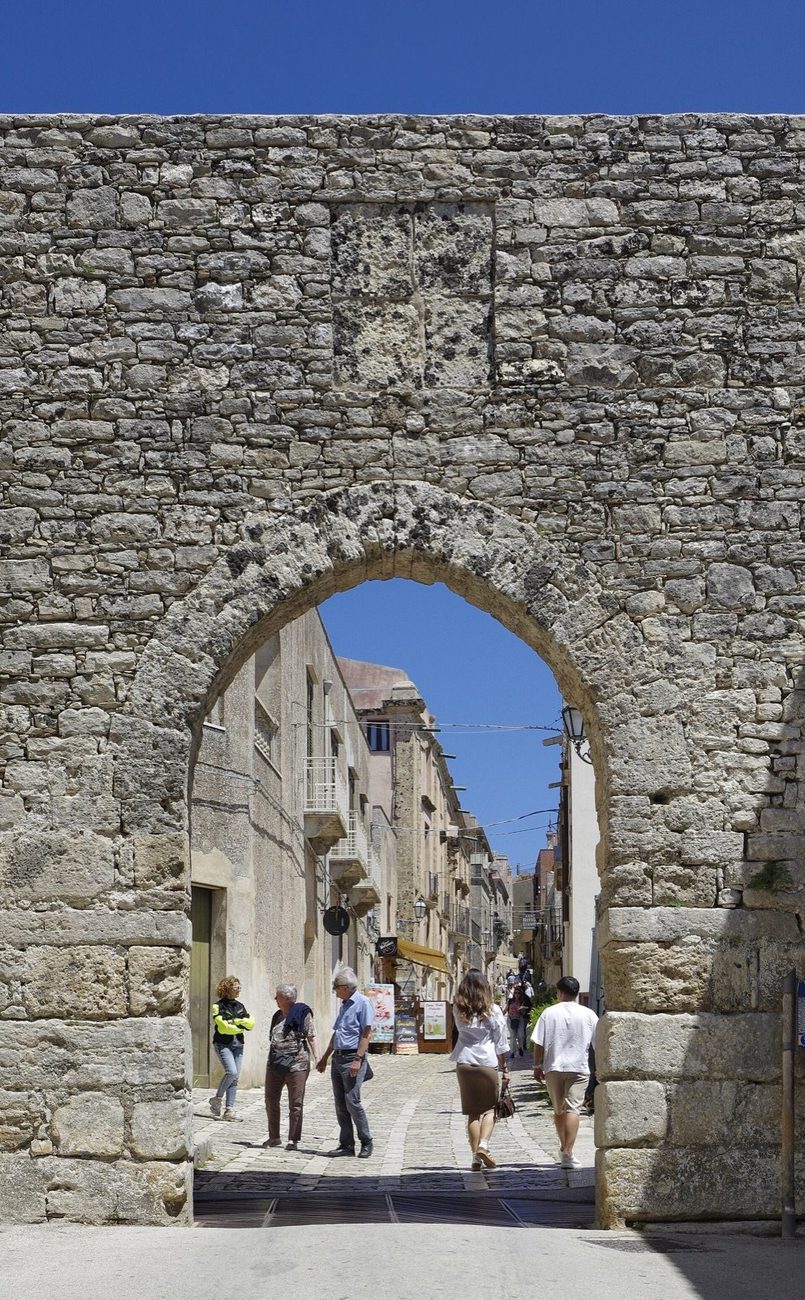
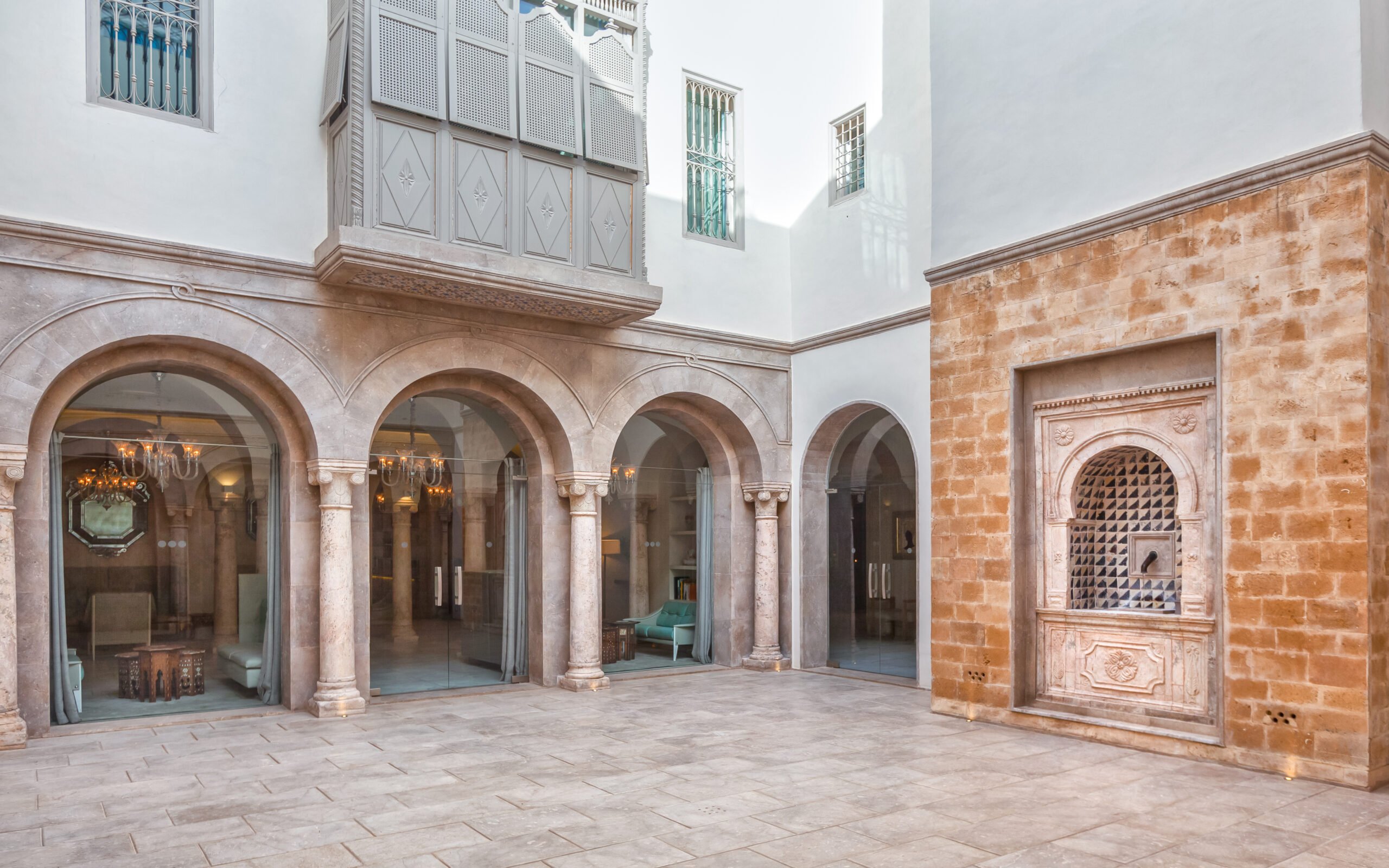
Inside the walls the streets are paved in grey stone worn smooth, set in close patterns that shed the rain down the slope. We walked them with our collars turned up, past courtyards that opened and closed like shutters as we passed. A town built this high learns to keep its warmth behind doors, and to let the fog have the lanes to itself.
Erice spends half its life inside a cloud, and it is the better for it.
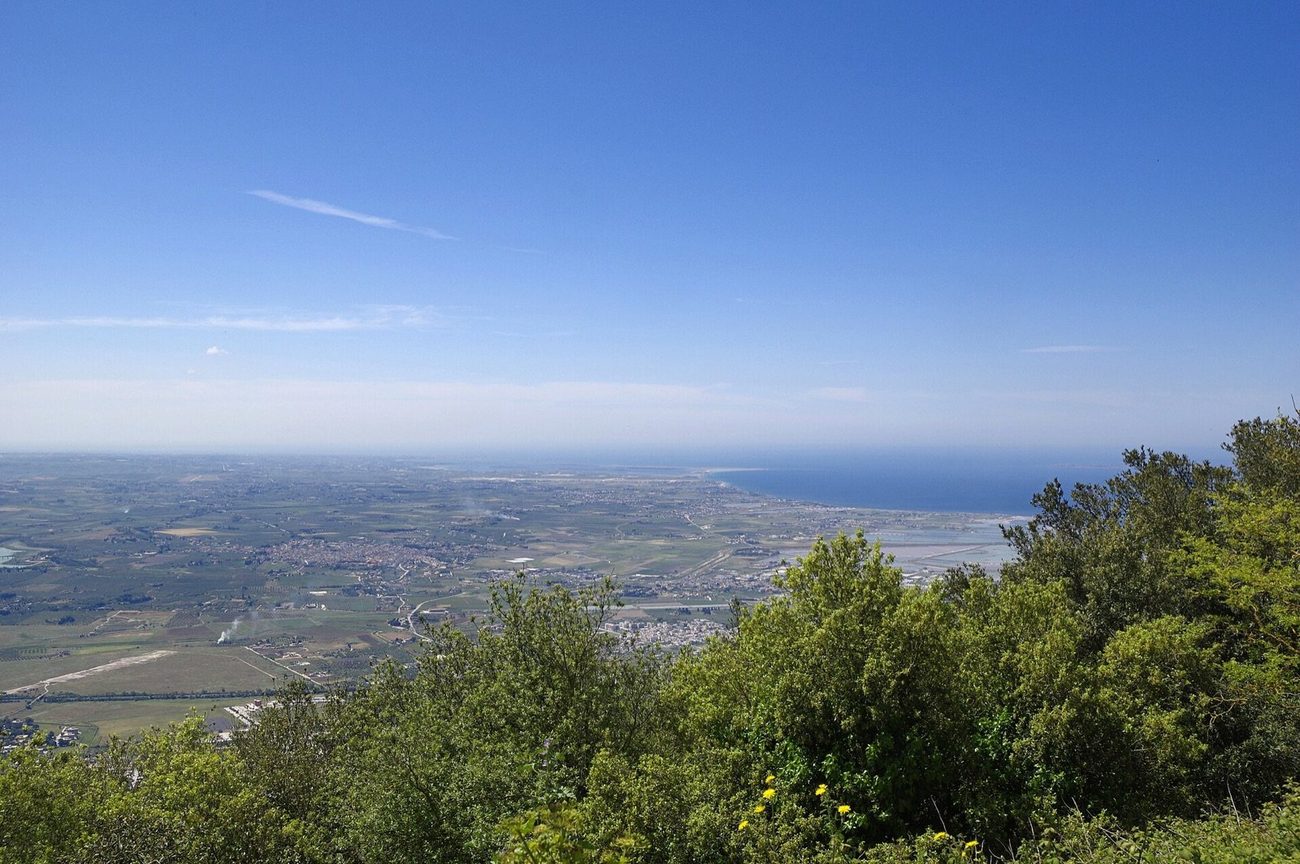
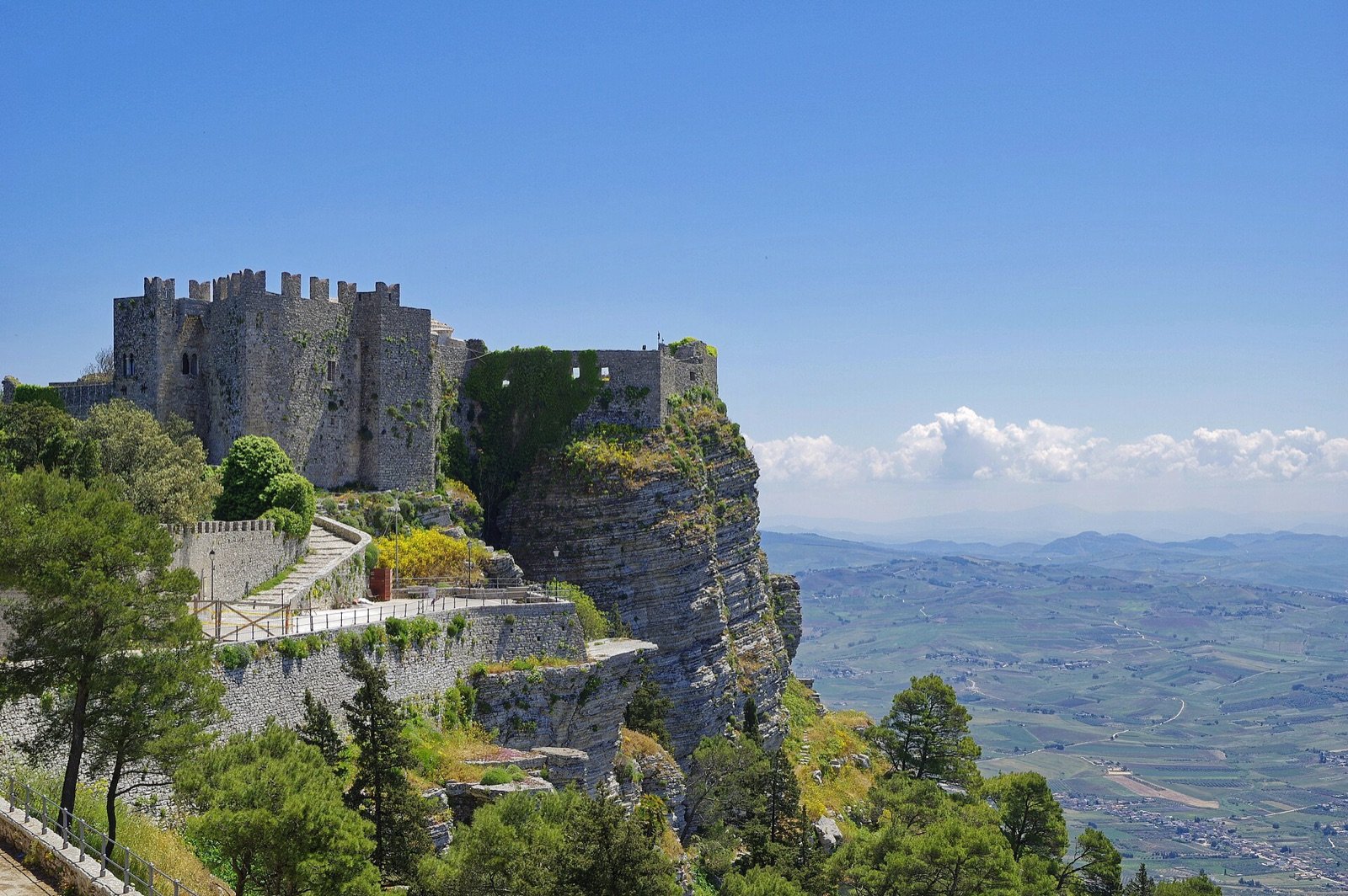
At the eastern edge stands the Castello di Venere, a Norman fortress of the twelfth century raised over the old sanctuary of Venus Erycina, where sailors once climbed to leave offerings to the goddess who watched the sea. We reached it as the mist thinned for a quarter of an hour. Below lay the salt pans of Trapani laid out like broken glass, and beyond them the low shapes of the Egadi islands, before the grey closed over again and took the lot.
Then there are the pastries. Maria Grammatico learned her almond work as a girl inside the town's convent orphanage, where the nuns kept their recipes as closely as their prayers. She left, opened her own shop, and set those secrets loose. We queued for marzipan fruit coloured like a market stall, for genovesi still warm and dusted white, for the bitter-almond sweets that taught the town its taste. You eat them standing, watching the door for the weather.
We took the last car down as the light went. Behind us Erice was already gone, folded back into its cloud, a stone town keeping its own counsel on the roof of western Sicily. It will be there in the morning, or it will not show itself at all. That is the arrangement, and the town has kept to it for a very long time.