On the Rise
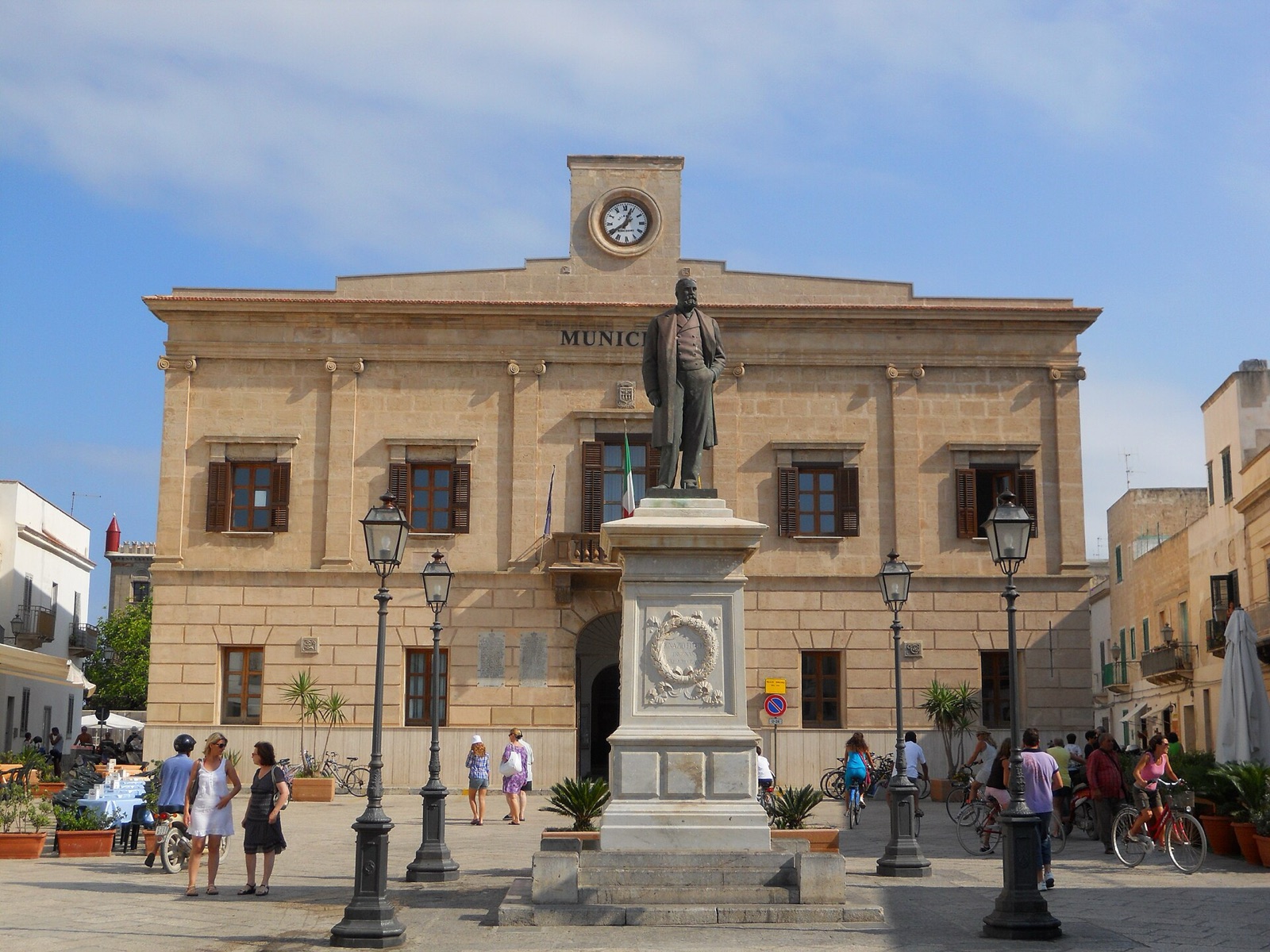
The hydrofoil from Trapani takes under half an hour, and for most of it Favignana lies low on the water, a flat green shape the old maps read as a butterfly. Two wings, a narrow waist, a small town at the pinch. We came for the light and the quiet, and found an island still working out what it wants to be.
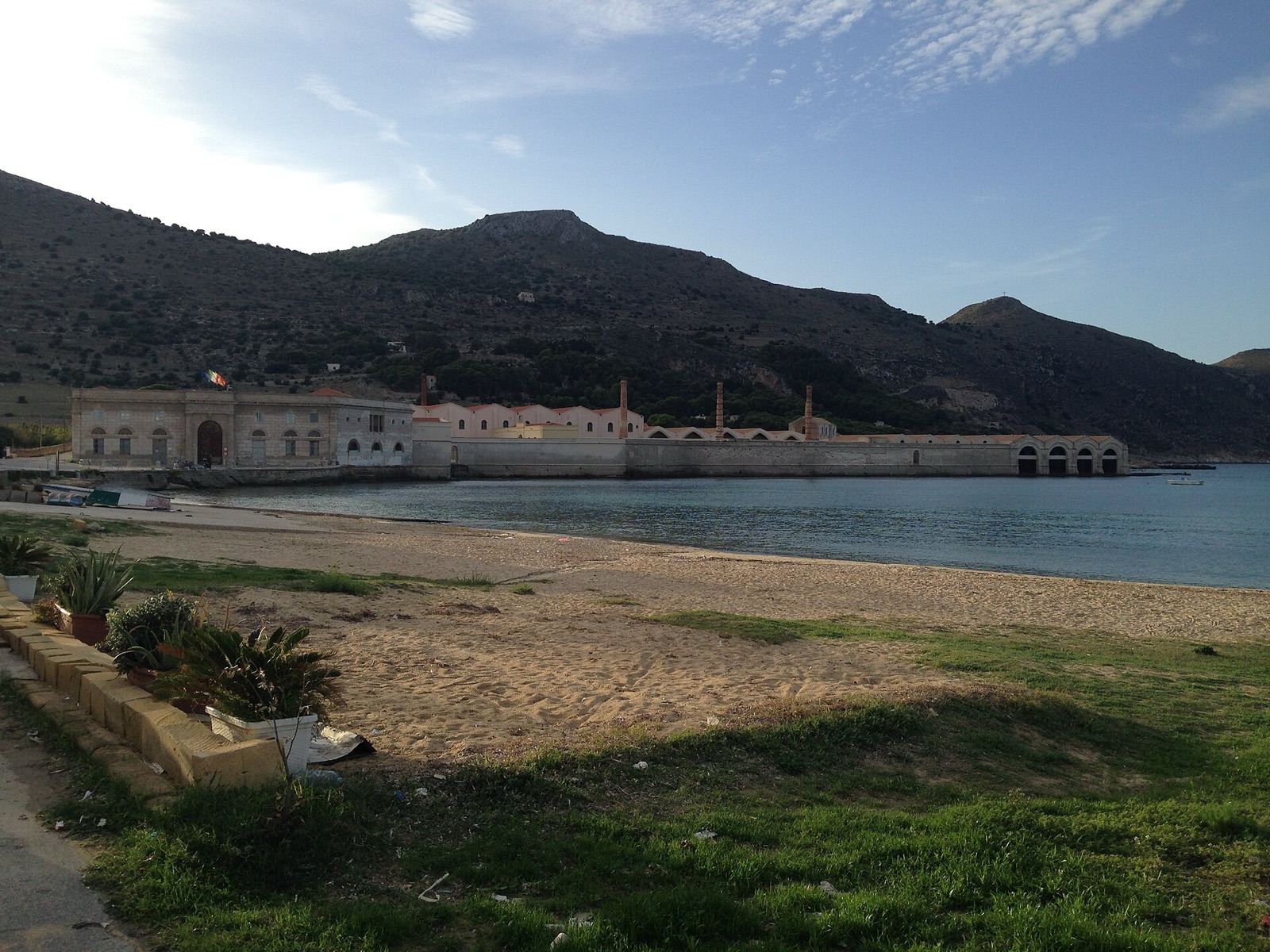
For most of its history Favignana meant tuna. The Egadi, three islands scattered off the western tip of Sicily, sit across the spring migration route of the bluefin, and the people here built a culture around trapping it. The tonnara, a great maze of nets, funnelled the fish toward the mattanza, the killing, a ritualised harvest with its own chants and its own captain, the rais. In 1874 the Florio family bought the islands and raised a huge cannery on the harbour. For a while the money followed.
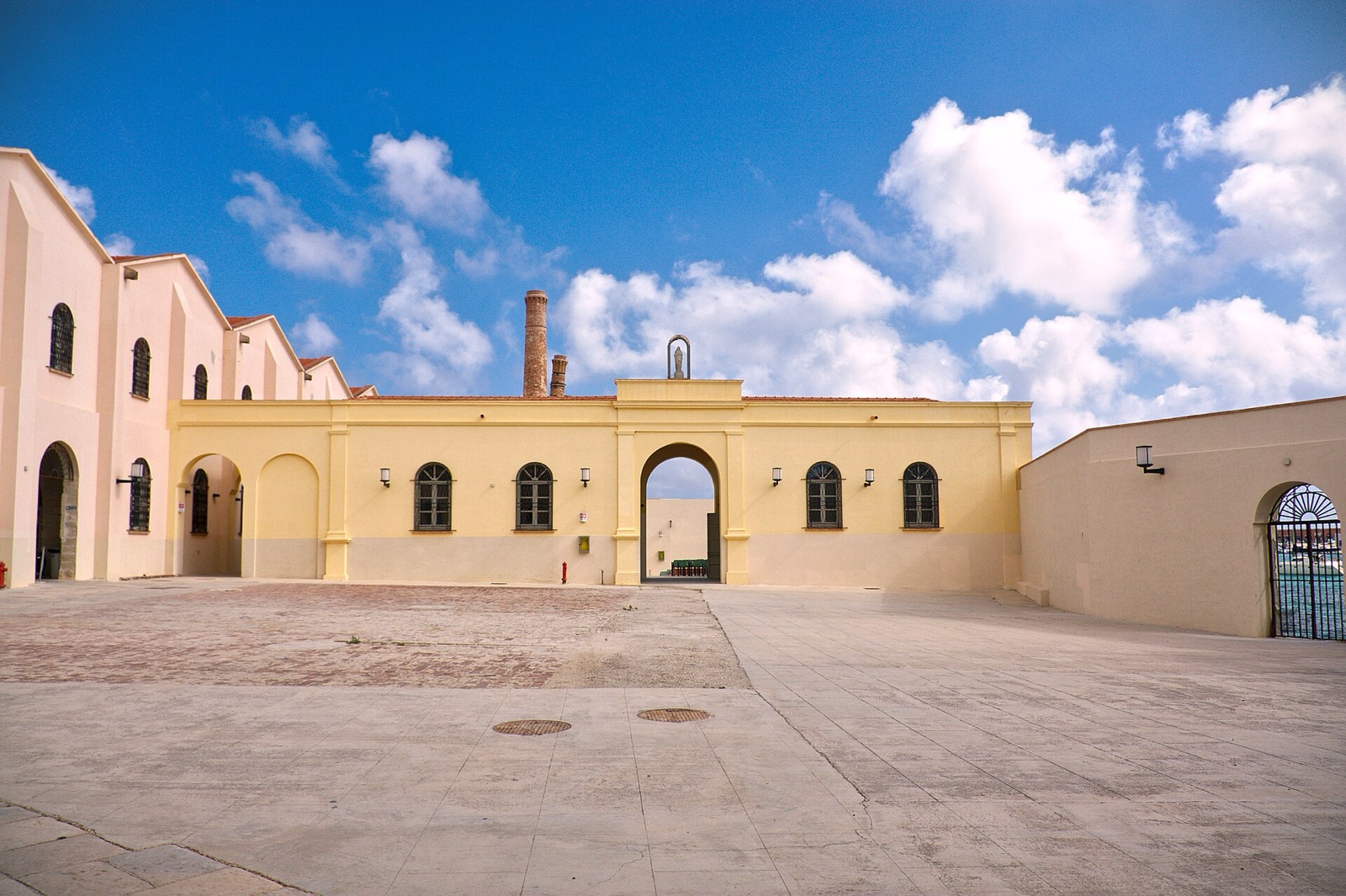
That world has closed. The Florio works reopened as a museum in the 1990s, its vaulted halls and idle cauldrons now walked by visitors rather than fishermen. The bluefin, overfished across the whole Mediterranean, no longer come in the old numbers. What Favignana has instead is time, and a slowly sharpening sense of how to offer it.
An island that once measured its year by the killing of fish now measures it by the turn of a bicycle wheel.
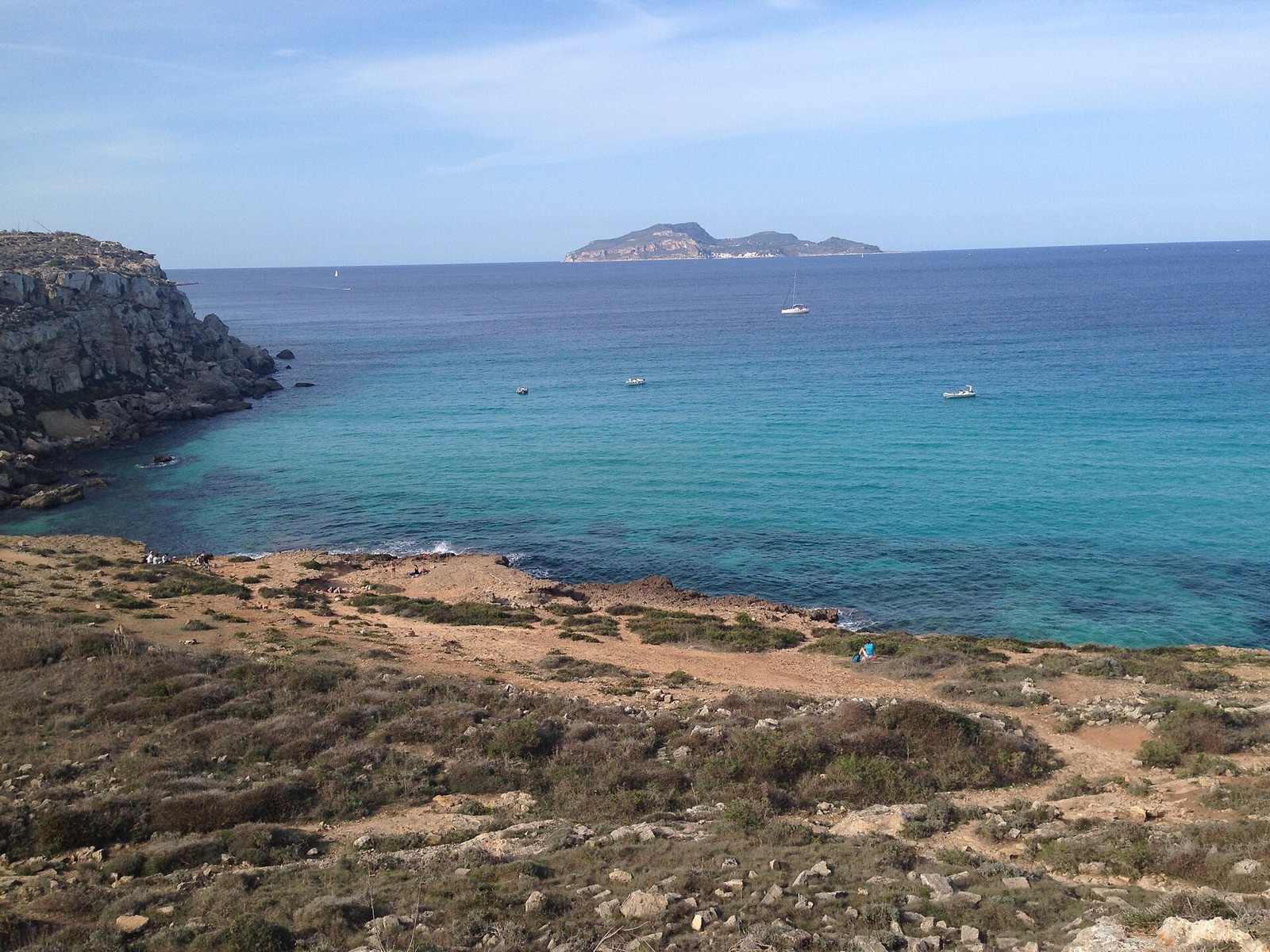
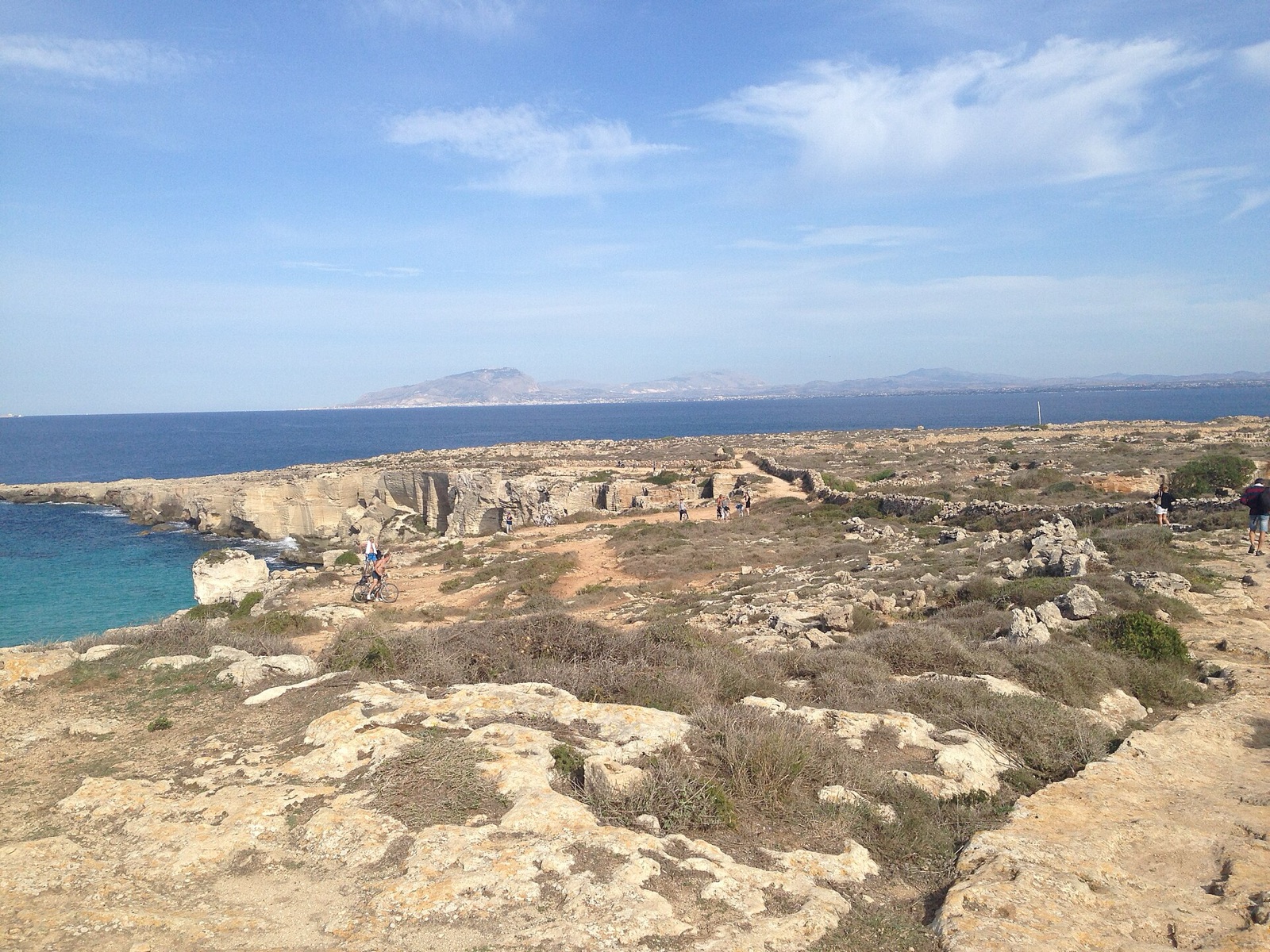
The land makes the case. The eastern wing is almost flat, cut for centuries into calcarenite, the soft golden stone the locals call tufo. It was shipped out to Tunisia and Libya, and left behind a country of sunken quarries, some now planted as gardens, their walls dropping in clean right angles to the sea. At Cala Rossa the old quarry faces meet water so clear it looks invented. The cove's name, Red Cove, remembers a Roman victory over Carthage fought just offshore in 241 BC, when the dead are said to have coloured the shallows.
You move through all of it by bicycle. The distances are short, the gradients mild, and a car is mostly in the way. We rode from the town out to the western hills, where Monte Santa Caterina carries a Saracen fort at 314 metres, then back to a quarry cove for a swim before the day boats arrived from Trapani. That is the argument for Favignana now. Come slowly, stay past the last hydrofoil, and let the island keep the pace it prefers.
One selection at a time, in your inbox. Subscribe →