On the Rise
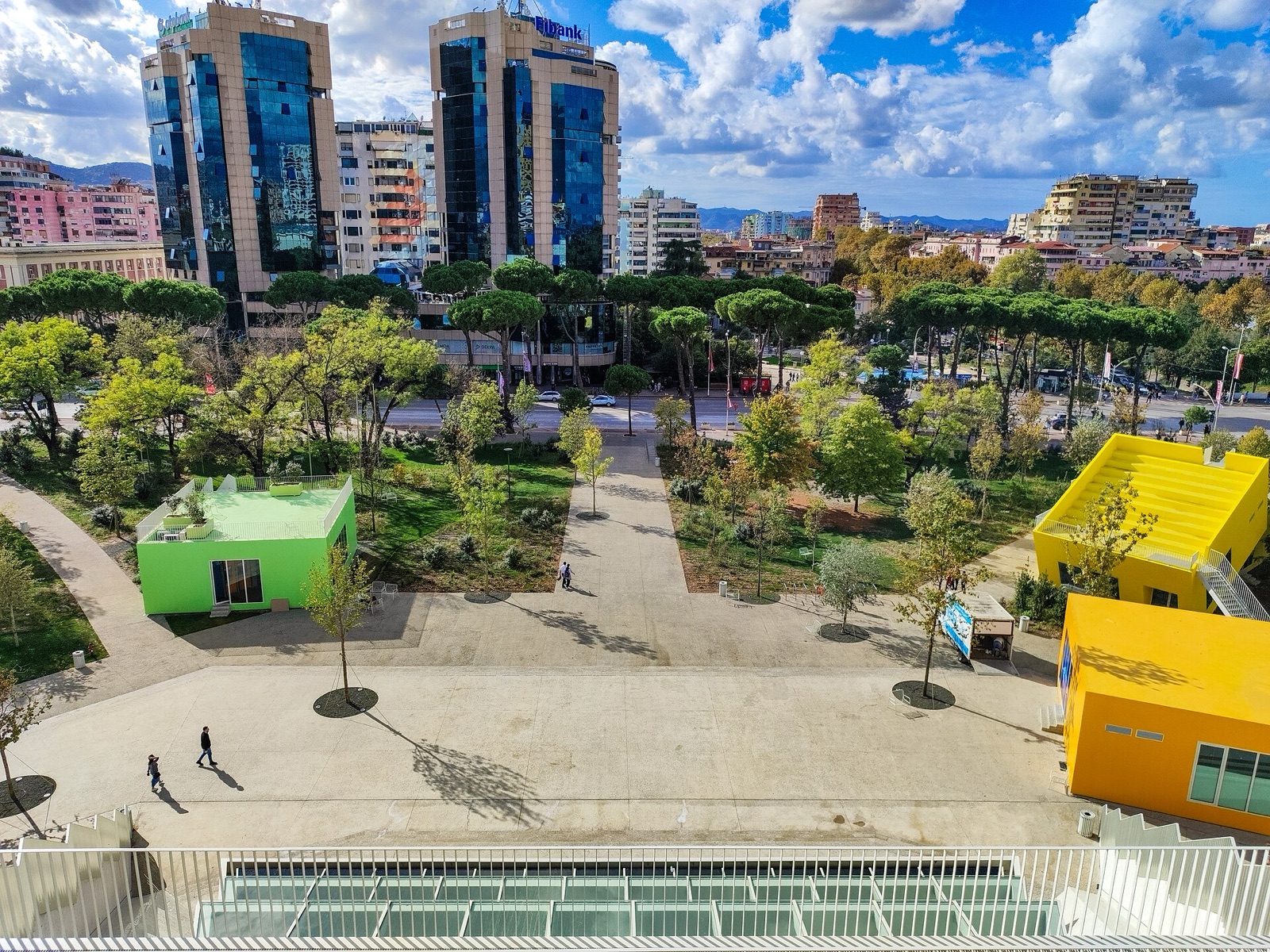
We arrived expecting grey. Every account of communist Albania had promised it: the long isolation, the bunkers, the rationed light. What we found instead was a city painted like a spilled box of pastels, orange set against violet against a flat municipal green, the old apartment blocks turned into something closer to a mural than a skyline.
The colour has an author. Edi Rama trained as a painter before he turned to politics, and as mayor of Tirana from 2000 to 2011 he had the city's worn socialist facades painted in bold blocks of colour. The budget was close to nothing, so paint stood in for money, a way of telling residents that someone was finally paying attention. Rama has been prime minister of Albania since 2013, and the gesture has long outlived his years at the town hall.
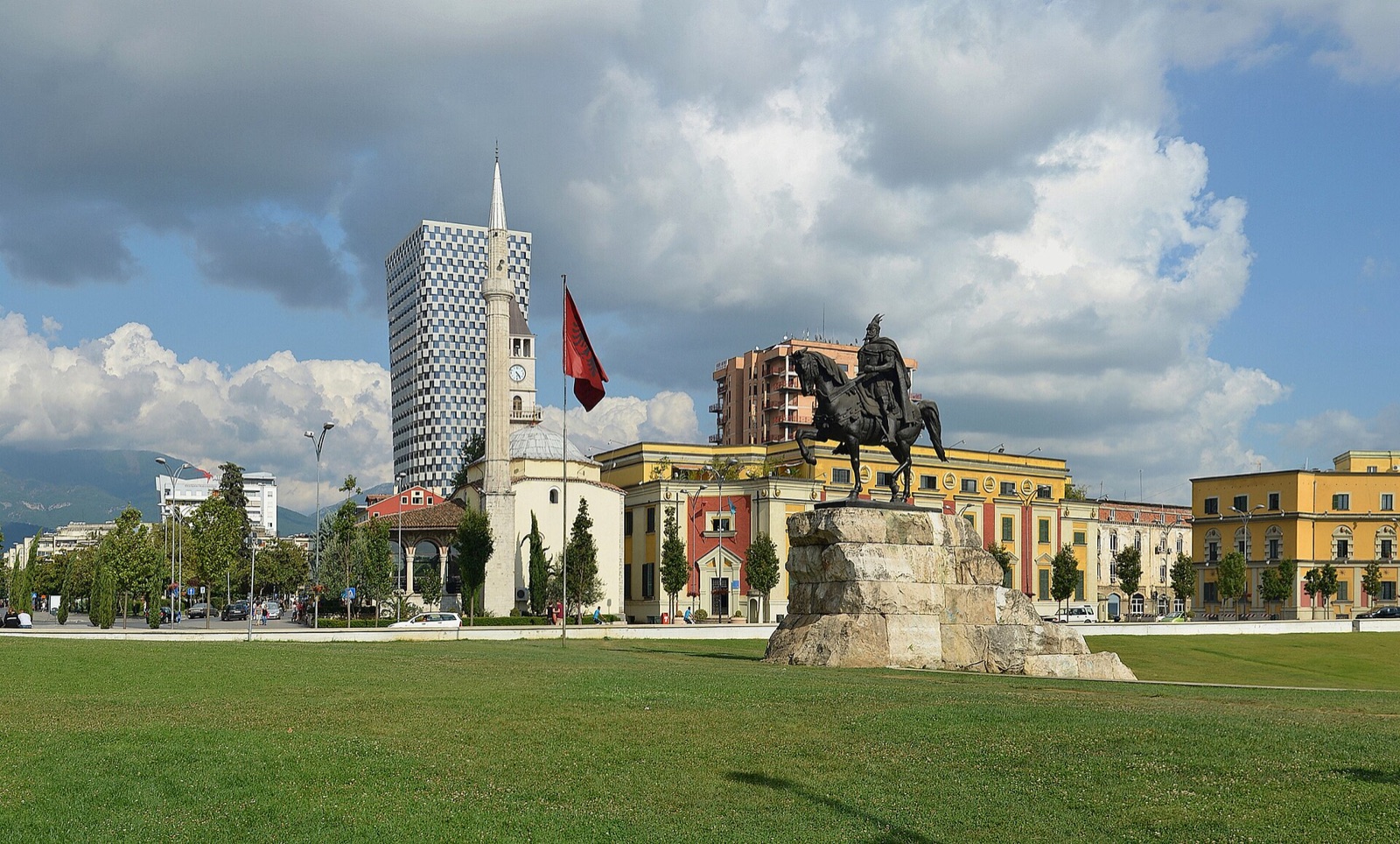
Albania spent nearly half a century sealed off, the most closed country in Europe, and Tirana wore that isolation in its concrete. The recovery has been quick and uneven. In two decades the city has gone from a place travellers skipped on the way to the coast to one they fly in for, pulled by prices that feel like a different decade and a centre small enough to cross on foot.
Paint was the cheapest possible promise, and somehow the city chose to believe it.
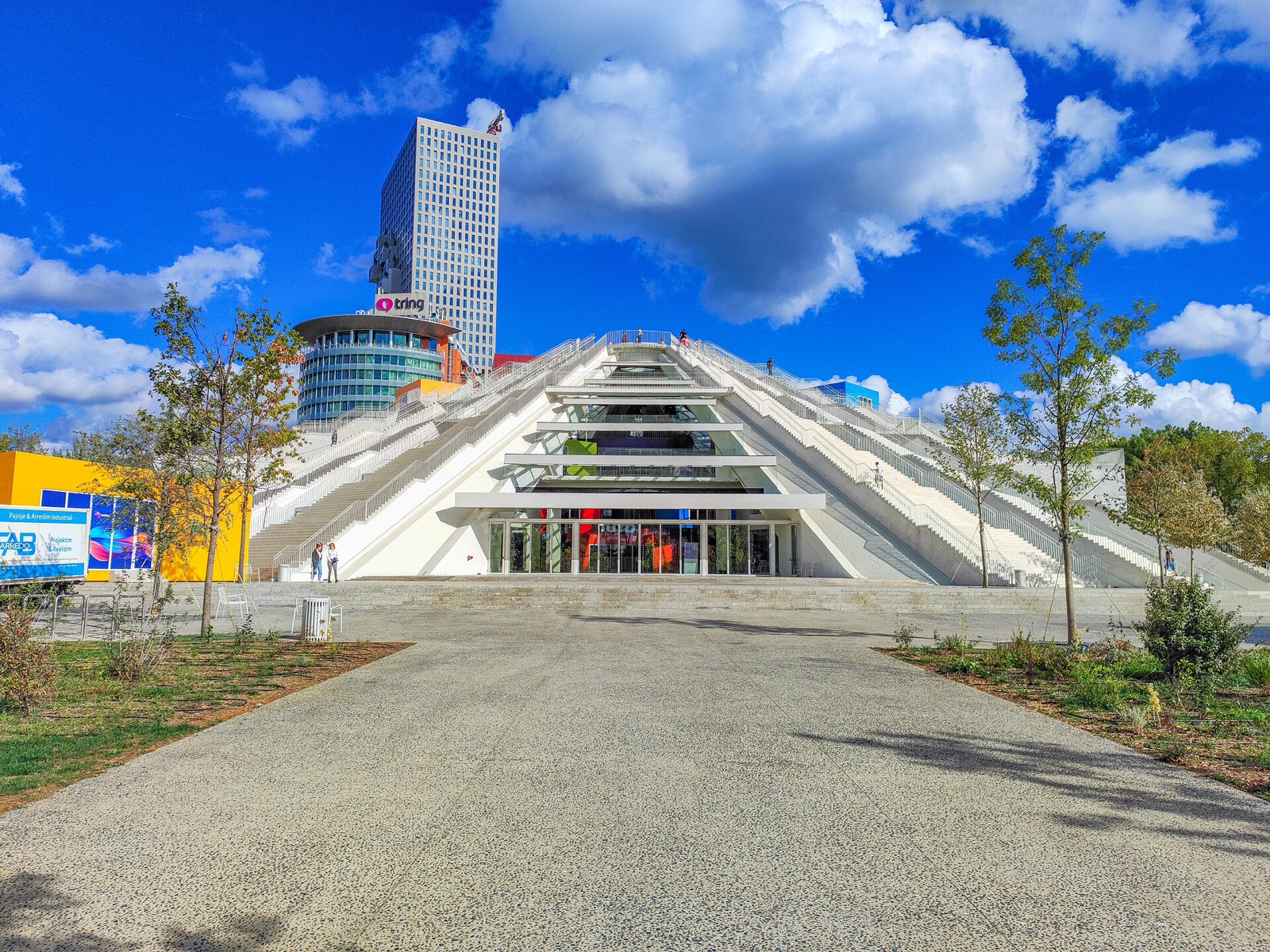
Nothing carries the story like the Pyramid. Built in 1988 as a museum to the dictator Enver Hoxha, it passed the next three decades as a conference hall, a NATO base during the Kosovo war, and finally a ruin that teenagers climbed and sprayed. After a renovation by the Dutch studio MVRDV it reopened in October 2023, now a free technology and education centre for the young, its sloping concrete flanks rebuilt as steps you are meant to walk up. The afternoon we visited, children were running the gradient as though it had always been a staircase.
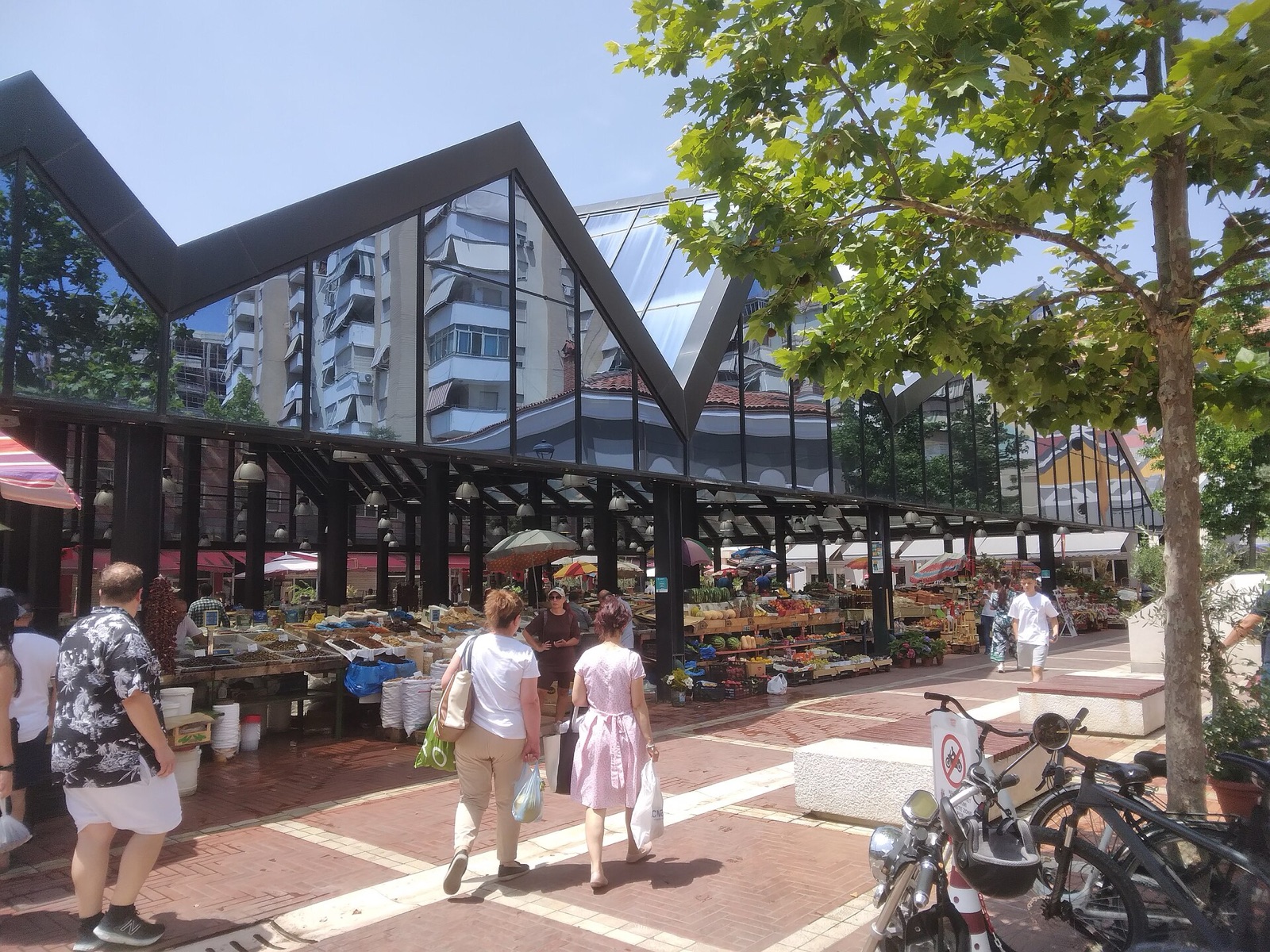
The rest of the centre rewards slow walking. Blloku, once the sealed quarter where only the Party elite could live and ordinary Albanians were forbidden to set foot, is now the densest grid of cafes and bars in the country. The restored New Bazaar keeps produce, grilled meat and raki within a few streets of one another. A warm byrek costs less than a coffee elsewhere in Europe, and the raki tends to arrive whether or not you asked for it. Behind it all sits Mount Dajti, reached by a cable car, the green ridge the city walks up to at weekends.
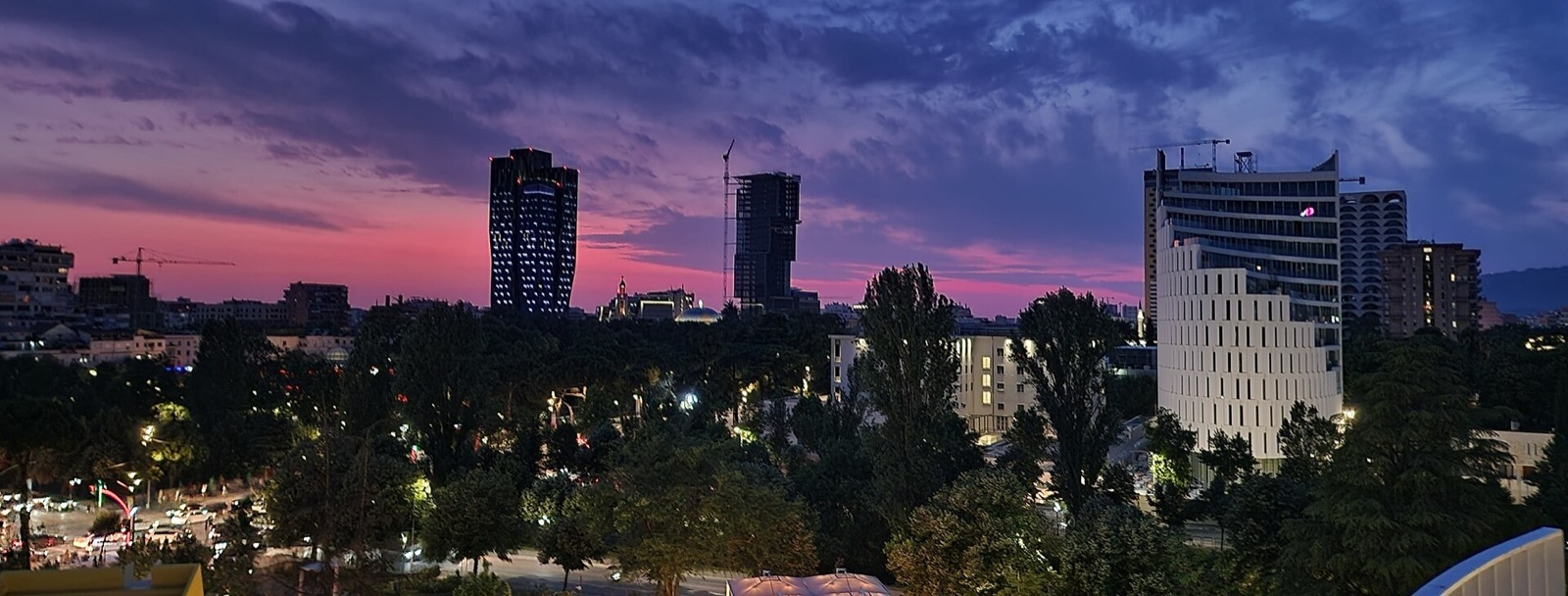
Tirana is not finished, and some of it is rising too fast, glass towers crowding the low Ottoman streets, money arriving quicker than the planning can follow. We would go now, while the colour is still cheap and the welcome still carries a faint surprise that you came at all.
Compromise in colours is grey, and we have enough grey to last us a lifetime.
Edi Rama, former mayor of Tirana
One selection at a time, in your inbox. Subscribe →