On the Rise
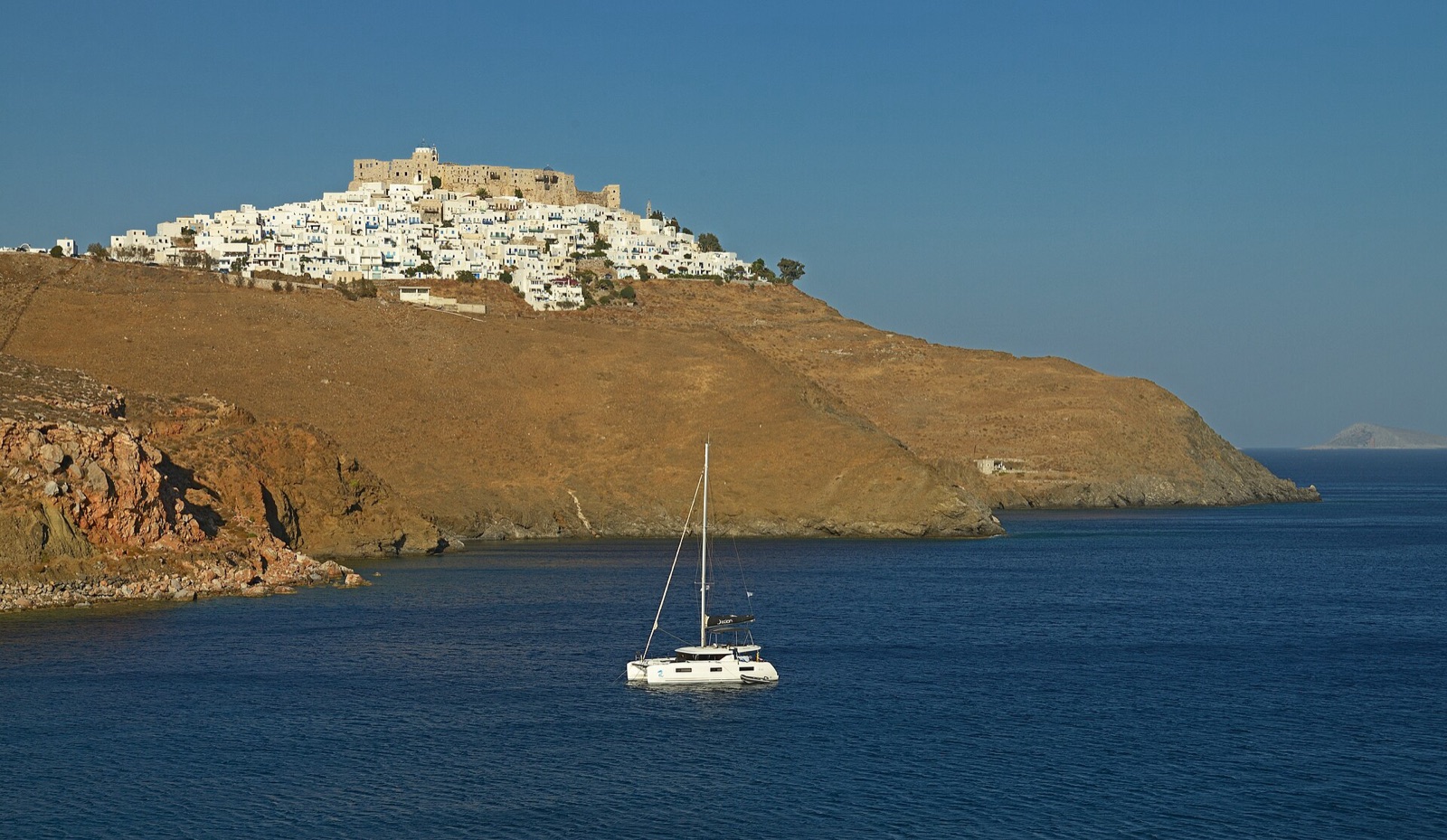
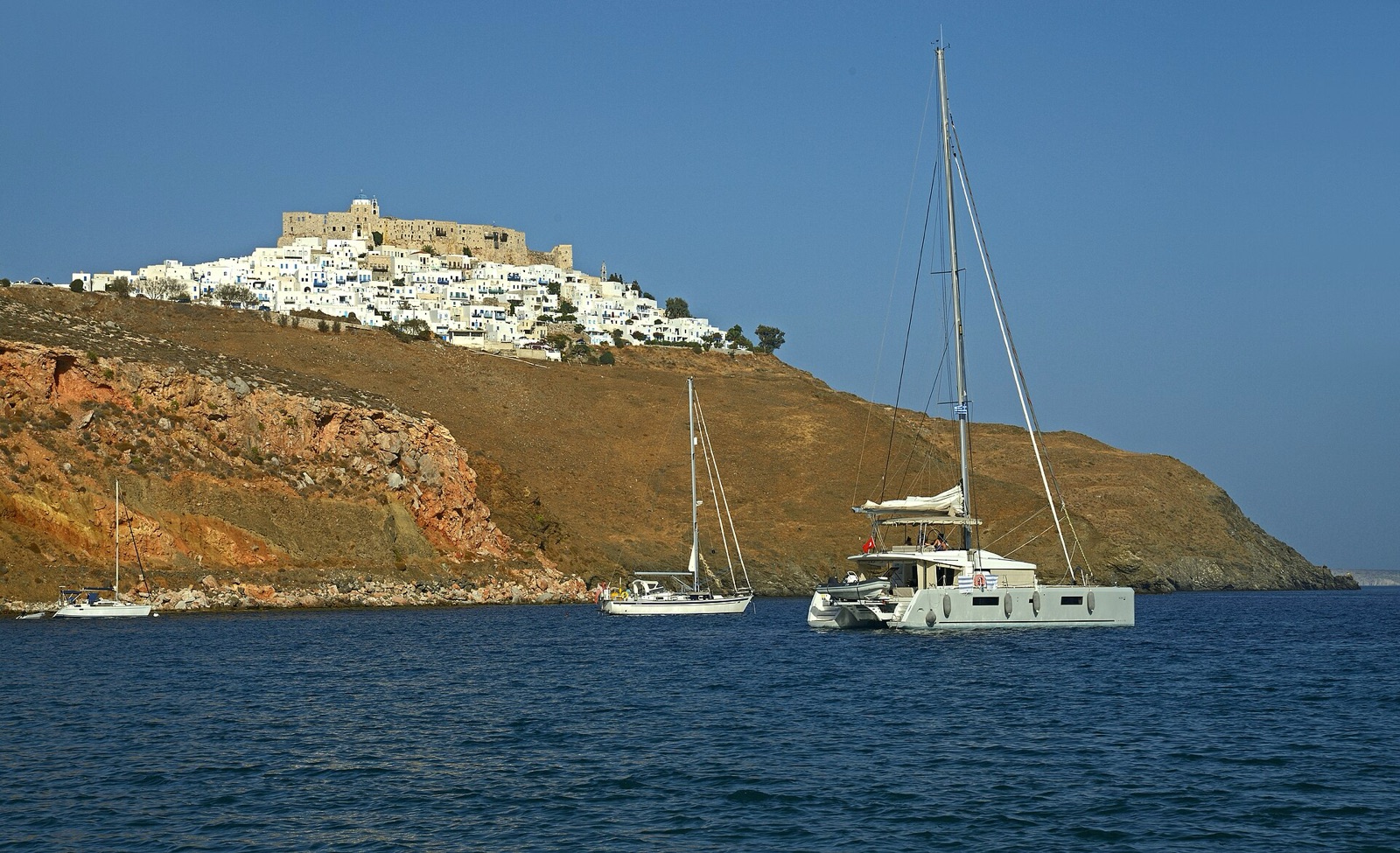
We came for the light and the castle, the way most people come to Astypalea. The butterfly of the Aegean sits far out in the Dodecanese, two winged halves pinched at a narrow waist, its whitewashed Chora climbing to the Querini fortress that a Venetian family held from 1207 until 1522. What we did not expect was the quiet. Not the quiet of a small island out of season, but a mechanical one, the plain absence of engine noise.
Since 2021 the island has been a joint project of the Volkswagen Group and the Greek state, a five-year attempt to see whether a whole community can be moved onto electricity at once. Almost every car newly registered here is now electric. The fleet has grown from none to more than eighty, and the stated ambition is a thousand.
The interesting part is not the cars. It is how you move without owning one. A ride-sharing service called ASTYBUS runs electric minibuses on demand, summoned by an app, and roughly a quarter of residents use it regularly. A sharing scheme, astyGO, puts electric cars, scooters and bikes within reach of anyone who lands at the small airport. On an island this size, that is close to a public transport system built from nothing.
Silence, it turns out, is the first luxury an island gives back once you take the engines away.
None of it works without power, and here the project is honest about its limits. A solar park of around three and a half megawatts, paired with battery storage, now feeds the grid. It covers all the charging the electric fleet needs and a good share of the island's wider demand, with the aim of reaching roughly eighty percent. The diesel generator has not been switched off. It has been asked to work less.
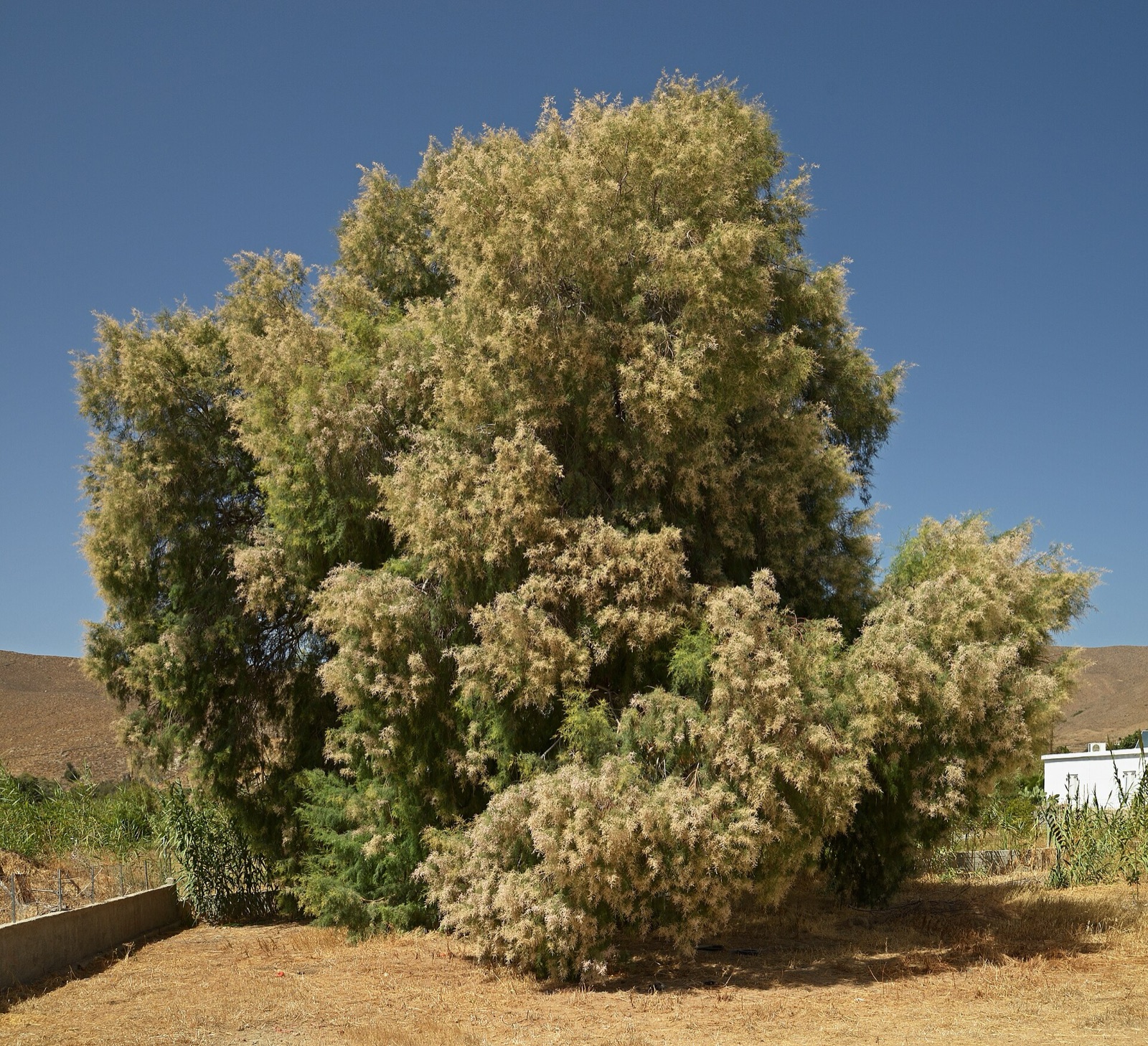
For the traveller this changes the texture of a day rather than its itinerary. You still climb to the castle at dusk, still eat at Livadi under the tamarisks, still swim from coves that take an hour of dirt road to reach. The difference is in the arrival. The taxi hums. The rental hums. You notice, by its absence, how much of a Greek island summer is usually engine.
The mayor, Nikos Komineas, has been candid that the electrification put Astypalea on the map and brought more visitors with it, drawn as much by the idea as by the beaches. That is the standing risk for anywhere on the rise. For now the trade holds, more travellers against fewer engines running, and the reward for making the long crossing is an Aegean with the volume turned down.
The increase in traffic is very much thanks to the visibility the island gained for its pioneering applications in public transport and electrification.
Nikos Komineas, Mayor of Astypalea
One selection at a time, in your inbox. Subscribe →