For quiet
Adrère Amellal
Siwa Oasis · Egypt
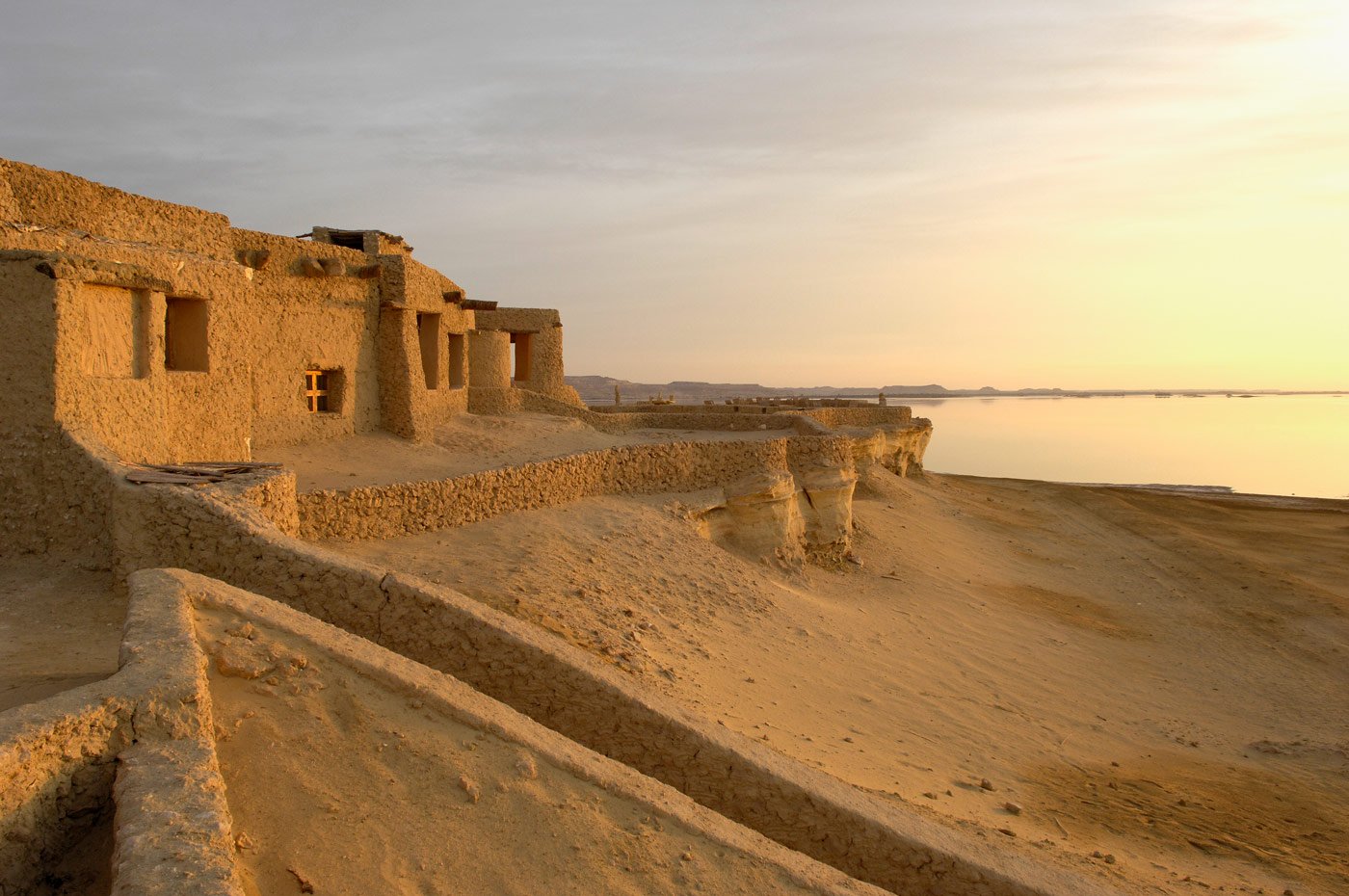
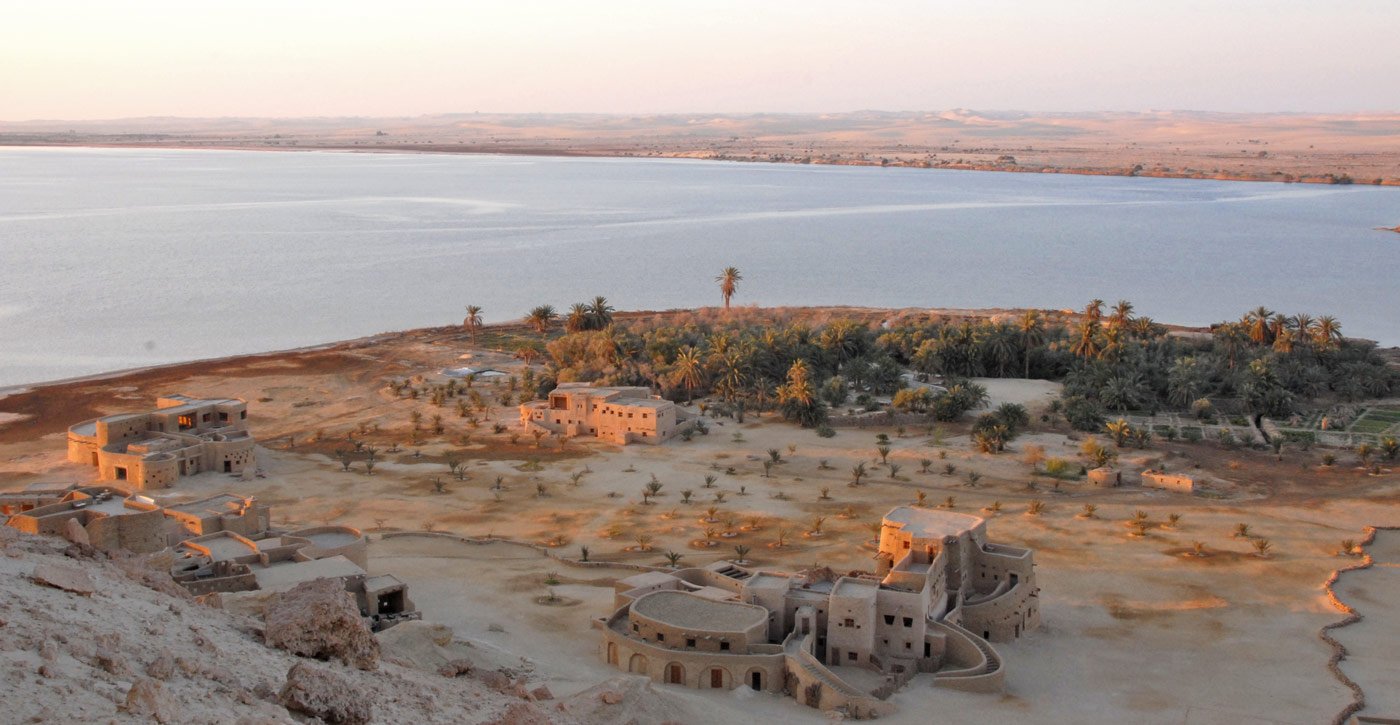
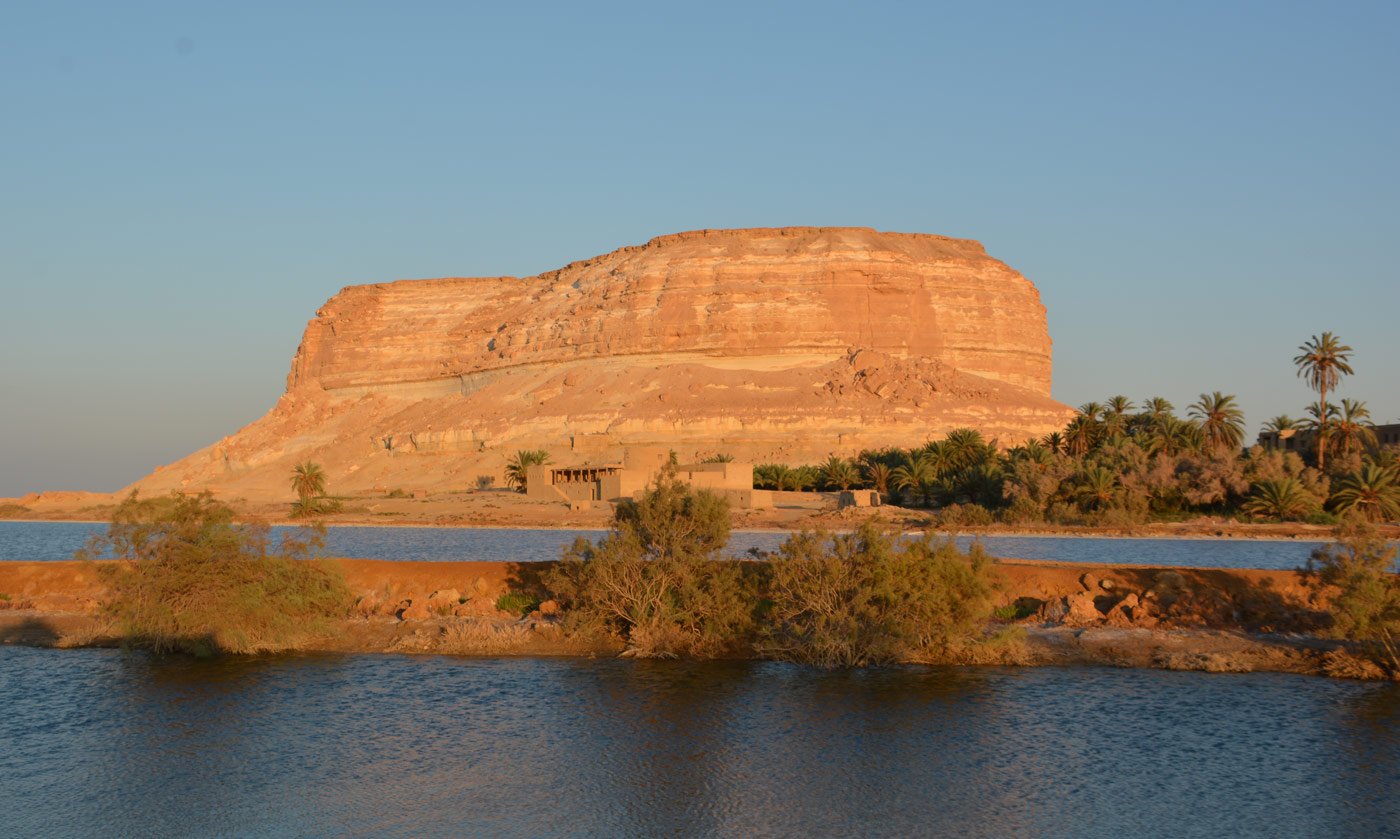
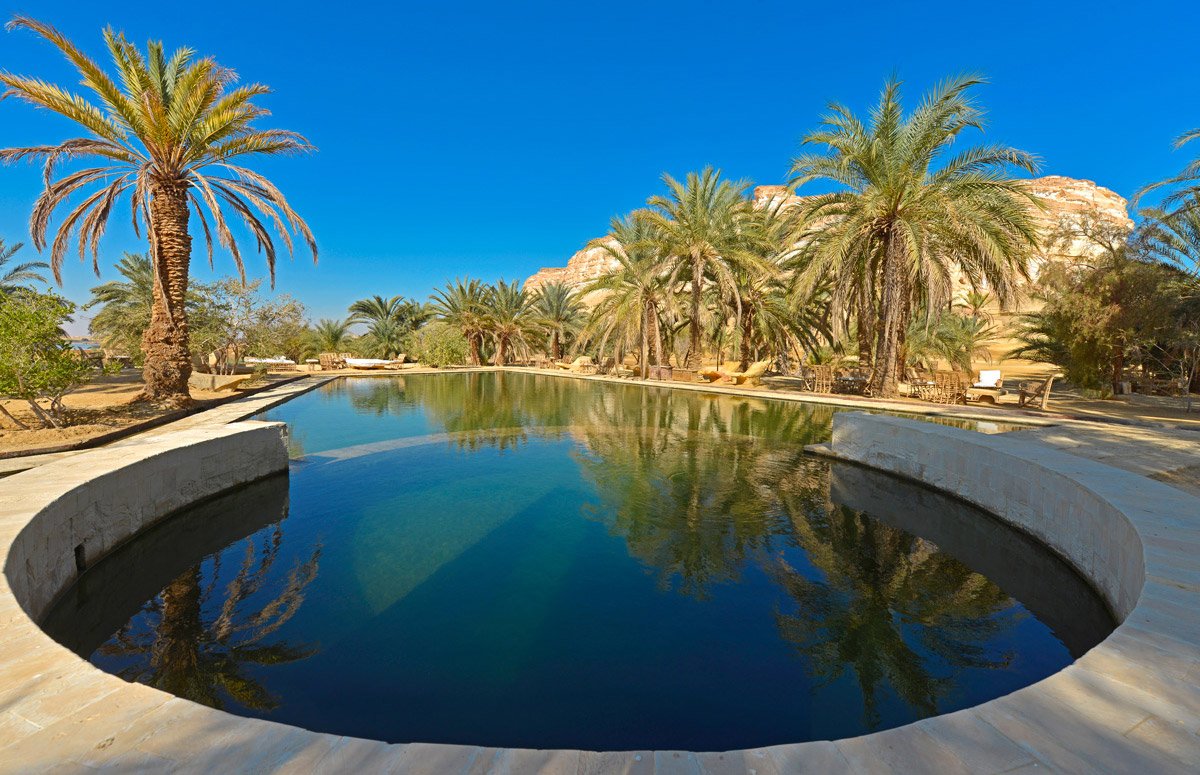
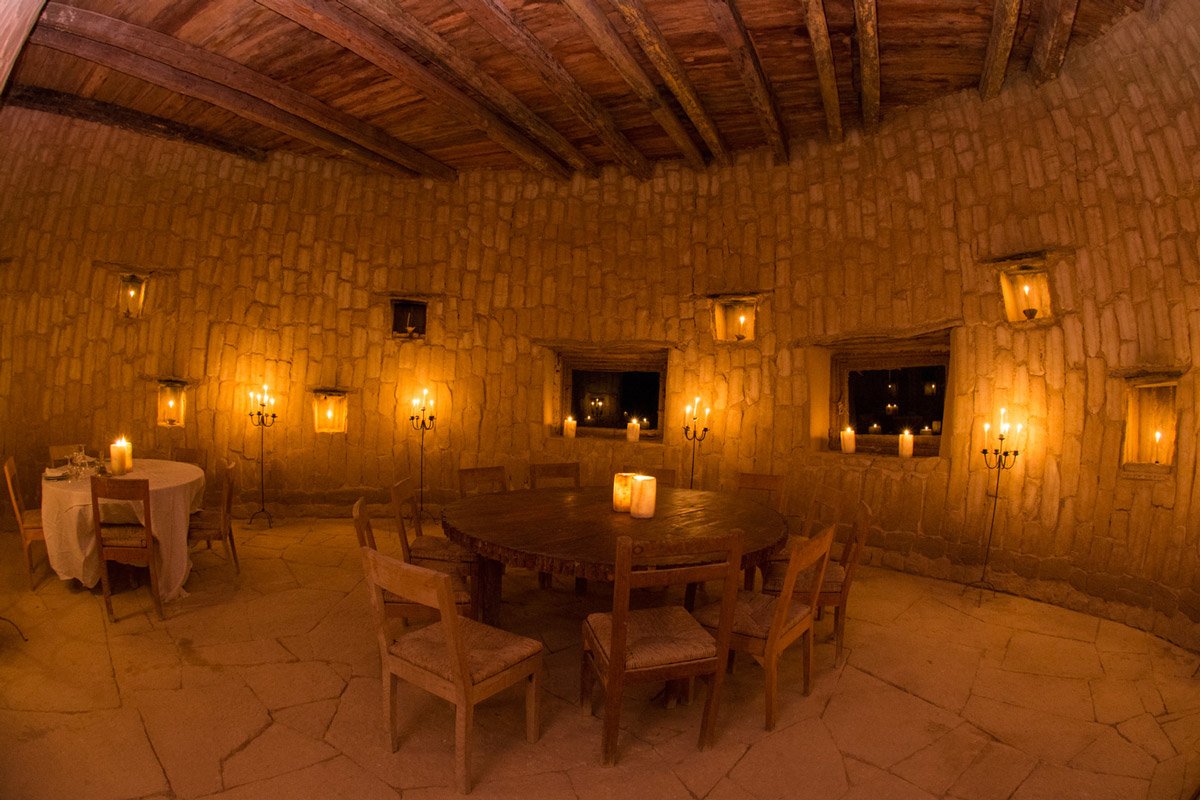
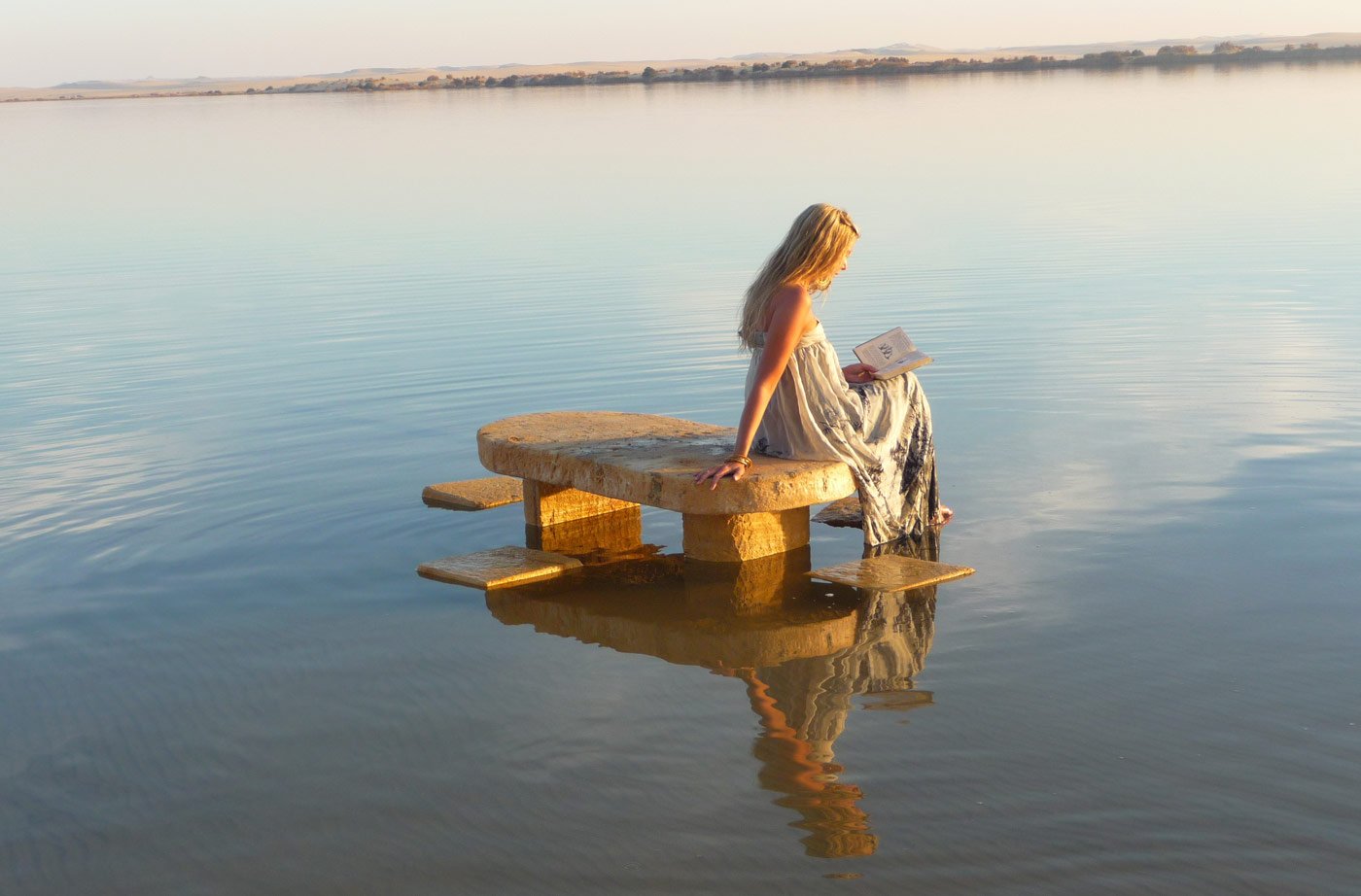
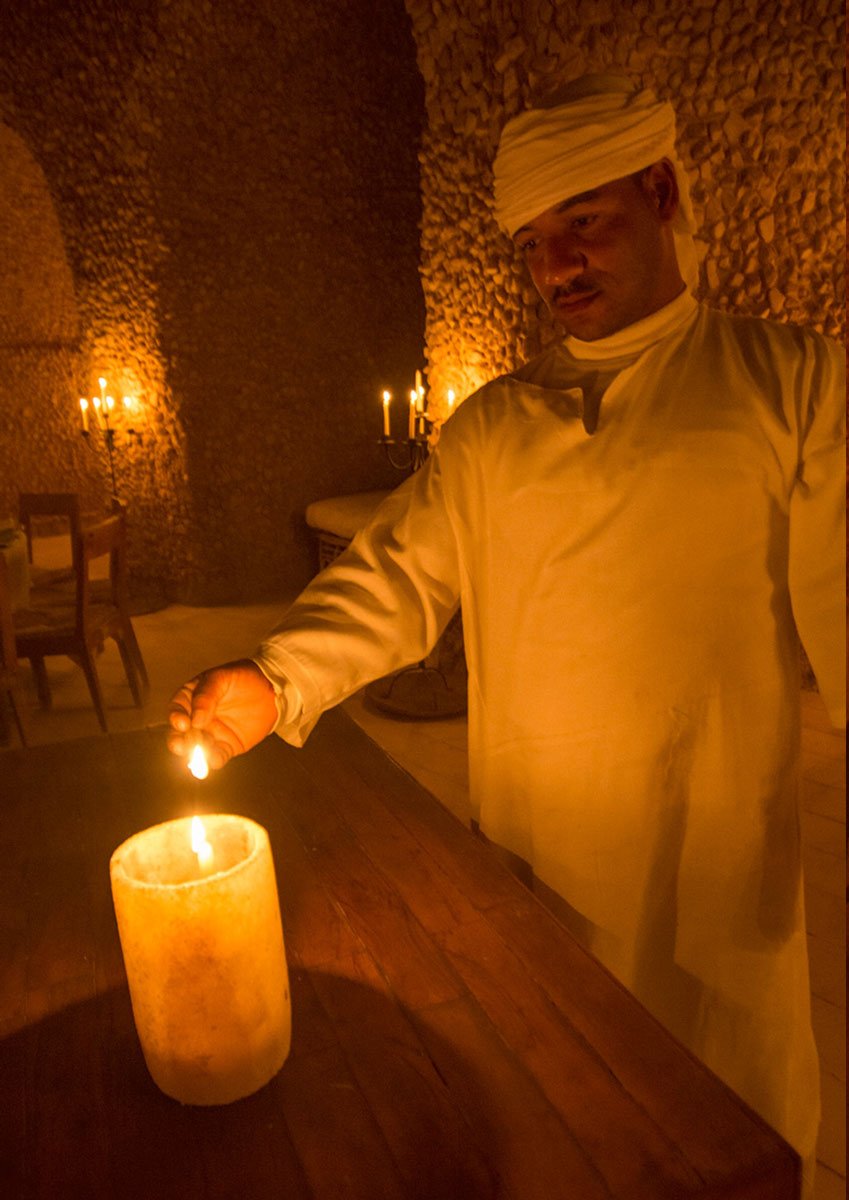
Siwa sits far out in the Western Desert, closer to Libya than to the Nile, an oasis of date palms and springs that kept its own Berber language and its own quiet long after the rest of Egypt moved on. Adrère Amellal was built into the rock at the base of the mountain that names it, the White Mountain, using kershef, the local mix of sun-dried salt, clay and straw that Siwans have laid up for centuries. The walls are thick, pale and cool against the desert. Rooms carry no telephones and no screens, and after dark they are lit by beeswax candles and oil lamps. A natural spring feeds the pool in the shade of the palm grove, and the gardens feed the kitchen.
Meals move around the property rather than sitting in one dining room. Breakfast is laid under the palms, lunch tends to happen by the water, and dinner is taken by candlelight in one of the kershef halls or out under the stars. The cooking is light and largely grown on site, herbs and vegetables picked that morning from the organic garden, local dates worked into the sweets, bread from the property's own oven. It is Egyptian at heart with a lighter European hand, and it tastes of where it is served.
Adrère Amellal does not compete on thread counts or spa menus. It offers something rarer, a genuinely remote place built by hand from what the desert gives, run as a conservation project for Siwa rather than against it. VANE's one other Egyptian house built in this handmade spirit, a candlelit place pieced together from an older Egypt, sits far off on the Nile at Luxor. You come for the walk up the mountain at dusk, the swim in a spring under the stars, the temple an hour or two across the sand where Alexander once put his questions to the oracle of Amun. There is no wifi and no air-conditioning, and the drive in is long. That is exactly what it protects.
One selection at a time, in your inbox. Subscribe →
Siwa Oasis, Egypt's Western Desert, on a salt lake below the White Mountain.
Off-grid eco-lodge; kershef salt-rock architecture; candlelight, no electricity; Desert Rooms and Salt Suites.
Organic-garden kitchen; light Egyptian-European cooking, served around the property.
Siwa town; the Oracle Temple of Amun; the dunes of the Great Sand Sea.
Free, one to one, on WhatsApp. Tell me your dates and I will point you to the right places.
Plan with me on WhatsApp