For quiet
Dar Ahlam
Skoura · Morocco
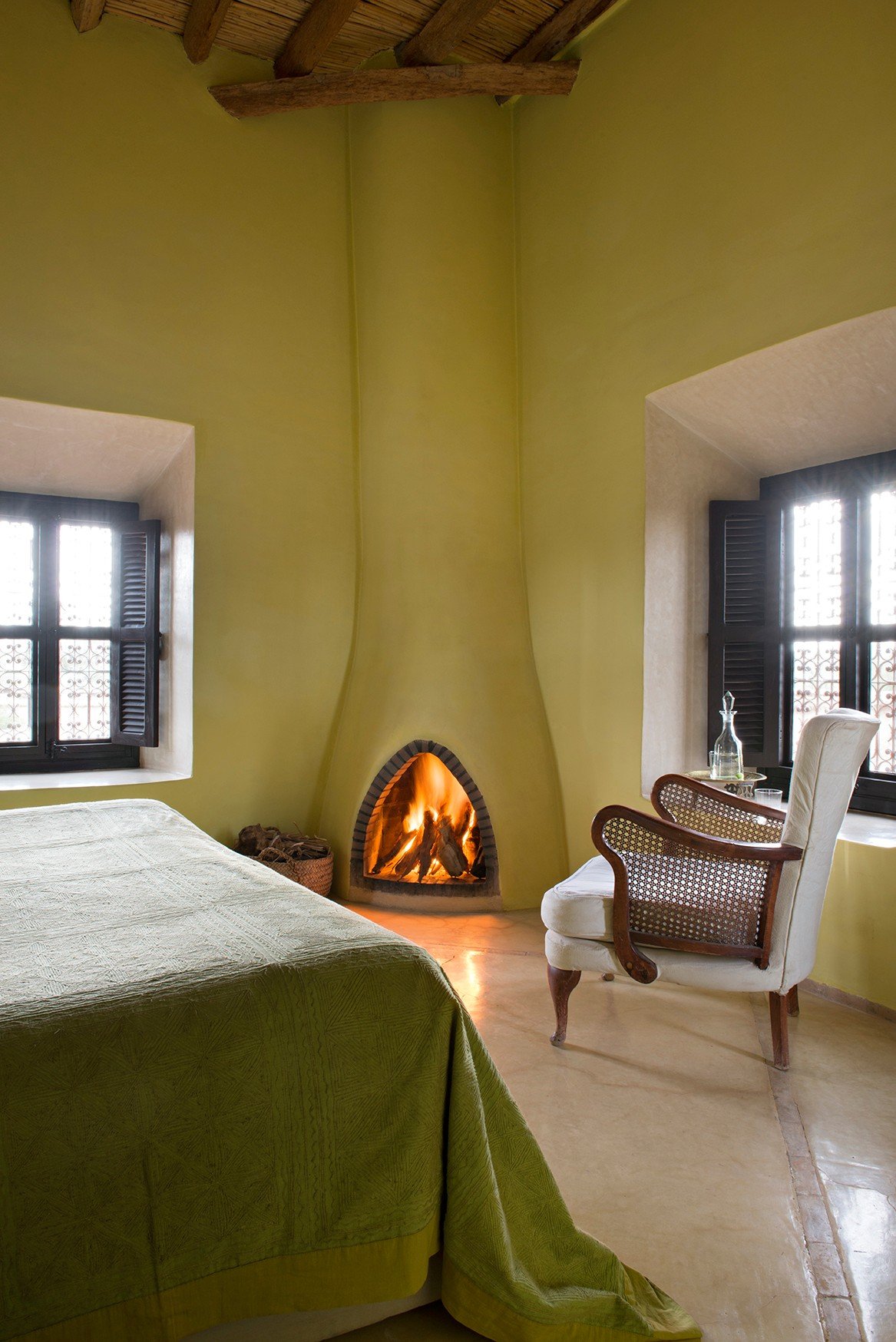
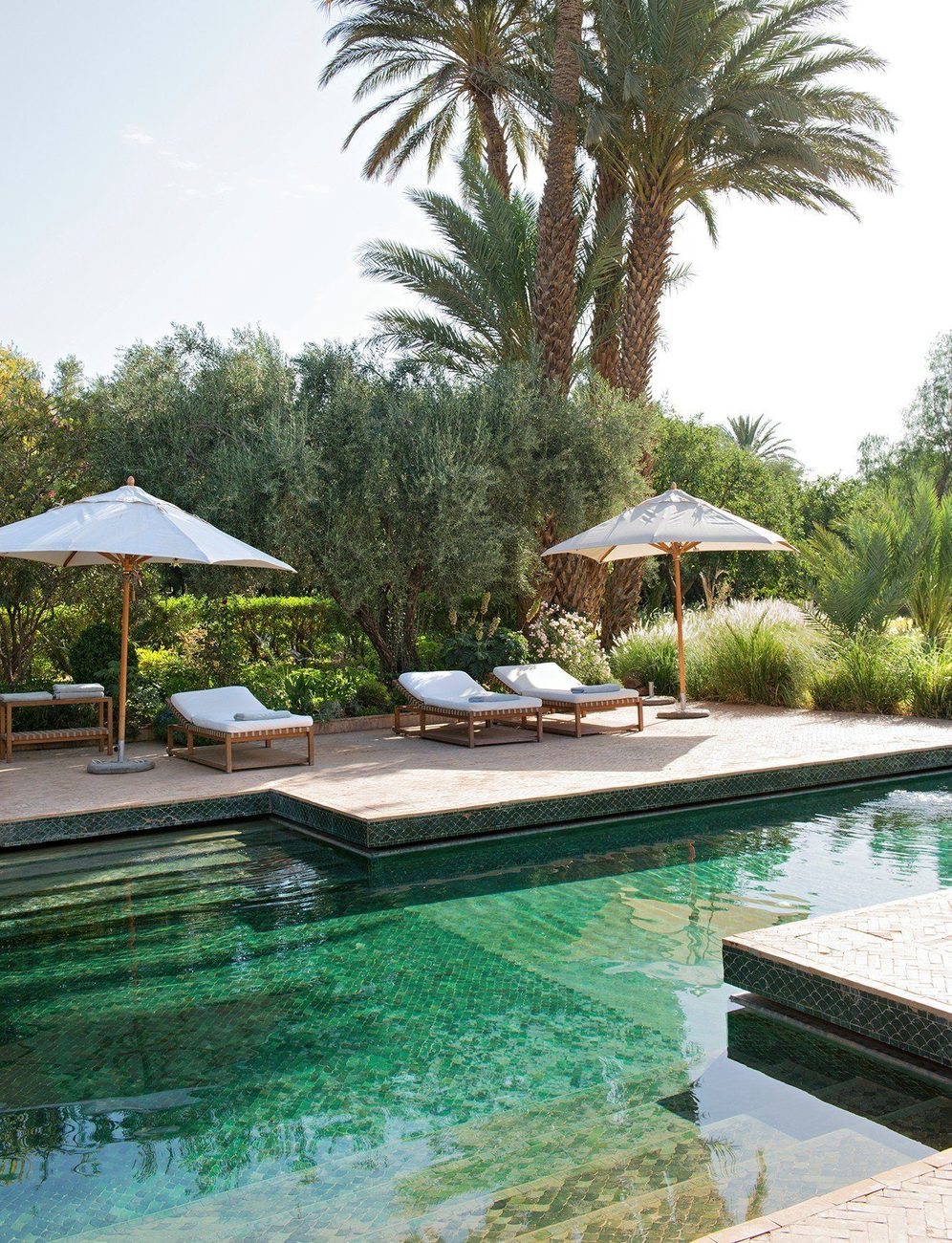
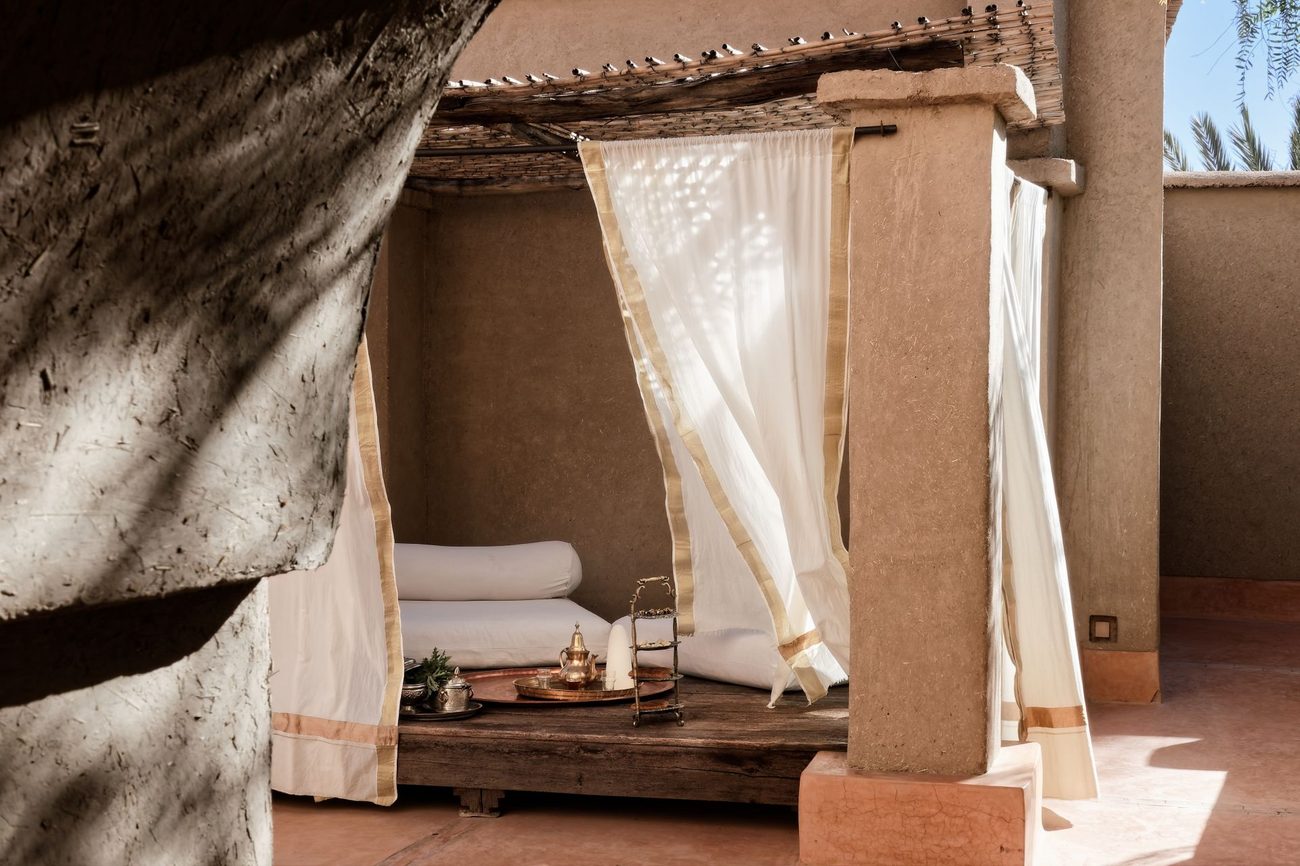
Dar Ahlam sits where the date palms of Skoura run up against the bare hills south of Ouarzazate, an hour or so past the High Atlas. The house is a real kasbah, rammed earth the colour of the ground it stands on, its towers patterned in the old way and its rooms opening onto courtyards, a garden and a pool shaded by olives and palms. Fourteen suites, no more. There are no keys and no front desk, and after the first evening you stop reaching for either. What the house asks of you is simple: let someone else decide where you will eat tonight, and trust that it will be somewhere you would not have found on your own.
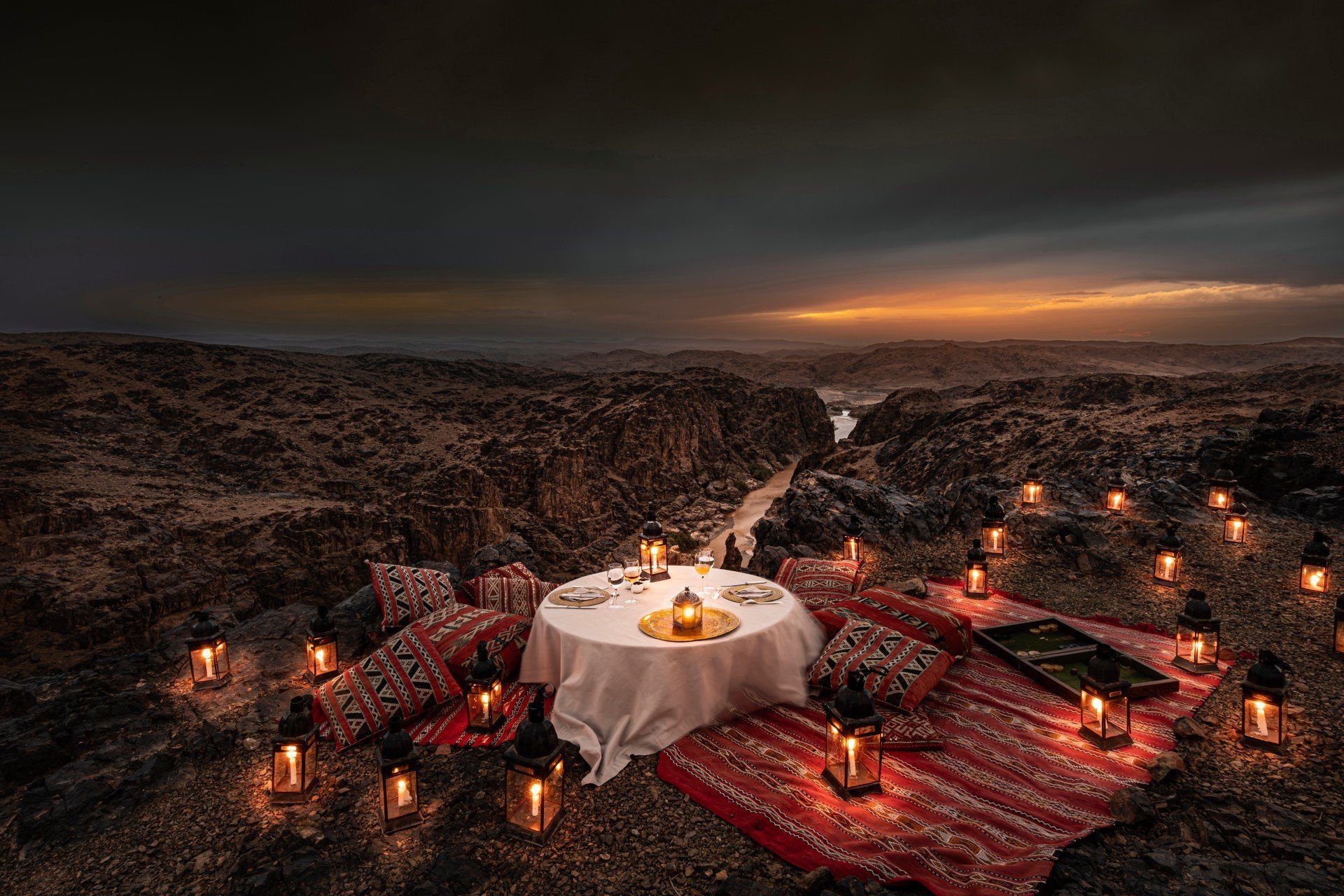
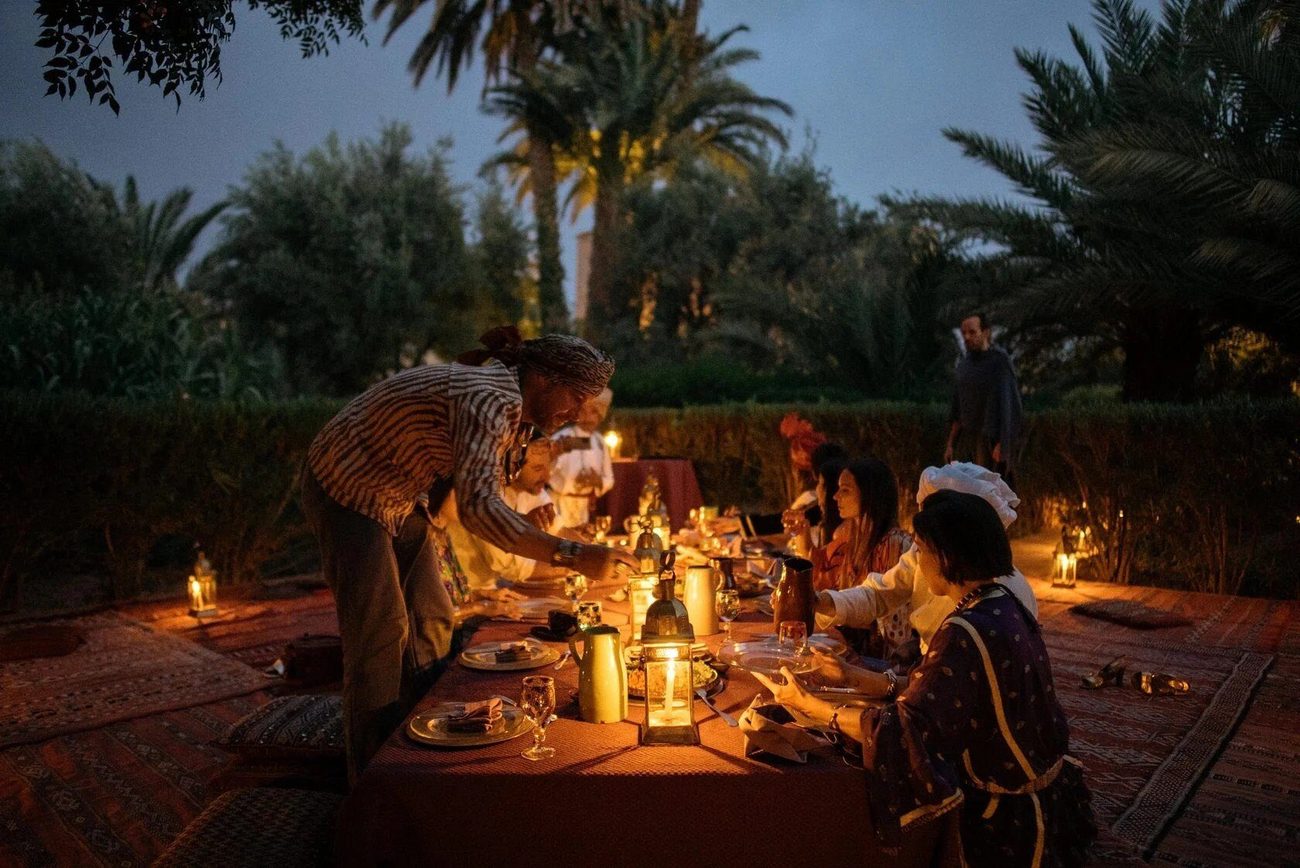
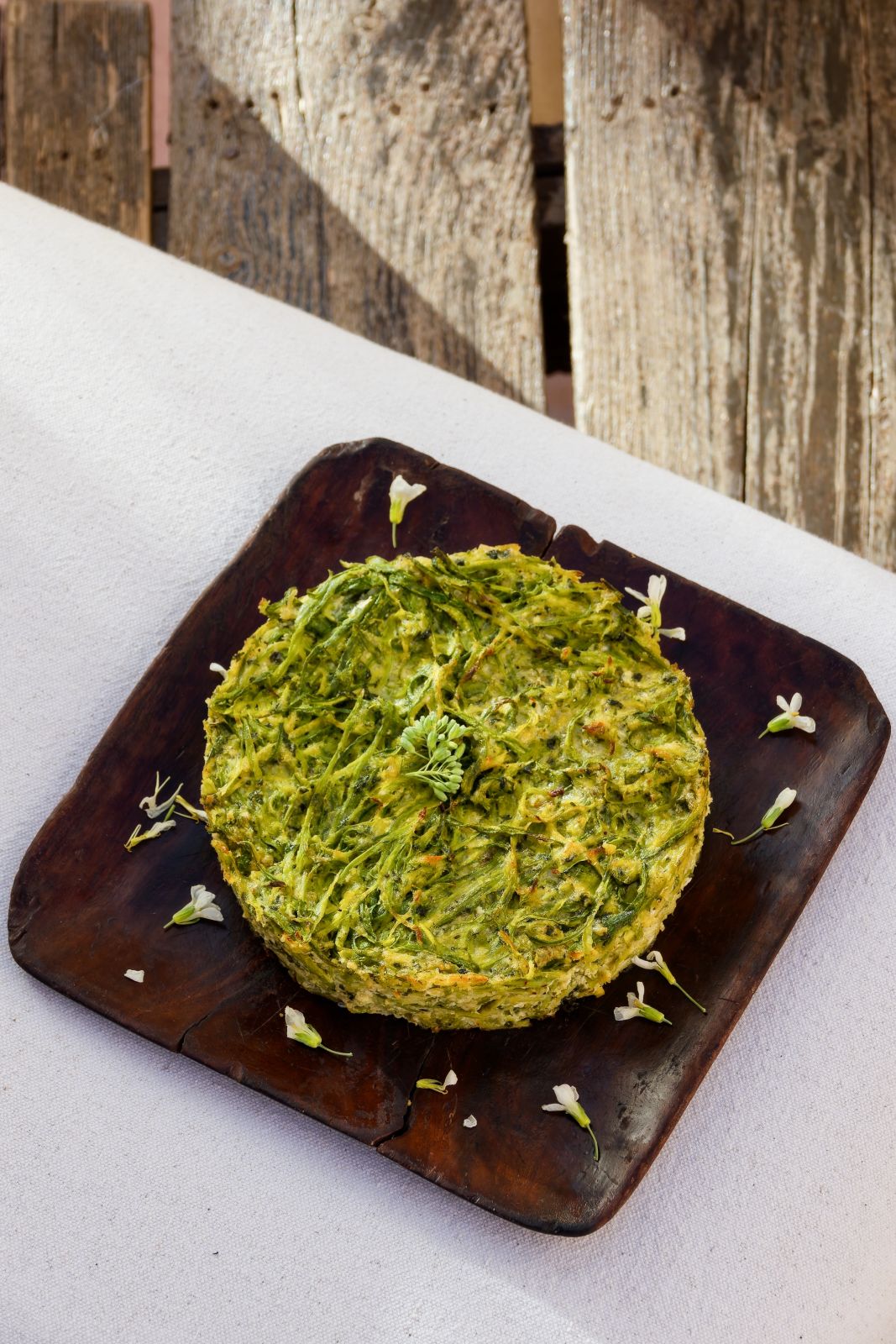
There has never been a menu. The kitchen cooks from what the oasis gives, largely plant-based and mostly grown a ten-minute walk away at the Food Lab, a couple of thousand square metres of vegetables, herbs and medicinal plants worked alongside local farmers as Skoura's water grows scarcer. Dinner might be laid in the garden one night and in a candlelit room the next, or carried out to a ledge above a dry riverbed with lanterns marking the path. Breakfast appears wherever you happen to be. It is theatre, plainly, but the produce is honest and the cooking is restrained, and the staging never gets ahead of the food.
Plenty of places sell silence and a good dinner. Few hand the whole stay over to someone else and get it right. Dar Ahlam is run as a single orchestrated gesture, every meal and excursion placed for you, and that is exactly what some travellers will resist. If you like to plan your own days, this is not your house. Give in to it and southern Morocco opens up from a base that feels less like a hotel than a private home with unusually good instincts. We would come for three nights at least, and let them lead.
A longer reading of Dar Ahlam: the kasbah, the no-menu table, the stay handed over entirely.
Read Folio No. 04 →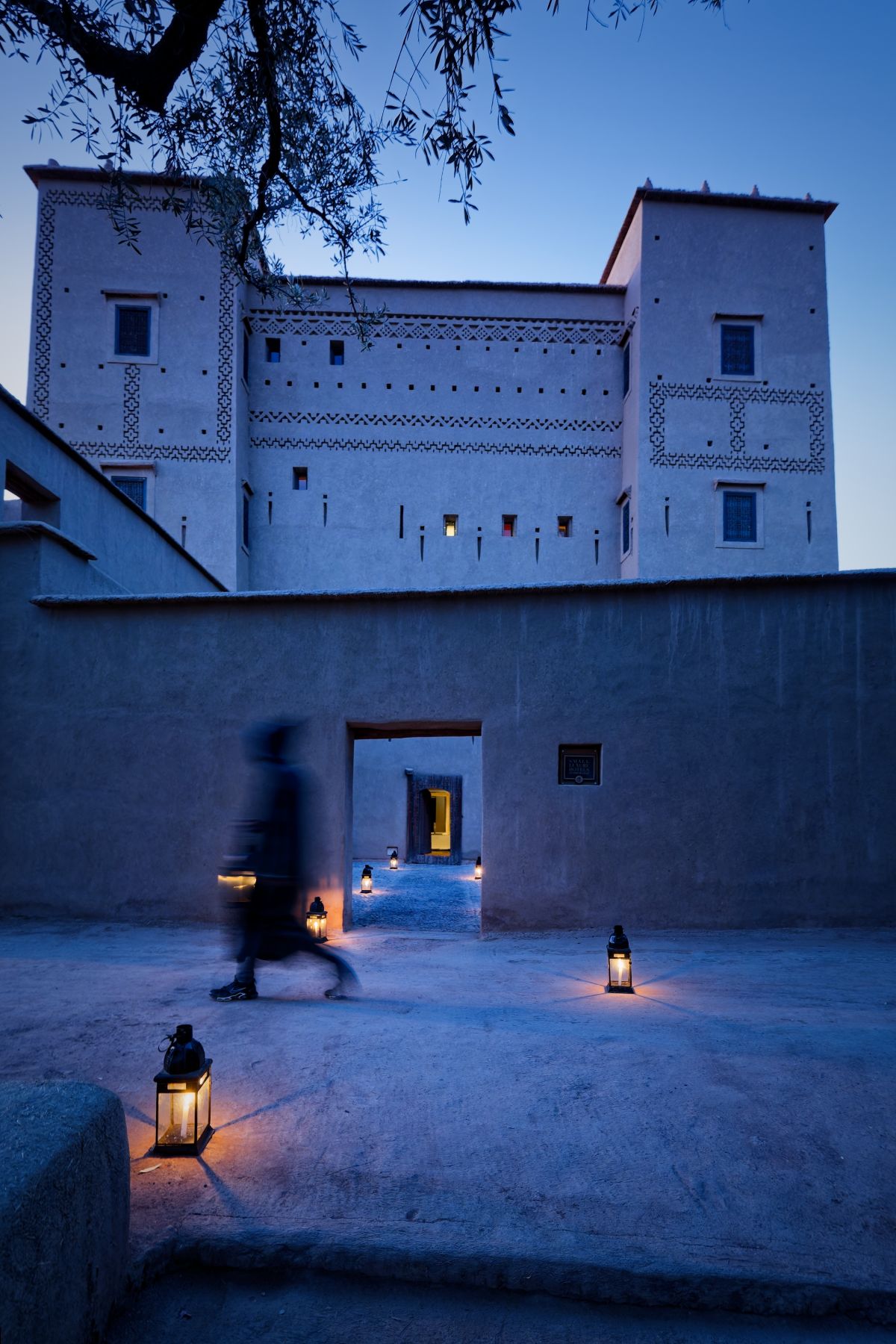
One selection at a time, in your inbox. Subscribe →
Skoura palm grove, near Ouarzazate, southern Morocco.
Restored kasbah, fourteen suites; rammed-earth Berber architecture; Relais & Châteaux and Small Luxury Hotels.
No menu; plant-based and oasis-grown; a different setting for each meal; the Food Lab a short walk away.
Ouarzazate and its film studios; the Skoura oasis and its kasbahs; the High Atlas beyond.
Free, one to one, on WhatsApp. Tell me your dates and I will point you to the right places.
Plan with me on WhatsApp