For design
The Norman
Tel Aviv · Israel
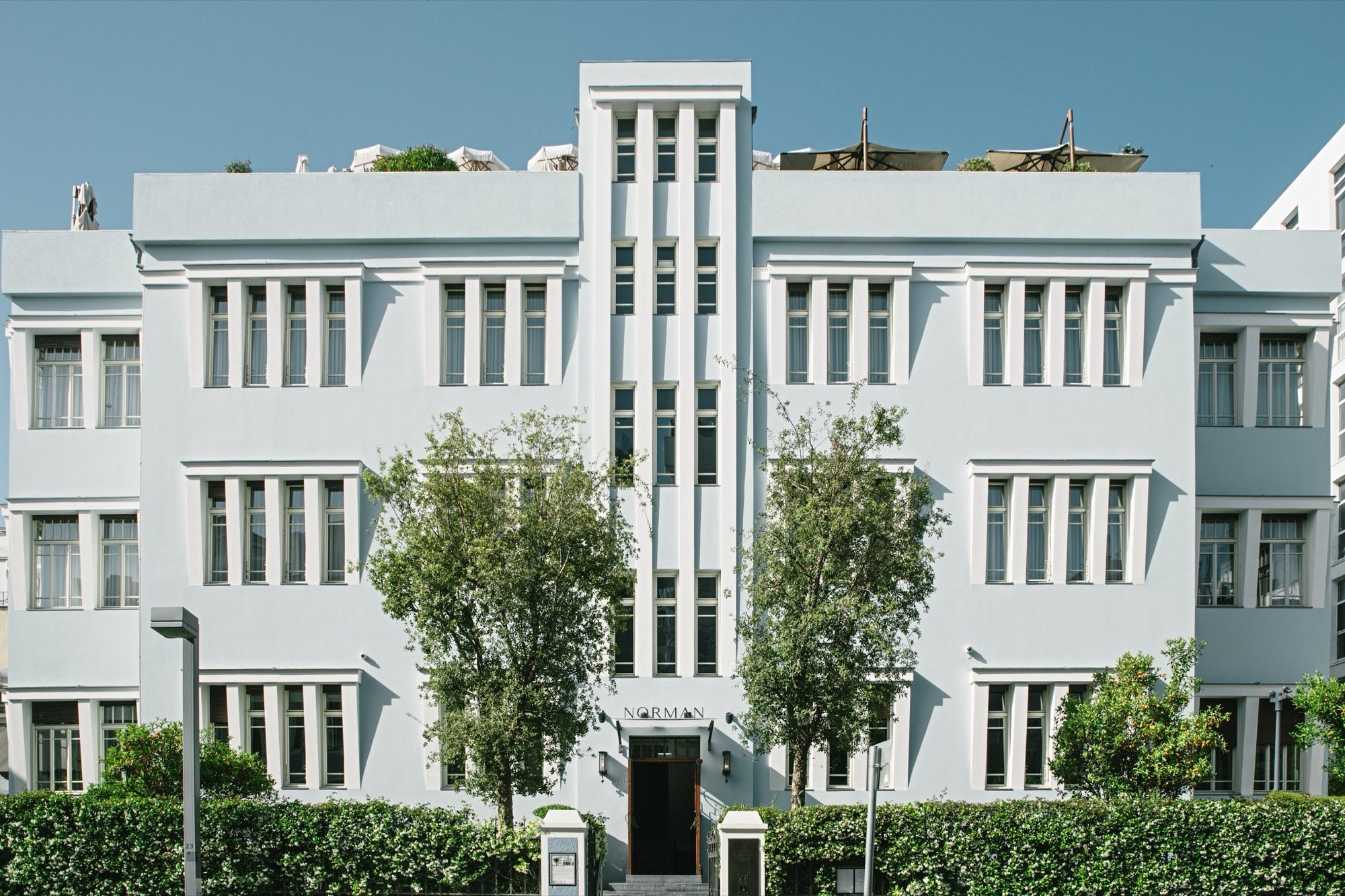
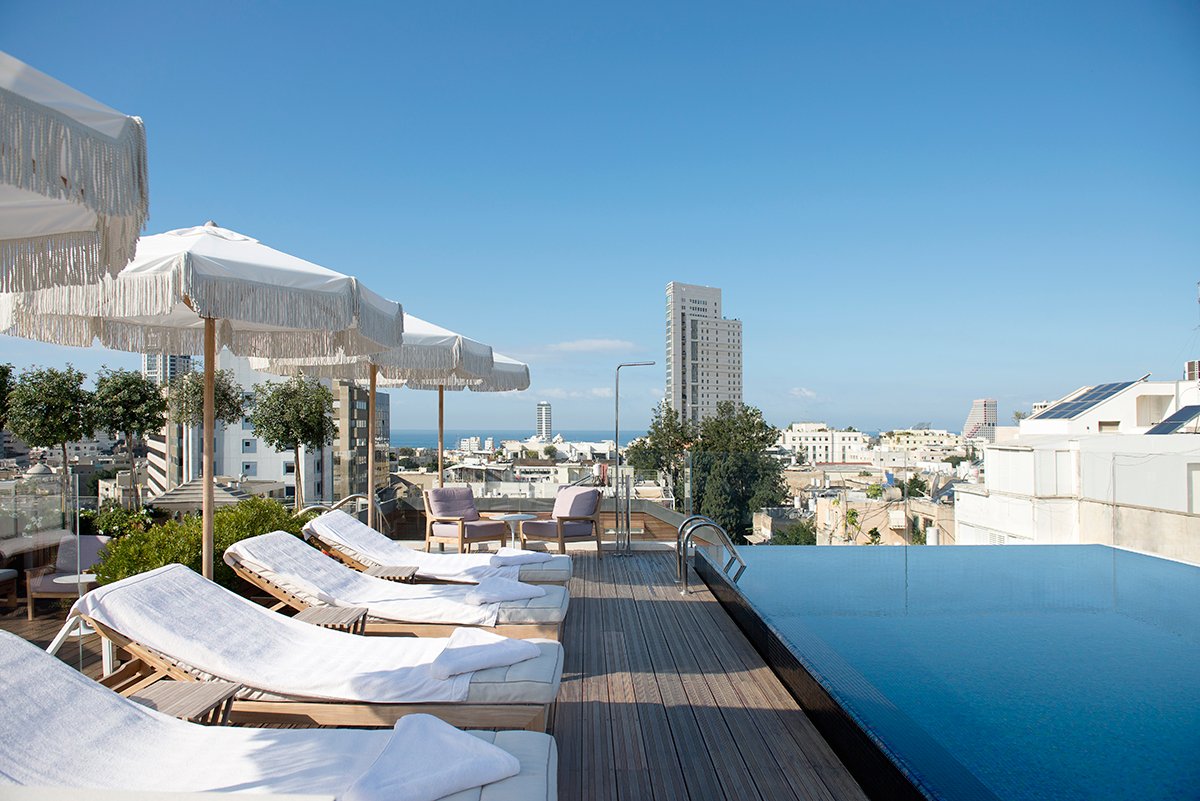
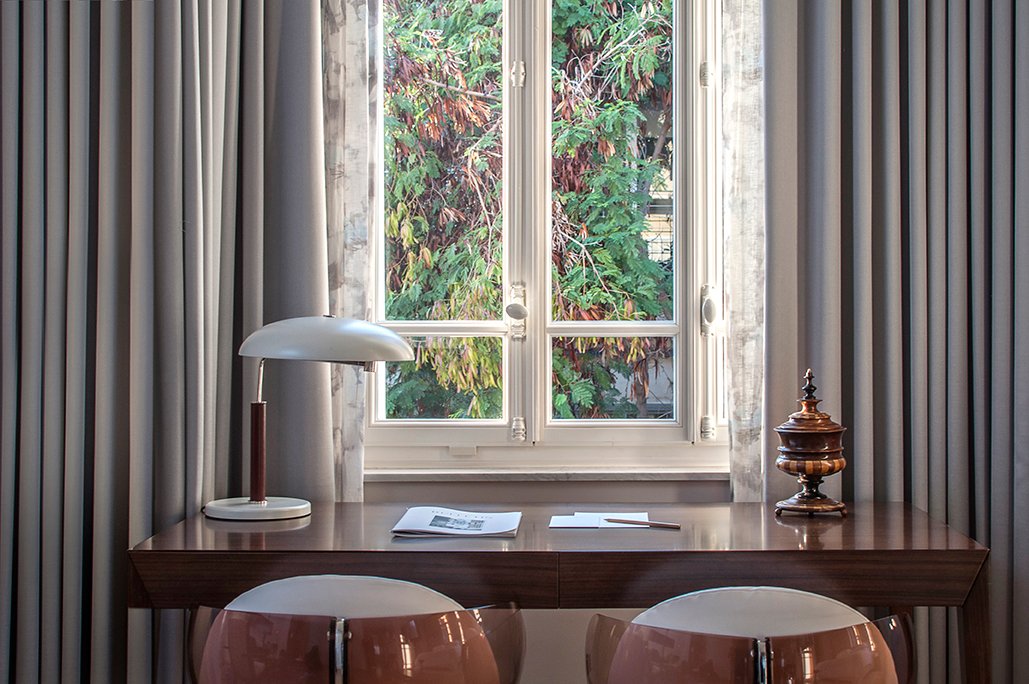
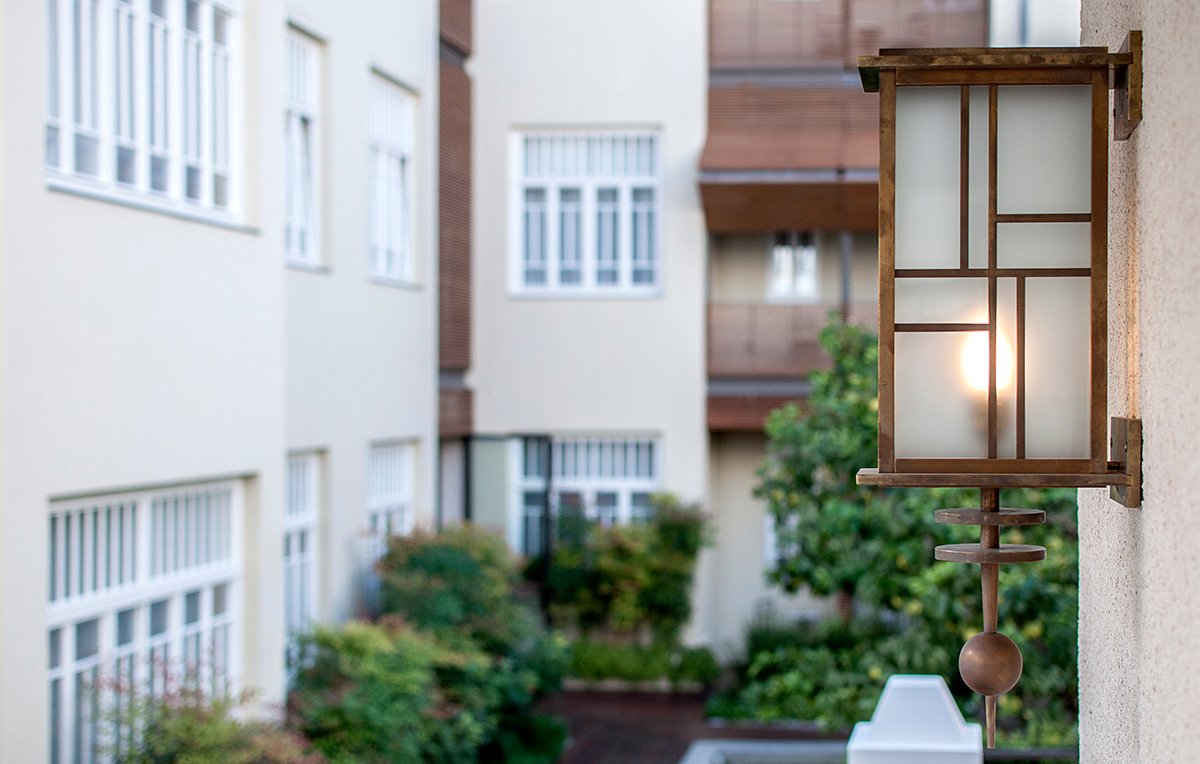
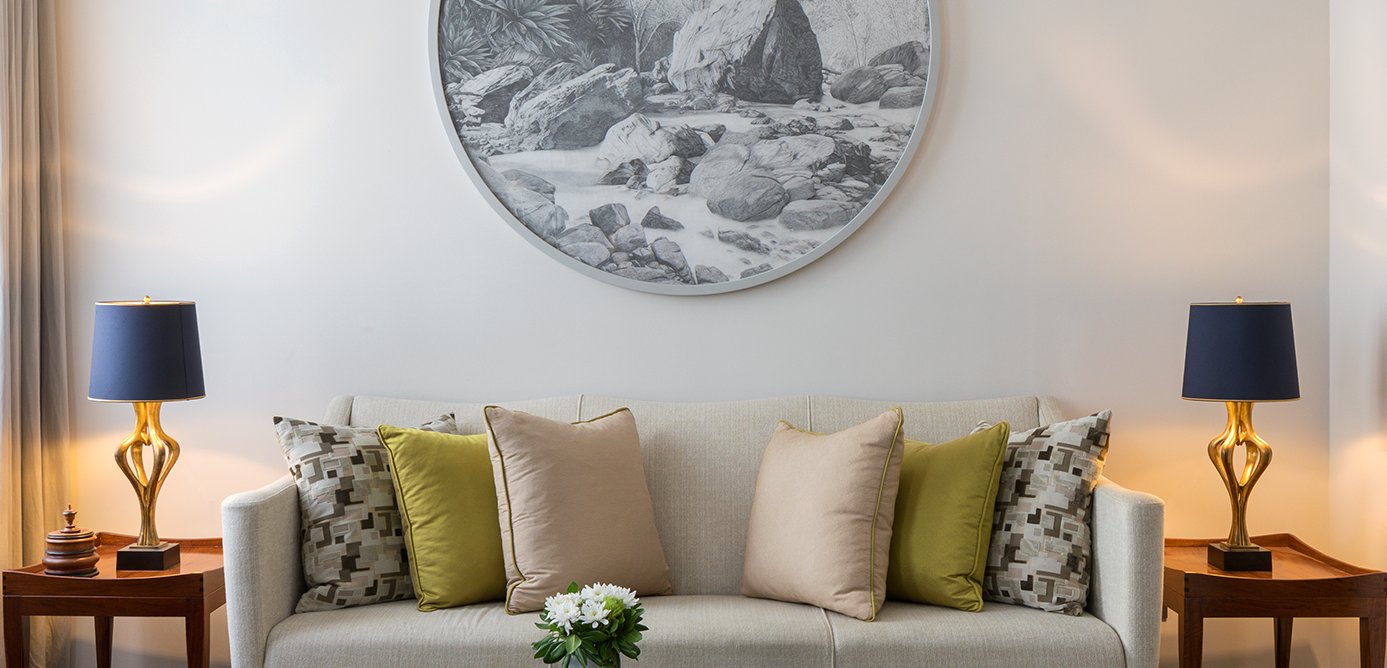
Tel Aviv is a young city that mostly builds new, so a hotel that chose to restore rather than replace already stands slightly apart. The two houses at Nachmani 23 and 25 date from the 1920s, before the White City filled in around them, and the owners spent years bringing them back before The Norman opened in 2014. David d'Almada handled the interiors and let the buildings lead: high ceilings, tall shuttered windows, terrazzo and brass, mid-century furniture that looks collected rather than bought in a set. A contemporary art collection runs through the public rooms and the corridors, so the walk to your room is not dead space. Fifty rooms and suites sit across the two buildings, one of them given over entirely to suites, and the rooftop holds the shot everyone comes up for: a small infinity pool, fringed umbrellas, the low roofs of the city and a thin line of sea beyond.
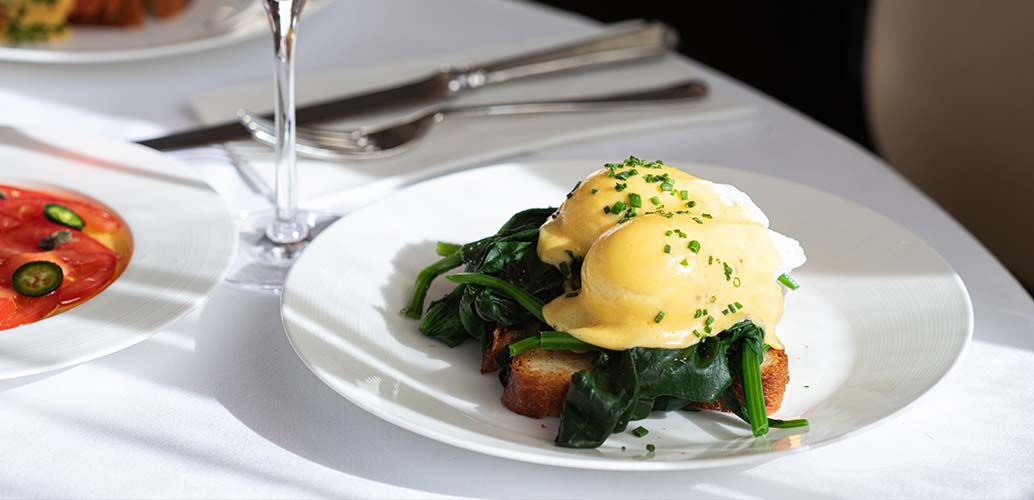
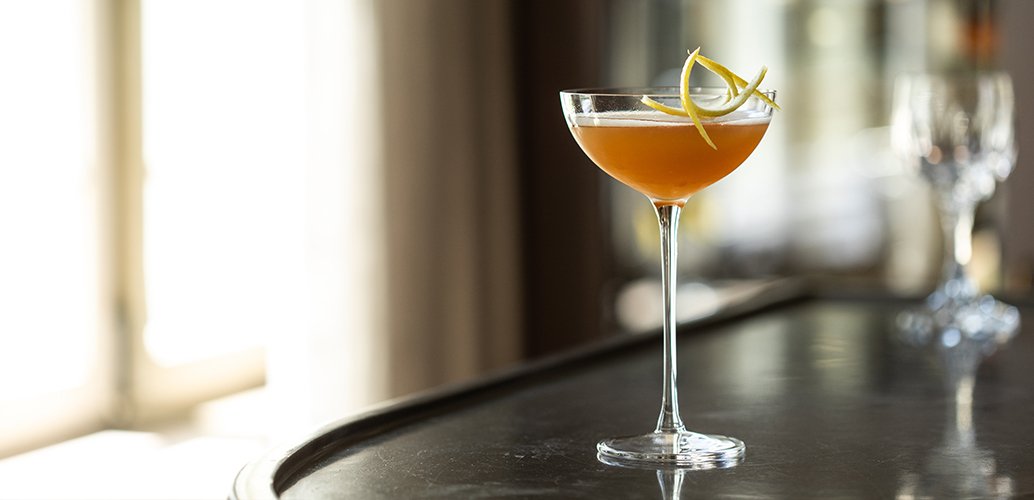
Eating is taken seriously here. Alena is the main kitchen, Mediterranean and market-led, and it spills into a planted courtyard that feels a long way from the street. Dinings brings a Japanese hand to small plates on the terraces above, a different mood for a second night. The Library Bar is the room to end in, dark and low-lit, better suited to a proper drink than a quick one. None of it is kosher, which in this city reads as a statement about the cooking rather than a shortcut.
The Norman sits on the quiet side of the centre, a short walk from Rothschild Boulevard and the Bauhaus streets of the White City, with the beach a longer stroll or a two-minute cab. It is a city hotel, not a resort, so the pool is a rooftop plunge rather than somewhere to spend the day, and the buildings are period, which means the smaller rooms are genuinely small. Ask for a suite or a corner if the budget stretches. What you are paying for is a restored piece of the city with a real kitchen inside it, run at a scale where the staff learn your name by the second morning.
One selection at a time, in your inbox. Subscribe →
King Albert Square, central Tel Aviv, Israel.
Two restored 1920s buildings; 50 rooms and suites; interiors by David d'Almada; contemporary art collection.
Alena · Dinings · The Library Bar.
Rothschild Boulevard, the White City Bauhaus district, the beach within reach.
Free, one to one, on WhatsApp. Tell me your dates and I will point you to the right places.
Plan with me on WhatsApp