For design
Vermelho
Melides · Portugal
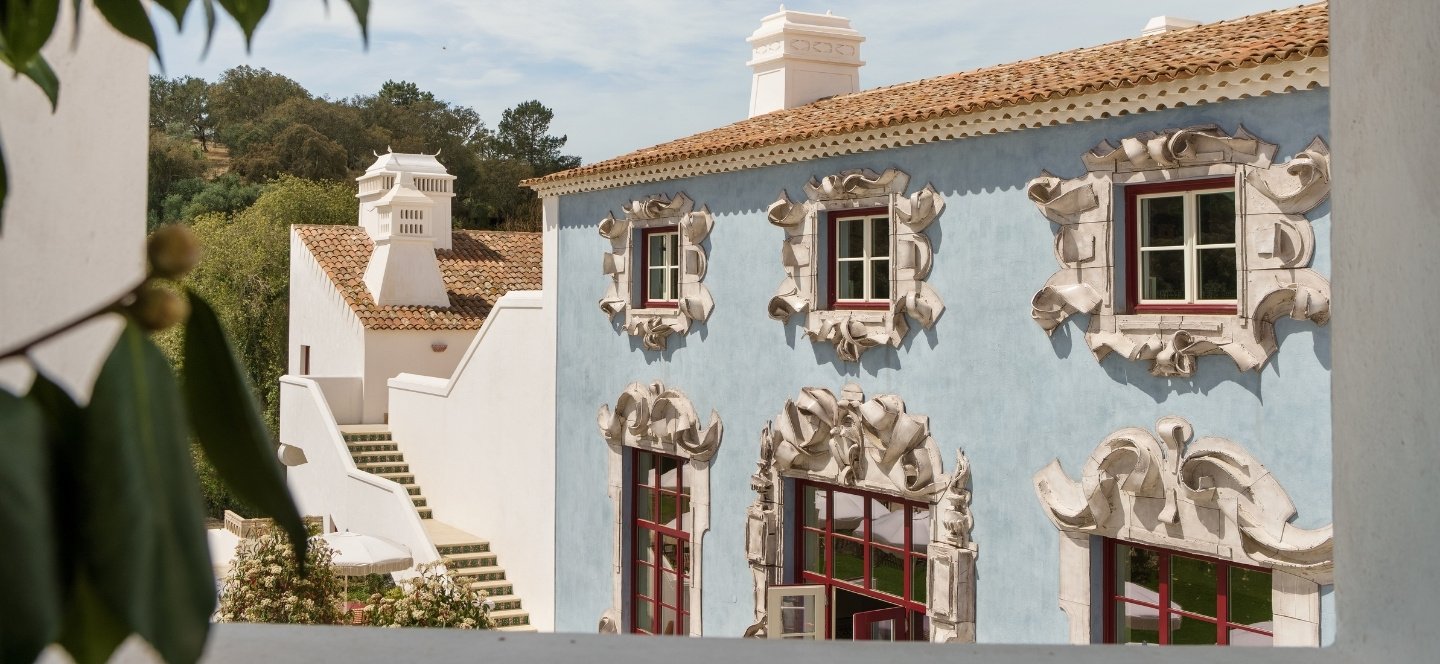
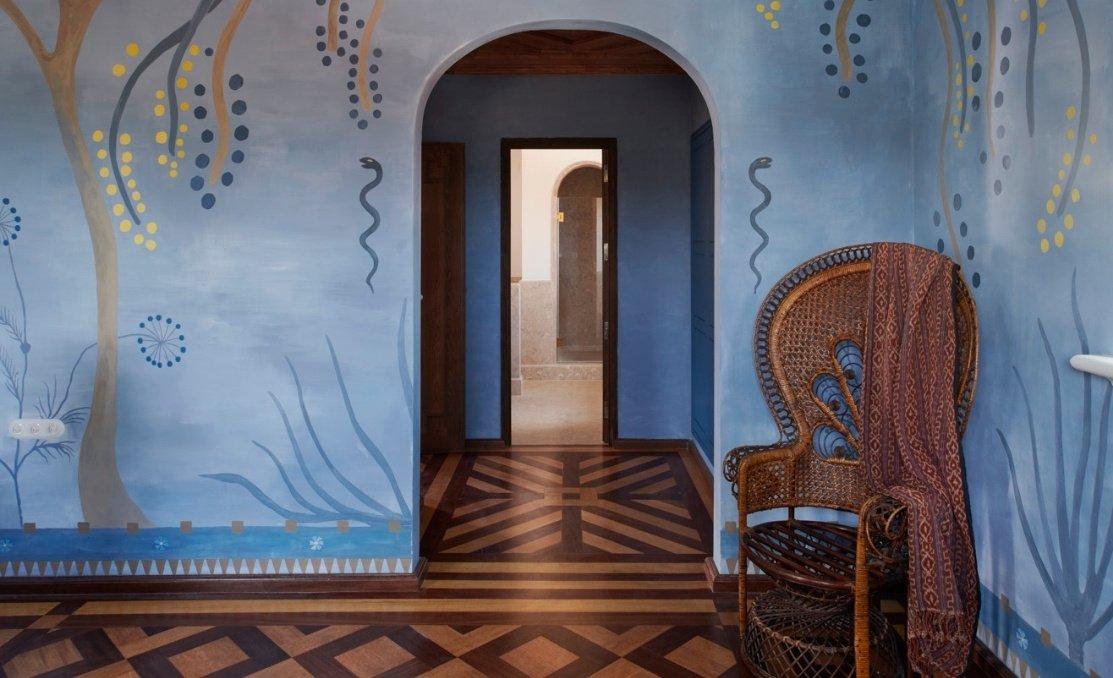
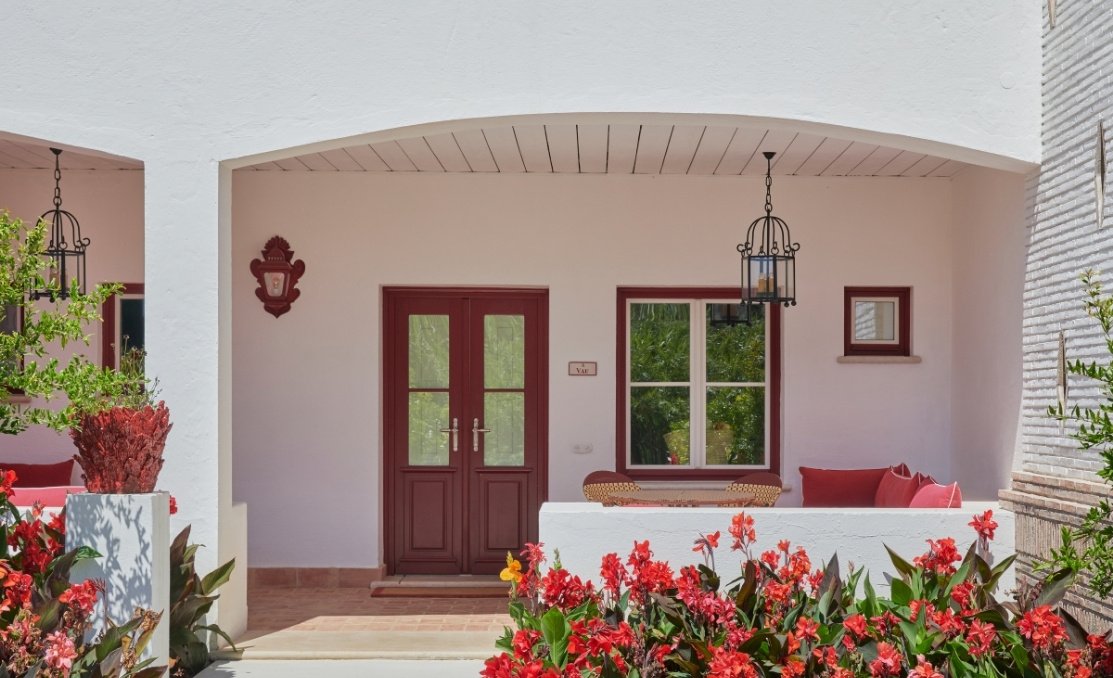
Melides sits back from the sea, a working village of white houses and storks' nests within reach of the long beaches of the Comporta coast. Vermelho, red in Portuguese and the colour of the man's famous soles, is Louboutin's first hotel, and it reads as a self-portrait. The façade tells you that much before you are through the door: Giuseppe Ducrot has carved great curls of white plaster around the windows, so the building stands somewhere between a palace and a wedding cake, powder blue against the sky. Inside, each room makes its own argument. Konstantin Kakanias painted the frescoes, the tiles are Alentejo azulejos, the joinery came from carpenters in Granada, and the whole thing was built, in Louboutin's own phrase, at the scale of the hand.
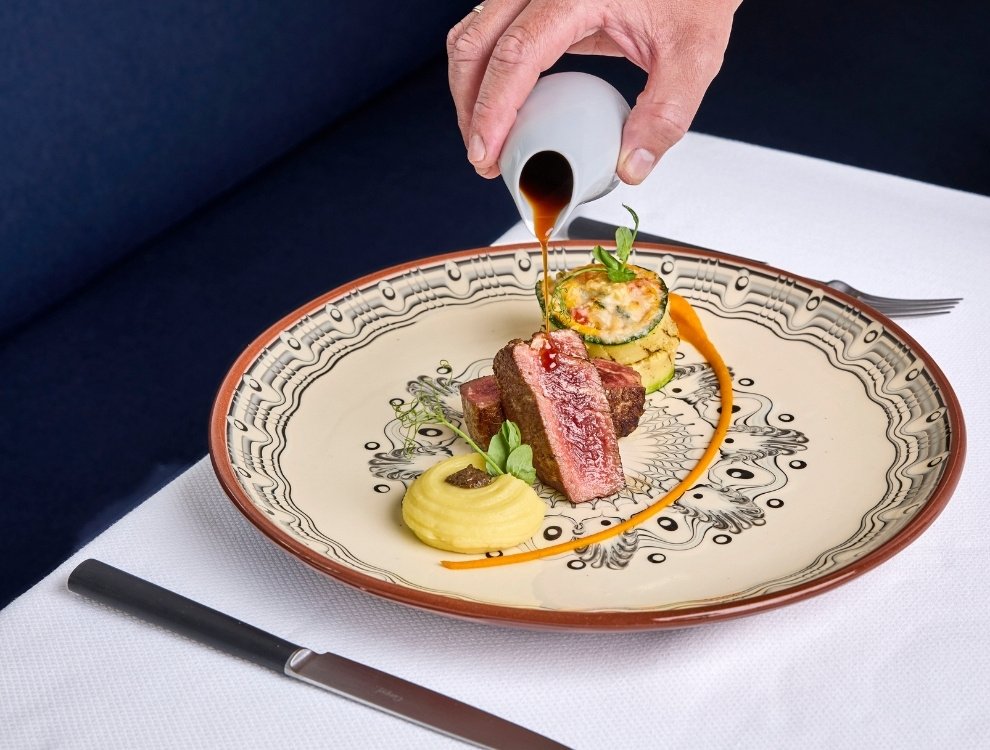
Xtian, named for the owner, keeps to the region rather than showing off. The kitchen cooks what the Alentejo grows and lands that week, served on hand-painted ceramics under a chandelier by Klove Studio, at a bar sheathed in hammered silver by Sevillian goldsmiths who usually work for churches. It is a small dining room and it fills, so book it when you book the room.
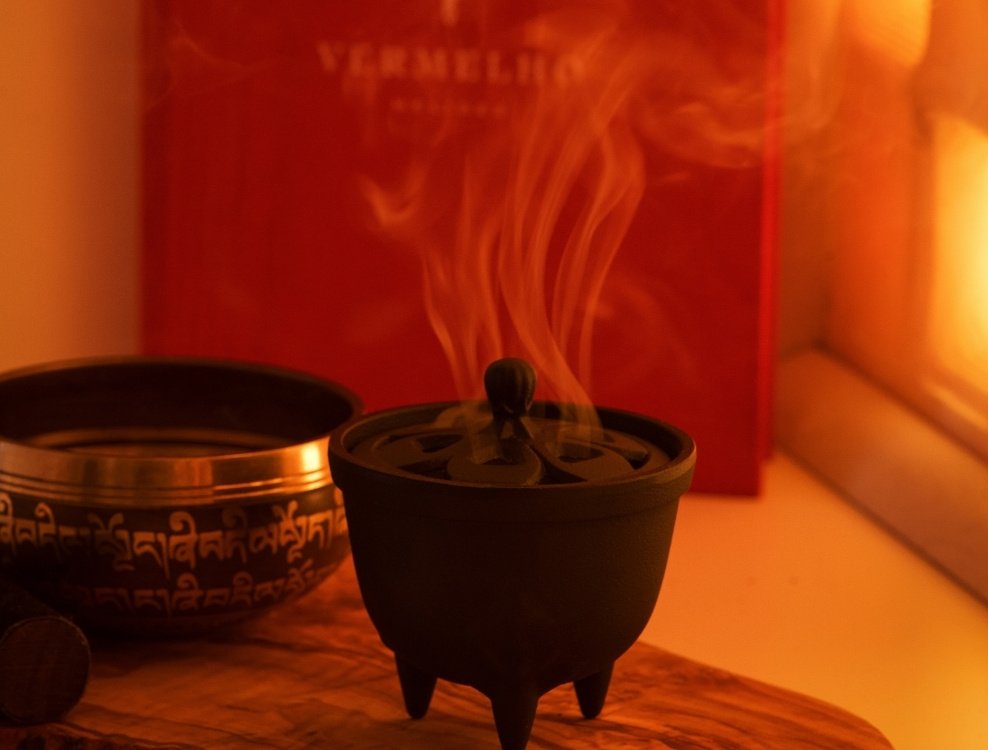
There are only thirteen keys, which is the point. This is not a resort and makes no attempt to be one. It is one man's taste held to a single village square, and the risk in that, too much and too personal, is exactly what earns the journey. The gardens are by Louis Benech, who reworked the Tuileries, and there is a pool and a calm wellness room for the hours you are not at the table or in front of a wall. Come for the design. What keeps you is that nowhere else feels remotely like it. Relais & Châteaux took it in, which tells you the craft is real and not merely loud.
A longer reading of Vermelho: the square, the thirteen rooms and the table at Xtian.
Read Folio No. 57 →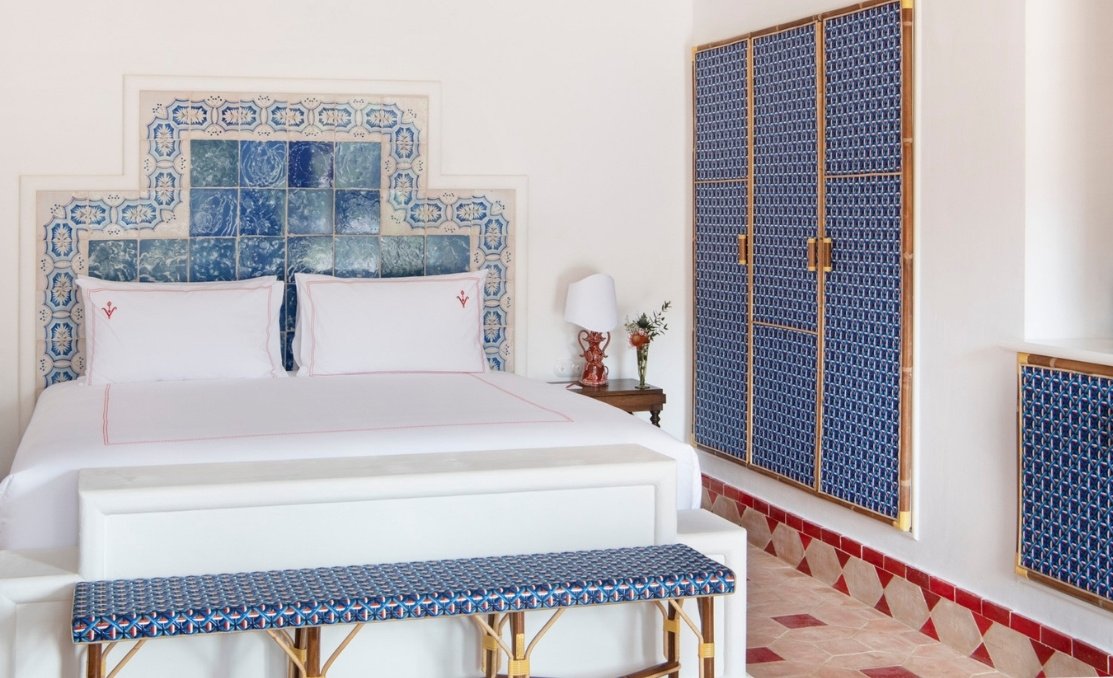
One selection at a time, in your inbox. Subscribe →
On the main square of Melides village, Alentejo coast, Portugal.
Five-star boutique; thirteen rooms, each individually designed; Christian Louboutin's first hotel.
Xtian, Alentejo cooking; silver-leaf bar; Klove Studio chandelier.
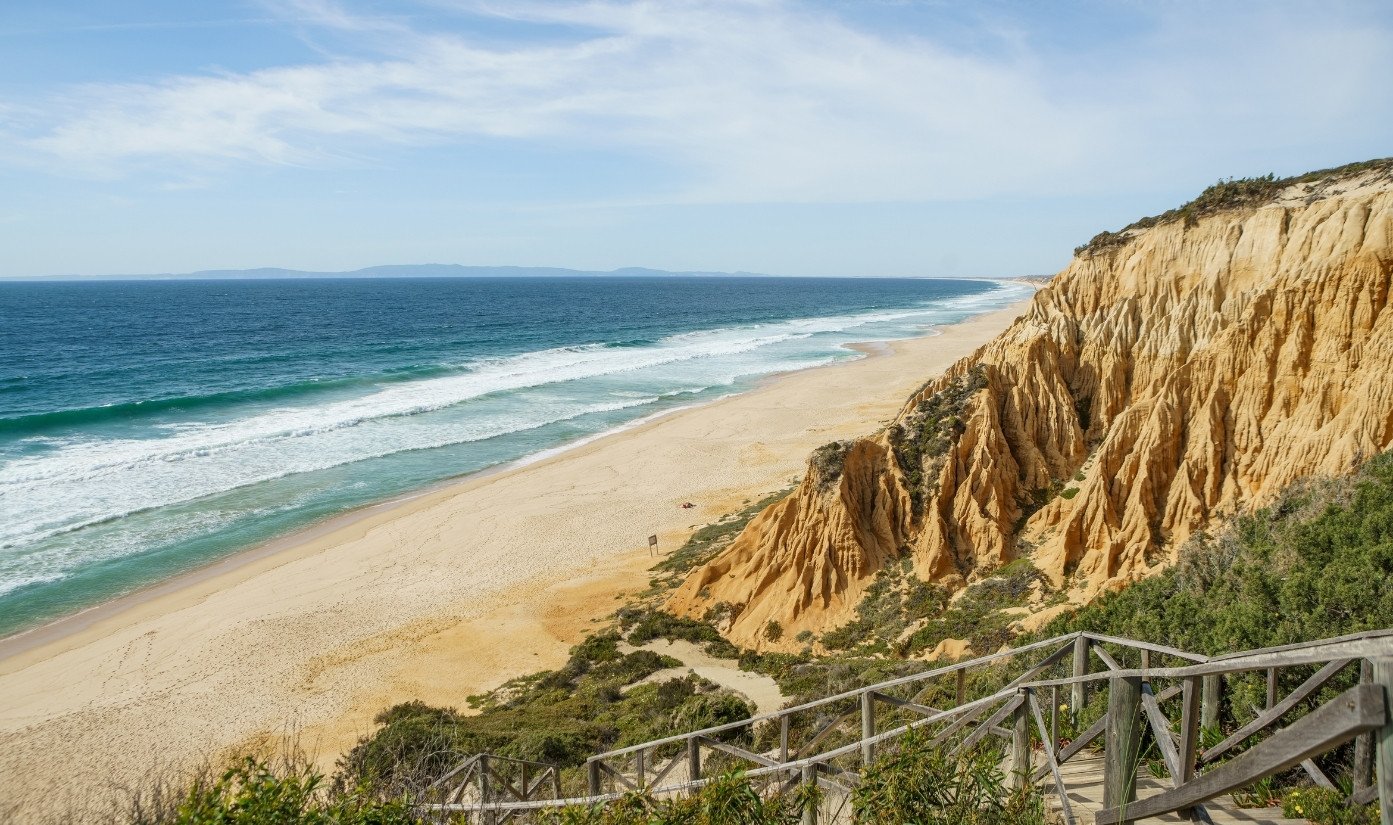
The Comporta and Melides beaches; Grândola; Lisbon about ninety minutes north.
Free, one to one, on WhatsApp. Tell me your dates and I will point you to the right places.
Plan with me on WhatsApp