For design
Capo
Batroun · Lebanon
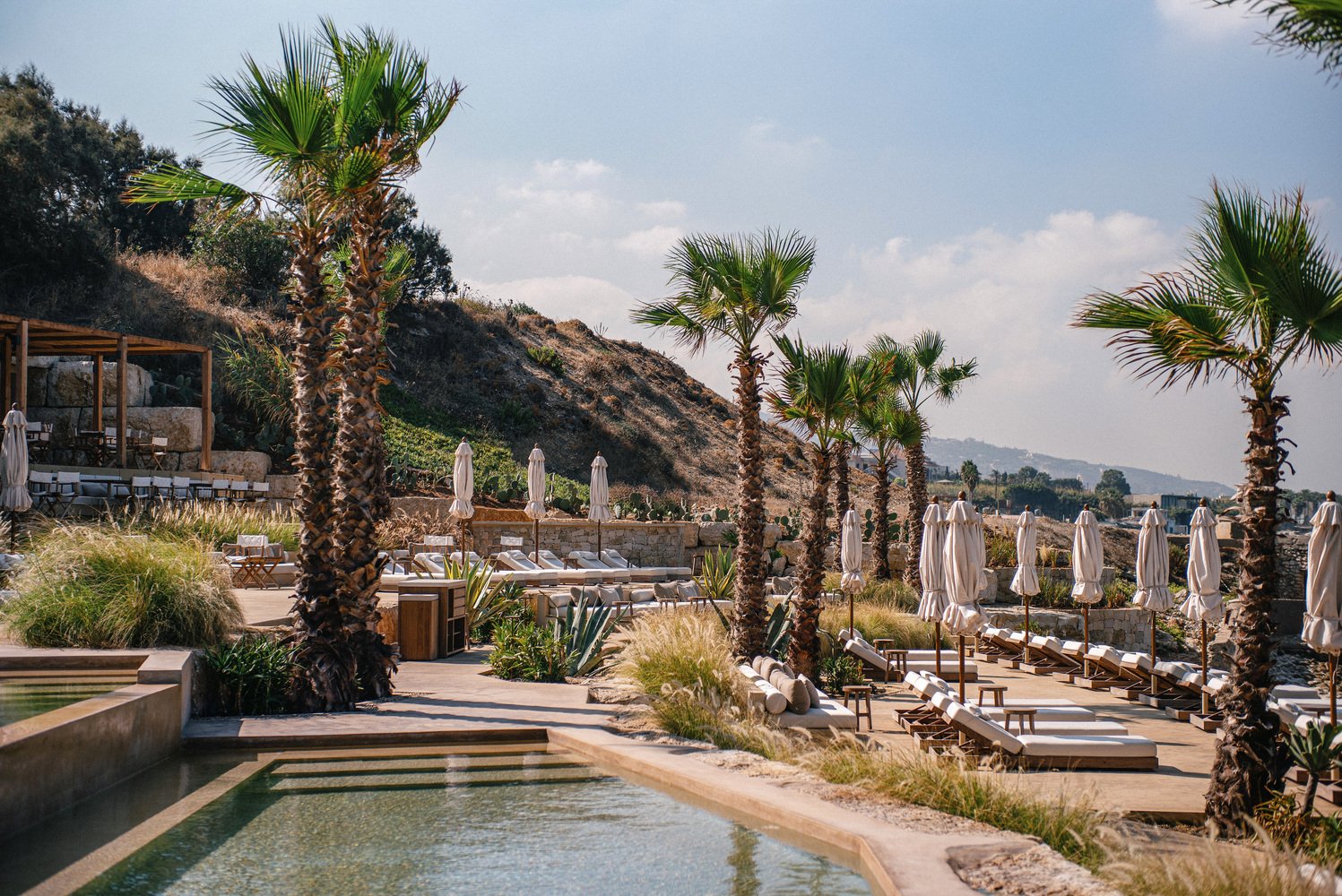
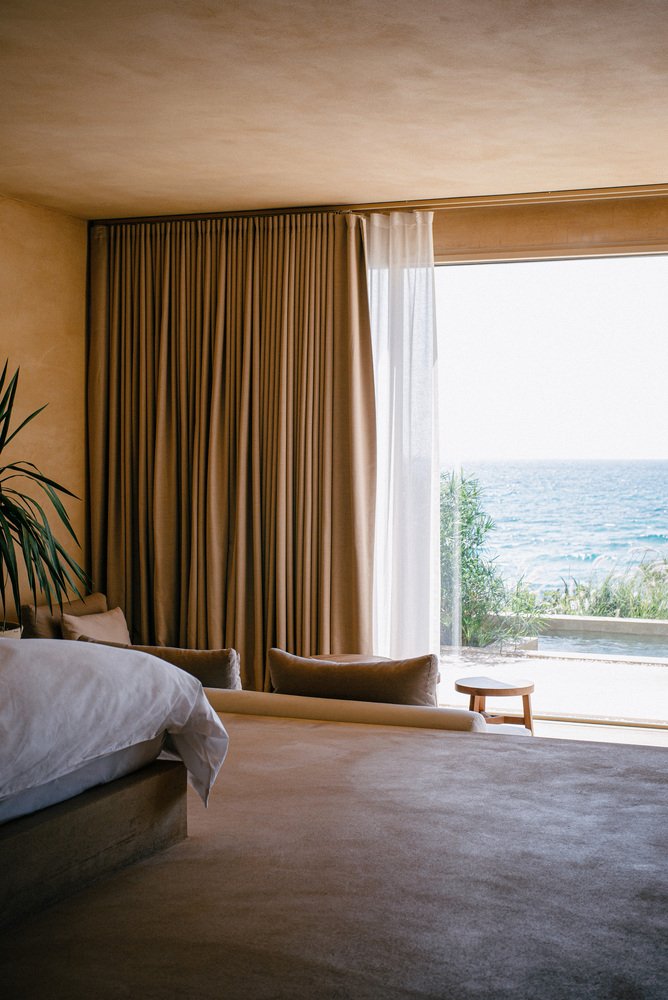
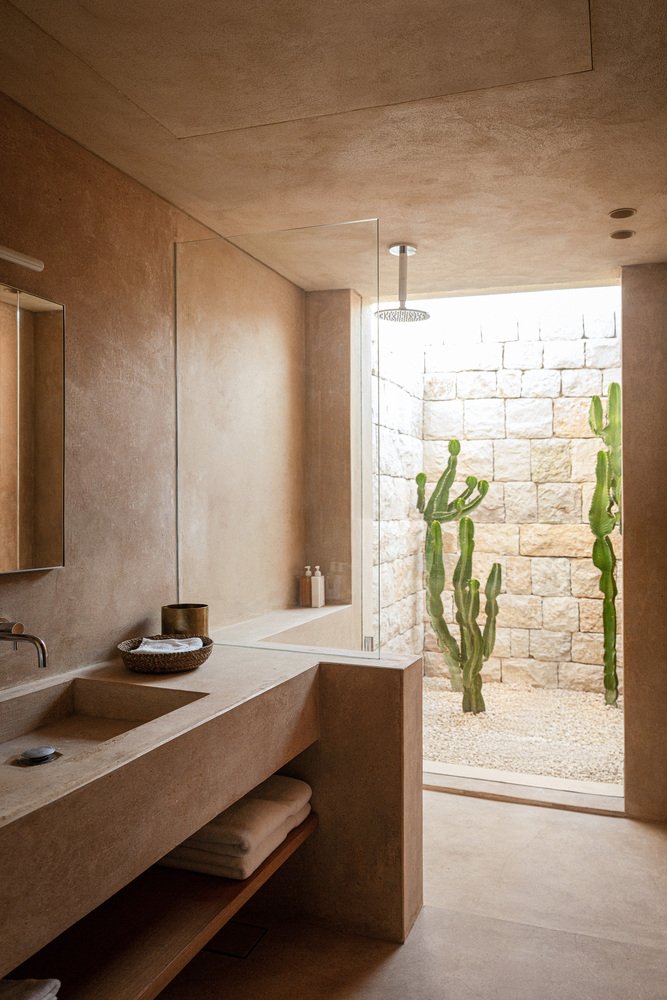
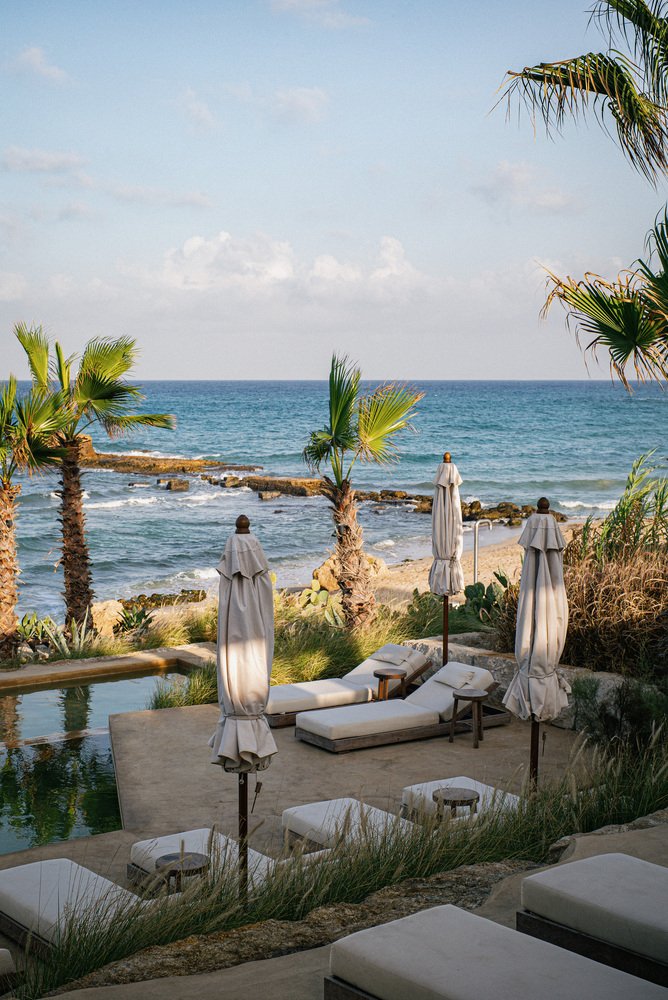
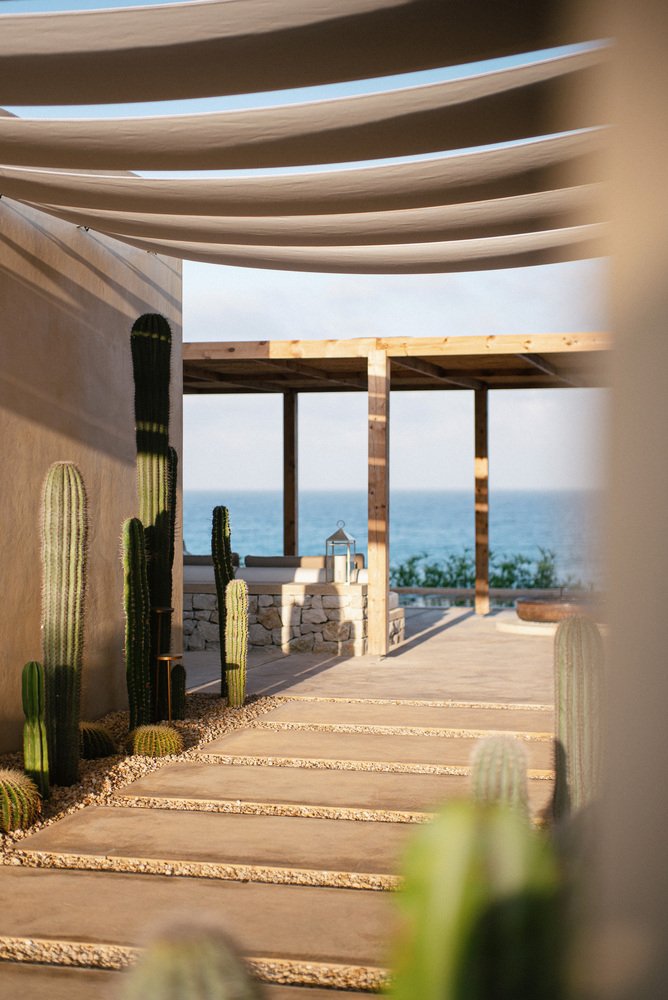
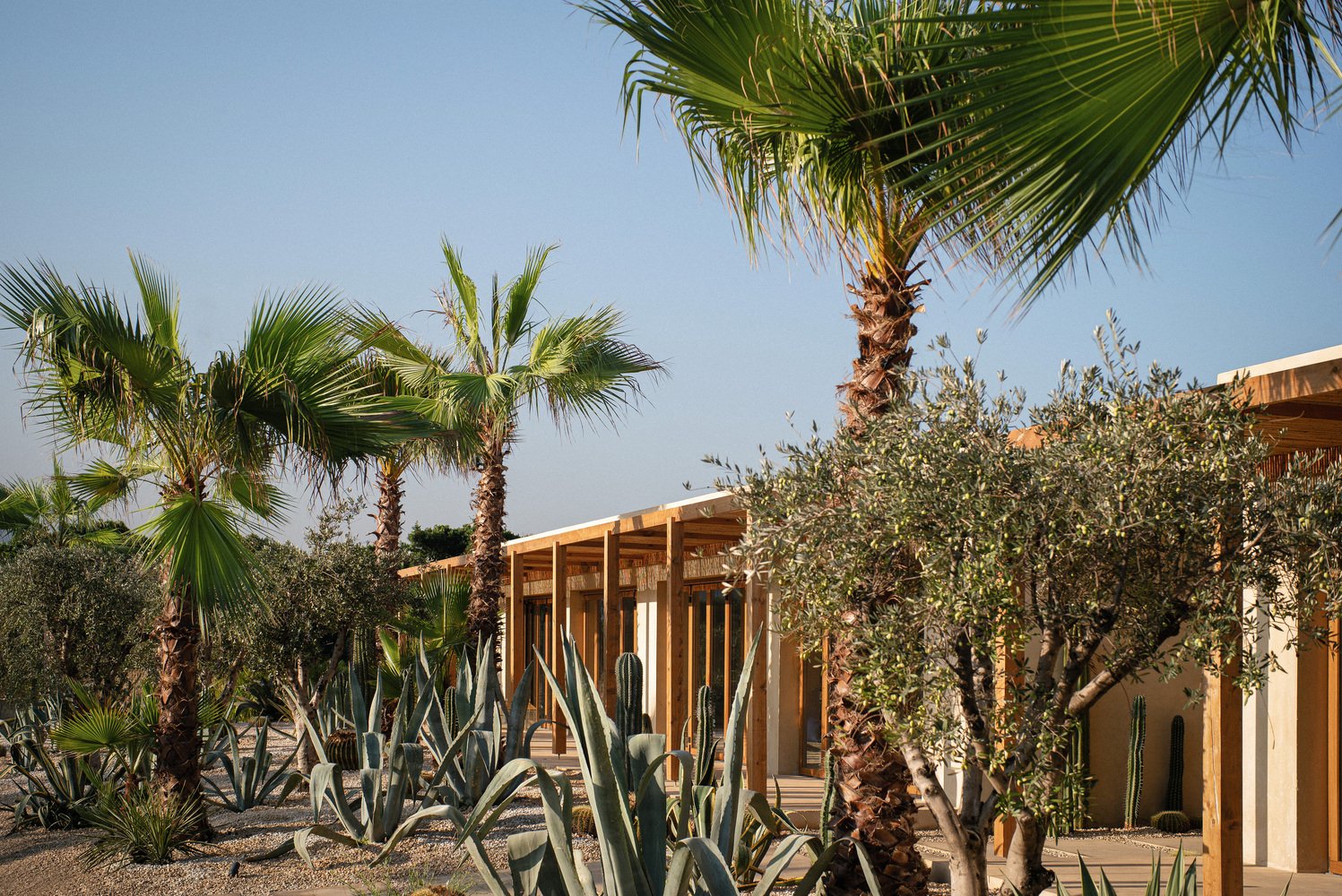
Batroun is one of the oldest ports on the Mediterranean, a town on the north Lebanese coast that has been putting to sea since Phoenician times. Capo takes that history at its word. Carl Gerges built it in 2022 from a mix of local beach sand and cement, so the walls carry the colour of the shore and the place looks, in a certain light, as though the beach had set into rooms. It steps down five levels to the water. Seen from the sea it reads like the hull of a boat, which is rather the idea, since the name means captain. There are eight suites and no more, their interiors quiet and close to monochrome, the sliding doors opening wide to the blue.
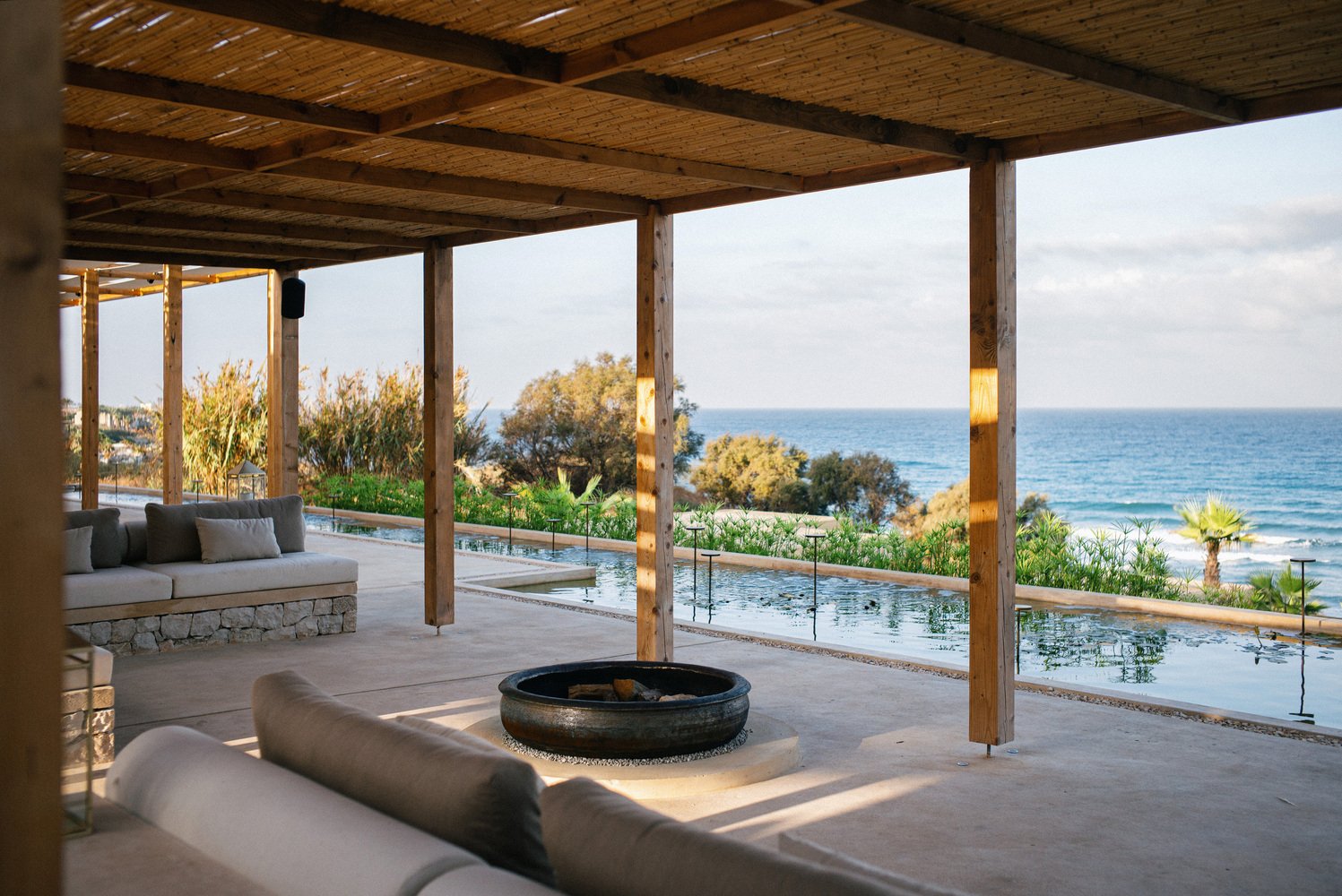
Capo keeps a restaurant, a sunset bar and a beach club, and the day is built to move between them. The pools do a good deal of the work. Gerges shaped them across the descending levels with a sandy, textured finish that takes on the colour of the sea through the day, a nod to the Lebanese pool culture of the 1970s, and they run toward a long stretch of water planted with lilies. The cooking on this coast leans to the sea and to the mezze table, and the setting carries it.
Lebanon does not turn up often in a collection like this, and it should. Capo is the most convincing piece of new coastal design the country has built in years, an architect's building rather than a developer's, tied to a place with a long past. We should be straight about what it is. This is a resort, social and busy in season, not a retreat for silence. But it is small, it is serious about its own idea, and it hands you Batroun, the old town and the Phoenician sea wall a short drive off, from a room the colour of the sand.
One selection at a time, in your inbox. Subscribe →
Batroun, north Lebanese coast; on the Mediterranean.
Boutique resort; eight suites; architecture by Carl Gerges, 2022.
A restaurant, a sunset bar and a beach club.
Batroun old town and its Phoenician sea wall; about 50 minutes north of Beirut.
Free, one to one, on WhatsApp. Tell me your dates and I will point you to the right places.
Plan with me on WhatsApp