On the Rise
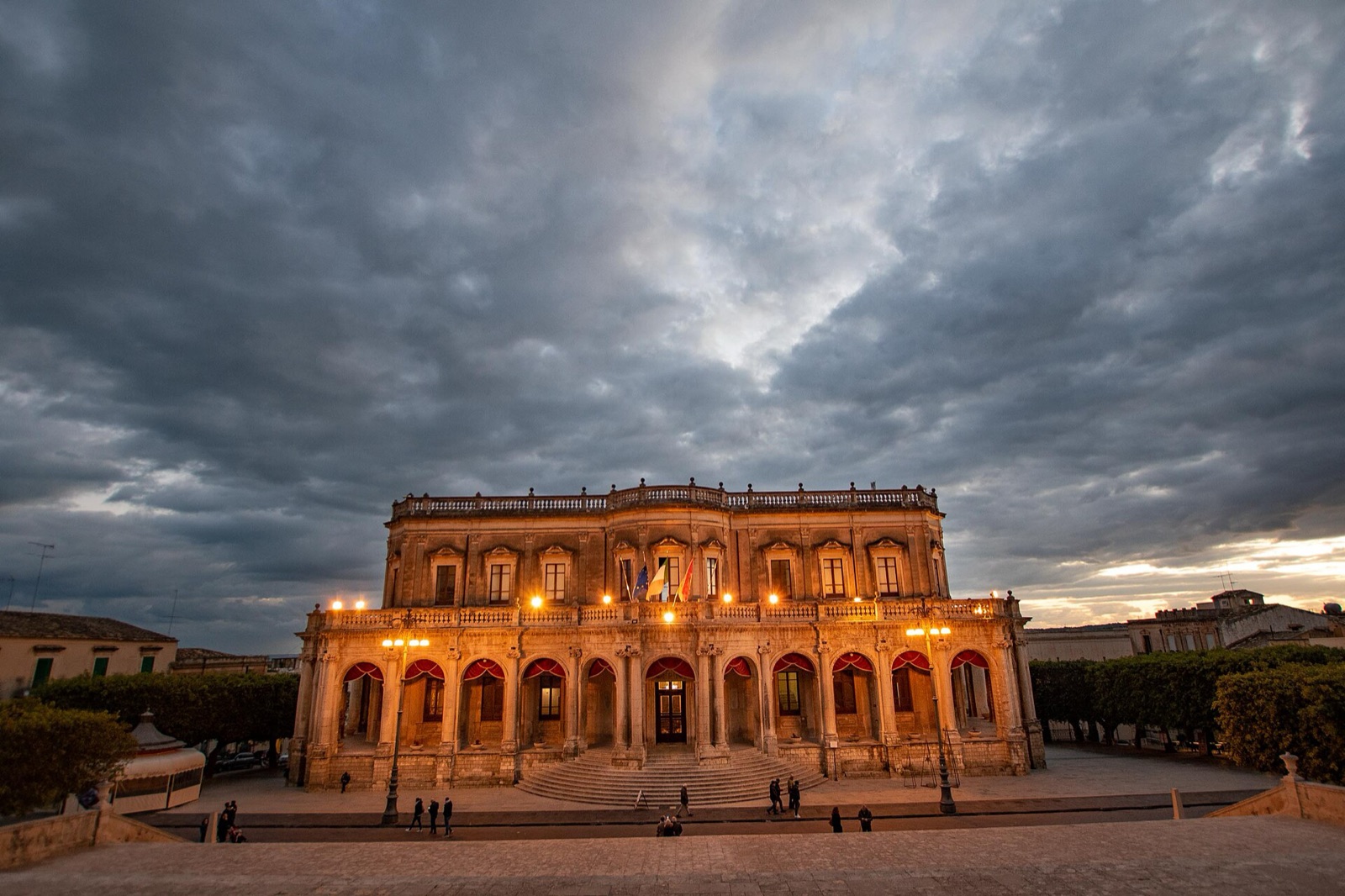
We have arrived in Noto at the wrong hour more times than we care to admit. Midday, usually, when the honey-coloured stone throws back the heat and the coaches idle on the edge of town. By dusk the place tends to empty. The day-trippers climb back towards Siracusa or, worse, are shuttled the long way north to Taormina, and the finest baroque street in Sicily is handed back to the few hundred people who actually live on it. For years that has been the deal with Noto. You look, you photograph, you leave.
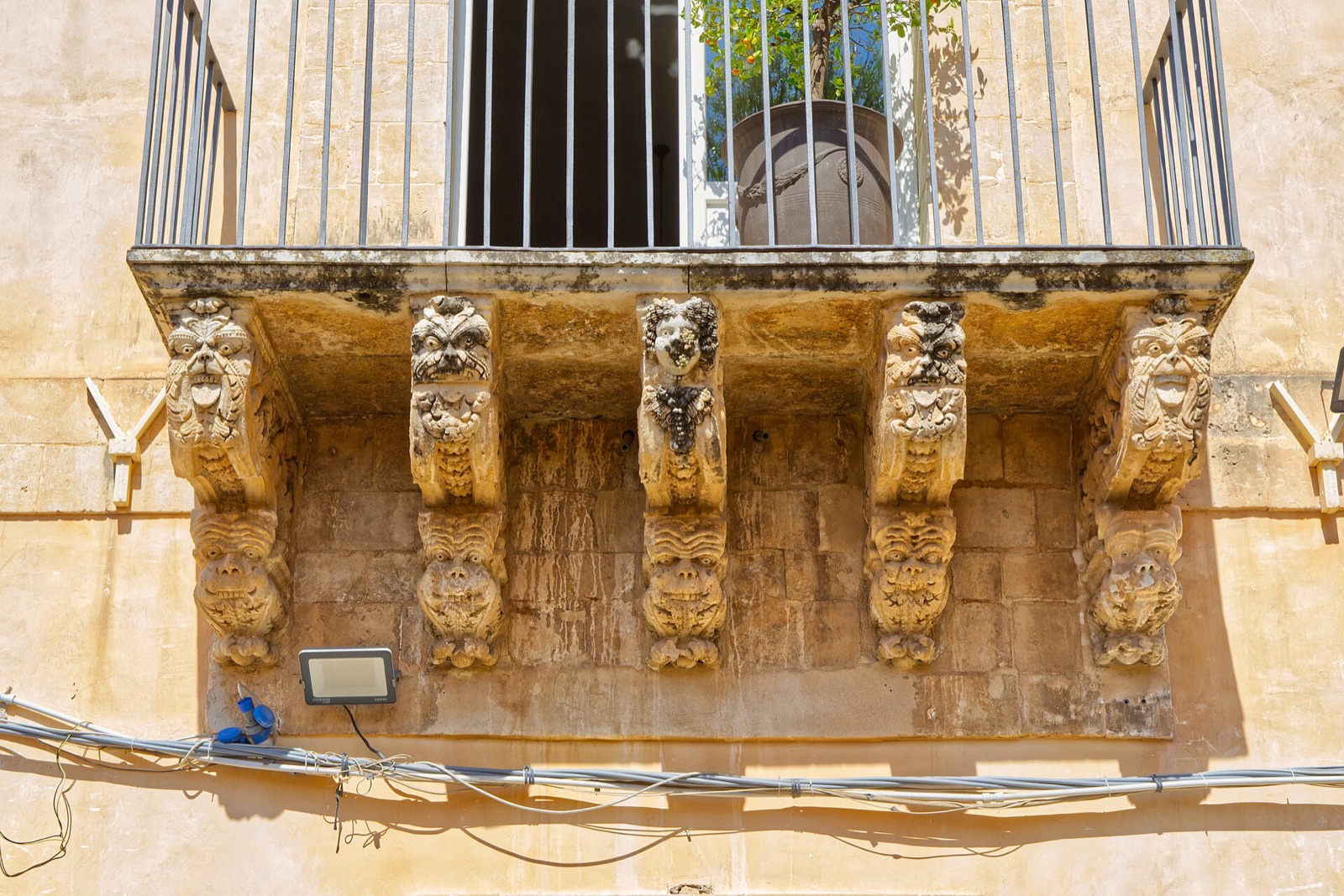
That is about to change. In 2026 Rocco Forte Hotels opens Palazzo Castelluccio, a 31-key conversion of one of the largest noble houses in the town. The palazzo was built in 1782 for the Marquis di Lorenzo del Castelluccio, and it runs to some 50,000 square feet behind a facade that most visitors have walked past without a second glance. Olga Polizzi is directing the interiors with Paolo Moschino and Philip Vergeylen, which tells you the restraint will be considered rather than austere. Trompe l'oeil, antiques, a garden lounge, a restaurant and bar, a spa. The bones of a private house rather than the gloss of a resort.
A town you could only ever leave is finally learning how to keep you overnight.
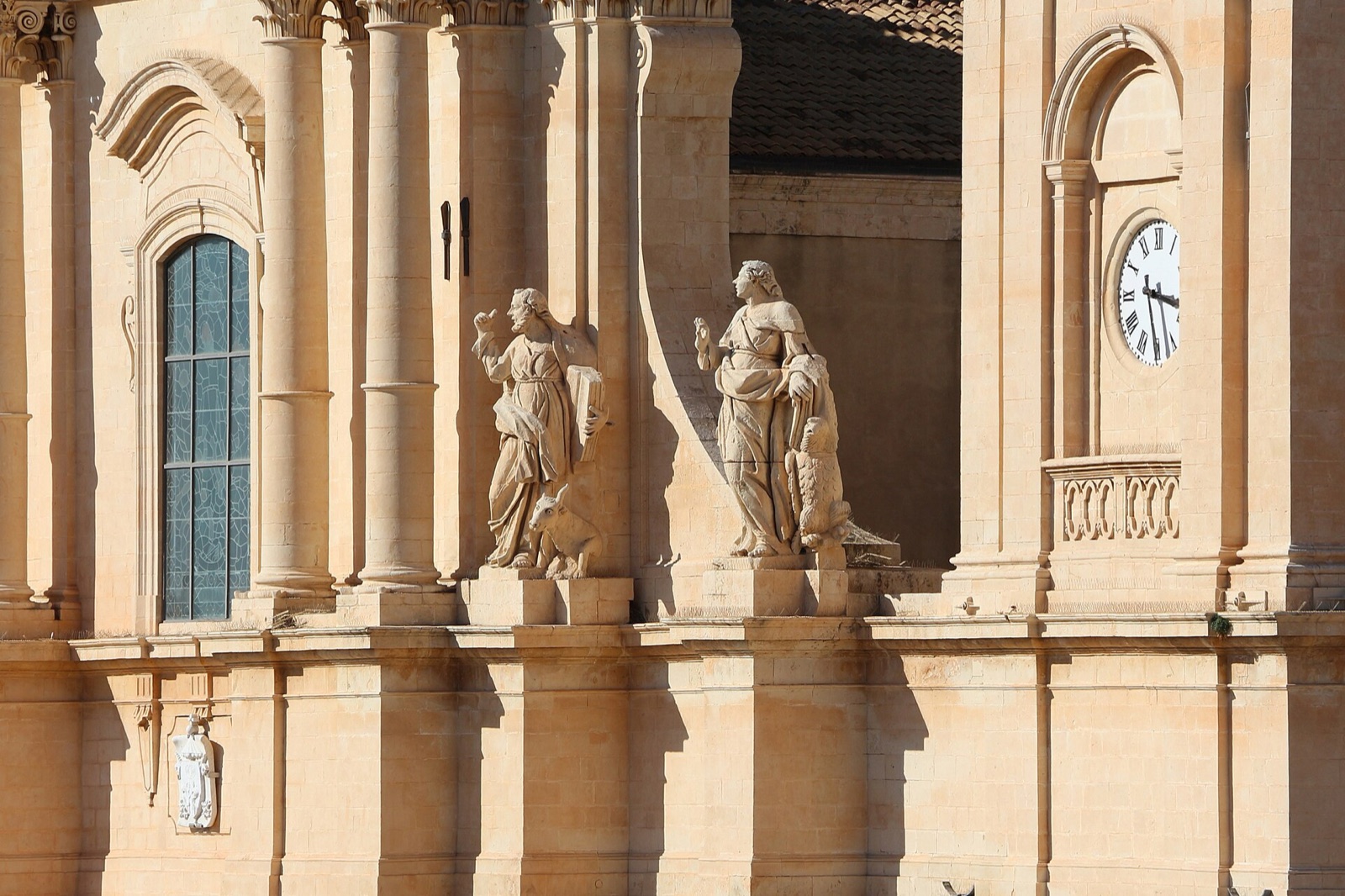
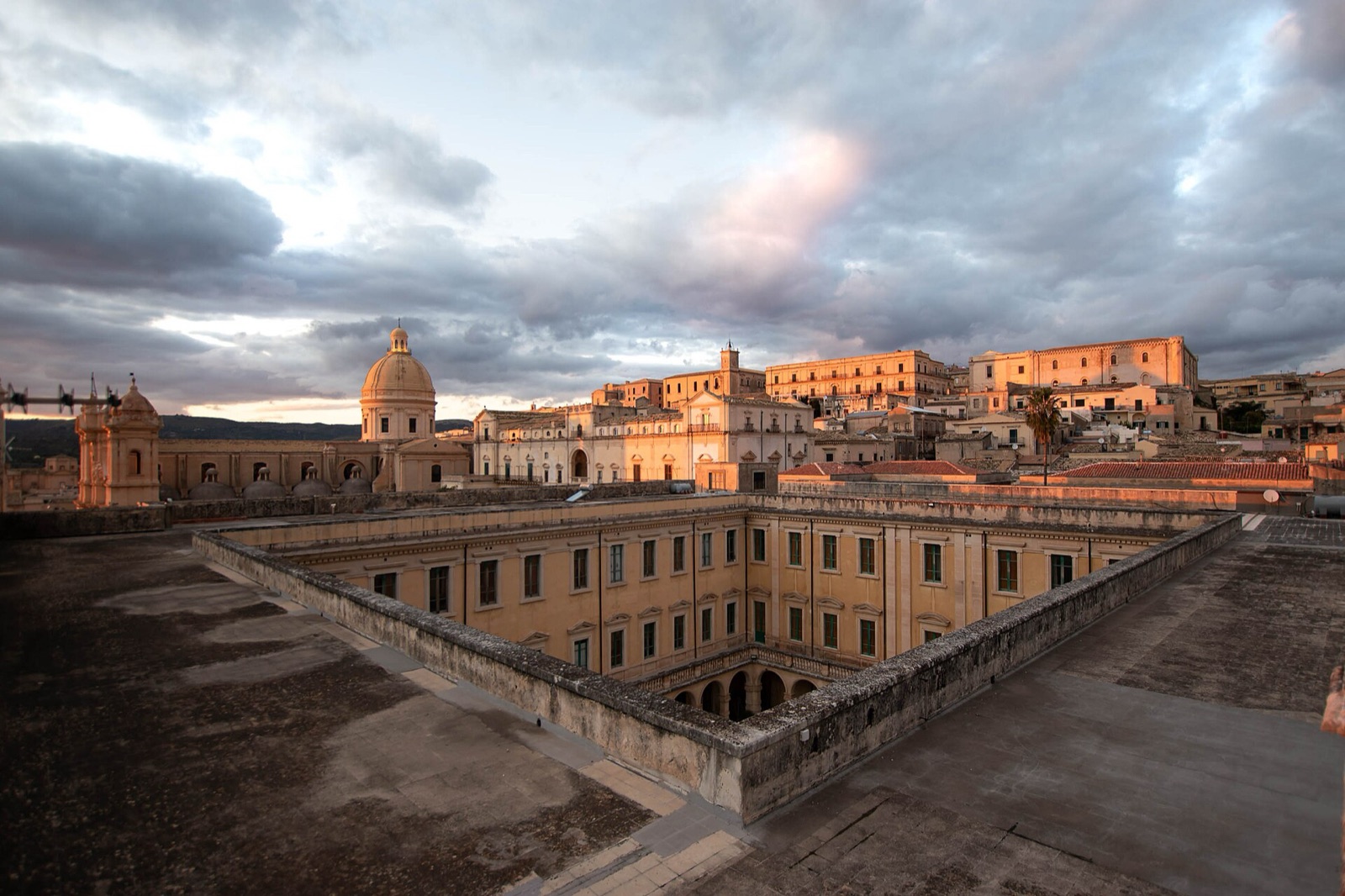
It is Rocco Forte's third address in Sicily, after Villa Igiea in Palermo and the Verdura Resort down the coast, and the first to sit inside a working baroque town rather than beside the sea. That placement matters. The Val di Noto, rebuilt in a single confident sweep after the 1693 earthquake, was inscribed by UNESCO in 2002. Cesare Brandi called Noto a garden of stone. A garden is a thing you sit in, not a thing you drive through, and until now the town has offered almost nowhere to do the sitting.
We are wary of what a grand hotel can do to a small place. Prices harden, the good trattoria starts taking bookings a month out, the light on the cathedral steps at seven in the evening becomes a commodity. Noto is small enough to feel all of that quickly. But it is also a town that has been treated as a photograph for two decades, admired and abandoned in the same afternoon. A single well-run house of 31 rooms will not overwhelm it. What it might do is hold people through the hour when the coaches leave and the stone finally cools, which is the only hour Noto has ever really been worth the drive.

One selection at a time, in your inbox. Subscribe →