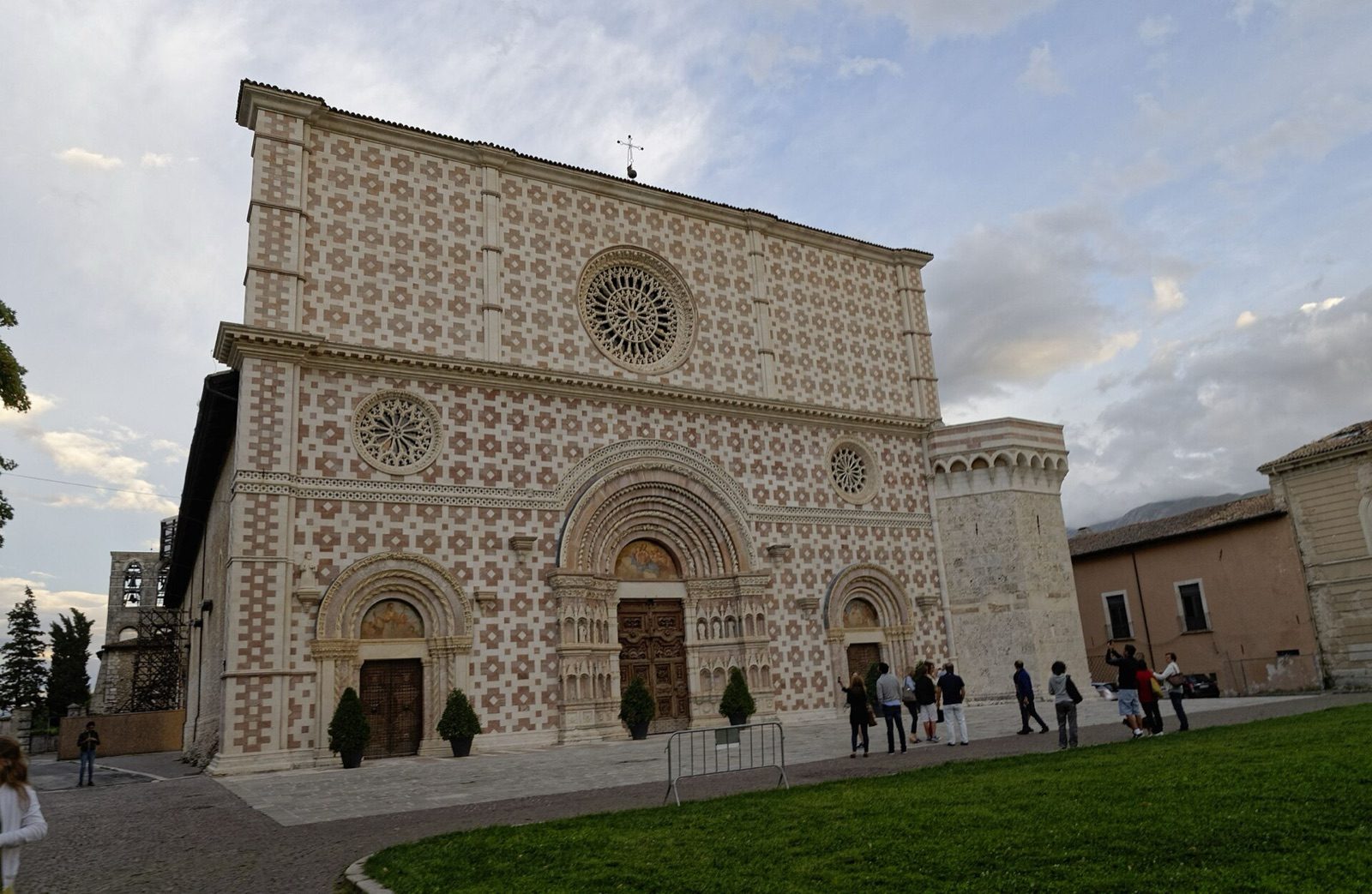
The 1693 earthquake was one of the worst Europe has recorded, a magnitude of about 7.4 that killed some sixty thousand people and levelled the towns of the Val di Noto in a morning. What makes the region extraordinary is not the ruin but the answer to it. Rather than patch the wreckage, a generation of architects and masons rebuilt from the ground up, in a single confident idiom of honey-coloured limestone. UNESCO listed eight of these towns together in 2002, and the density is the point: you can drive between four of them in an afternoon and never leave the same architectural argument.
We have crossed this corner of Sicily more than once, usually in the low gold of late afternoon when the stone turns the colour of the local honey. These are the five we return to, and the reasons why.
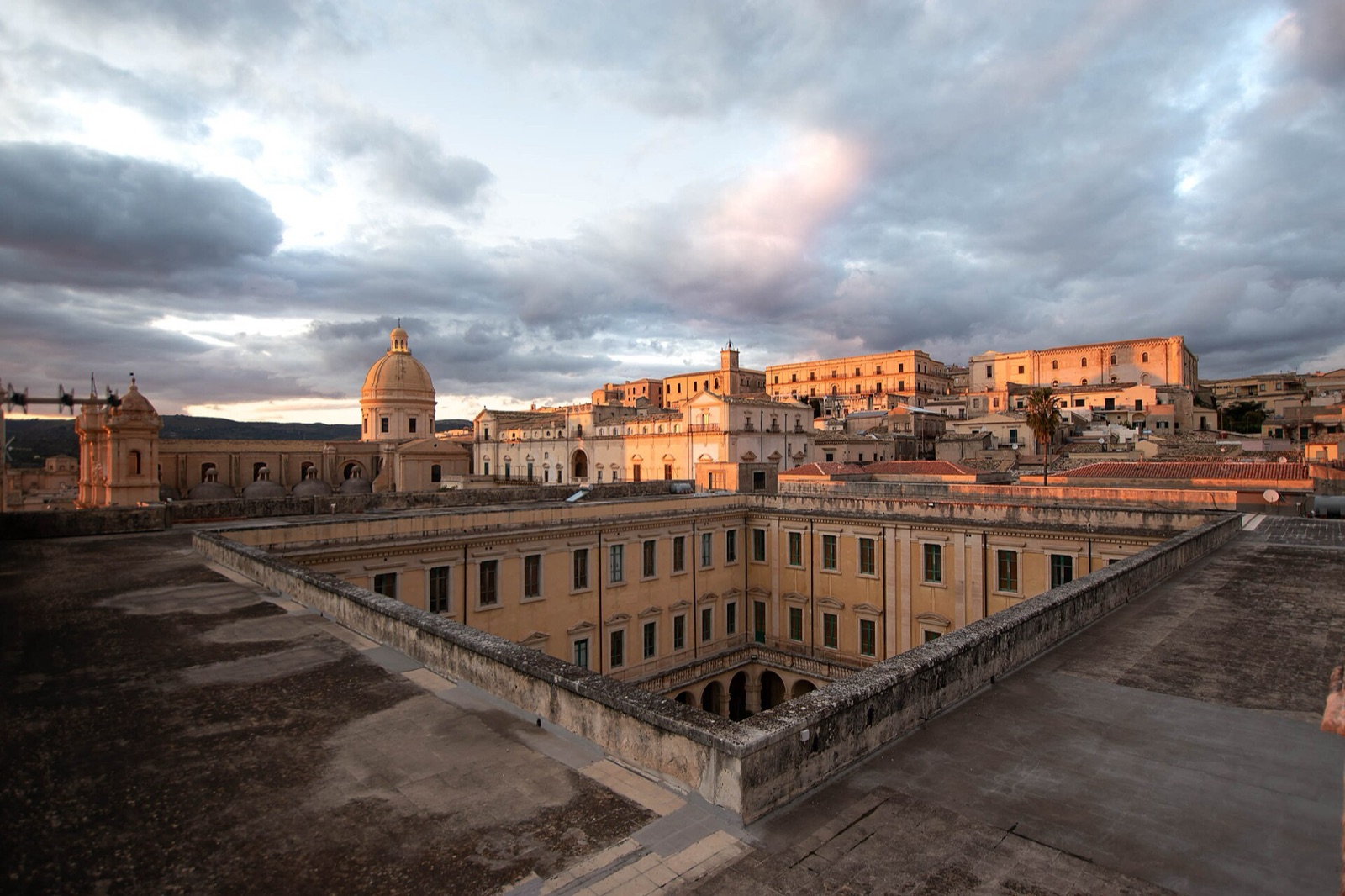
- Noto. The showpiece, and the most deliberate. The old town on Monte Alveria was abandoned after the quake and a new Noto laid out from scratch on a lower slope, a stage set of a place where the main street, Corso Vittorio Emanuele, steps up past three linked squares. The Cathedral of San Nicolo lost its whole dome in a 1996 collapse and reopened, painstakingly rebuilt, in 2007. Come at sunset, when the facades glow.
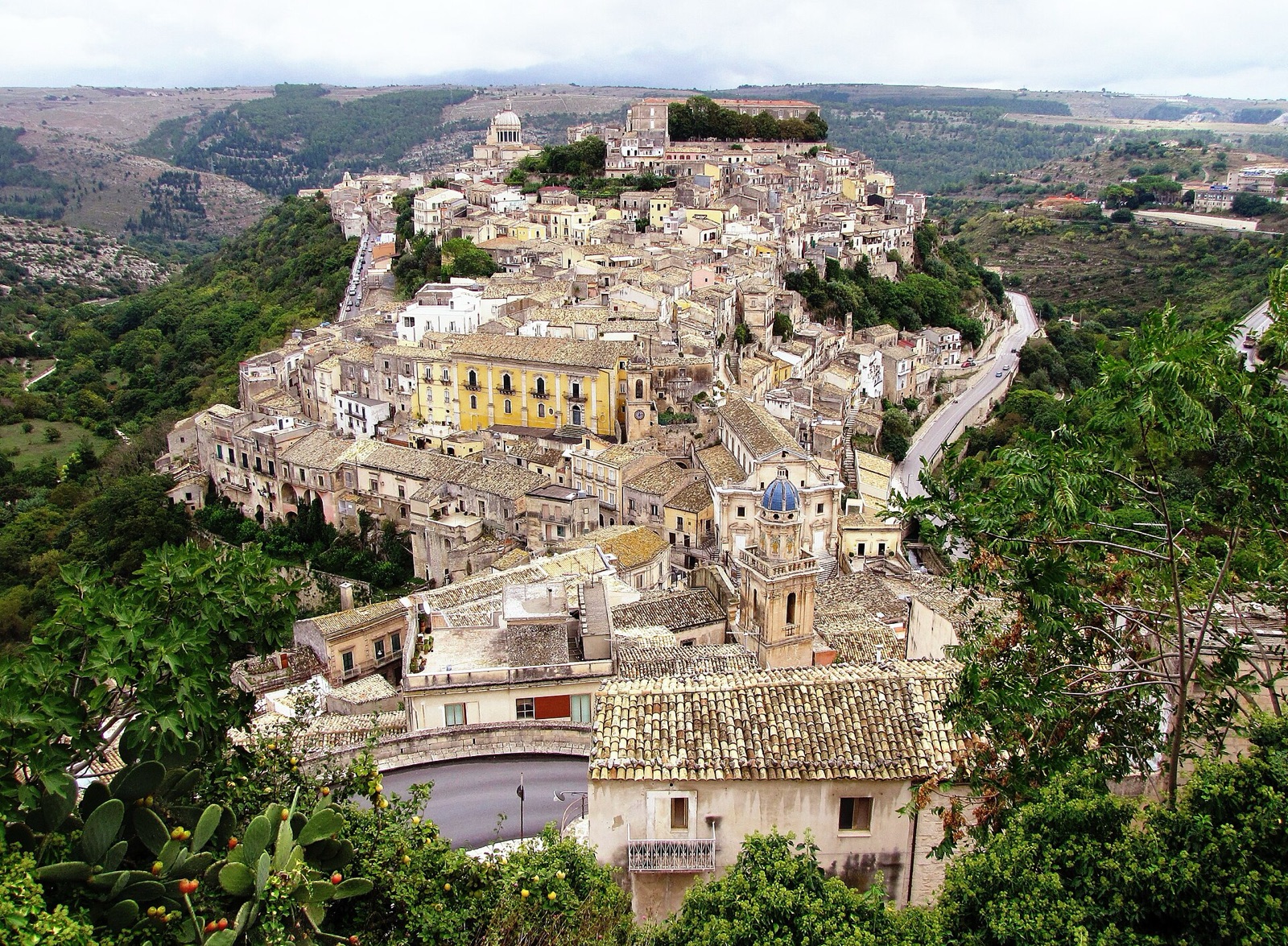
- Ragusa Ibla. Two towns in one. After 1693 the survivors split, some building a modern grid on the hill above while the old guard rebuilt Ibla on the medieval spur below. The two are stitched together by long flights of steps. At the heart of the lower town, Rosario Gagliardi's Duomo di San Giorgio rises on its own theatrical staircase, the finest single church of the whole reconstruction.
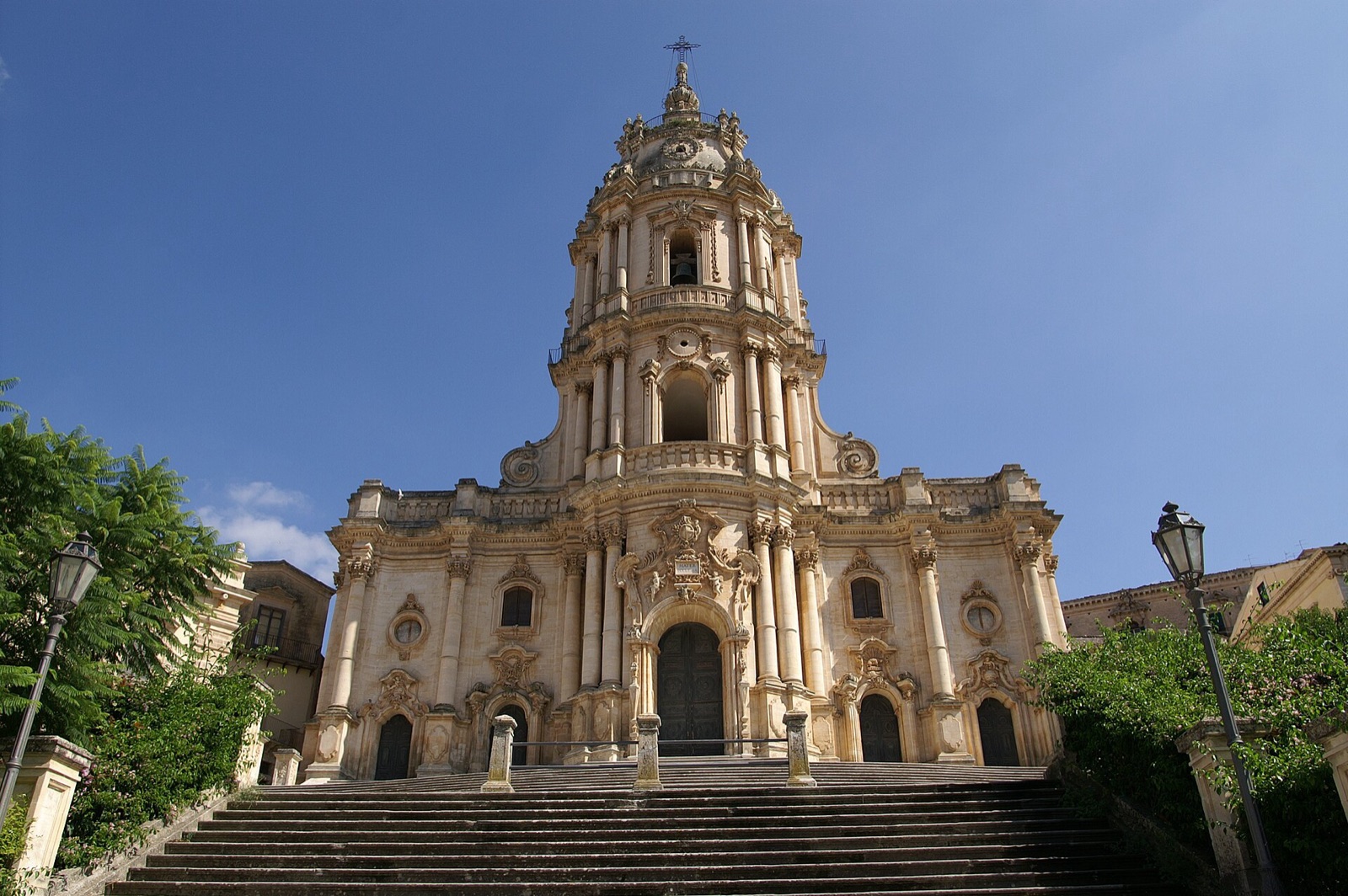
- Modica. A town poured into a gorge, its houses climbing both walls and its churches reached by monumental stairways. Gagliardi's hand is here too, in another San Giorgio. Modica is also where you eat the reward: its cold-worked chocolate, made by an Aztec-derived method that leaves the sugar in visible grains, became in 2018 the first chocolate in Europe to earn protected IGP status.
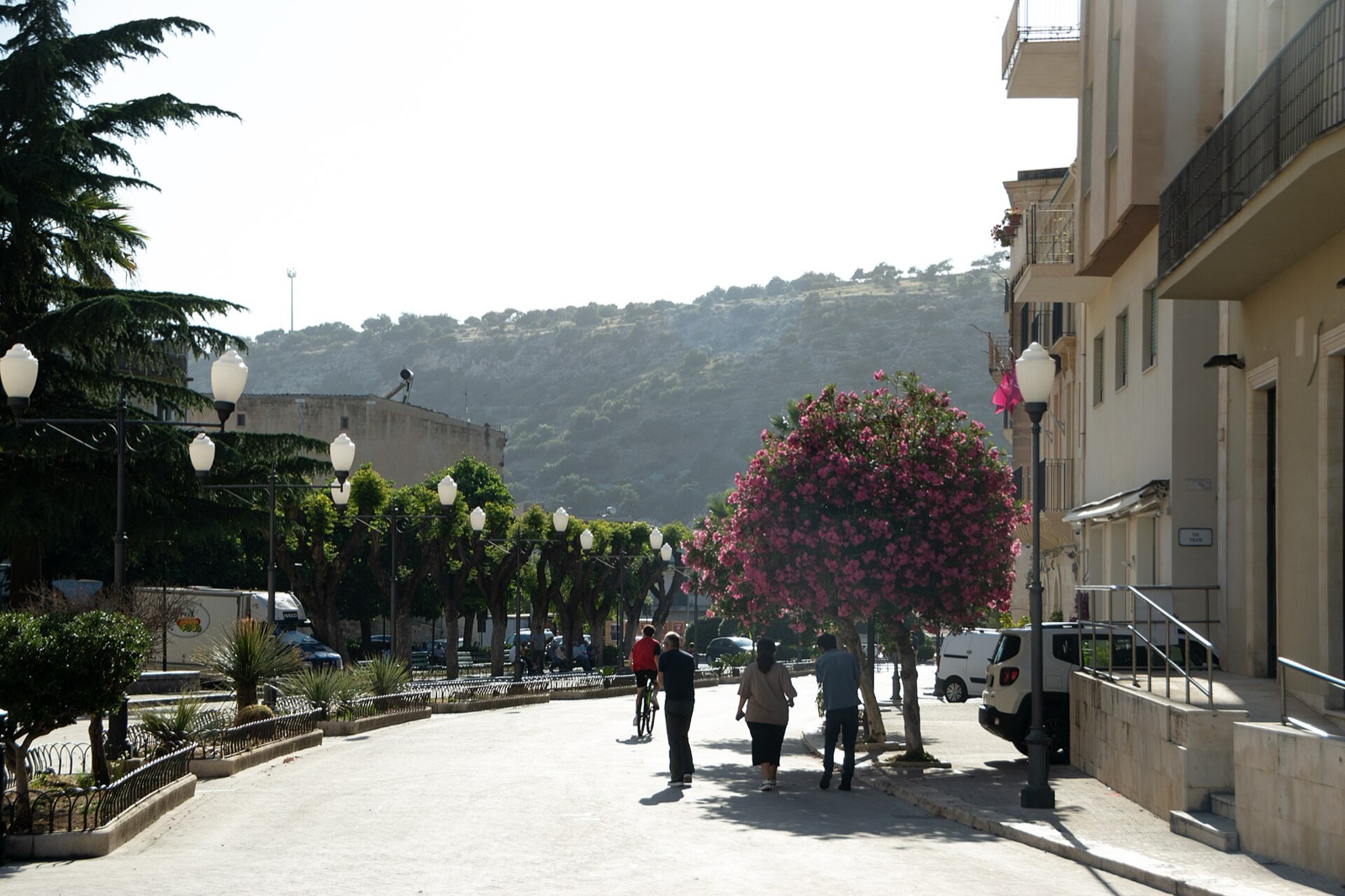
- Scicli. The quietest of the five, and the one that will feel oddly familiar to television viewers. Its handsome town hall stood in as the police station of the fictional Vigata in the Inspector Montalbano series, and the honey-stone lanes around Via Mormino Penna have been drawing that show's pilgrims for years. Beyond the cameras it is simply a lovely, unhurried baroque town.
- Catania. The outlier, and the largest. Rebuilt on its own site after both the quake and Etna's lava, Catania mixes pale limestone with the black volcanic stone the mountain keeps supplying, so its baroque reads in two tones. The elephant fountain on Piazza del Duomo, the sober grandeur of Via Crociferi and the wide, self-assured squares make it the muscular, working counterpoint to the smaller jewels inland.
Ragusa Ibla, Modica, Scicli and Catania. Images via Wikimedia Commons.
Photos: Hein56didden, Wikimedia Commons (CC BY-SA 3.0), Mboesch, Wikimedia Commons (CC BY-SA 3.0), Julian Lupyan, Wikimedia Commons (CC0), Bernard Gagnon, Wikimedia Commons (CC BY 4.0).
The Edit is a VANE Bearings column. We choose the way we choose hotels, on our own terms, with no placement bought. Photo: Ralf Steinberger from Milan, Berlin + Munich, Italy + German, Wikimedia Commons (CC BY 2.0).
← More from Bearings