On the Rise
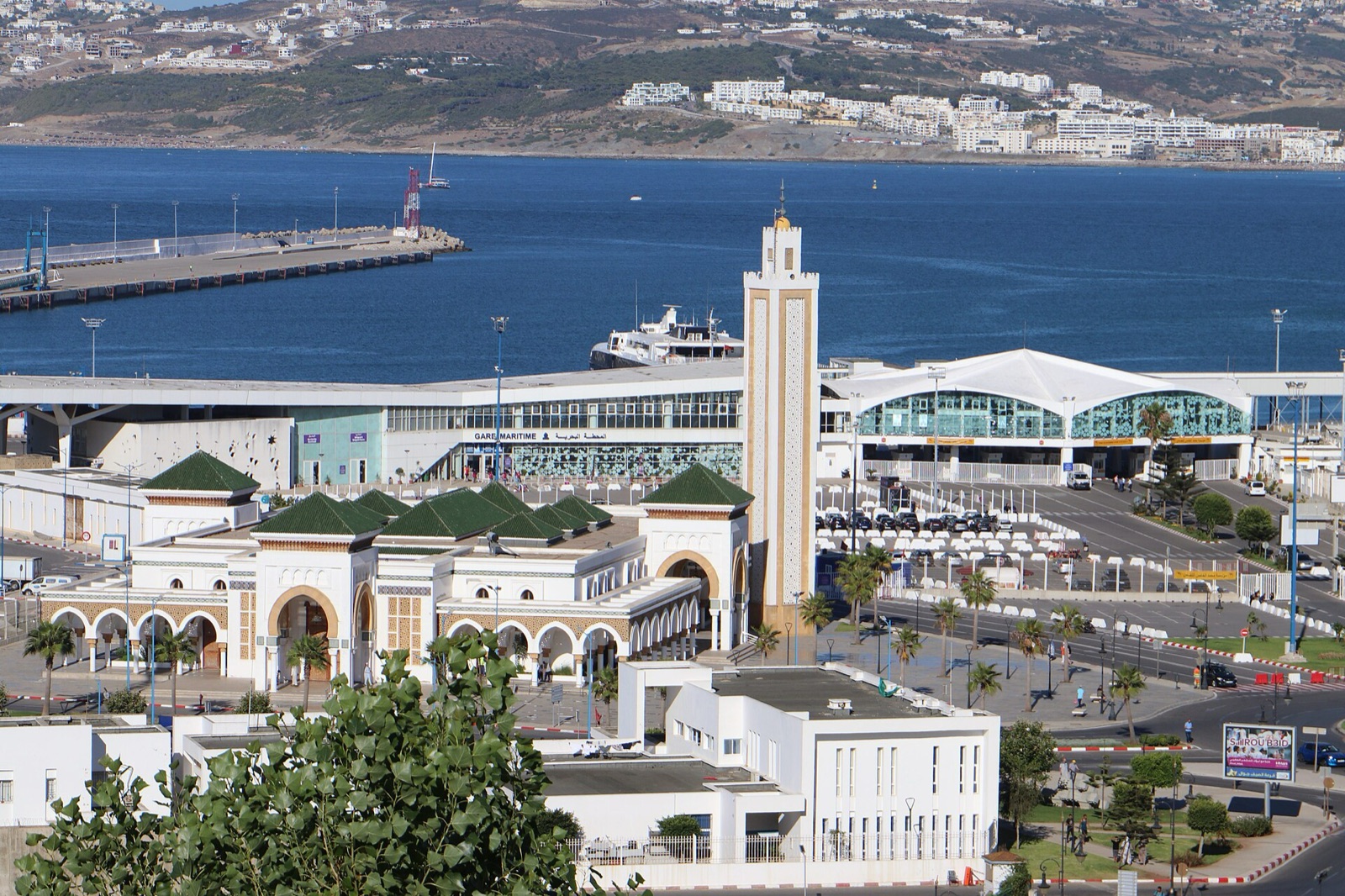
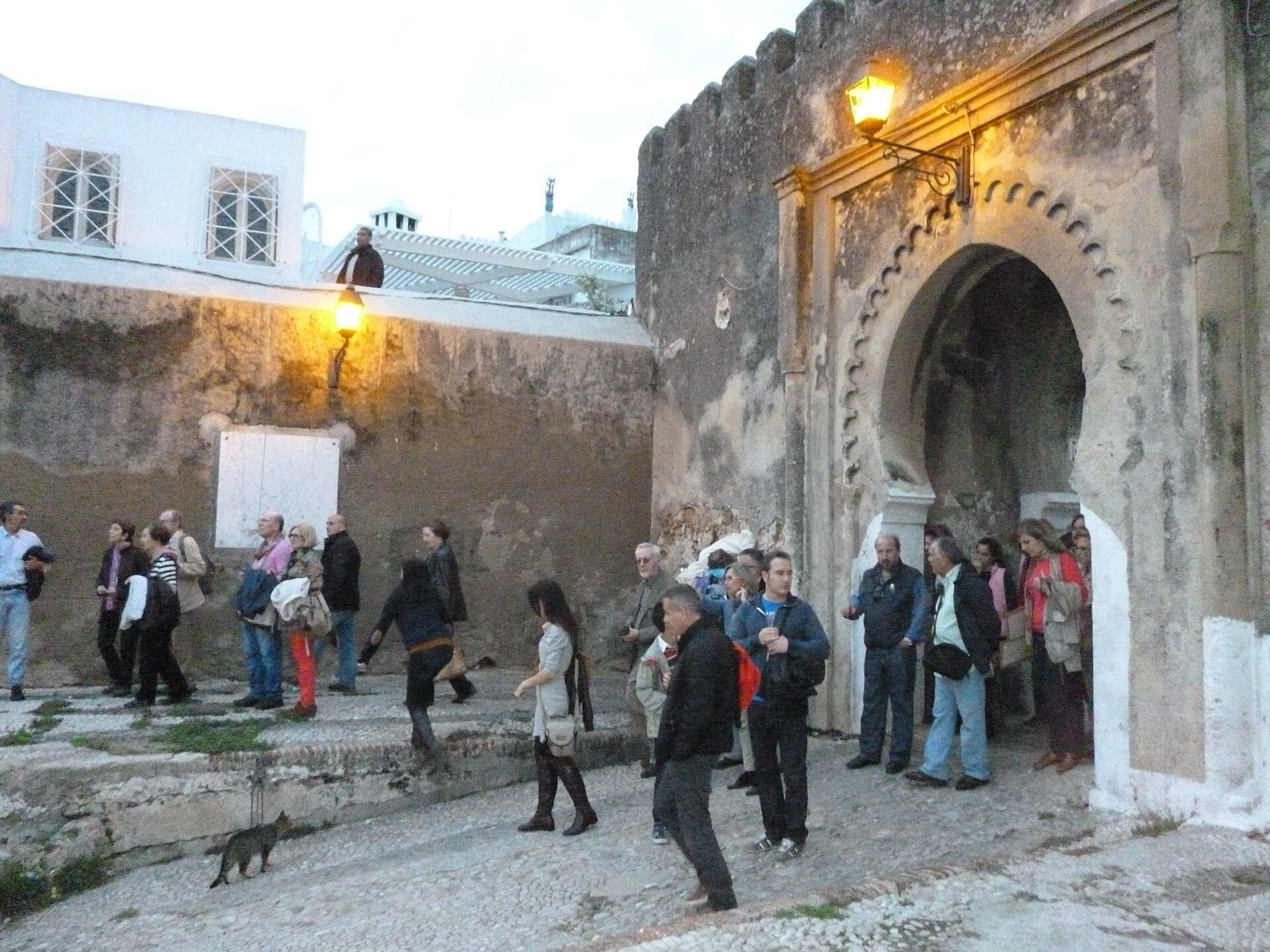
For most of a century Tangier was a city you passed through, not one you stayed in. It sits on the African shoulder of the Strait of Gibraltar, close enough to Spain that on a clear morning the far coast reads like a line drawn in pencil. That geography made its fortune and its reputation. Tangier was a threshold, a place of arrival and departure, and rarely the destination itself.
The reputation was earned. From 1923 to 1956 the city was an International Zone, governed jointly by France, Spain and Britain and later half of Europe, answerable to no single flag. It became a free port for money, ideas and people who preferred not to be asked questions. Matisse found his colour here. Paul Bowles came to the same café above the water for the better part of fifty years, and the Beats followed him out. The result was a myth of tolerance and intrigue that the city has traded on, and struggled under, ever since.
What changed is quieter than the myth. In 2022 the Fairmont Tazi Palace opened on the hills above town, a 1920s residence built for an adviser to the king, restored over years into 133 rooms behind zellige and carved cedar. It was the first address in a long while that gave a certain kind of traveller a reason to book Tangier on purpose rather than en route.
Tangier never lacked glamour. What it lacked, for decades, was somewhere to set your case down and mean it.
Others are following. Hilton has signed the Waldorf Astoria Tangier and a Canopy on the bay, part of a wider Moroccan expansion of nine hotels across seven brands. The national plan behind it is blunt about its ambition, a target of 17.5 million visitors by the end of 2026. For years the luxury conversation about Morocco meant Marrakech, the ochre walls and the riads. That conversation is moving north now, towards the sea and the strait.
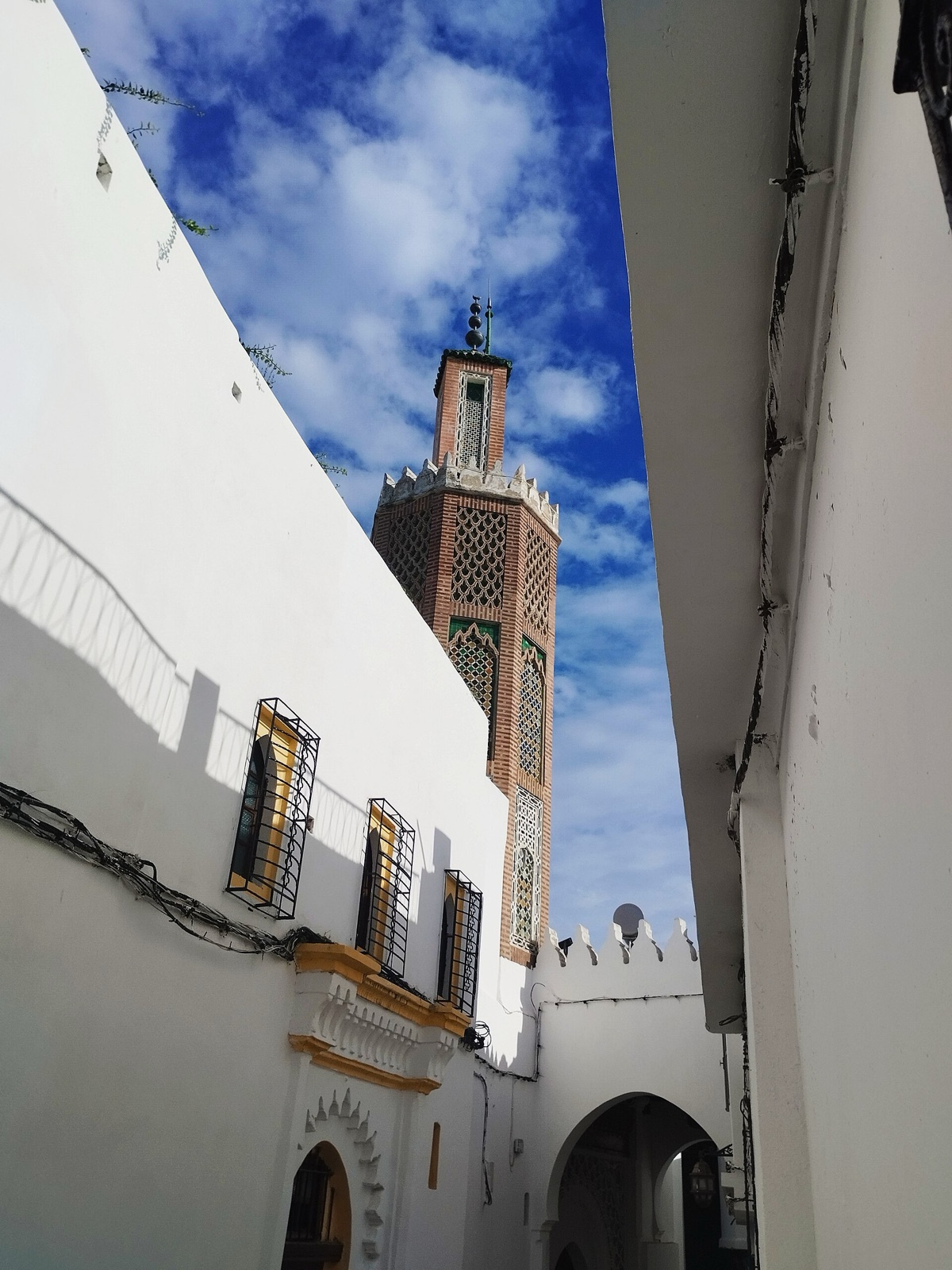
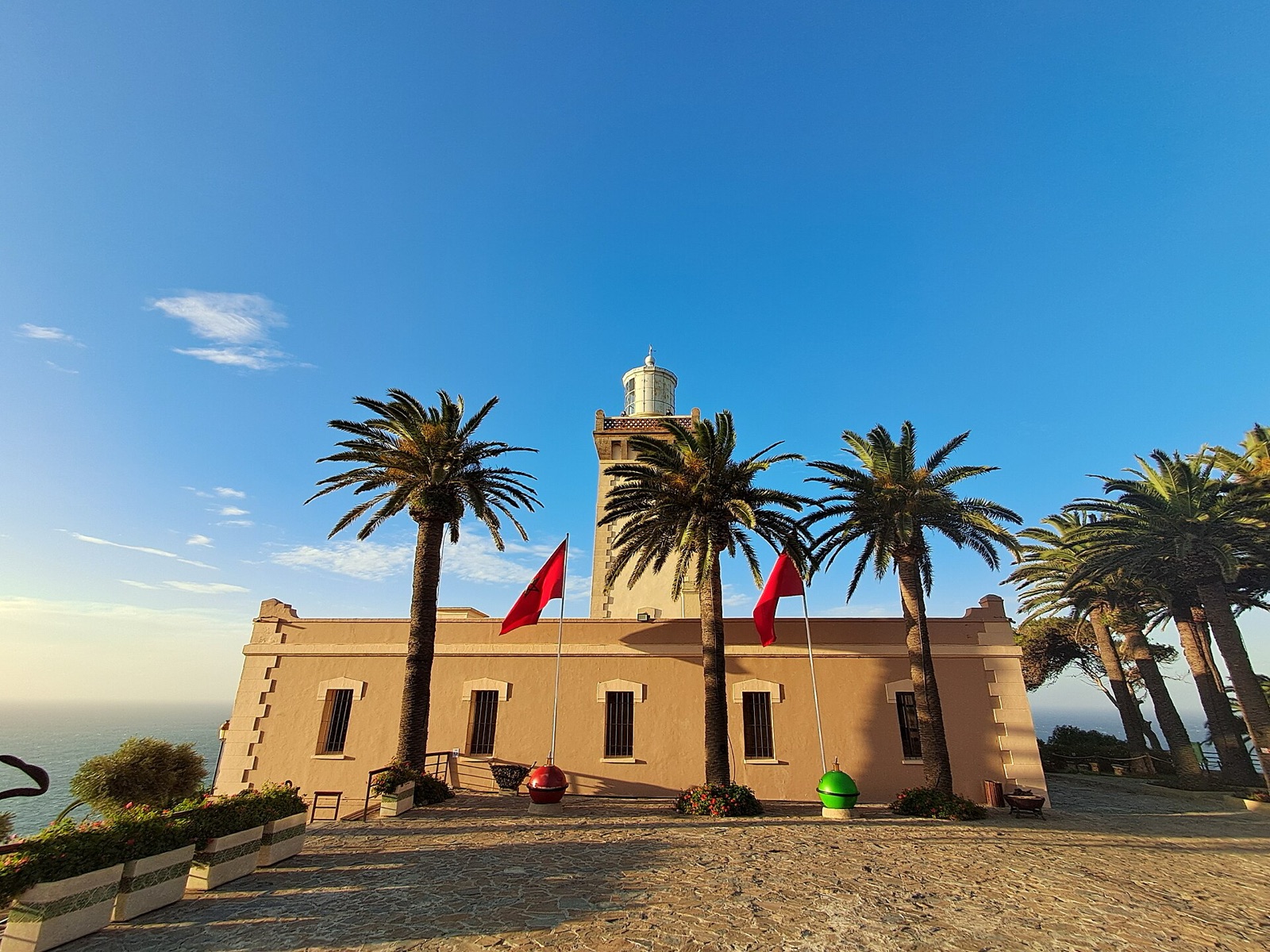
We would not oversell it. The medina still tips downhill in a tangle of stairs, the kasbah keeps its own hours, and the wind off the Atlantic at Cap Spartel can undo a carefully planned afternoon. The ferries still run to Tarifa in under an hour, so Europe is never far. The difference is that fewer people now board them straight back out. Tangier is opening its doors without pretending to be anywhere other than itself, a city caught between two seas and two continents, finally worth the pause it used to deny you.