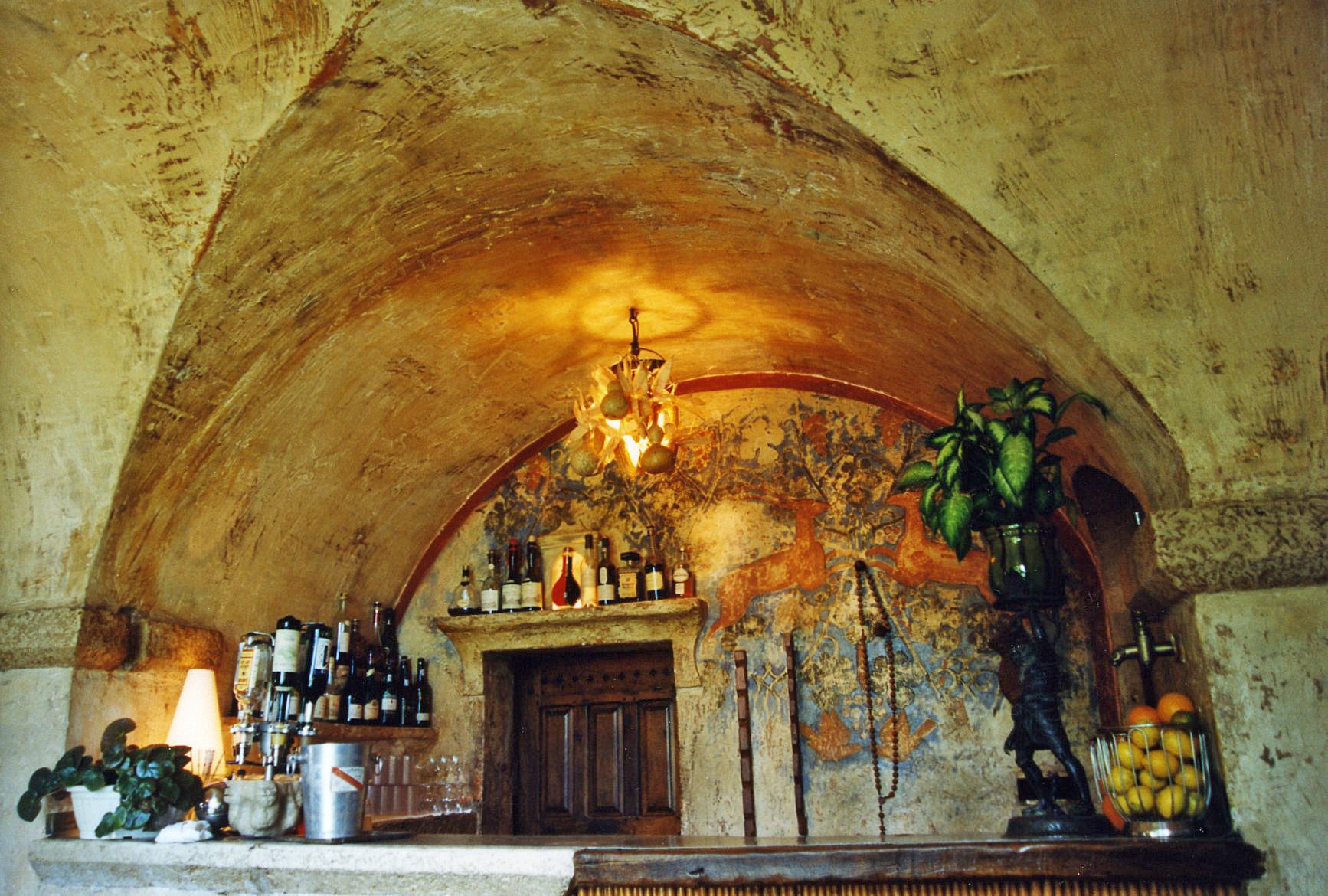
A café at the village gate
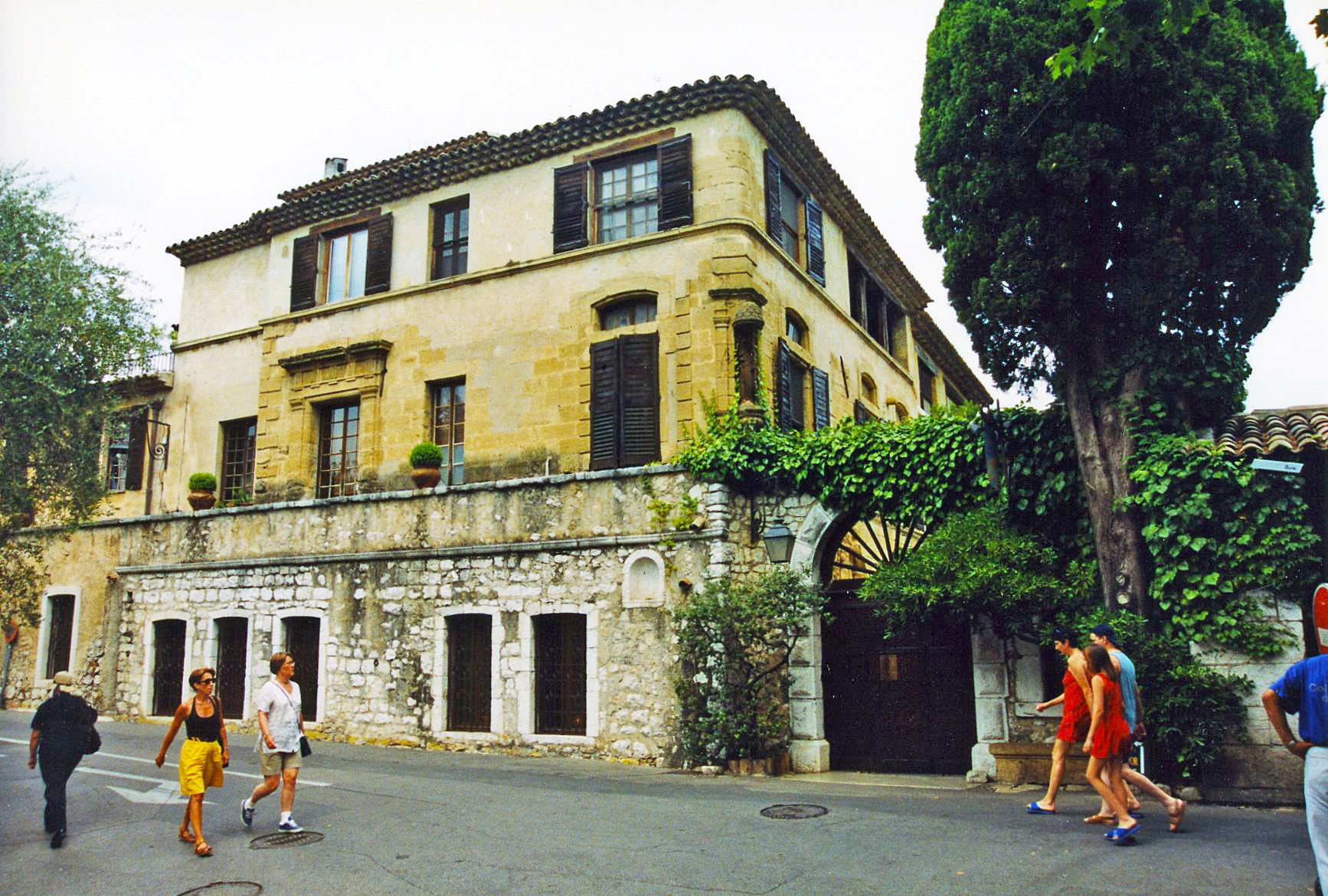
Saint-Paul-de-Vence sits on a ridge in the hills behind Nice, a tight knot of stone lanes inside medieval walls, with the sea a half hour down the slope. La Colombe d'Or stands just outside the gate, where the road comes up to meet the ramparts. It is not a grand building. It is a long ochre house with green shutters, ivy over the garden wall and a cypress by the door, the kind of place you might walk past if the name were not quietly famous.
Paul Roux and his wife Baptistine opened it in 1920 as a small café with a terrace, a few tables under the trees where people came up from the coast to eat and dance at the weekend. Rooms followed, three at first. The couple took an interest in the painters who were then scattered across the Côte d'Azur, and the painters, some of them short of money, took an interest back. A century on the Roux family still runs the house, which is the first thing to understand about it. It has never been sold, never been turned into a brand, never stopped being an inn.
Paid in pictures
The story everyone knows is the one about the bills. Matisse, Picasso, Braque, Léger, Miró, Chagall, Villon and Picabia all passed through, some of them often, and more than a few settled what they owed with a canvas rather than a cheque. Whether every tale is literally true matters less than the result, which is plainly here on the walls. The house holds one of the more remarkable private collections of twentieth-century art in France, and it hangs it with no labels, no rope and no attendant, in the corridors, the dining room and out on the terrace, as if these were simply the pictures a family had gathered over a long life.
That restraint is the whole trick. A Léger ceramic sits on an outside wall. By the pool, a Calder mobile turns above the water and a large ceramic by the Irish painter Sean Scully keeps it company, the newest arrival in old company. In the garden stands a bronze thumb by César, cast in 1983 and taller than a man. None of it is announced. You come upon a Braque the way you would in a friend's house, which is the point the place has been making, without saying it, for a hundred years.
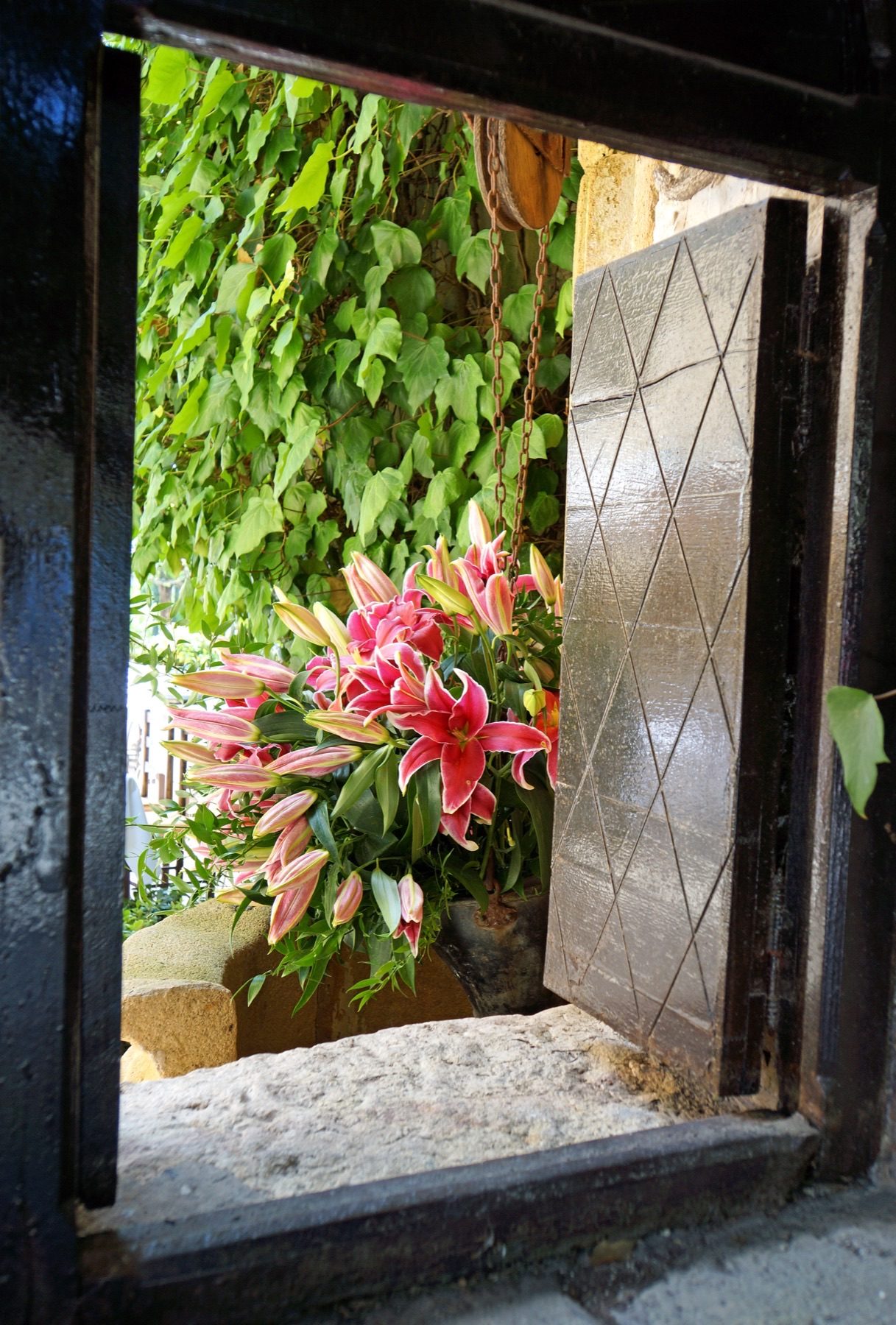
You come upon a Braque the way you would in a friend's house.
The basket comes first
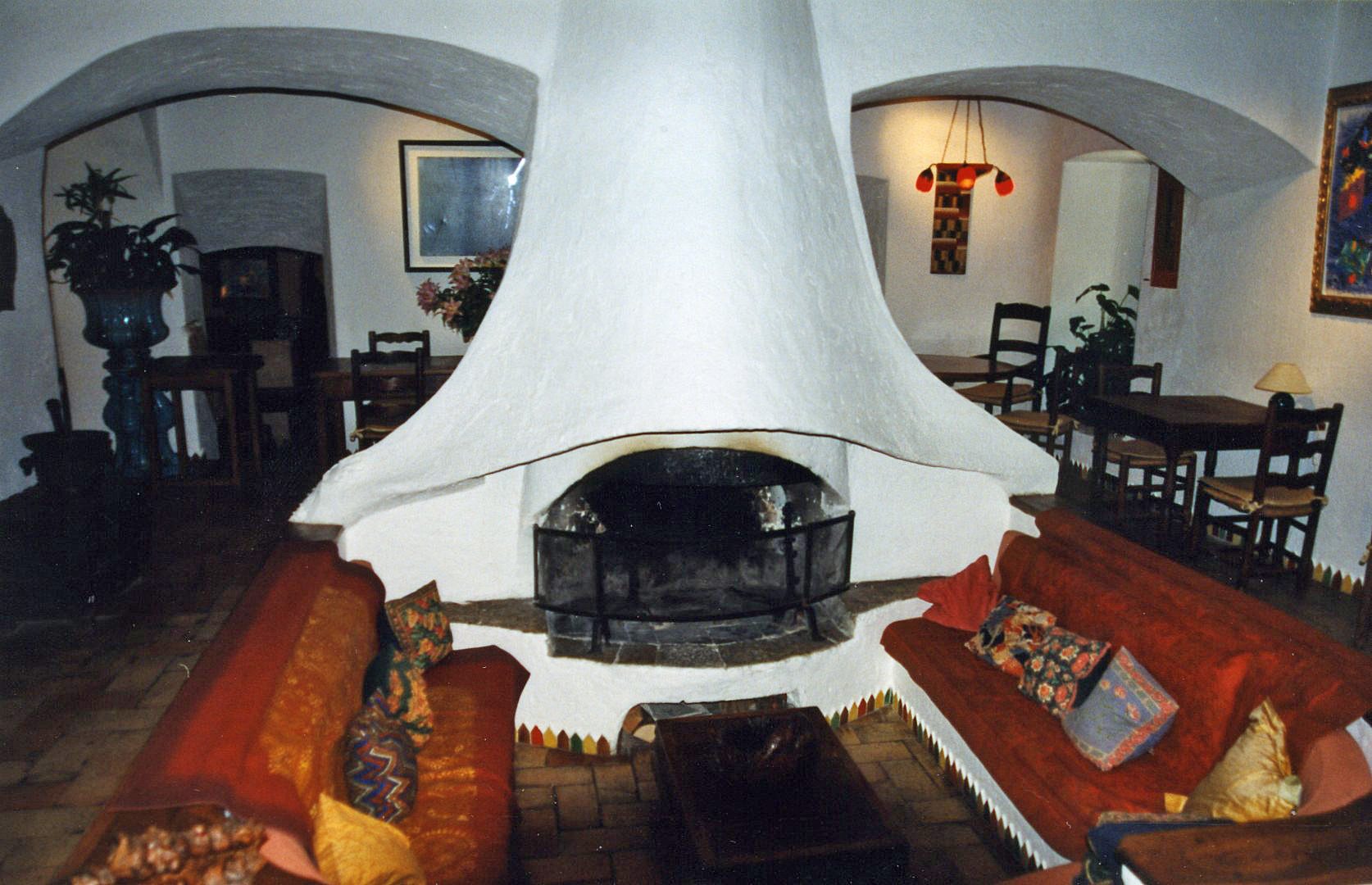
For a good many people the table came before the art, and it still draws them up the hill. Lunch and dinner are laid on the terrace under the trees, or inside by that great white fireplace when the season turns. The meal opens the way it has for decades, with the panier de crudités, a spread of raw and dressed vegetables, charcuterie and small Provençal plates set down before you have chosen anything at all. The cooking that follows is regional and unhurried rather than clever, and the setting does a fair share of the work.
There is no Michelin star, and the house is none the quieter for the lack of one. You need not be a guest to eat here, though you should book well ahead, because the twenty-five rooms and suites are only part of the draw and the terrace fills. It is a restaurant with rooms more than a resort, so do not arrive expecting a spa or a programme of anything. The pleasures are older and simpler: a long lunch, the turning Calder, the walk up into the village afterwards.
The Riviera has grander hotels and slicker ones, and none can do what this one does without appearing to try at all, which is to set dinner inside a private modern collection in a hill village above the sea. One family, one house, a hundred years in the same walls. Come for the terrace, the pool and the pictures, not for a resort. That is why it is in VANE.