The Object
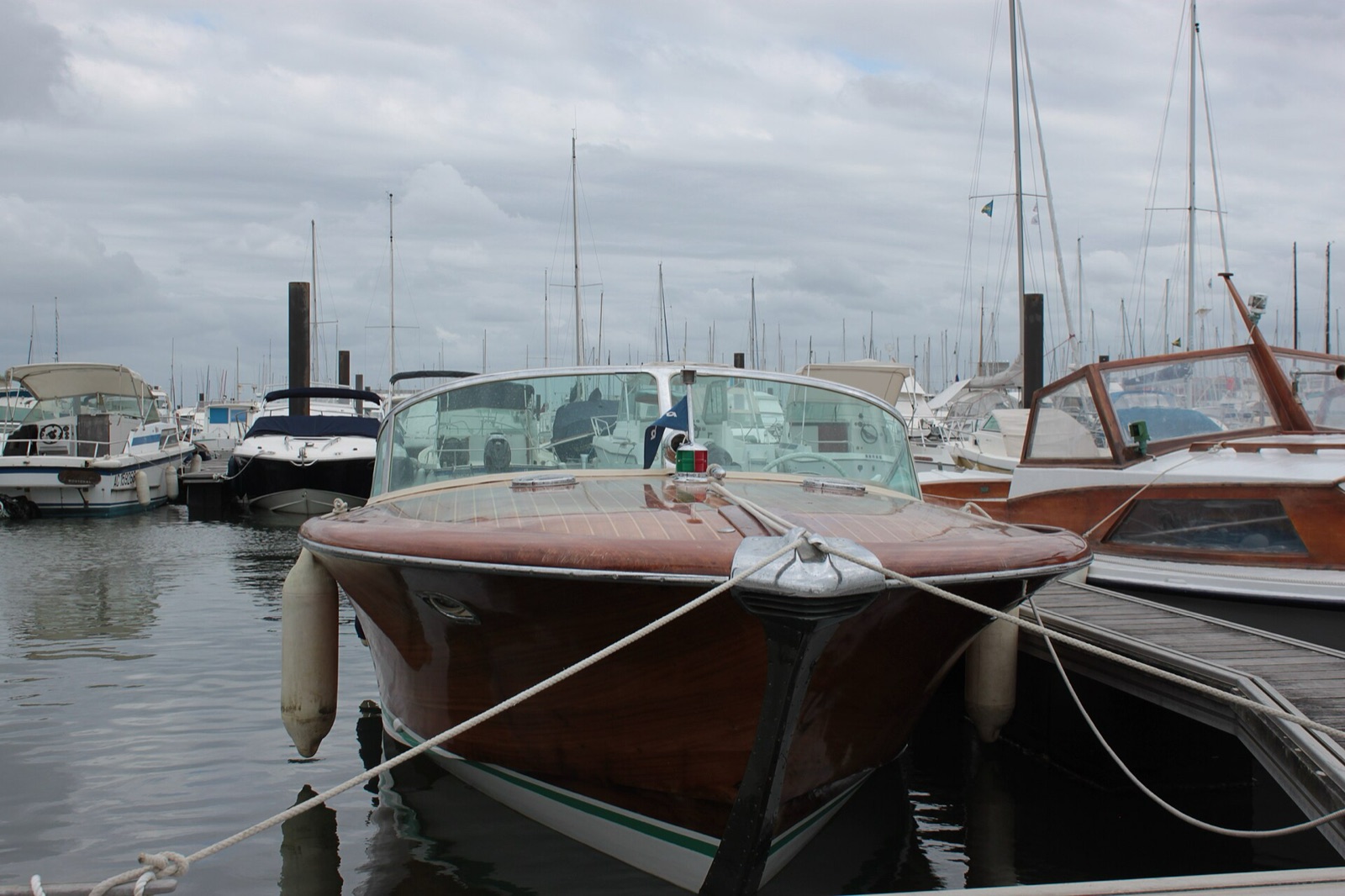
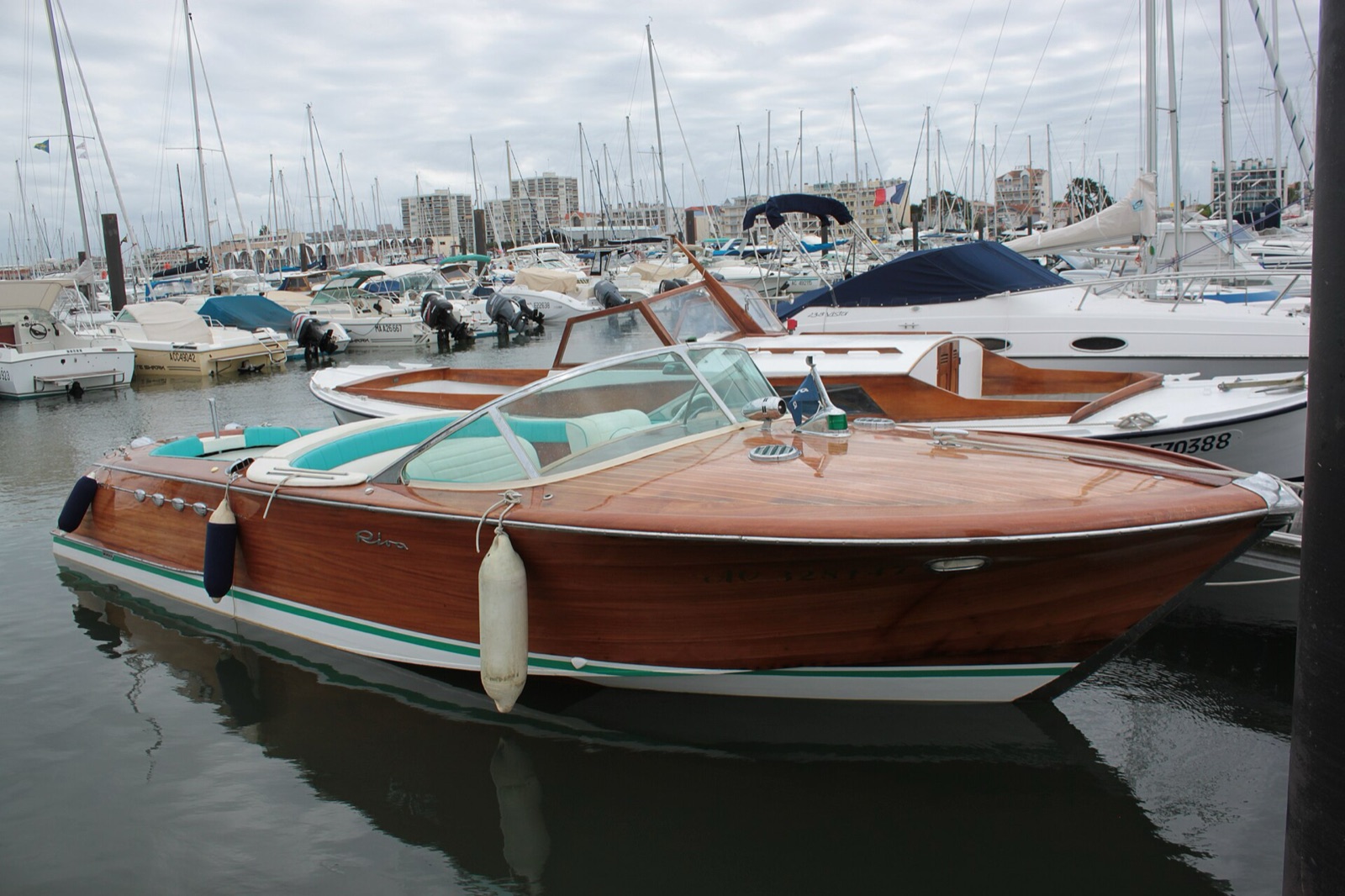
There are cars that stand for a decade and watches that stand for a mood. The Mediterranean has a boat. Draw the Riviera from memory and you will draw a Riva Aquarama: low, long, the colour of dark honey, a white wake fanning out behind it towards a coast of umbrella pines. No other object carries the whole idea of that sea quite so completely.
It came from a lake, not the sea. The Riva family had been building boats at Sarnico, on Lake Iseo in northern Italy, since 1842. When Carlo Riva took over the yard in 1949 he wanted something faster and better looking than anything else afloat. He found his hull in the earlier Riva Tritone, which in turn owed a debt to the American mahogany runabouts of Chris-Craft. What Riva added was Italian.
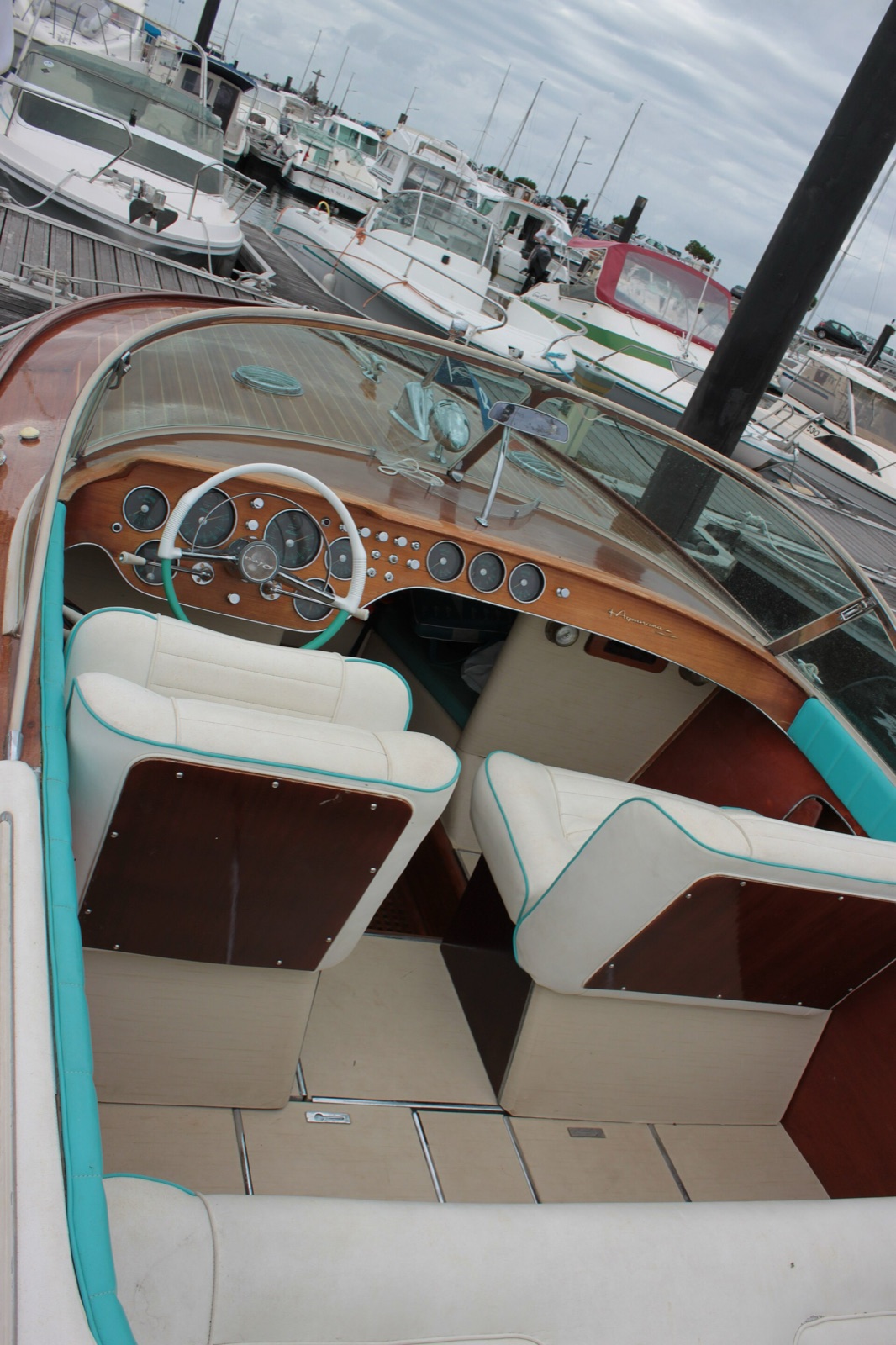
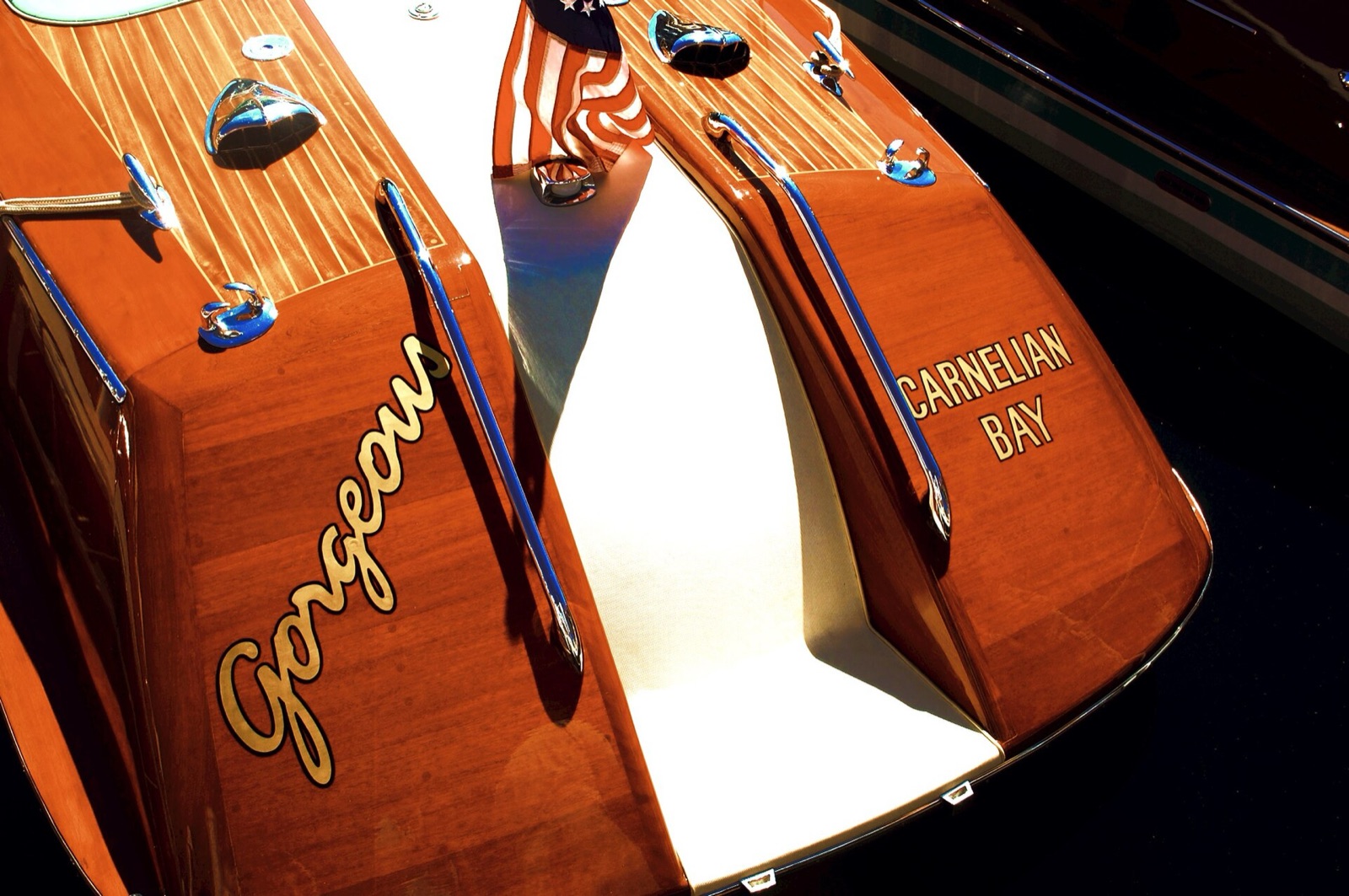
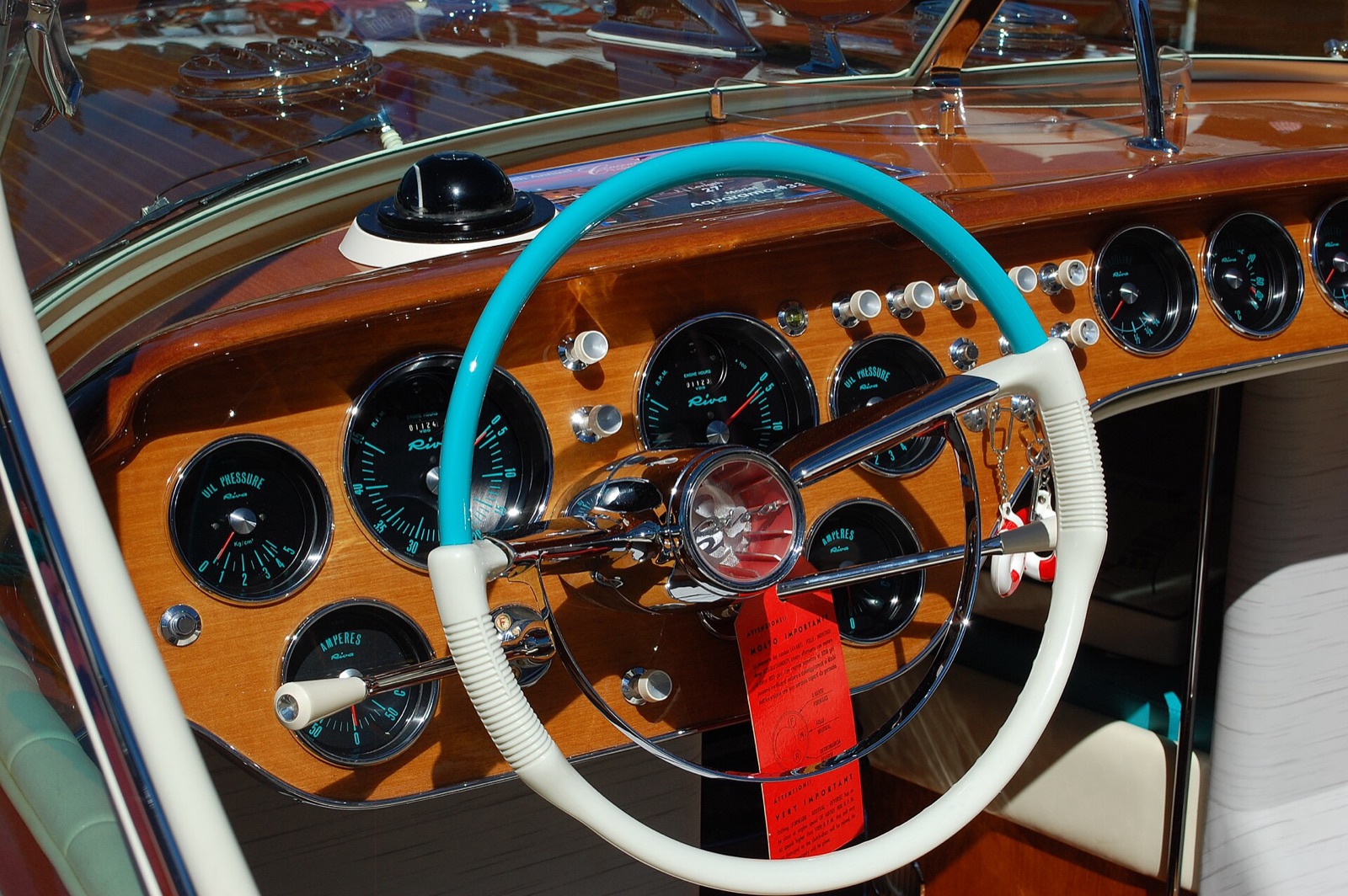
The Aquarama arrived at the 1962 Milan Boat Show. Carlo named it after Cinerama, the wide-screen cinema of the day, because he wanted the same sense of a horizon opened out on either side. The upholstery was robin's-egg blue and cream. The deck was mahogany, laid plank by plank and varnished until it held the light like good furniture, with chrome running along every edge. People called it the Ferrari of the water, and for once the comparison was earned rather than sold.
A Riva is not a boat you own so much as a piece of the sea you are briefly allowed to steer.
Building one took months. Each hull was many layers of mahogany, hand-shaped, screwed, faired and coated over and over, the kind of labour that does not survive contact with a production line. That was the point of the thing and, eventually, its problem. Between 1962 and 1996 Riva built only around 760 Aquaramas across the standard, Super and Special versions. When fibreglass took the market on price, the wooden boat could not follow it down, and the model was retired.
What it left behind is a shape that refuses to age. Good examples now change hands for far more than they cost new, restored screw by screw by owners who understand they are keeping a small national monument afloat. We have watched one come into a harbour at dusk, engines burbling, and every head on the quay turn at once. That is the real test of an object. Sixty years on the Aquarama still passes it, and it shows no sign of being in a hurry to stop.
One selection at a time, in your inbox. Subscribe →