The Table
Menton is the last town in France before the Italian frontier, and it grows lemons the way other places grow reputations. The gardens climb in terraces behind the old town, backs turned to the north, faces open to the sea. What ripens here is not the supermarket lemon. It is larger, thicker in the skin, heavier with oil, and its zest keeps a faint sweetness that survives the heat of a pan.
That character is not an accident of marketing. Since September 2015 the Citron de Menton has held an IGP, a Protected Geographical Indication, and it remains the only French lemon to carry one. The paperwork matters less than what it fences off: a way of growing tied to a thin ribbon of coast where the mountains break the cold and the sea holds the warmth. The trees flower and fruit almost the year round, and the crop ripens slowly on the branch rather than in a cold store. Growers pick by hand, in several passes, taking the fruit as it turns.
The town knew its worth early. In the nineteenth century Menton was the lemon capital of Europe, and the rock it sits on wore the nickname to match. Then the coast filled with villas, the terraces were sold off for holiday money, and by the middle of the last century a handful of producers were all that remained. The fruit survived because a few families refused to give up the walls their grandparents had built to hold the sun.
A Menton lemon does not shout. It arrives on the plate already halfway to a dessert.
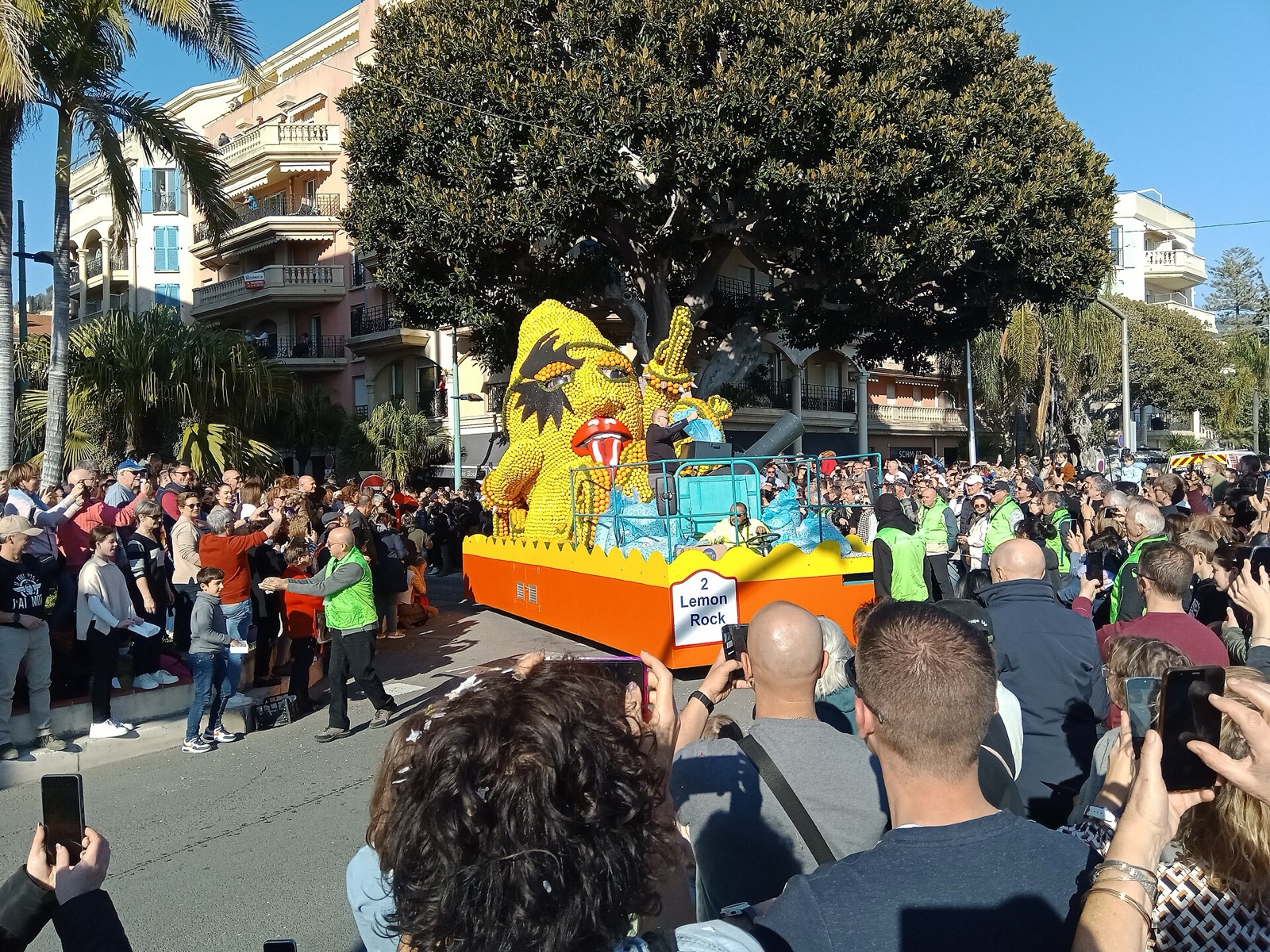
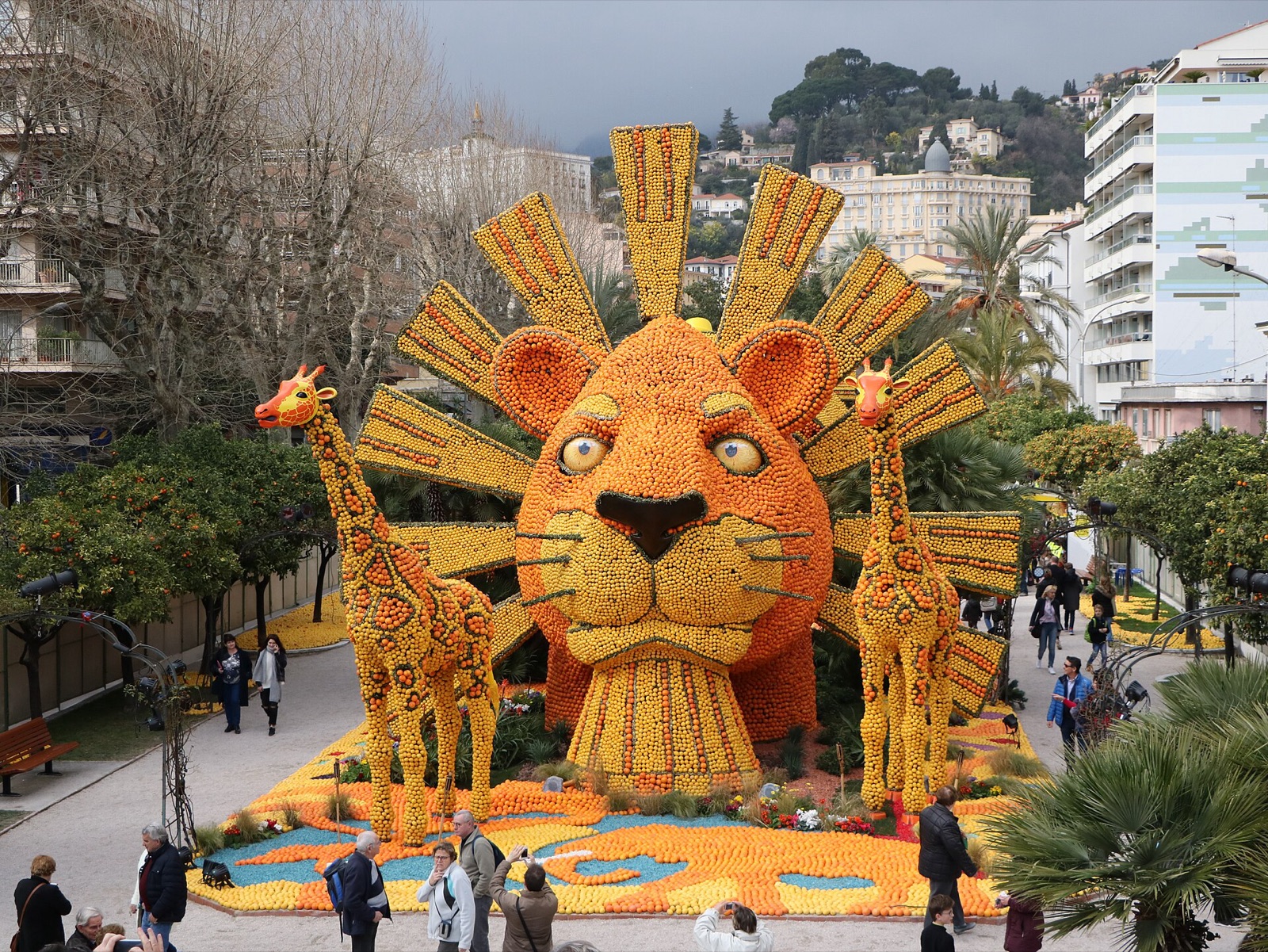
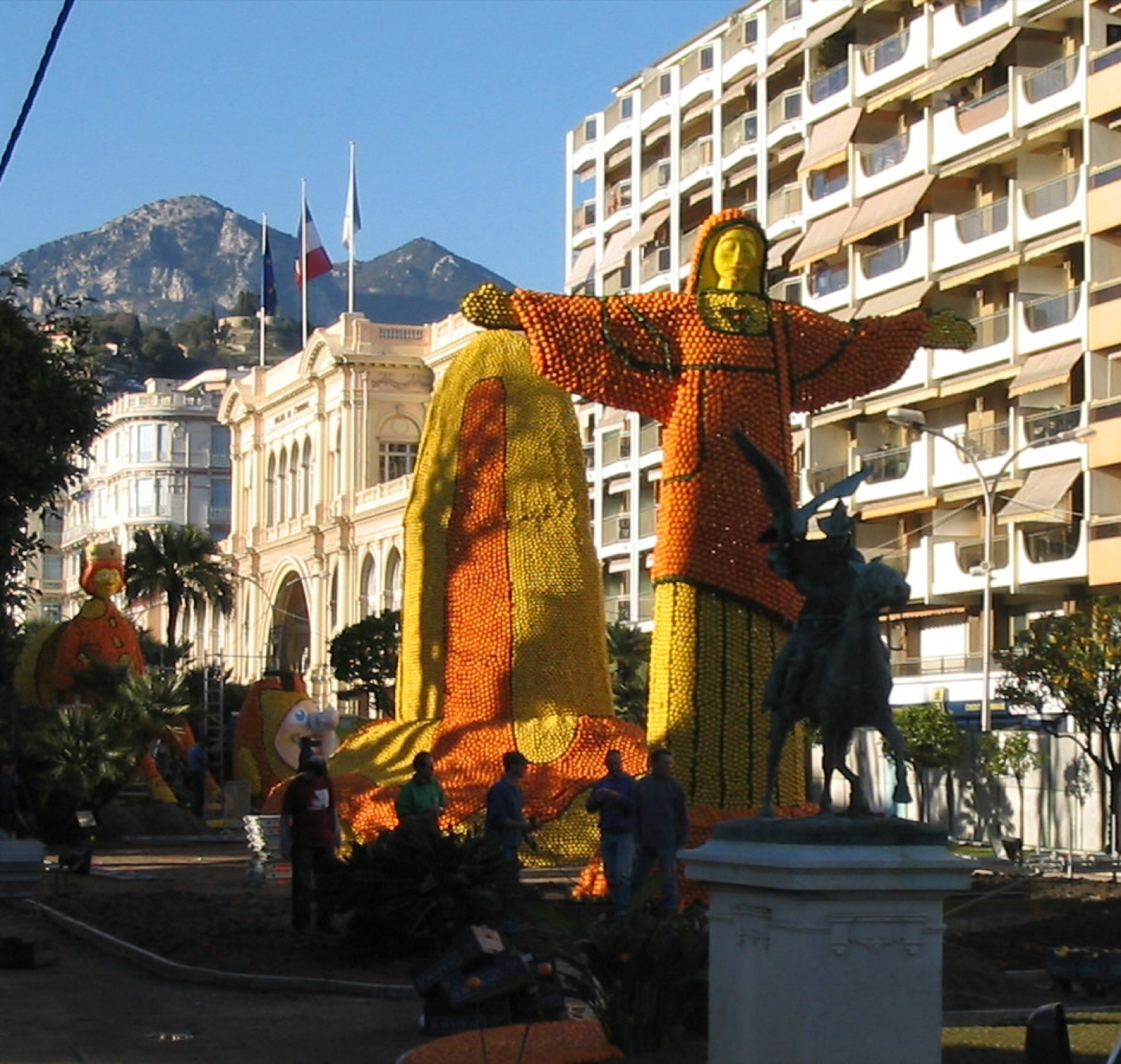
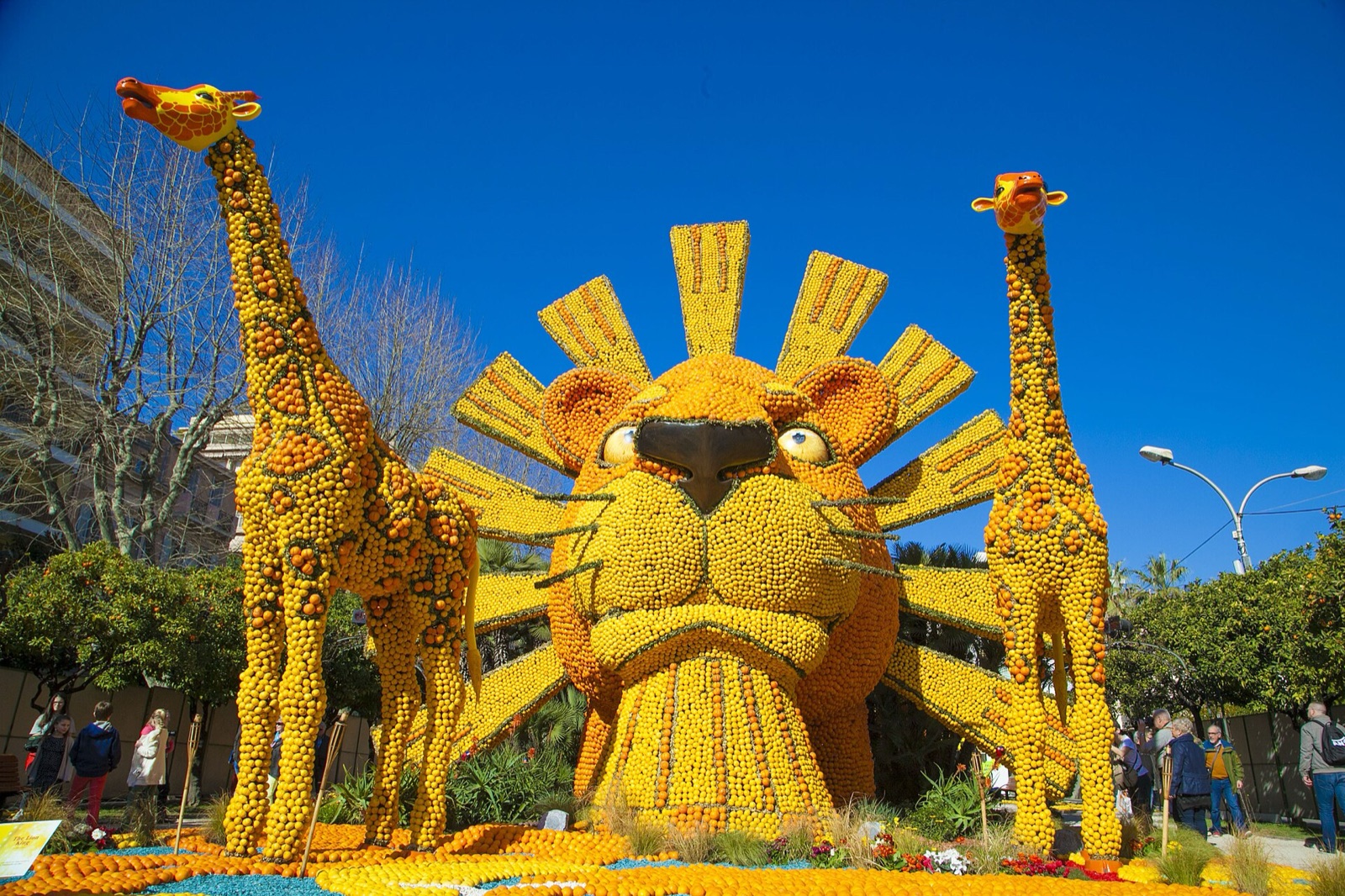
Once a year the fruit takes the streets. The Fête du Citron began in 1934, staged in the second half of February when nothing else is in flower on the Riviera. For a fortnight the Jardins Biovès fill with vast figures built entirely from citrus, oranges and lemons wired by the thousand onto steel armatures, while the parades move along the Promenade du Soleil with the sea at their shoulder. It is one of the strangest and most disarming spectacles in the Mediterranean, a whole town dressed in fruit against a grey winter sky.
There is an honest confession folded into the pageant. The lemons that clothe the floats, up to 150 tonnes of them, are trucked in from Spain, because the real Menton crop is far too small and far too dear to be nailed to a giraffe. Local production runs to a few dozen tonnes a year, and the growers would rather you ate it. That is the tell of a true delicacy. The version that survives is the one nobody can afford to waste.
So skip the parade fruit and find the real thing. In the confiseries it comes candied, in marmalade, in a jar of curd bright enough to read by. On a terrace above the town you can watch it hang against a warm wall and understand the whole business at once. Buy a netful, and the car will smell of Menton for a week.