Ground Truth
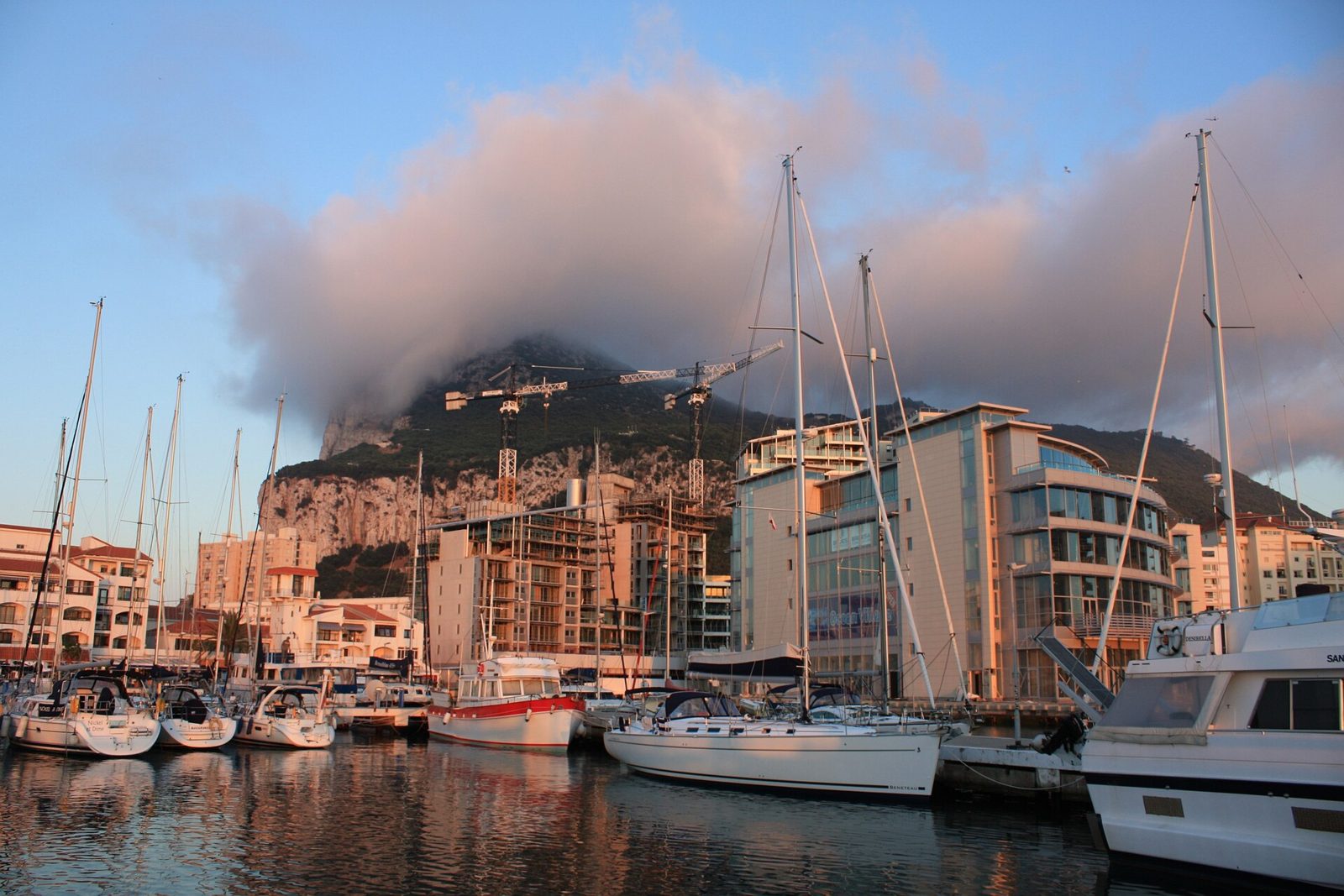
It arrives from the east, off the warm water of the Alboran Sea, humid and steady, and when it reaches the Rock of Gibraltar it has nowhere to go but up. The air is forced over the ridge, cools as it climbs, and its moisture condenses into a long grey banner that streams from the summit and hangs there for hours. Gibraltarians call the wind the Levante and the cloud its flag.
The mechanism is orographic, the plainest kind of cloud-making. A hill stands in the path of moist air, the air is lifted, it reaches the height where its vapour turns to droplets, and a cloud forms on the windward side and frays away on the lee. What makes the Rock's version worth watching is the shape: a single high spine, a single wind, and a cloud that sits like a lid while the sky around it stays clear.
The Levante is not only scenery. Pushed through the narrow throat of the strait, it can gust hard, and the turbulence it throws off the Rock has long troubled the pilots landing on Gibraltar's short runway, which lies right in the wind's shadow.
A single spine, a single wind, and a cloud that sits on the summit like a lid.
Watch the flag and you can read the day. When the Levante blows, the east side of the strait clouds and cools while Tarifa across the water leans into the same wind that draws the kite-surfers. Two coasts, one current of air, and a cloud that tells you which way it is running.
The Levanter is an easterly wind that funnels through the Strait of Gibraltar.
Met Office wind glossary