Field Notes
The ferry from Naples takes forty minutes, and for most of the year almost nobody bothers with it. Ischia has the spas. Capri has the yachts. Procida gets left alone, which turns out to be the whole point of the place.
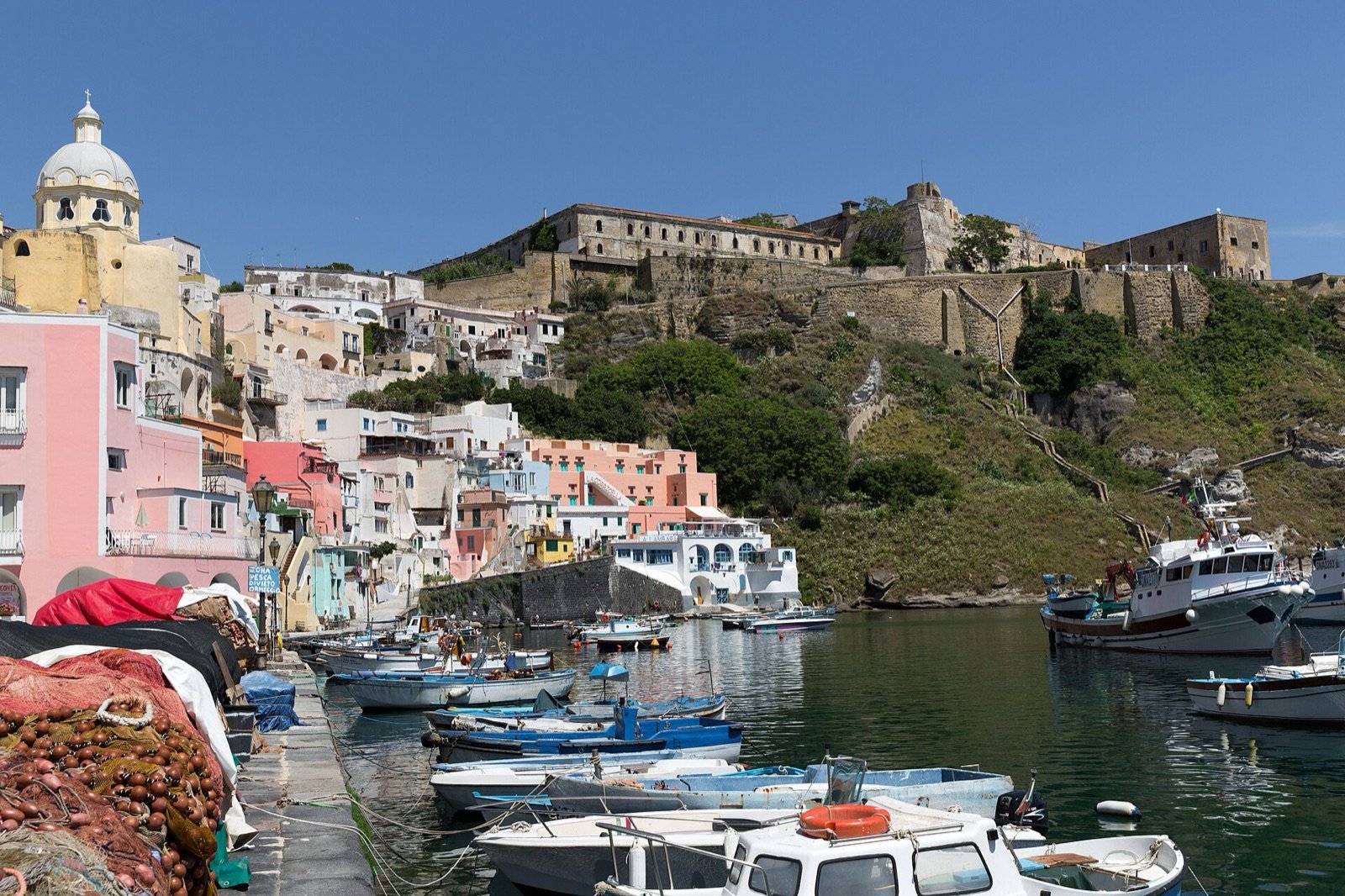
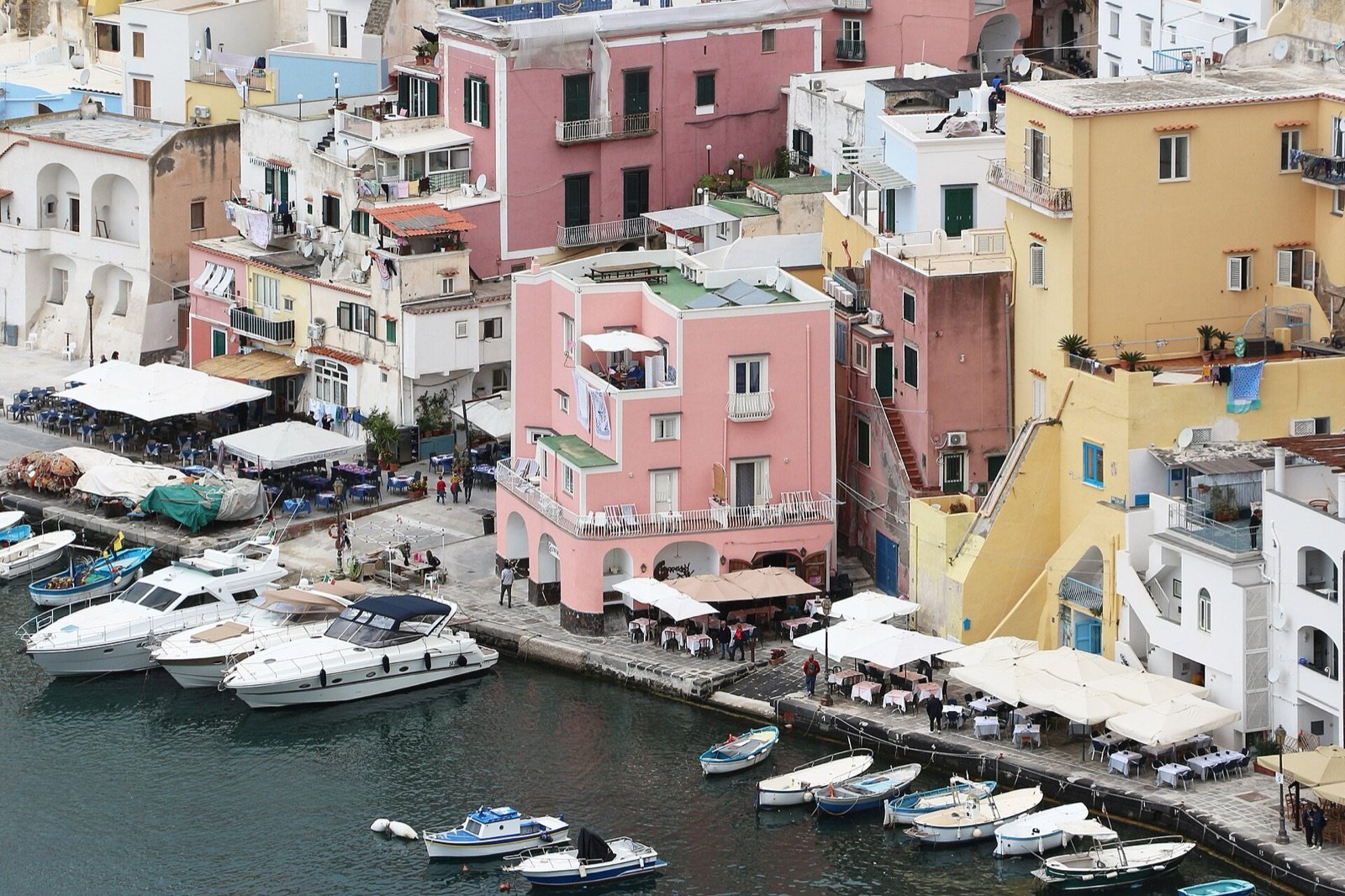
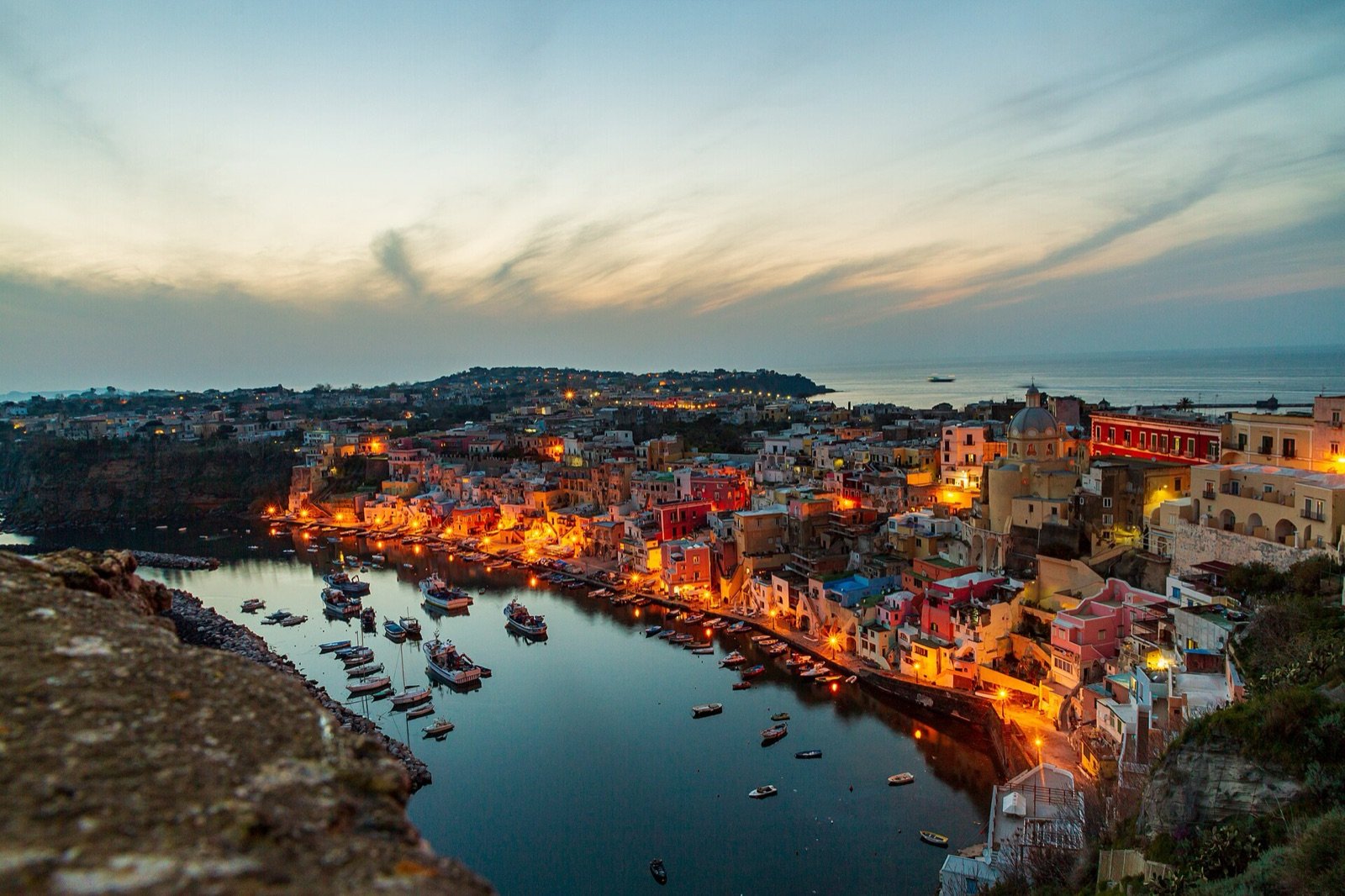
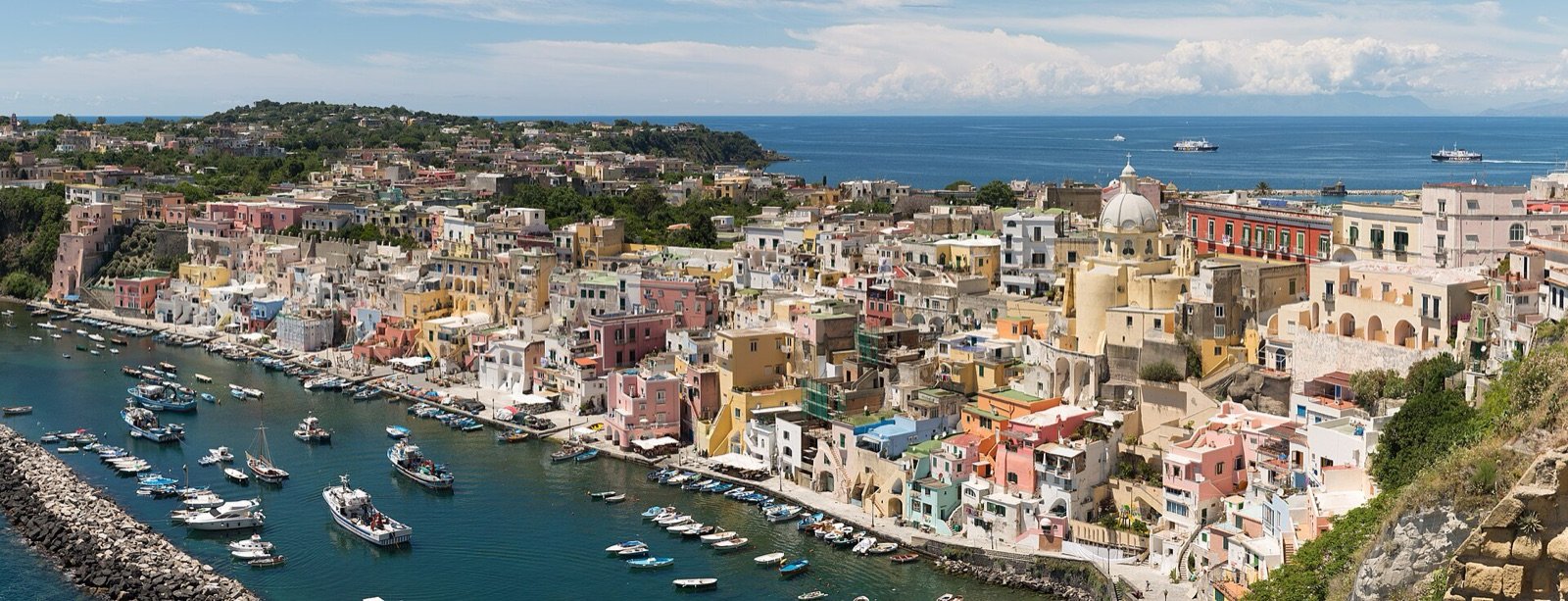
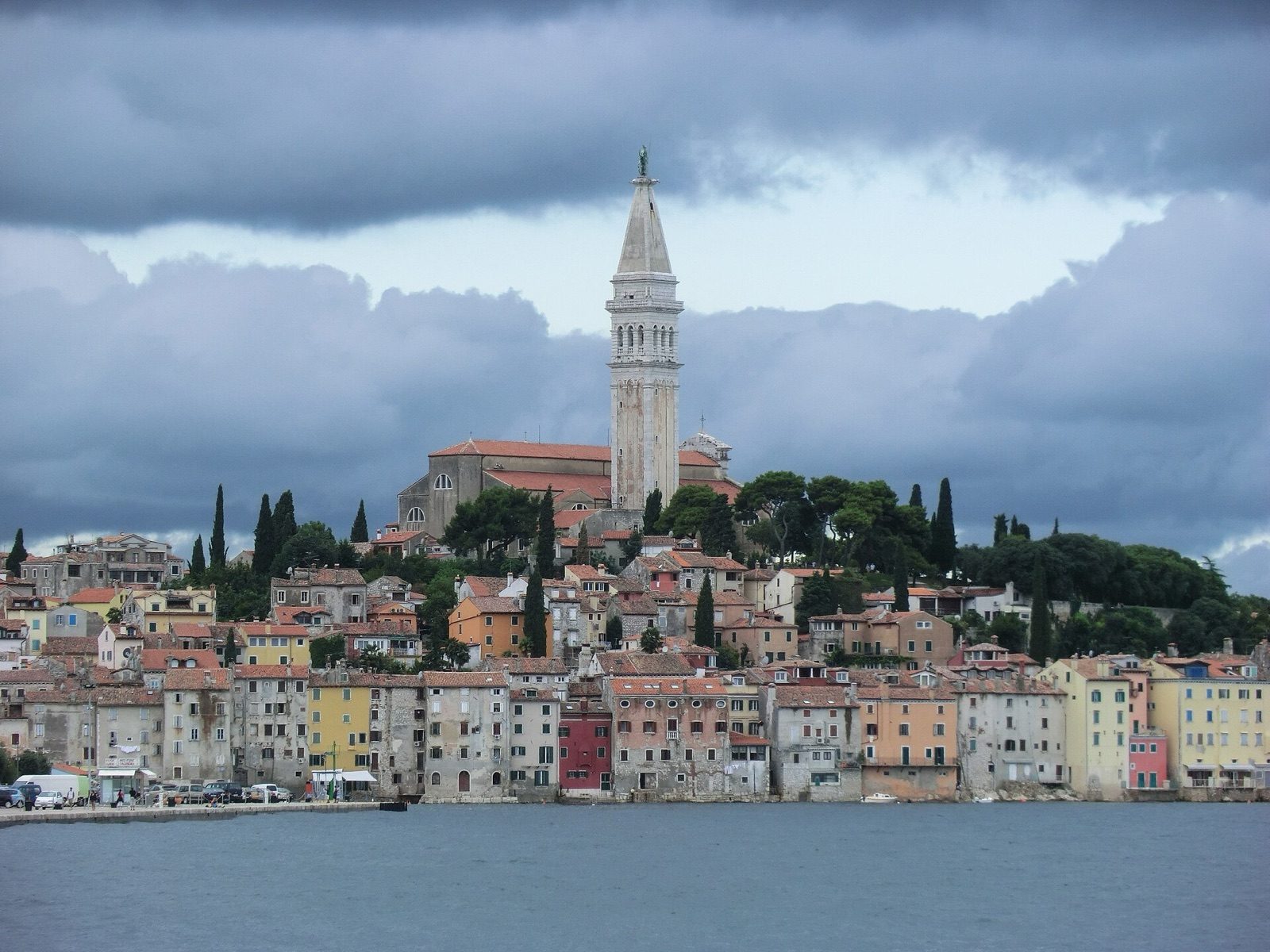
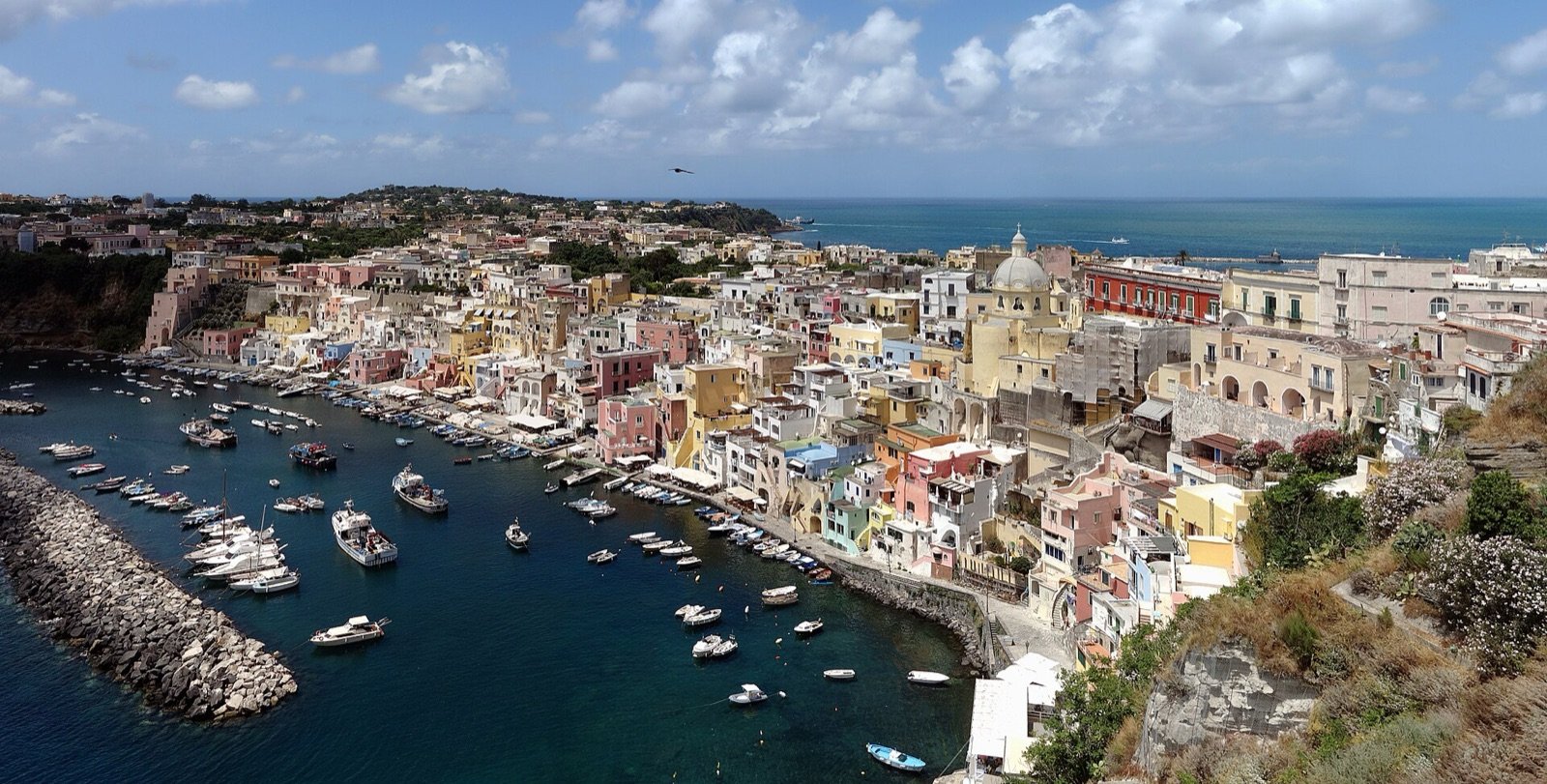
It is the smallest inhabited island in the Bay of Naples, a shade under four square kilometres, home to roughly ten thousand people. You can walk it end to end in an afternoon. What holds you is Marina Corricella, the oldest fishing village on the island, a curve of houses stacked one above the other in ochre and pink and faded blue and a yellow that has no business being that loud. The colour was practical once. A fisherman coming in at dusk needed to find his own front door from the water, so each house took a shade the one beside it had not.
The paint was never decoration. It was a way home, read from the sea.
Nothing in Corricella was built to be looked at. The arches, the outside staircases, the flat roofs for drying nets, all of it followed the work. No car reaches the waterfront. Boats still leave before the cafes open, and the day answers to the tide rather than the timetable. In 1994 Michael Radford filmed Il Postino along this quay, and the marina on the screen is more or less the marina now. The Talented Mr Ripley borrowed the same light a few years later.
Above the harbour sits Terra Murata, the walled medieval quarter on the island's highest point, stone the colour of old bone, and a view across the bay to Vesuvius and Ischia. The kitchen keeps to the water too. Frittura di paranza, the small mixed fry hauled from the bay, comes in a paper cone and is eaten walking. The lemon of Procida is so large and thick in the pith that it is served as a salad, sliced with oil and mint and a little garlic, sharp enough to reset a whole meal.
In 2022 the island was named Italian Capital of Culture, the first island to hold the title, under a line that stuck: la cultura non isola, culture does not isolate. For a year Procida filled with artists and events. Then, mostly, it went quiet again.
That quiet is the version to catch. We would go now, in the shoulder weeks, when the day-boats thin and the marina belongs again to the women hanging washing across the lane. Islands like this do not stay overlooked. They only wait.