Ground Truth
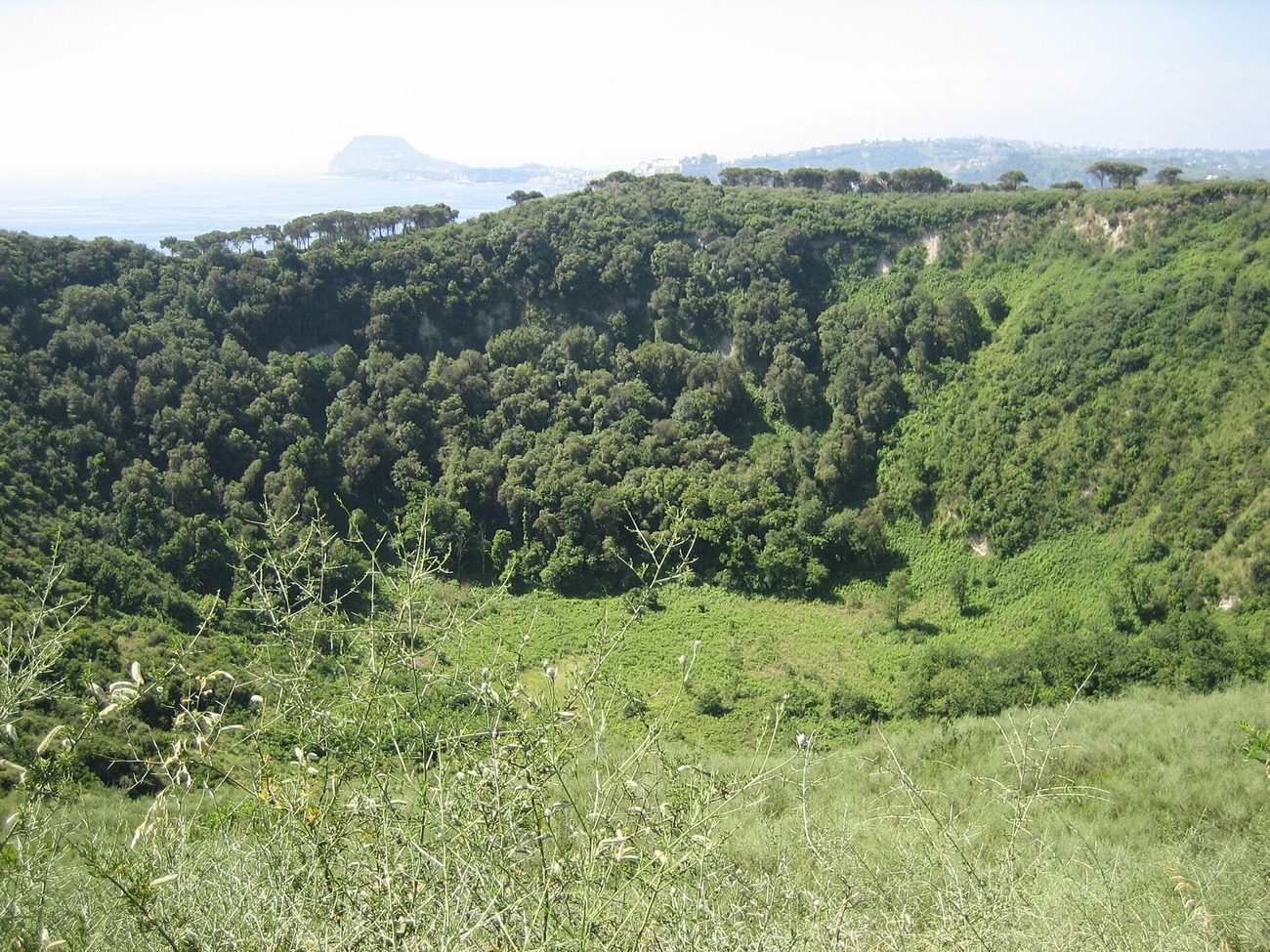
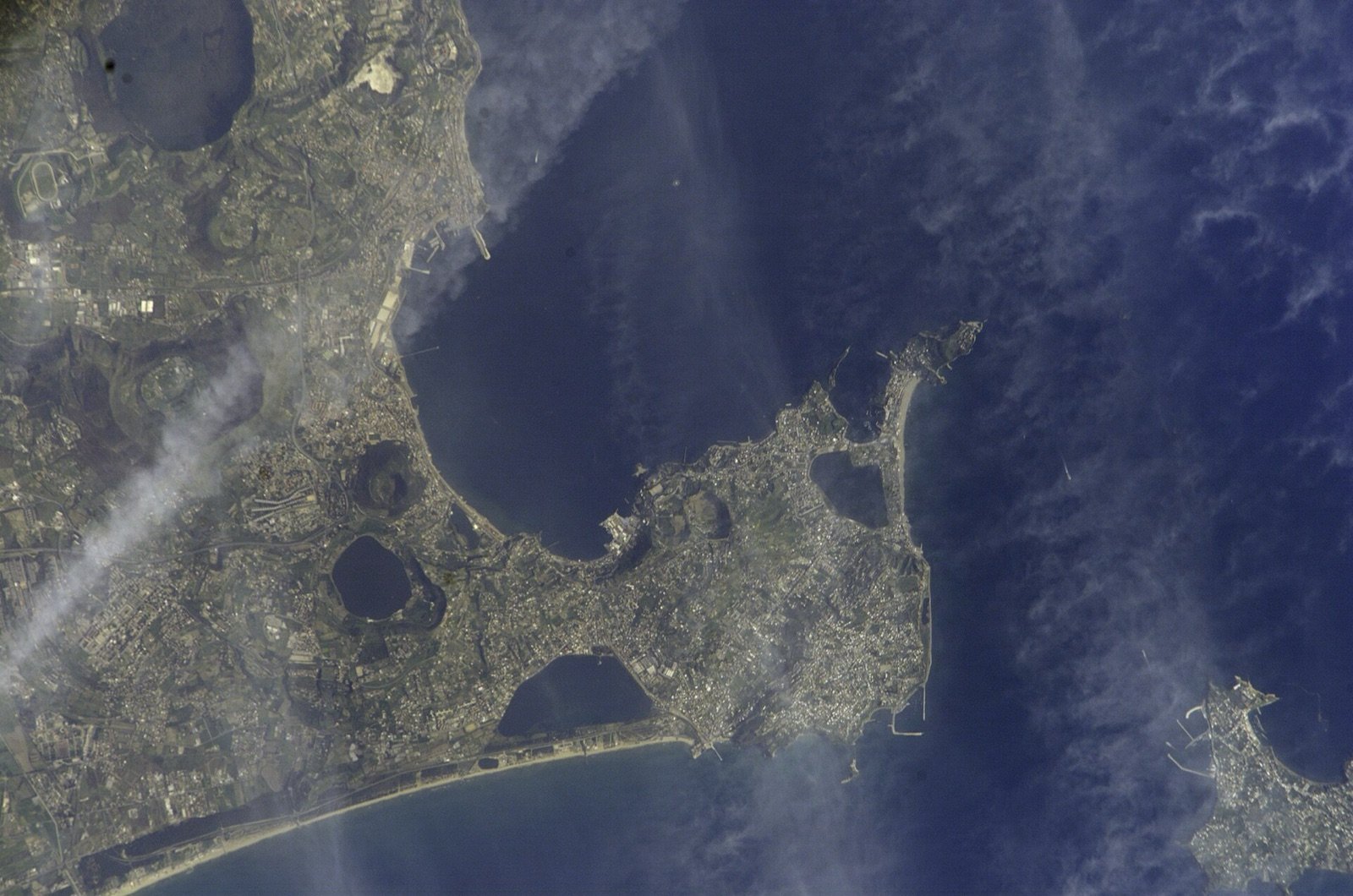
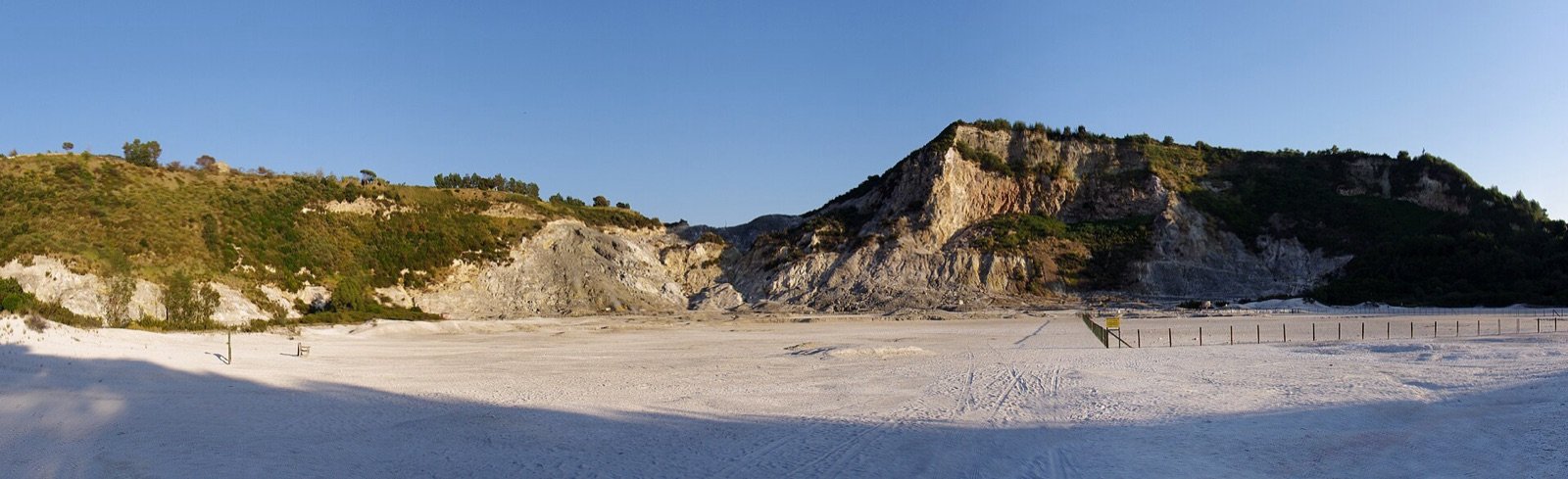
West of Naples the road runs out of famous names and into something stranger. This is not a mountain you climb. It is a caldera, a broad collapsed basin roughly thirteen kilometres across, and the town of Pozzuoli sits inside it. The Greeks who settled the bay called the ground here phlegraios, burning, and the Romans kept the sense of it. Campi Flegrei, the Burning Fields. At the Solfatara crater the earth still leaks sulphur through cracks and the rock is warm to the hand.
What the Phlegraean Fields do, and have always done, is breathe. Geologists call it bradyseism, from the Greek for slow movement. The floor of the caldera rises and settles over months and years, lifted and let down by the pressure of hot fluids in the rock a few kilometres beneath the streets. It is slow enough that a person barely registers a single day of it. It is fast enough to leave a harbour dry, or to drown a Roman quay.
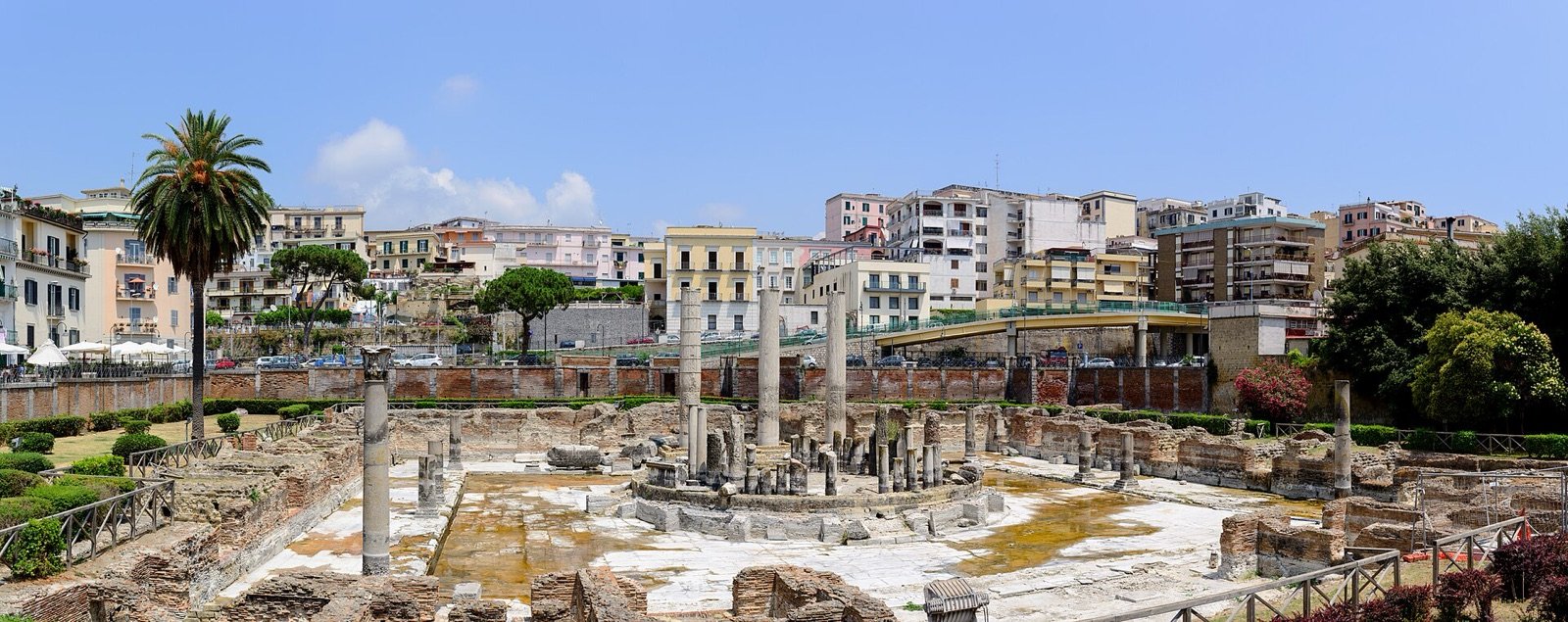
The proof stands in the middle of Pozzuoli. Three marble columns of an ancient market, long miscalled the Temple of Serapis, carry a dark band of holes bored several metres up their shafts by marine molluscs. Those columns once stood on dry land. Then they sank below the sea for centuries while date-mussels drilled into the stone, then they rose again into the air. Charles Lyell put an engraving of them on the frontispiece of his Principles of Geology. It is still the clearest picture we have of a coastline that will not hold still.
The ground here does not erupt so much as inhale, and a whole city has learned to live on a chest that never stops moving.
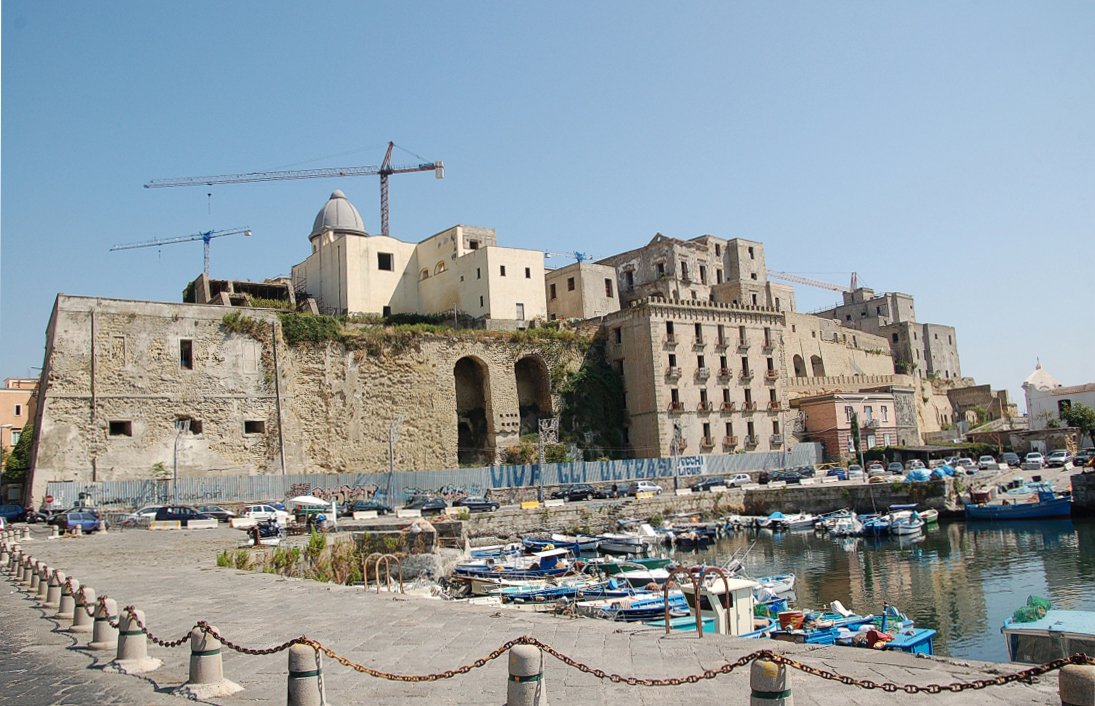
Lately the inhaling has grown stronger. By the end of July 2026 the point of maximum uplift, at Rione Terra above the old harbour, had risen about 167 centimetres since the current phase began, roughly 30 of them since January 2025. The rise brings tremors with it. In the last week of February 2026 the instruments logged around seventy earthquakes, the strongest close to magnitude 3.5, most of them shallow and directly under the town. People feel them in their walls and in their sleep.
None of this is new to the ground, only to us. The last eruption came in 1538, when over a single week a new hill, Monte Nuovo, pushed up out of a coastal flat and buried a village. Before that the caldera had been quiet for a long time. The scientists watching it now are careful people, and they do not forecast. They measure, they wait, and they tell Pozzuoli what the instruments say. The town listens, and gets on with lunch.