The Table
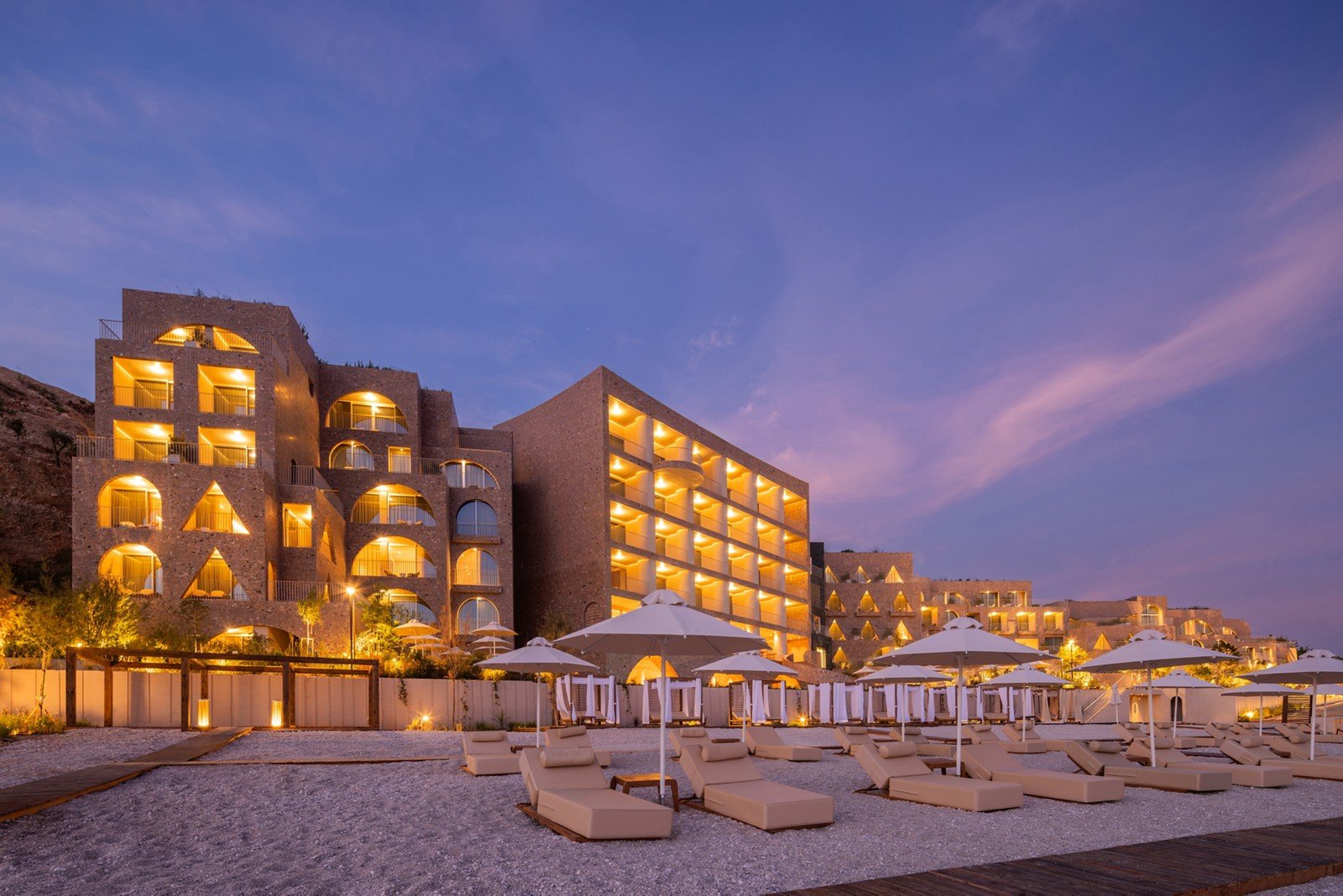
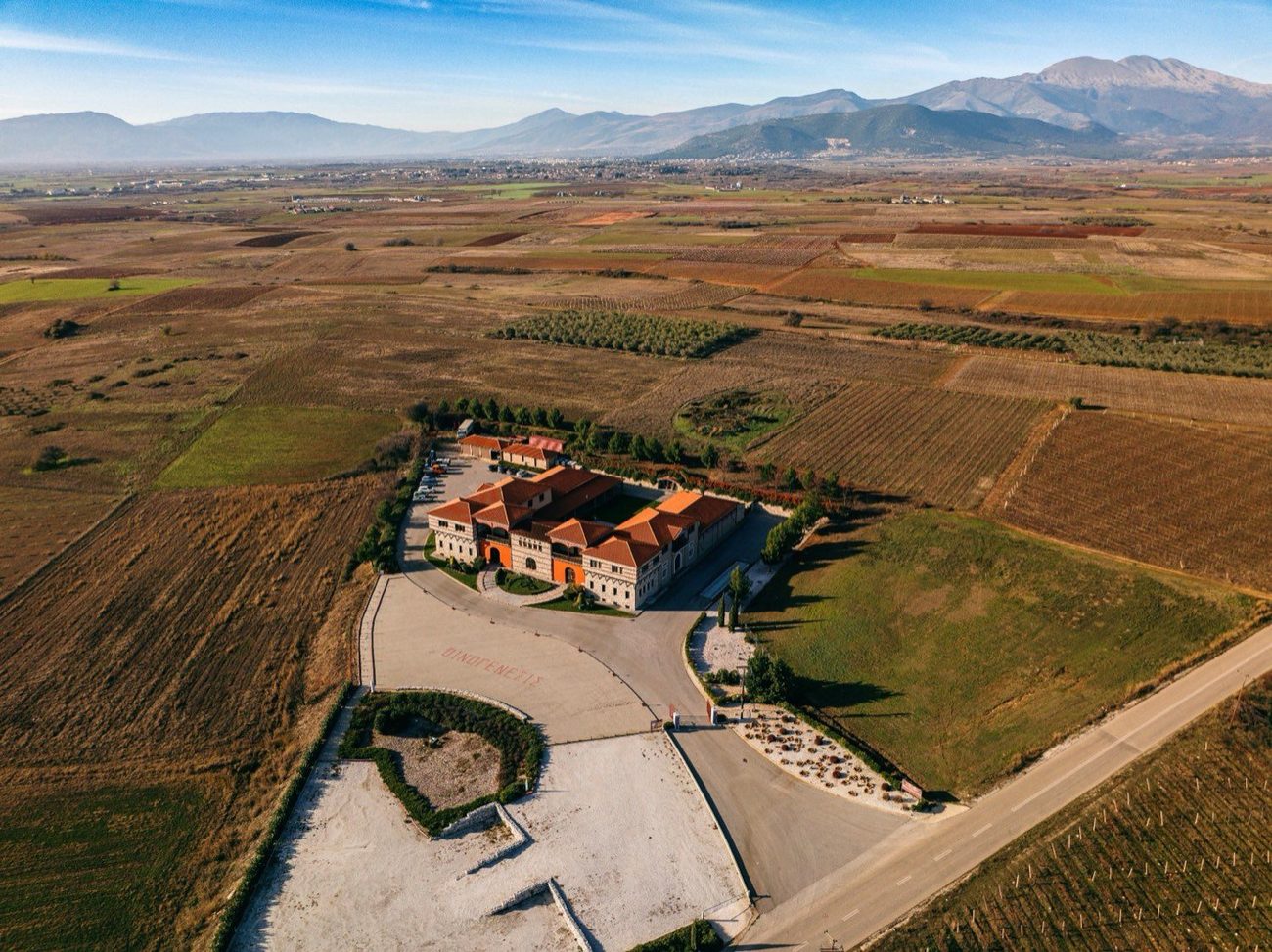
In Doxato, north-east of the city of Drama, a tower-house of pale stone rises straight out of the vines: five buildings on three levels, built in the old Macedonian idiom. It is architecture that announces seriousness before you have tasted anything. The man who built it, Bakis Tsalkos, earned the right to it the long way round.
Tsalkos is, in the plainest sense, the father of Drama as a wine region, and not by rhetoric but by chronology. Trained in oenology at Montpellier and seasoned in Saint-Émilion, he arrived from France in 1987, when these vineyards were an idea rather than an appellation, and became the first professional to take them seriously. Working for the Lazaridis estate he made Magic Mountain, still one of the reference reds of northern Greece. He could have stopped there. Instead, in 2007, he put roughly ten million euros into the ground and built his own house: Oenogenesis.
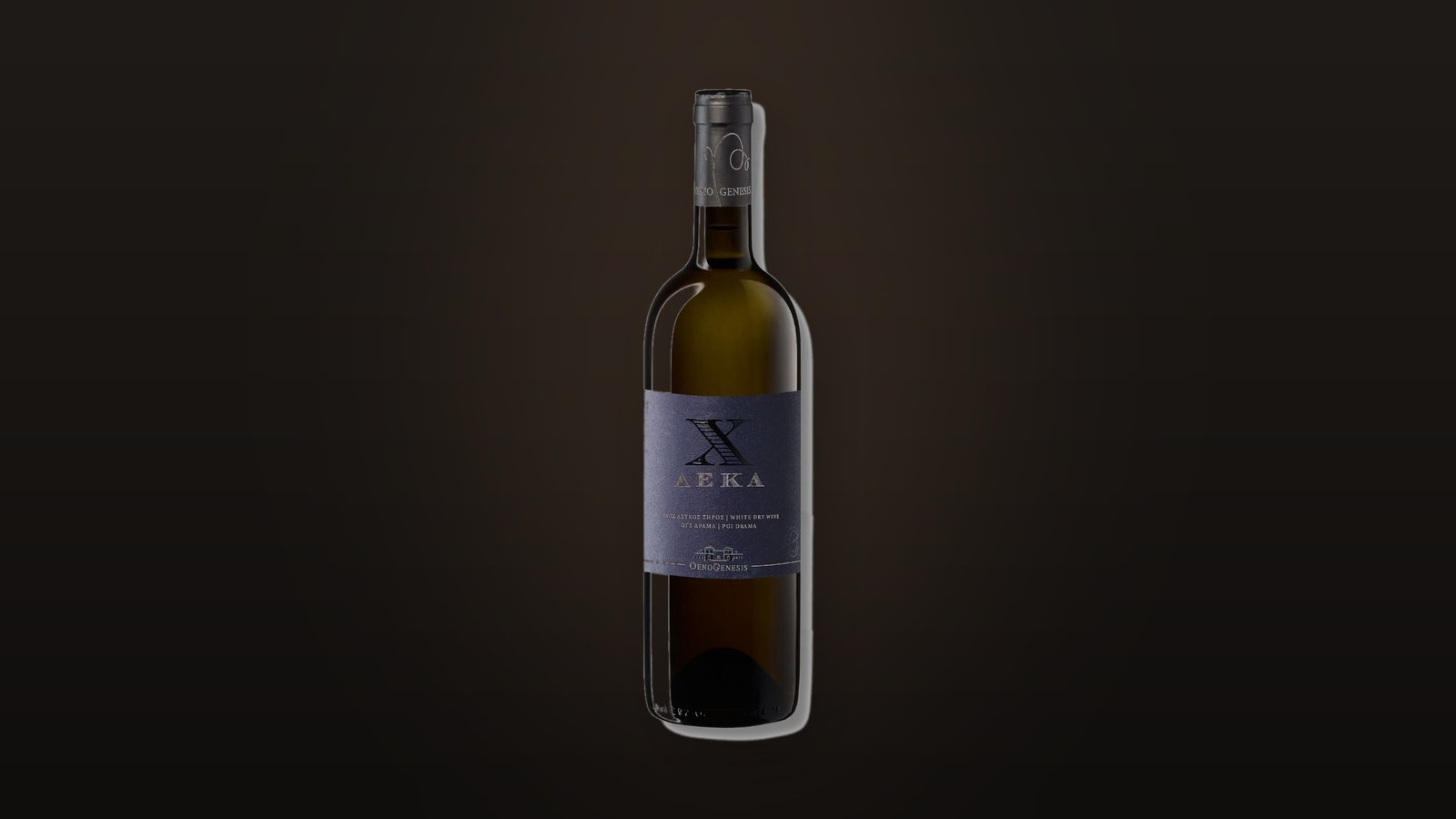
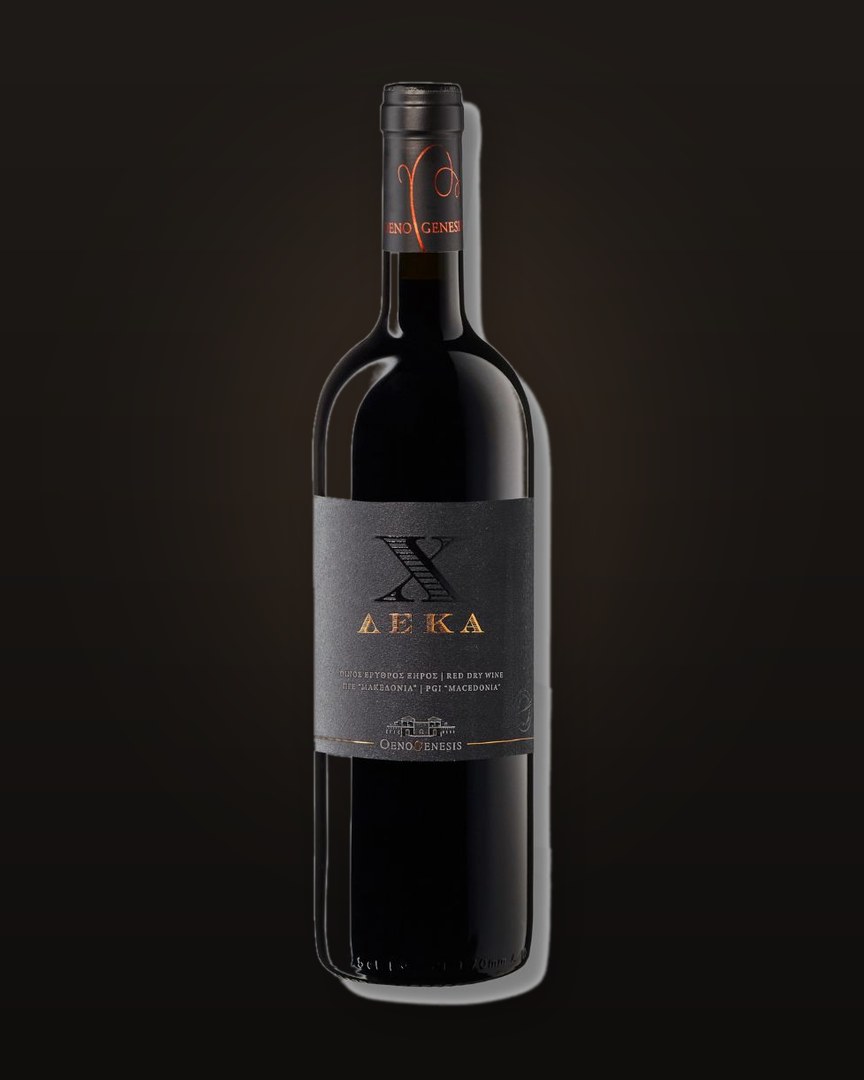
The estate farms organically on arid, stony, calcareous soils across Drama and Kavala, with a deep bench of grapes: Assyrtiko, Malagouzia and Xinomavro beside Sauvignon Blanc, Semillon, Viognier and the Bordeaux reds. But the wine that tells you who Tsalkos is wears a single Roman numeral on a black label. X. Deka. Ten.
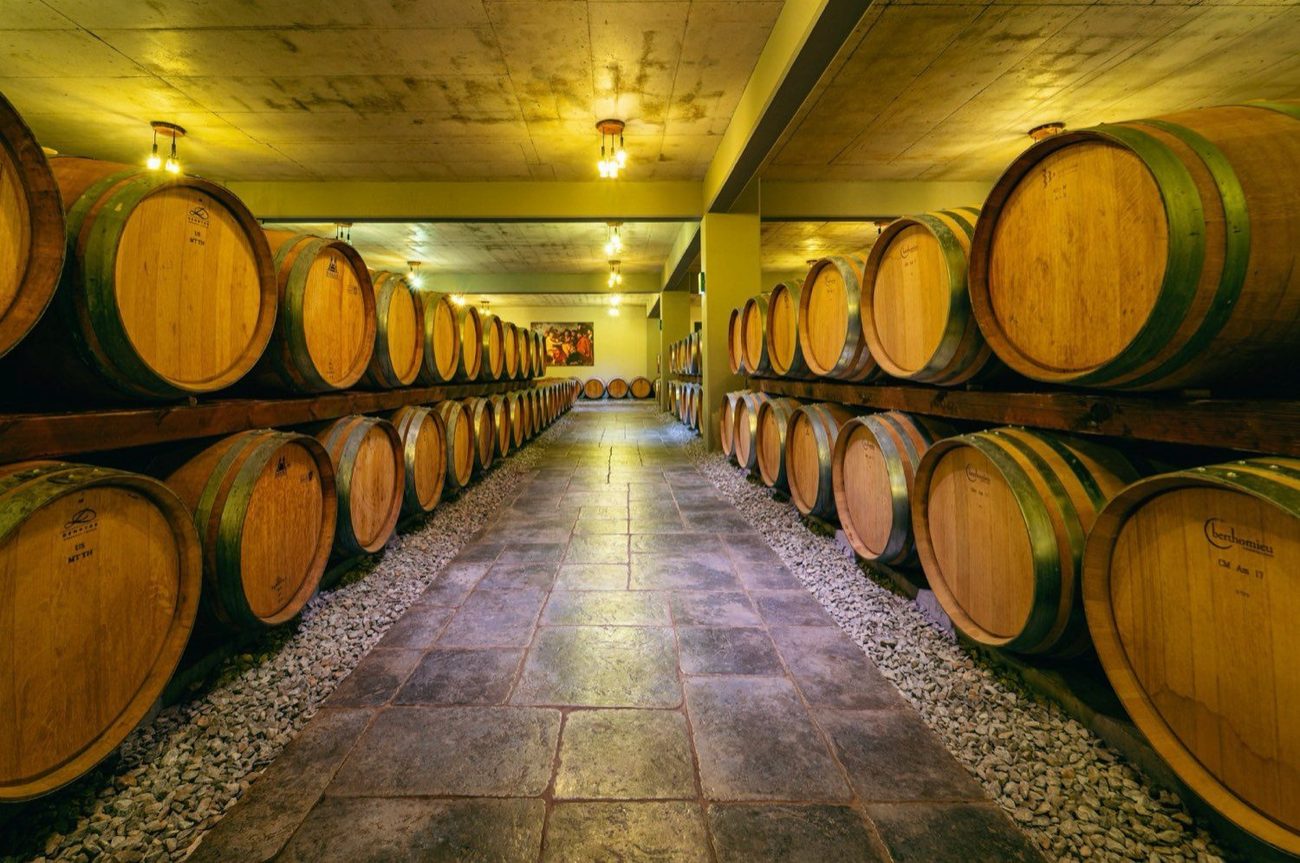
The name is an argument about time. Deka is built to age, which in Greek white wine remains a rare ambition. The white is a Bordeaux idea translated to Macedonian stone: Sauvignon Blanc, Semillon and Ugni Blanc, fermented and matured in three different kinds of barrel. It is the bottle that justifies the architecture. Where most Greek whites are made to be drunk young and cold, Deka asks for a few years and a larger glass, and repays them. It is, quietly, one of the more convincing arguments that this country can make a white with a future and not only a present.
A white built to age, in a country that rarely tries.
There is no theatre to any of it. Tsalkos is, by most accounts including his own, a difficult and exacting man, and the wines carry that temperament: precise, unshowy, made to a standard rather than a trend. The awards have followed, as awards do, but they are the least interesting thing about the place.
What matters now is succession, and here Oenogenesis has the thing most Greek estates still lack: a second generation already at the bench. Alexandre Tsalkos, the founder's son and now the estate's oenologist, has not waited to inherit. He has signed his own wine, Thyrsus: a Malagouzia and Viognier white that reads as a younger, brighter hand on the same instrument, less Bordeaux and more Aegean in its instincts. The father built the standard; the son is the evidence it can be carried. A region needs a first generation to prove the thing can be done, and a second to prove it will last. Oenogenesis, improbably for so young a name, has both.
Drama will go on making good wine without Bakis Tsalkos one day. That it makes serious wine at all is, in no small part, his doing, and Deka is the bottle that says so without raising its voice.
One selection at a time, in your inbox. Subscribe →