The Table
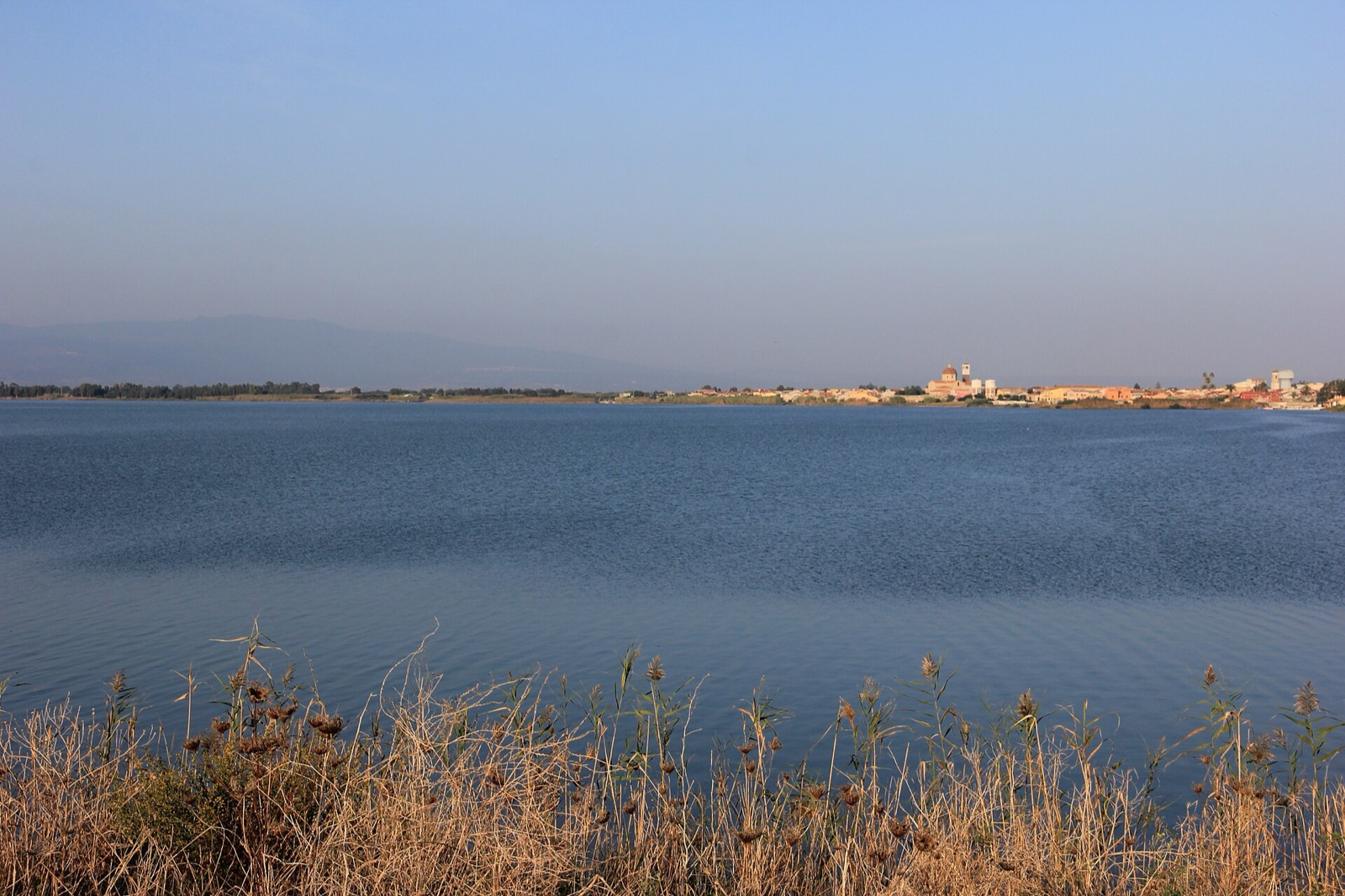
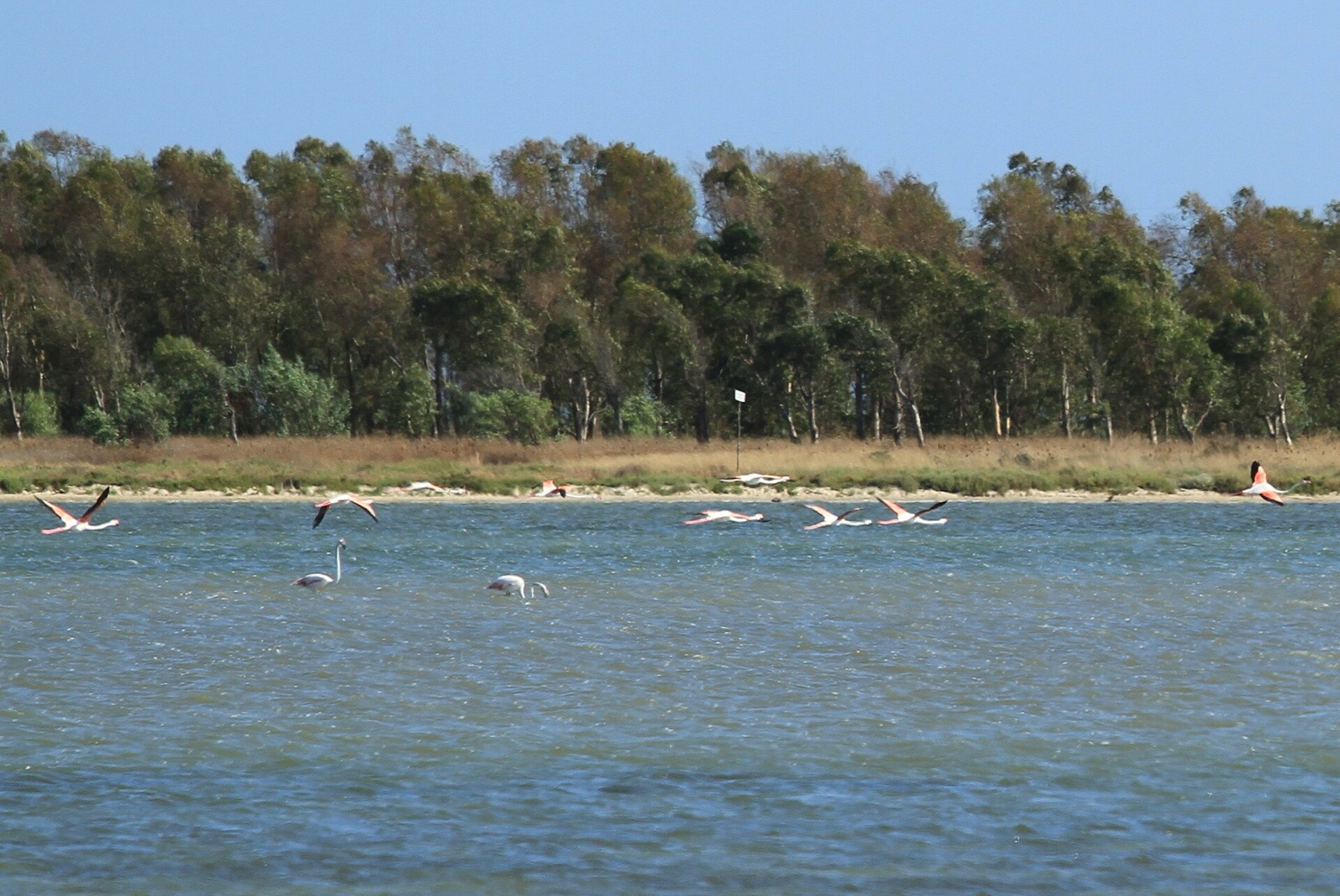
The Stagno di Cabras lies behind the Sinis peninsula, on the flat western edge of Sardinia. It is brackish water, neither sea nor river, ringed by reeds and low salt scrub. Flamingos stand in it at first light, pink against grey. The place does not announce itself. Yet the amber it produces travels further than almost anything else the island makes.
In late summer the grey mullet fatten in the lagoon before they run for the open sea. The fishermen work them in teams, guiding the fish into reed traps set across the channels, a method that has changed little in living memory. The females carry the roe. Everything then depends on lifting the two-lobed sac out whole, without a nick, because a pierced sac is worth nothing.
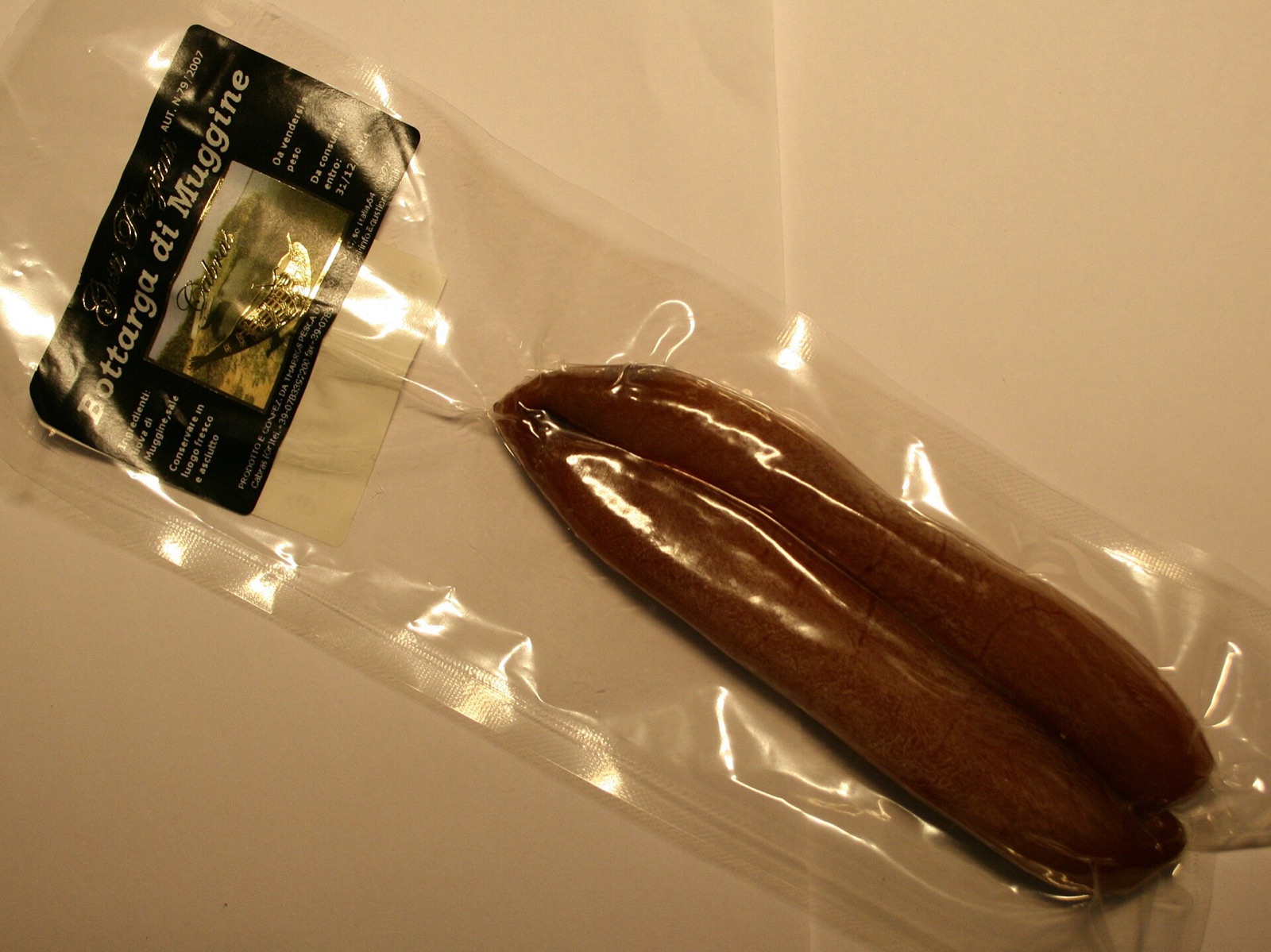
What follows is patience. The roe is rinsed in salted water, salted again, then pressed flat between wooden boards under a modest weight and left to dry in the wind that comes off the gulf. Weeks pass. The lobes darken from coral to a deep amber and set to a texture somewhere between wax and hard cheese. Locals call the result oro di Cabras, the gold of Cabras, and they are not being modest about it.
Cut a slice thin enough and it glows against the light, the colour of the lagoon at the end of the day.
On the table it asks for very little. A few translucent slices under olive oil and a squeeze of lemon, or grated over hot spaghetti with nothing else on the plate, no cheese, no garnish. The flavour is briny and faintly bitter, with an almond note running underneath and a finish that stays a long time. A small piece does the work of a large one, which is part of the discipline of it.
None of this is new. The Phoenicians salted mullet on this coast, and the Romans carried the cured roe home in quantity. The same Roman taste for salted fish still runs on the Amalfi coast as Cetara's colatura, the anchovy essence descended from garum. Their port at Tharros still stands in ruins at the tip of the peninsula, a short walk from the water that once fed it. Slow Food now lists the Cabras bottarga in its Ark of Taste, the register of foods judged worth keeping alive, which tells you something about the pressures on it. The lagoon is under strain, and the men who know how to read it are getting older.
Buy a whole lobe if you find one, sealed in its own wax, and shave it only as you need it. Kept cold, it will last for months. It remains one of the few real luxuries that costs less than its restaurant version and tastes of precisely one place.
One selection at a time, in your inbox. Subscribe →