The Table
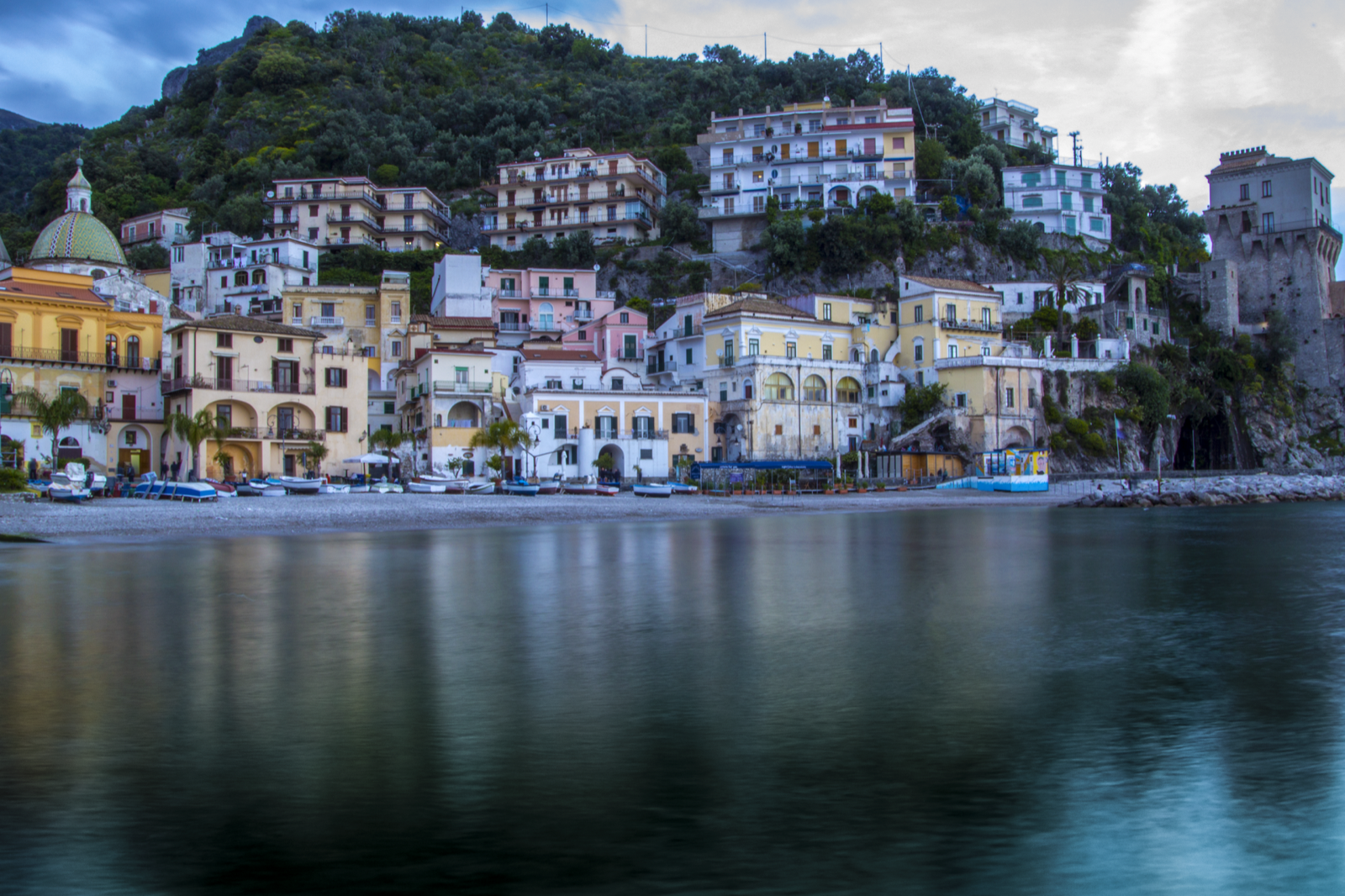
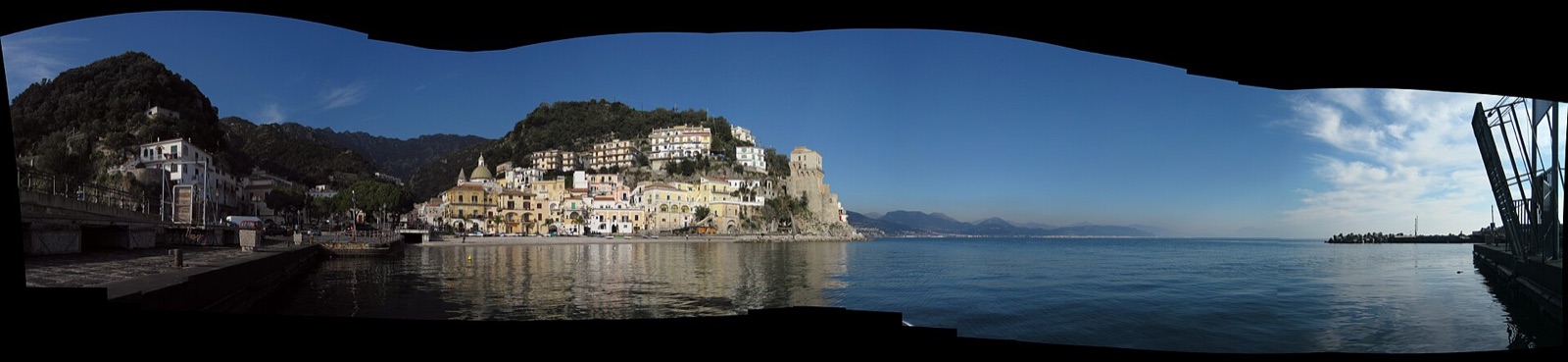
We came to Cetara for the boats and stayed for a bottle no larger than a hand. The village sits in a fold of the Amalfi coast where the mountains fall straight into the Gulf of Salerno, a working port among resort towns, still smelling of diesel and salt. Tuna and anchovy have paid its bills for centuries. One of them, the anchovy, has made it quietly famous.
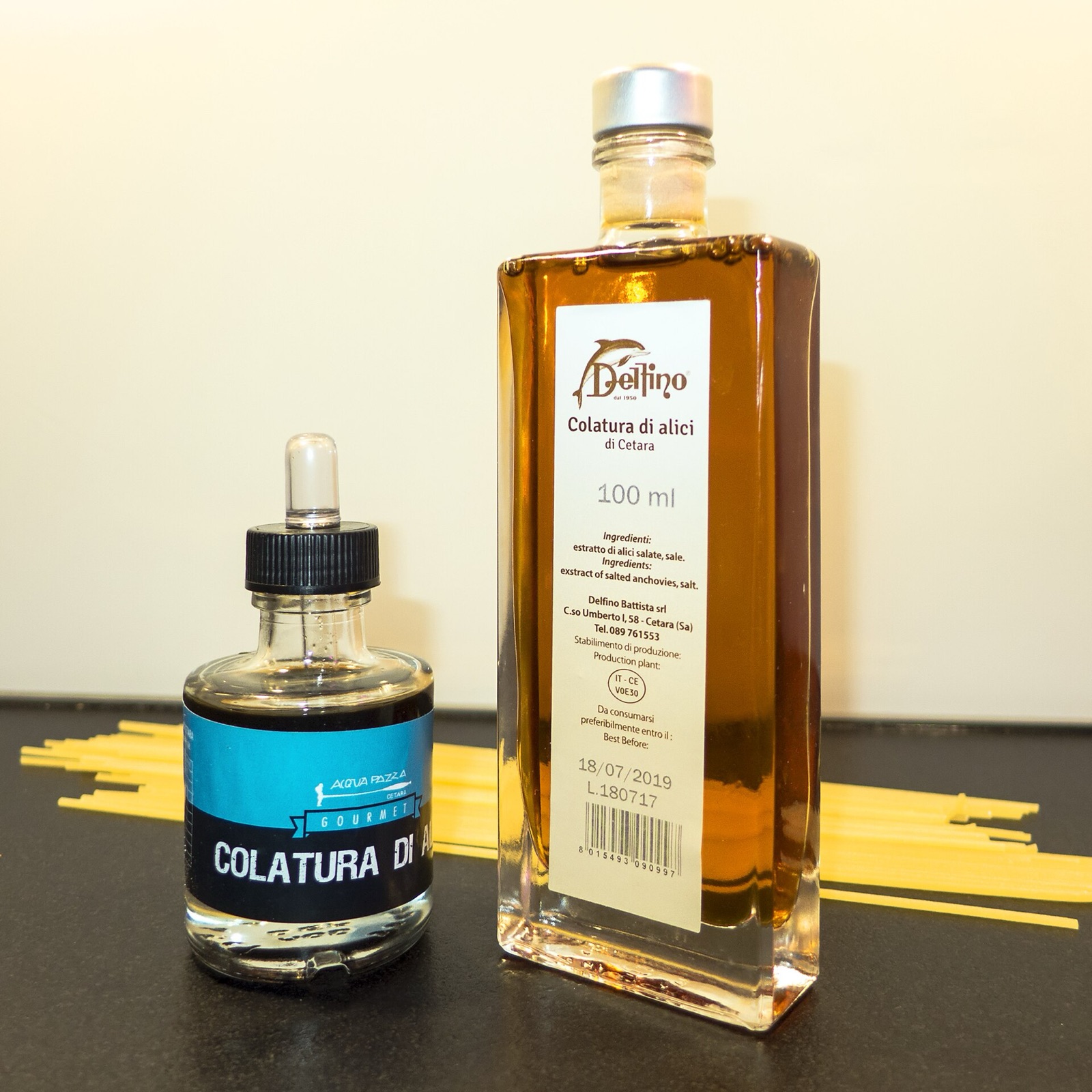
Colatura di alici is the liquid pressed from salted anchovies, clear and the colour of old amber, tasting of the sea reduced to its essence. The fish are layered with salt in small chestnut casks called terzigni, weighted with a wooden disc and a stone, and left. Over the months the flesh gives up a brine that is drawn off through a hole in the base of the barrel, a slow drip that gives the sauce its name.
Its ancestor is garum, the fermented fish sauce Rome poured over almost everything and shipped the length of the empire. When the empire fell, garum went with it nearly everywhere. On this stretch of coast it did not.
The credit belongs to monks. Cistercians at the canonica near Amalfi kept salting anchovies through the Middle Ages, refining the method into something close to what is bottled today. Their calendar still runs the work. The boats fish between the Annunciation on the 25th of March and the feast of Mary Magdalene on the 22nd of July, and the casks are broached the following winter, after at least nine months in the dark.
A sauce you measure in drops, made by men who measured time in feast days.
None of this was set down for outsiders until recently. In 2020 colatura di alici di Cetara was granted a European PDO, fixing the fishing grounds, the barrels and the patience in law. Late recognition for a thing that predates most of Italy.
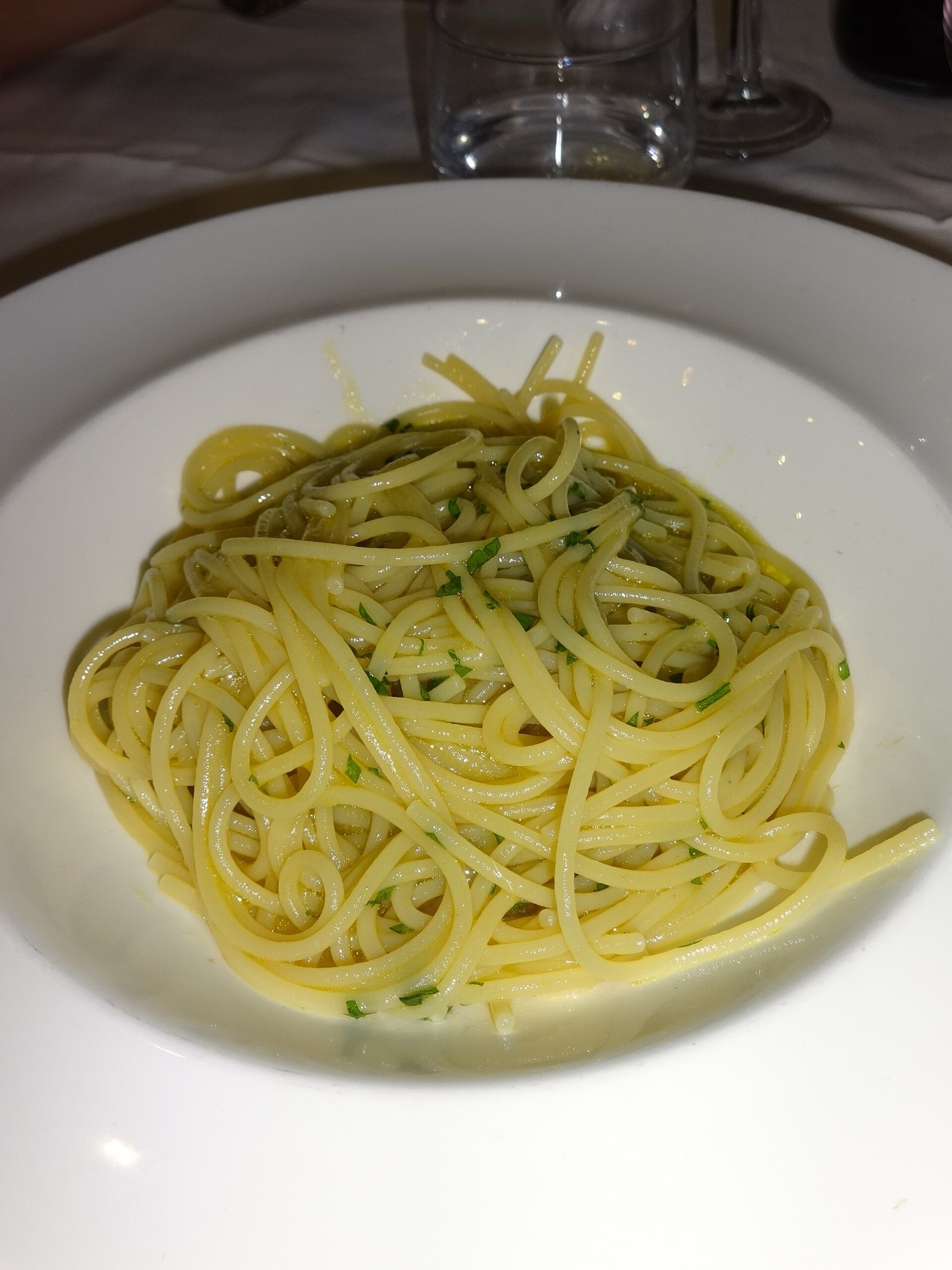
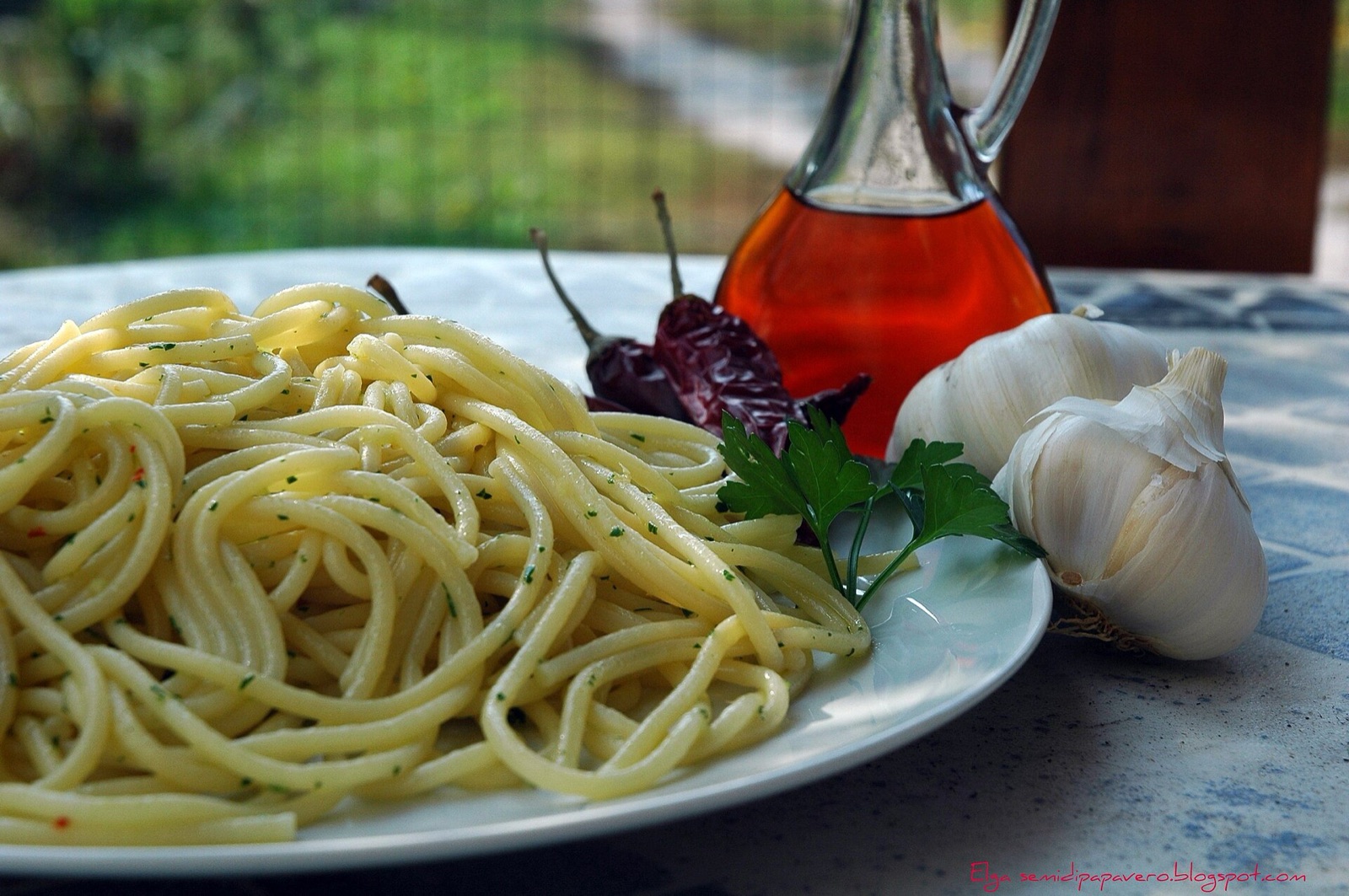
Use it plainly. A spoonful loosened with a little oil, garlic and parsley over spaghetti, no cheese, the pasta barely dressed so the anchovy carries. Raw, always. It should never meet a hot pan. What you taste is not fishiness but depth, the same trick Rome was chasing, kept alive by a village that never stopped fishing and a handful of monks who would not let the recipe die.
One selection at a time, in your inbox. Subscribe →