The Table
We came for the wine and stayed for the light. Late on the eastern flank of Mount Vermio, the vines run in low rows towards the Thermaic Gulf, and the whole valley of Imathia tips gently east, as if pouring itself out towards Thessaloniki. This is Naoussa. Most people heading into northern Greece drive straight past it on the way to somewhere louder.
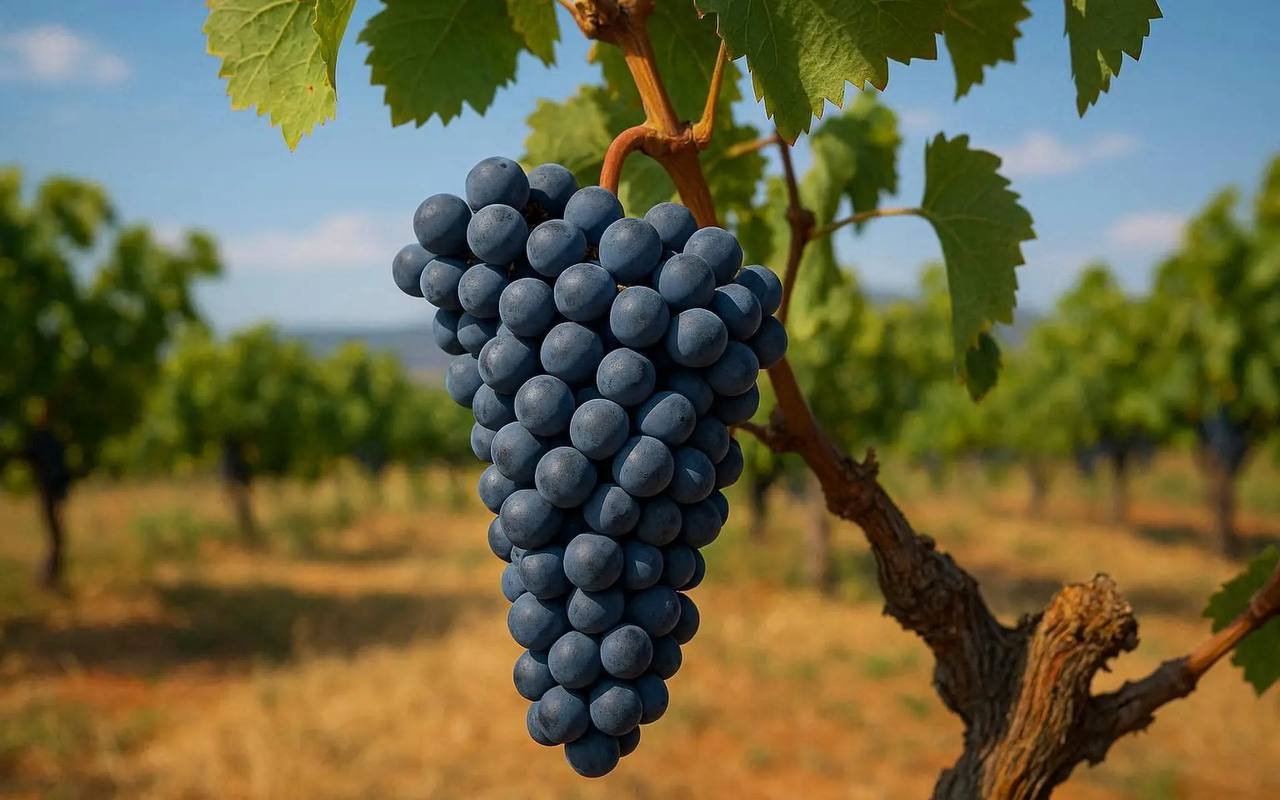
The grape here is Xinomavro, which translates plainly as sour black. The name is both a warning and a promise. In the glass the wine is paler than you expect, almost translucent at the rim, the colour of an old garnet ring. Then it arrives. Tannin that grips, acidity that lifts, and a savoury edge of tomato skin, dried herb and black olive. Nothing about it is soft. Everything about it rewards patience.
Naoussa knows its own worth. In 1971 it became the first wine region in Greece to win its own appellation, the template every other Greek PDO would later follow. The rules are spare. Red wine only, and one hundred per cent Xinomavro, grown on the south-eastern slopes of Vermio between 150 and 400 metres. There is nothing to blend it with and nowhere to hide. The grape stands alone, and so does the vintage.
In the cellars the older bottles line up like a ledger of patience, a decade between them and barely a shade of colour lost.
A young Xinomavro can feel austere, even unfriendly. Give it ten years and it becomes one of the most haunting reds in the Mediterranean.
The comparison you hear most often is Barolo, and it is a fair one. Like Nebbiolo, Xinomavro is pale, fierce in its youth and astonishing with age, trading its grip for mushroom, truffle and sun-dried fruit. We have opened bottles fifteen years on that were still climbing. The growers here, the old houses and a restless younger generation alike, have spent two decades making the case quietly, without the prices their Piedmontese cousins now command.
At the table it wants weight and fat. The local answer is simple. Slow-cooked pork, game, a hard aged cheese, anything from the smoky end of the kitchen. Order it in a taverna in the town of Naoussa itself, under the plane trees, and the wine stops being a curiosity and becomes the obvious choice.
Greece exports its islands and keeps its mountains. Naoussa is the mountain. For now the secret holds, which is precisely why we keep going back.
One selection at a time, in your inbox. Subscribe →