Ground Truth
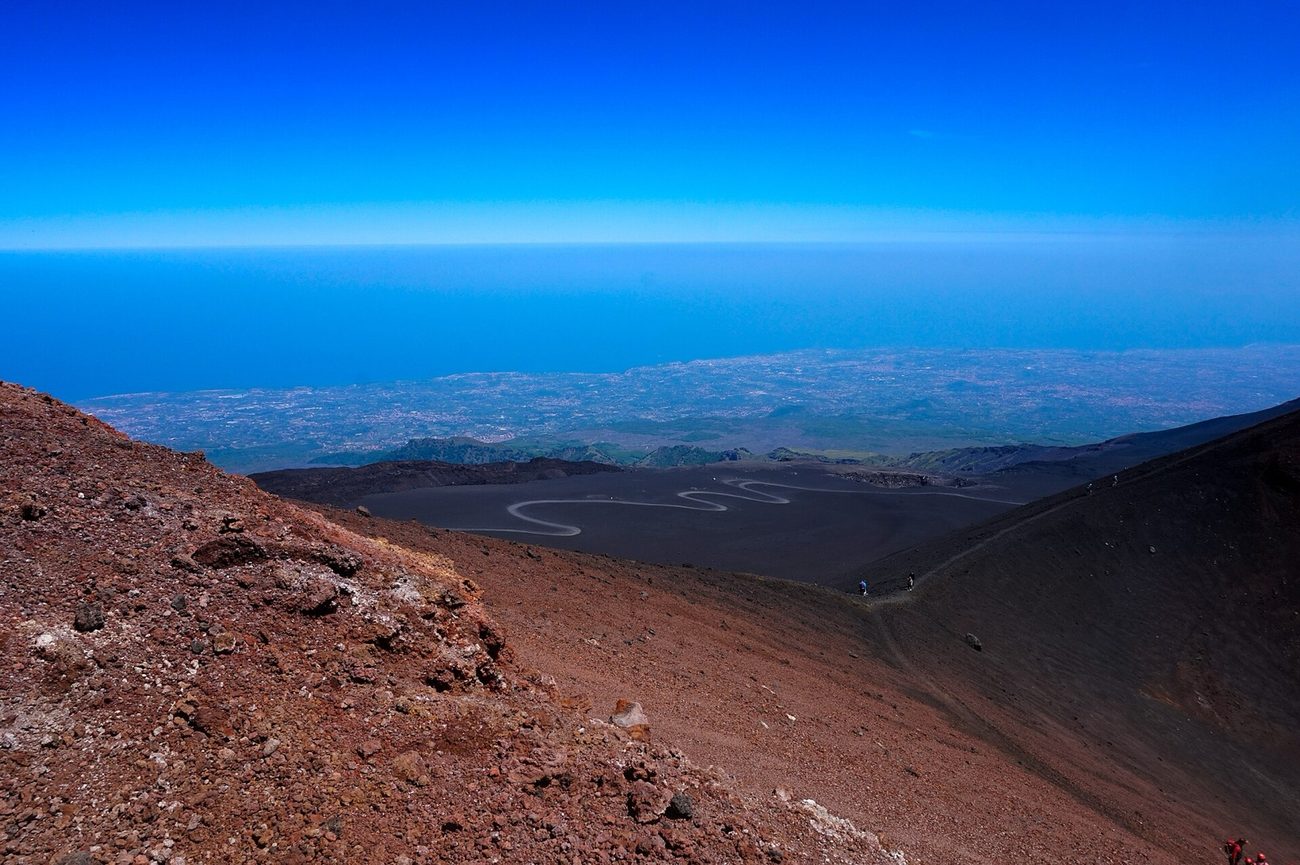
Drive up from Catania on a clear morning and you notice the ground change before the road does. The tarmac darkens. The field walls turn from pale stone to something almost black, and the light comes off them differently. This is not decoration. It is the mountain, laid down in layers over hundreds of thousands of years, and everyone on the eastern flank of Sicily lives inside its handwriting.
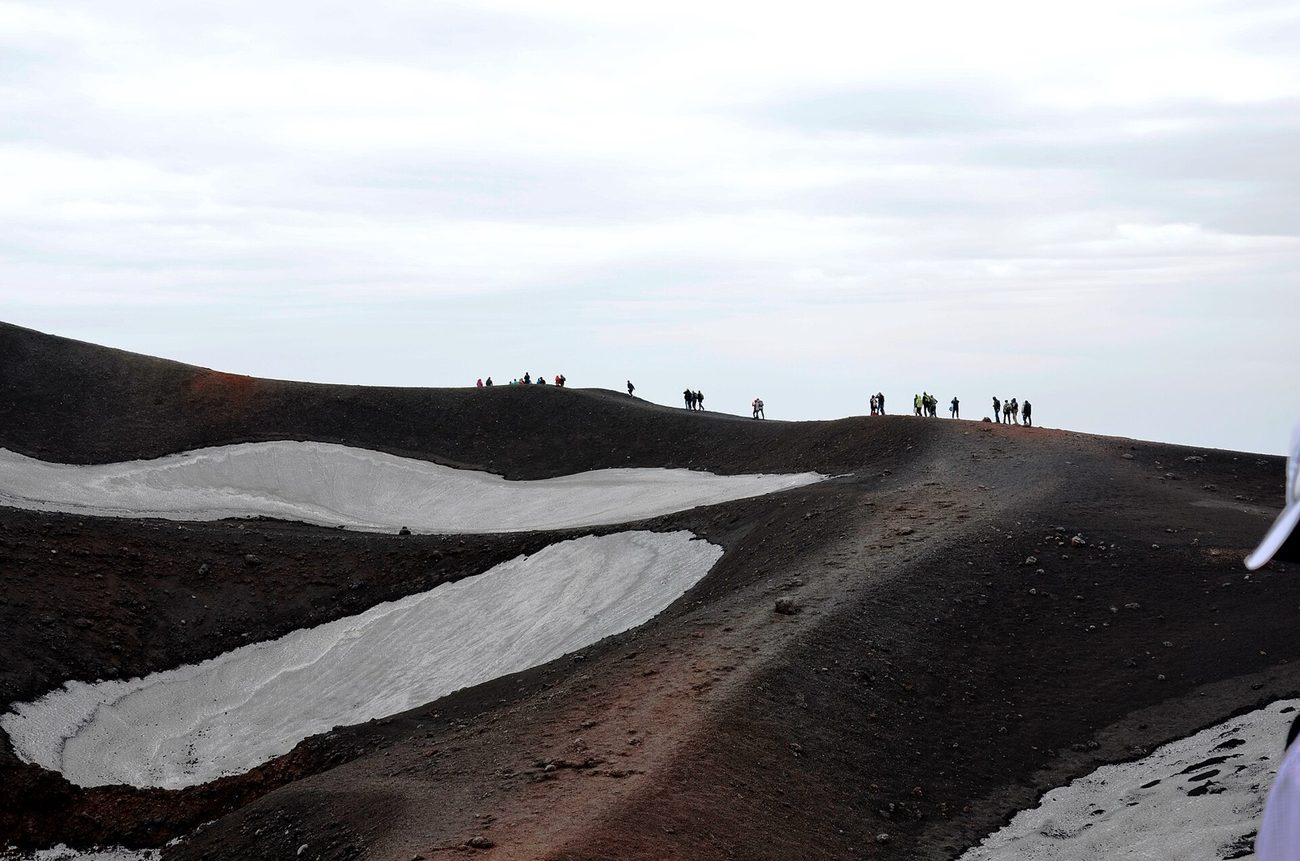
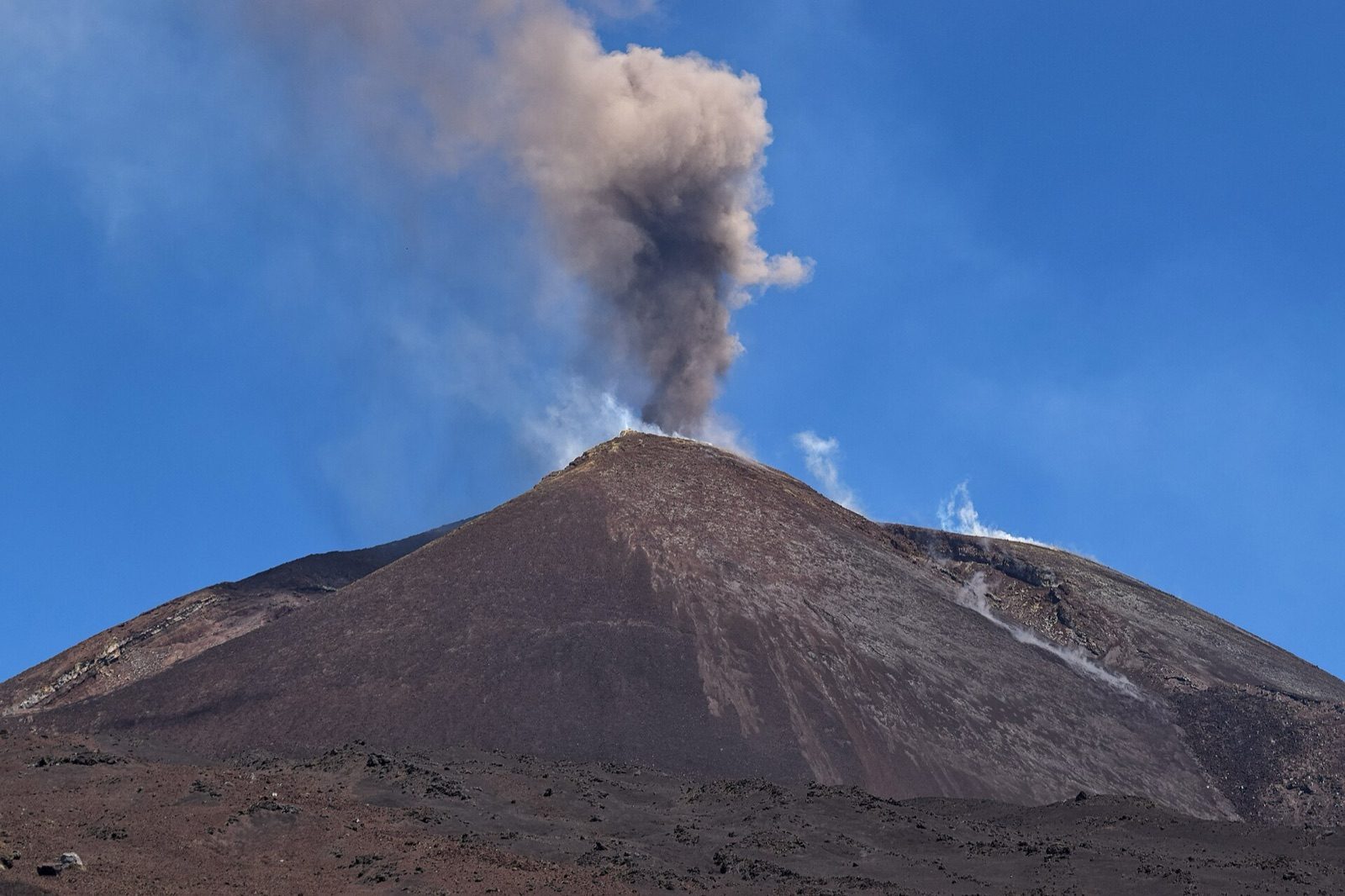
Etna stands at roughly 3,403 metres, a figure that will not hold, because the summit rebuilds and collapses with every serious eruption. It is the tallest active volcano in Europe and one of the most continuously active on earth, with documented activity running back more than two and a half thousand years. UNESCO inscribed it as a World Heritage Site in 2013, less for its beauty than for what it teaches. Few places on the planet let scientists watch a volcano work so openly, and for so long.
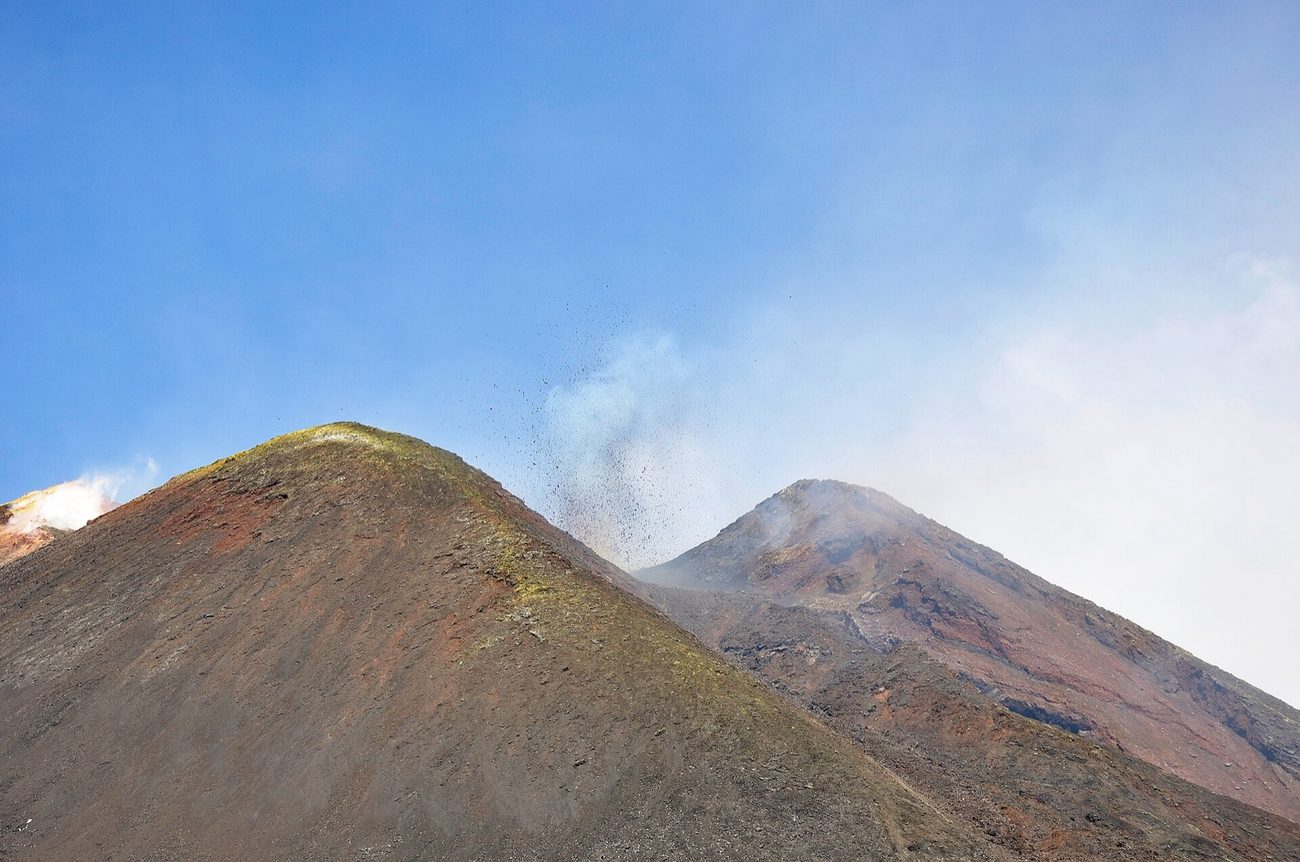
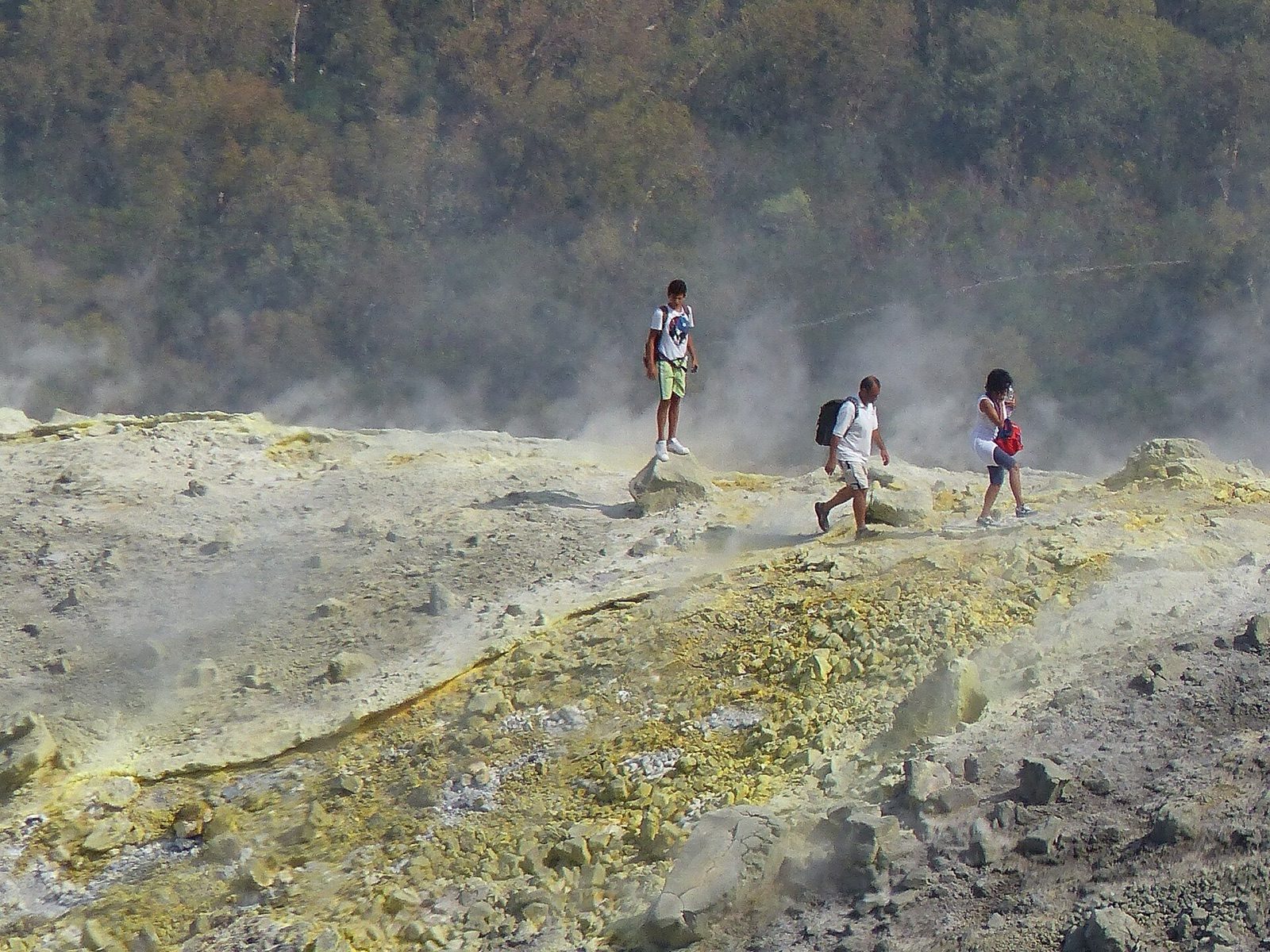
The mechanics are simple to state and hard to live beside. Etna sits where two great plates of the earth's crust meet, and magma pushes up through the seam. Sometimes it seeps as slow lava that a village can walk away from. Sometimes it fires ash thousands of metres into the sky and closes Catania's airport for a day. The city has been buried, burned and rebuilt more than once, and it went on rebuilding in the same shadow, because the shadow is also the reason to stay.
You do not tame a mountain like this. You learn its temper, plant in its ash, and keep the good shoes for another day.
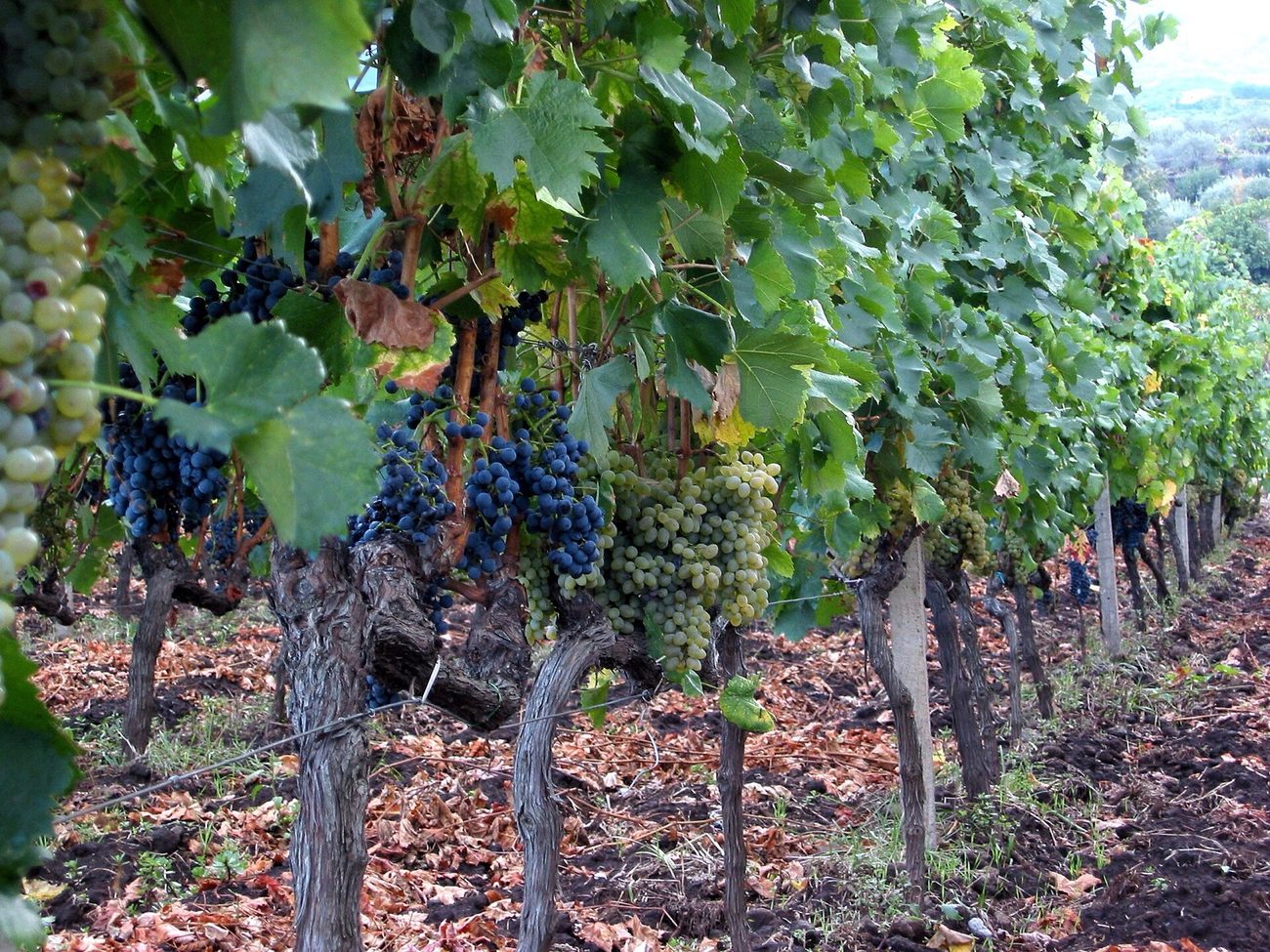
That ash is the point. Broken down over centuries, volcanic rock makes a soil that is mineral-rich, free-draining and, crucially, hostile to the phylloxera louse that flattened Europe's vineyards. On Etna's slopes vines survived that were lost everywhere else, and some still fruit at well over a hundred years old. The Etna appellation was recognised in 1968, among Sicily's first, and the reds pressed from Nerello Mascalese on those terraces have become some of the most talked-about wines in Italy. They taste of the ground they grow in, iron and smoke and a cool line of acidity you would not expect this far south.
So the fire that threatens the coast is the same fire that feeds it. The people who farm the high terraces read the mountain the way sailors read a sky. They know which way the plume is leaning, when to bring the harvest in early, when a rumble is theatre and when it is warning. Etna is not scenery that happens to have a town at its foot. It is the landlord, and Sicily has simply learned to pay the rent.