Field Notes
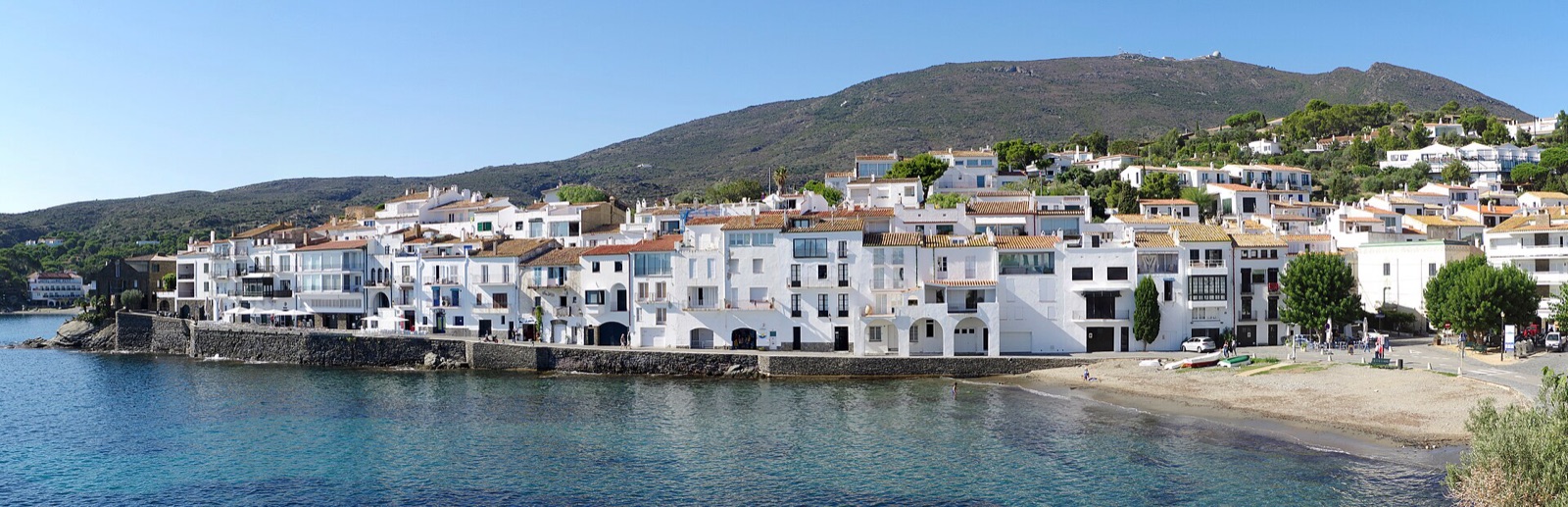
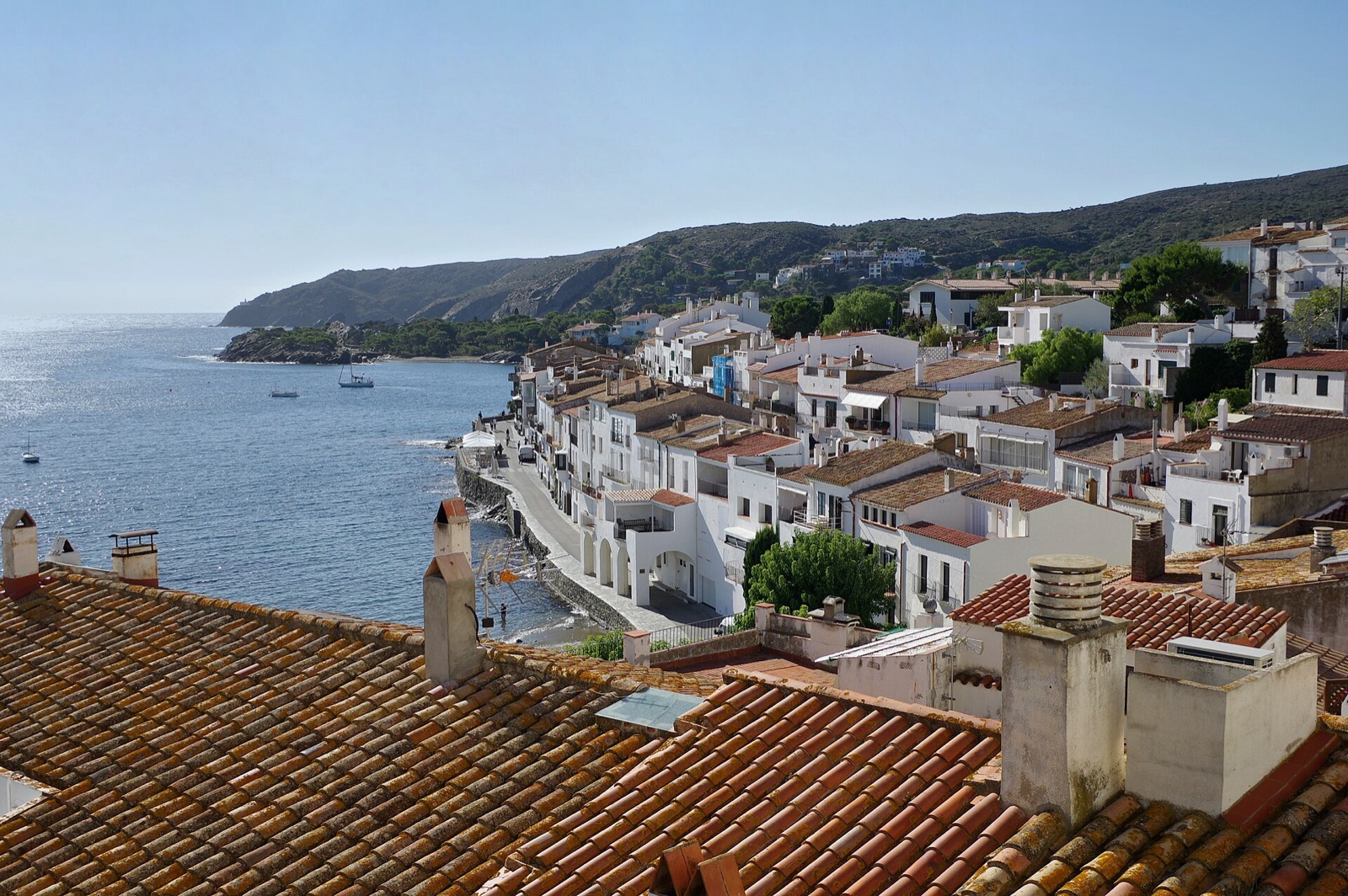
The road tells you first. Thirteen kilometres of tight curves cross the last spur of the Pyrenees before Cadaqués lets you in, and for decades the village fought to keep them exactly that awkward. Nothing arrives here by accident. You come over the pass, the schist turns gold in the afternoon light, and a white town folds itself around a bay that faces east into the Mediterranean.
This was a working port long before it meant anything to a painter. The earliest records reach back to the ninth century, and the old ledgers list farming, fishing, wine and olive oil, with Greek, Sardinian and Egyptian vessels using the harbour as a way station on the long coast. The houses climbing to the church of Santa Maria were raised by people who read the sea for a living, not for the light.
The village never softened for Dalí. He hardened himself around it.
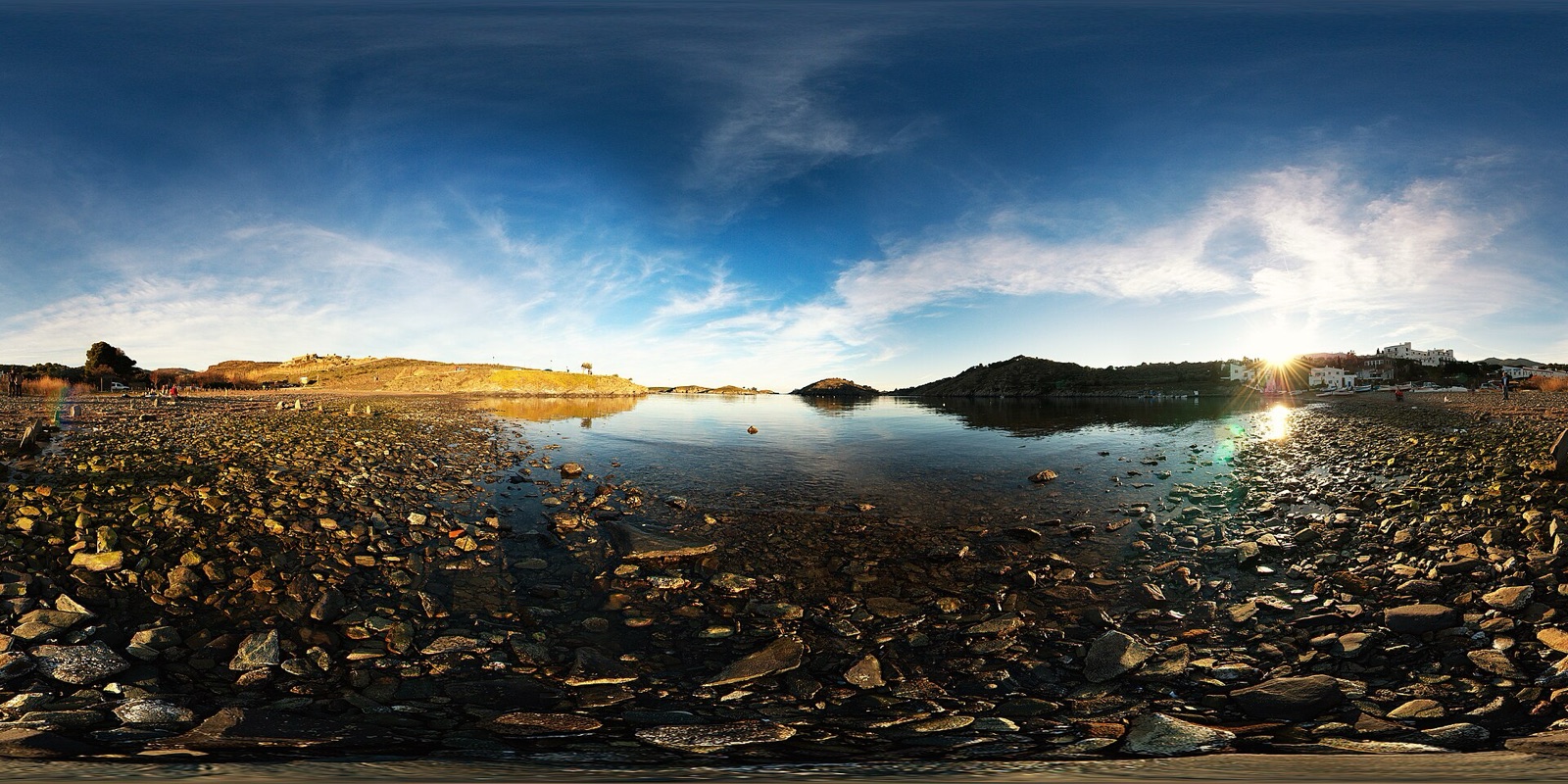
In 1930 Salvador Dalí bought a fisherman's hut at Portlligat, the next cove north, and he and Gala stayed for more than forty years. He acquired the neighbouring huts one by one and stitched them into a single low, whitewashed house that still looks as though it grew out of the rock. He worked there until 1982, the year Gala died. The place is now one corner of the Dalinian Triangle, with the theatre-museum at Figueres and the castle at Púbol.
Walk the shoreline past the moored boats and the geology starts to explain the paintings. The rocks of Cap de Creus are metamorphic schist, folded when the Pyrenees rose and worn since into the animal shapes Dalí kept borrowing. He did not invent that coast. He copied it faithfully and let everyone believe he had dreamed it.
Others came too. Picasso, Duchamp, Lorca, Buñuel, and Dalí called it the most beautiful village in the world, which from him counted almost as restraint. What holds you is quieter than the name attached to it. Late in the day the tramuntana drops, the water goes flat and dark, and the white walls take the last of the sun. Eat the anchovies, walk out towards the point, and leave the way you came, slowly.