For design
Masseria Moroseta
Ostuni · Puglia
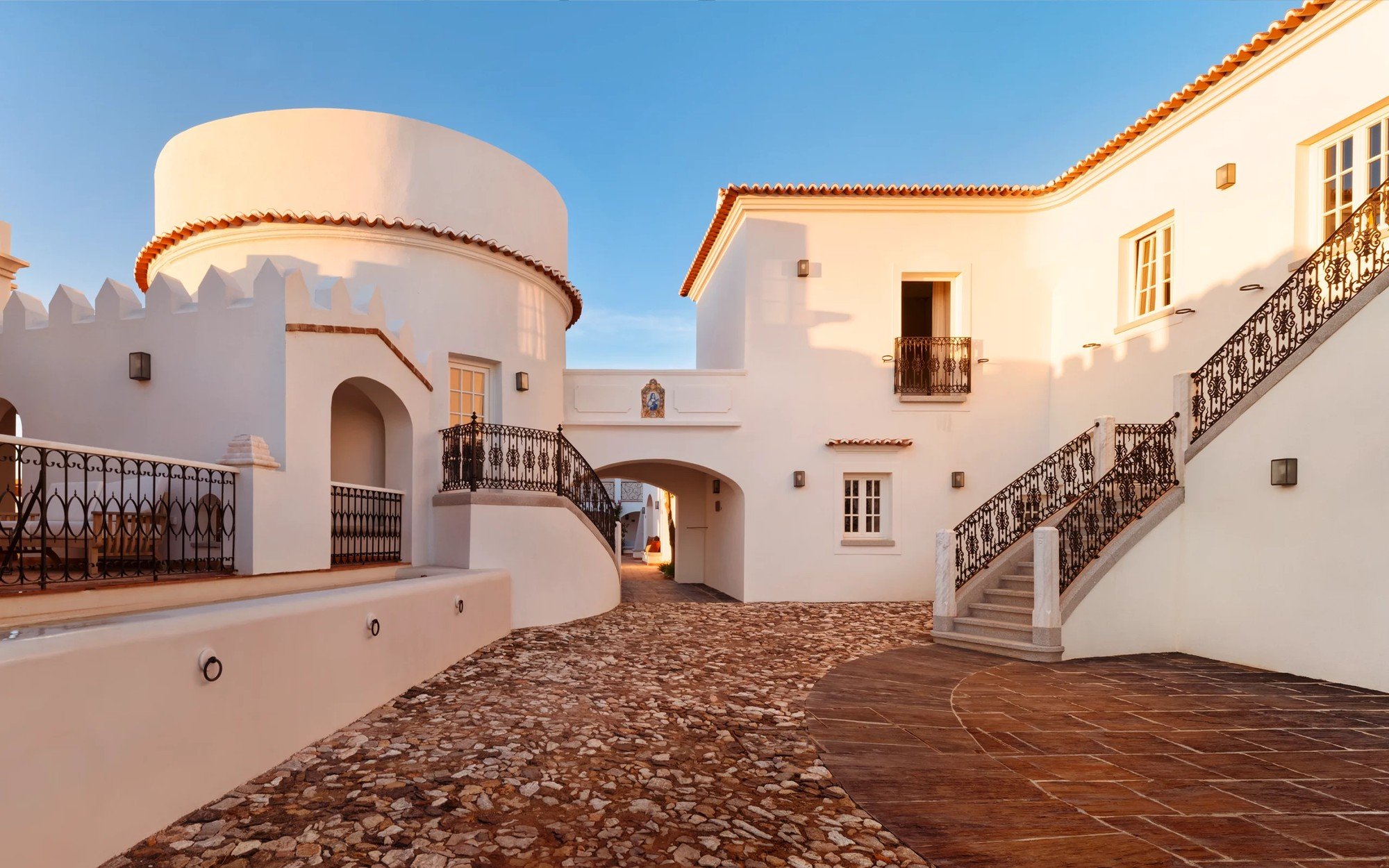
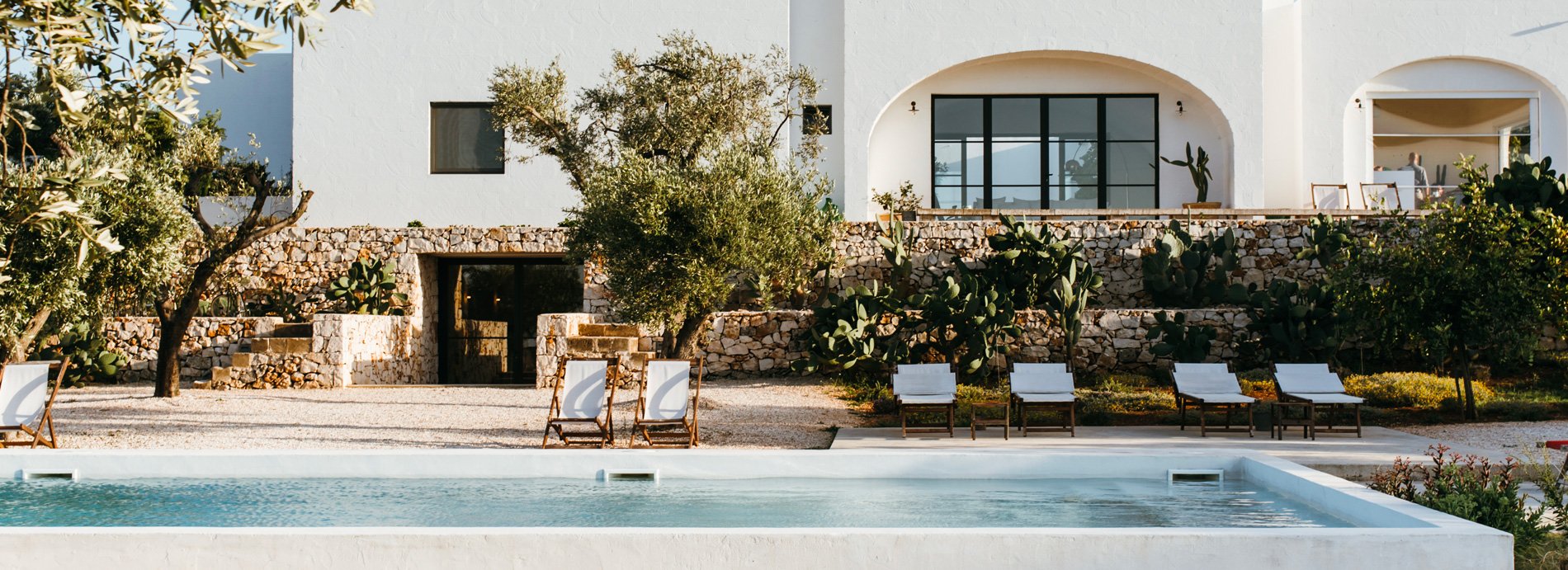
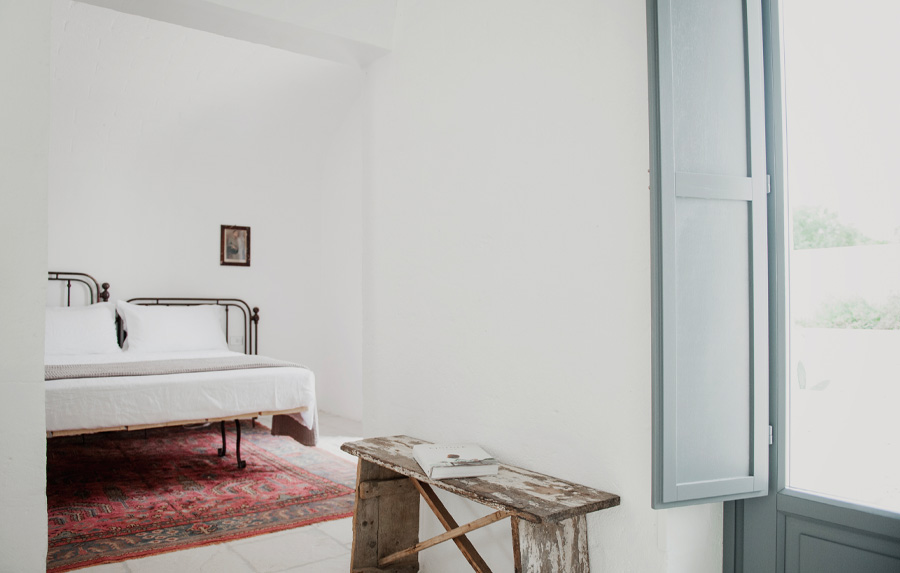
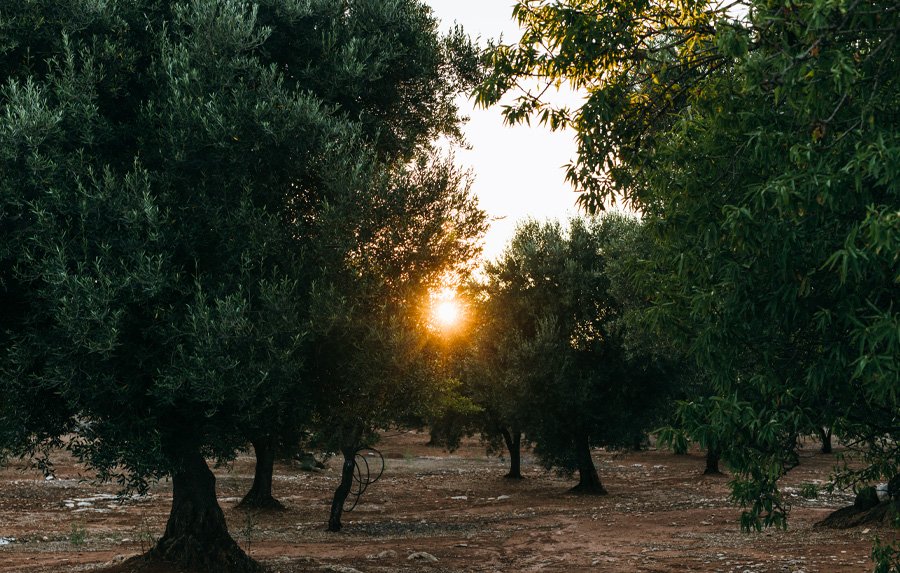
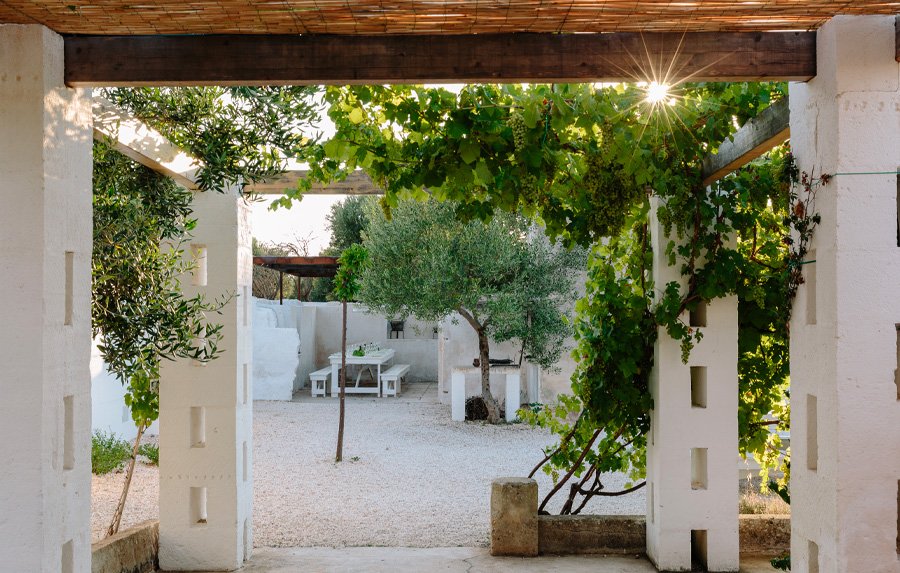
You see it late, a low white mass on a ridge of olive groves, the sea behind it and Ostuni piled white on its own hill three kilometres off. Masseria Moroseta is not an old building dressed up. The architect Andrew Trotter built it from scratch, then made it behave like a masseria that had always stood there: thick walls that hold the cool, vaulted ceilings, shaded courtyards, the local tufo stone left to carry the place. Six rooms, no more. Each opens to its own terrace or walled garden, with an iron bed, a kilim and pale shutters, and otherwise very little. The pool sits below the house on a gravel terrace and the olive trees come right up to it. Five hectares of them, worked organically, which is partly where breakfast comes from.
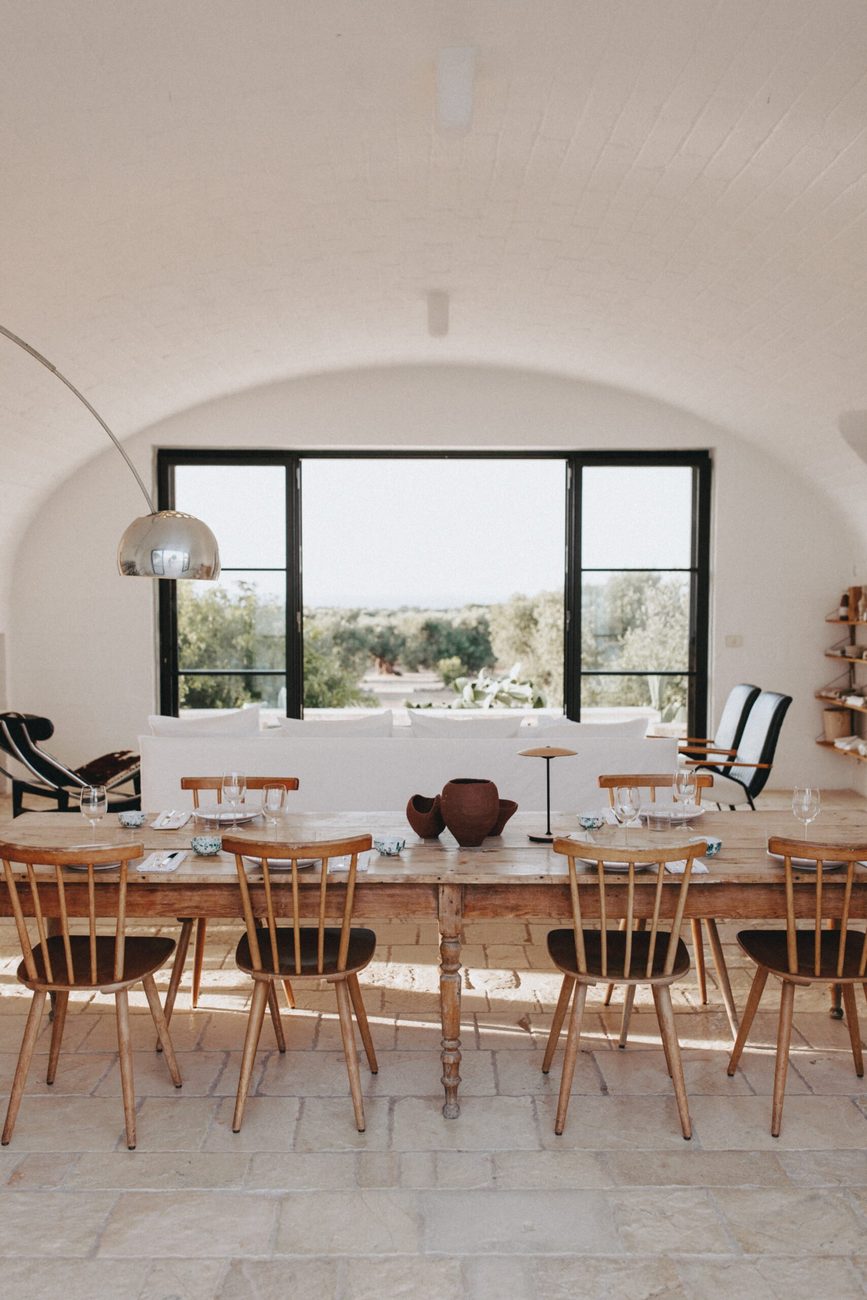
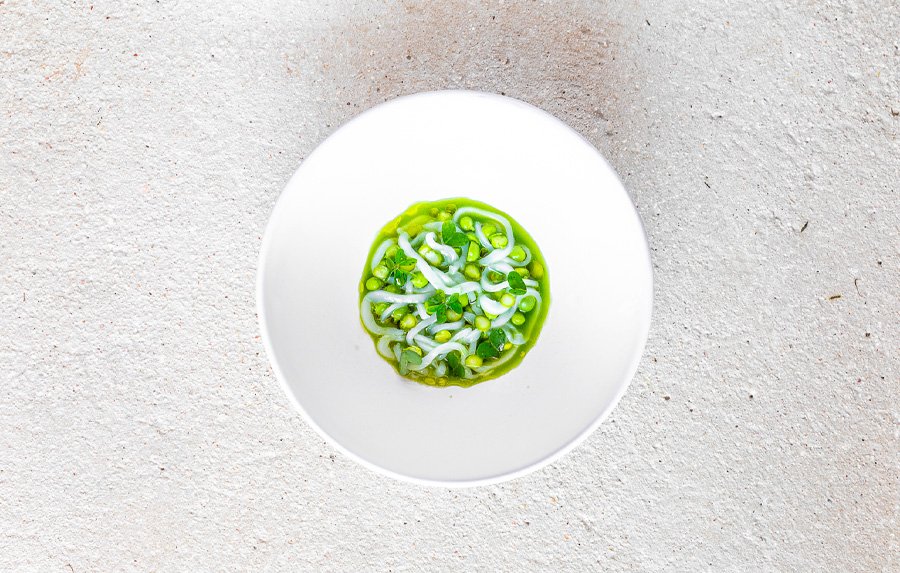
Dinner is the reason a good many people book and then barely leave the gate. There is no menu. You sit at the long table under the vault, or outside when the evening allows, and you eat what Giorgia Eugenia Goggi has decided to cook, a set run of small plates built on whatever the garden, the orchard and the chicken coop gave up that day. The cooking is Mediterranean at the root and quietly travelled at the edges, careful without being fussy. The kitchen takes outside bookings as well, so you need not be a guest to eat here, though you should reserve.
Puglia has filled with masserie selling the same whitewashed fantasy. Moroseta is the one that got the architecture honest and the kitchen serious, then kept the house small enough to mean it. This is six rooms with a working farm attached, not a resort, so there is no spa and no roster of activities, and that is rather the point. Come for the rooms, the table and the long middle of the day. Ostuni is a short drive for the evening, and the rest of the Itria Valley, Cisternino and Locorotondo and the trulli, sits close enough to fill a week.
A longer reading of Masseria Moroseta: the house Andrew Trotter built from nothing, the no-menu table, and six rooms held at six, a decade on.
Read Folio No. 89 →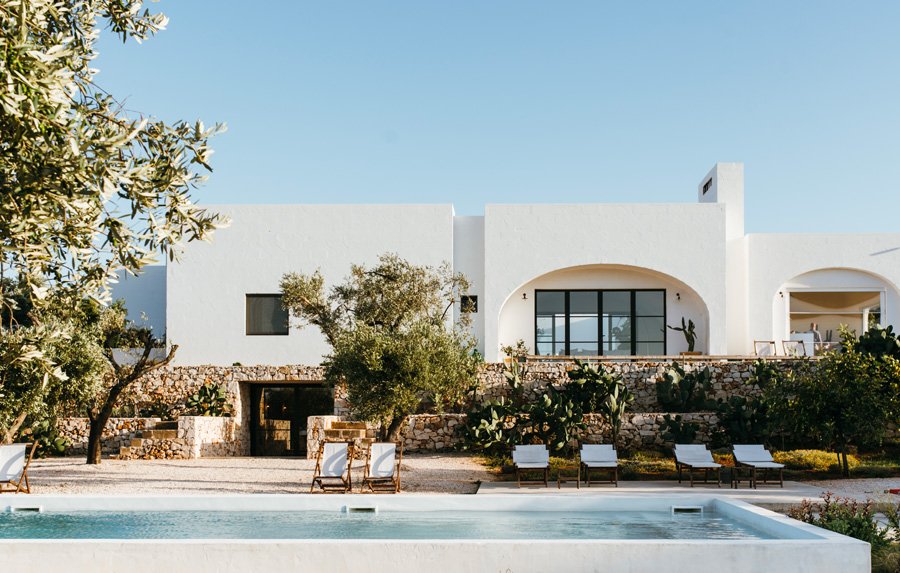
One selection at a time, in your inbox. Subscribe →
A ridge in the olive groves above Ostuni, Puglia, three kilometres from town.
Six-room masseria by architect Andrew Trotter; new-built in traditional Puglian stone.
Moroseta Kitchen, a no-menu set dinner by chef Giorgia Eugenia Goggi; open to non-residents by reservation.
Ostuni; the Itria Valley, Cisternino and Locorotondo; the Adriatic coast.
Free, one to one, on WhatsApp. Tell me your dates and I will point you to the right places.
Plan with me on WhatsApp