On the Rise
You feel the change in gear before you see it. The motorway from Bari thins to a two-lane road, the olive groves close in, and the land begins to fold into low limestone walls. This is the Itria Valley, the inland heart of Puglia that sits between Bari and the heel of the country, and it has spent the last few years quietly becoming one of the more talked-about corners of the Mediterranean. We came to understand why people keep saying its name.
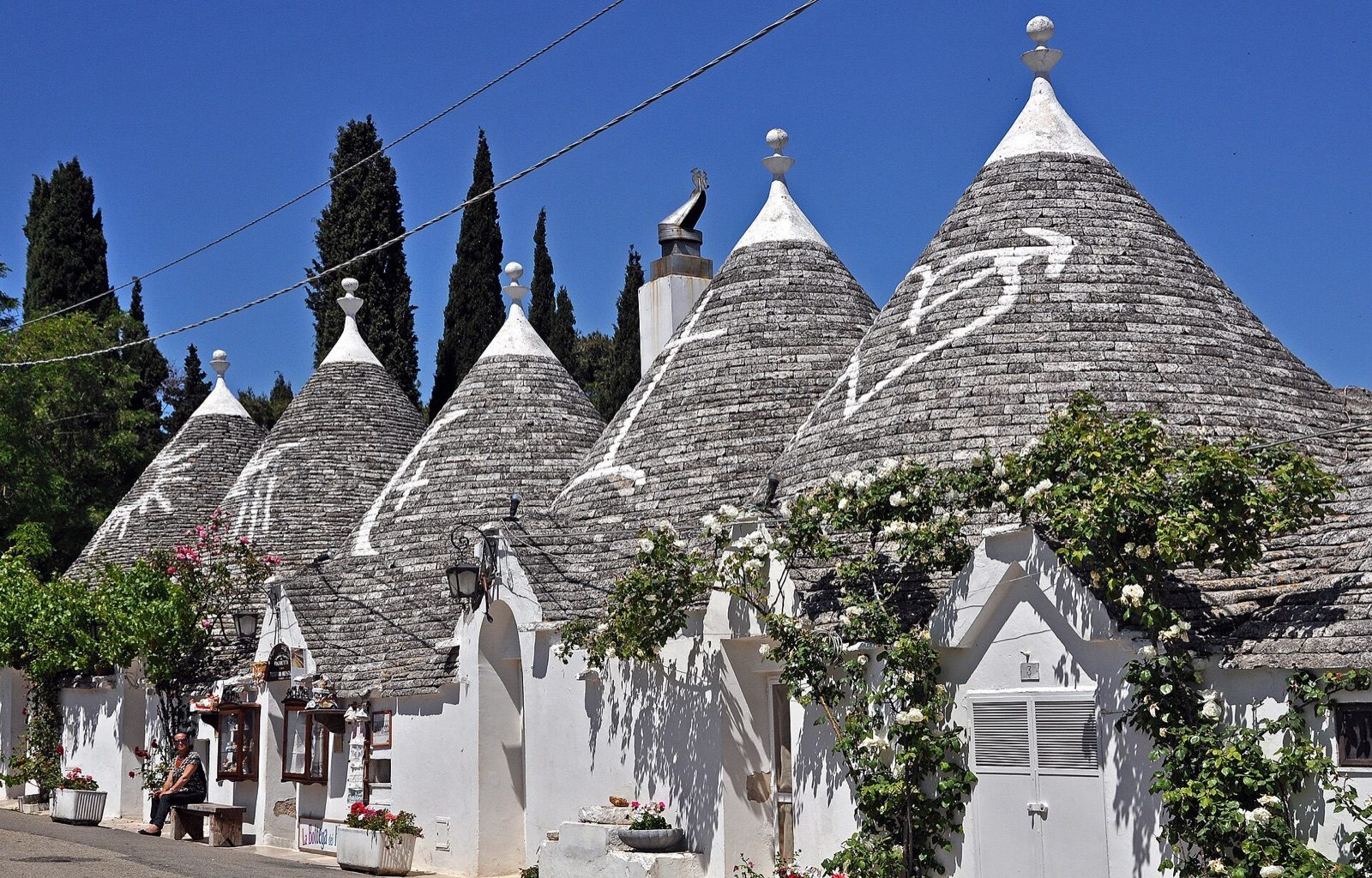
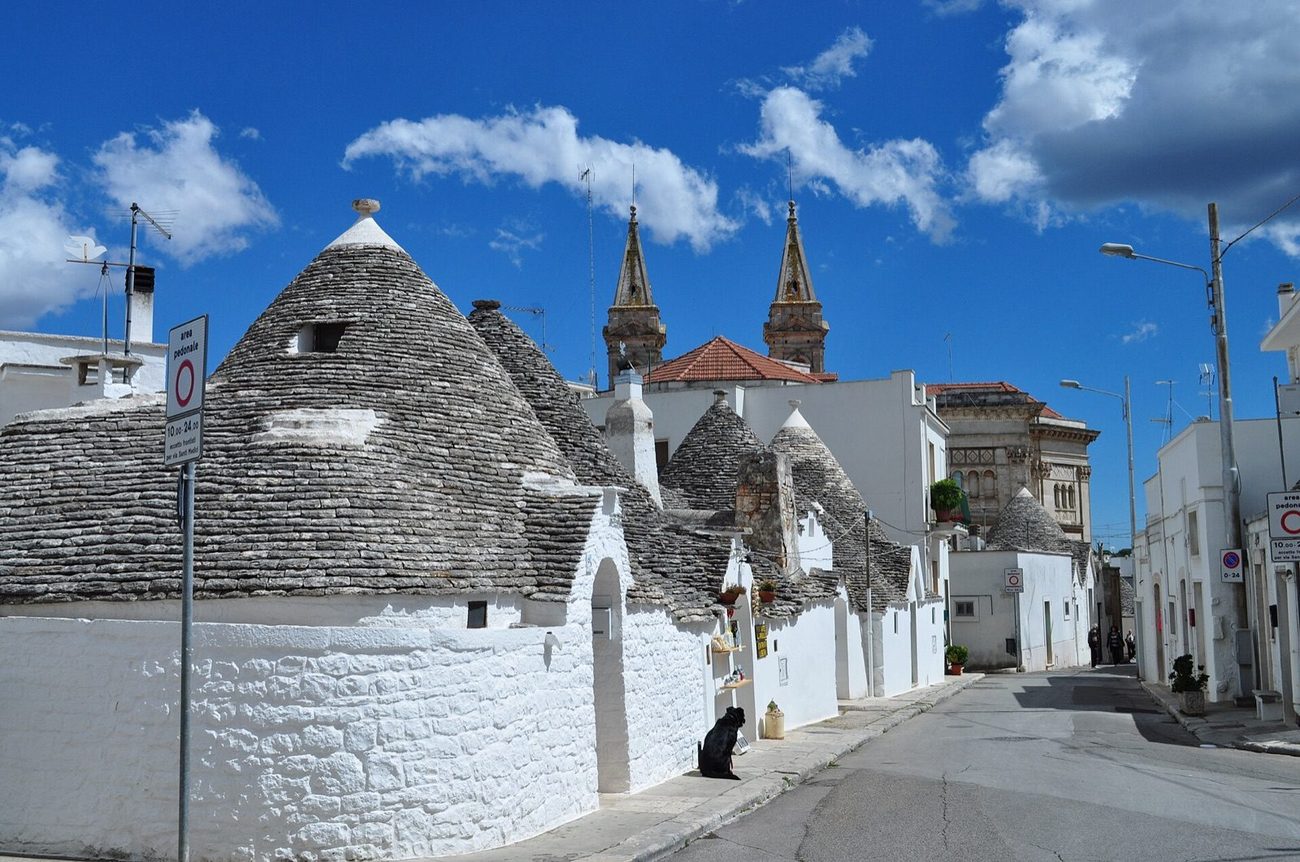
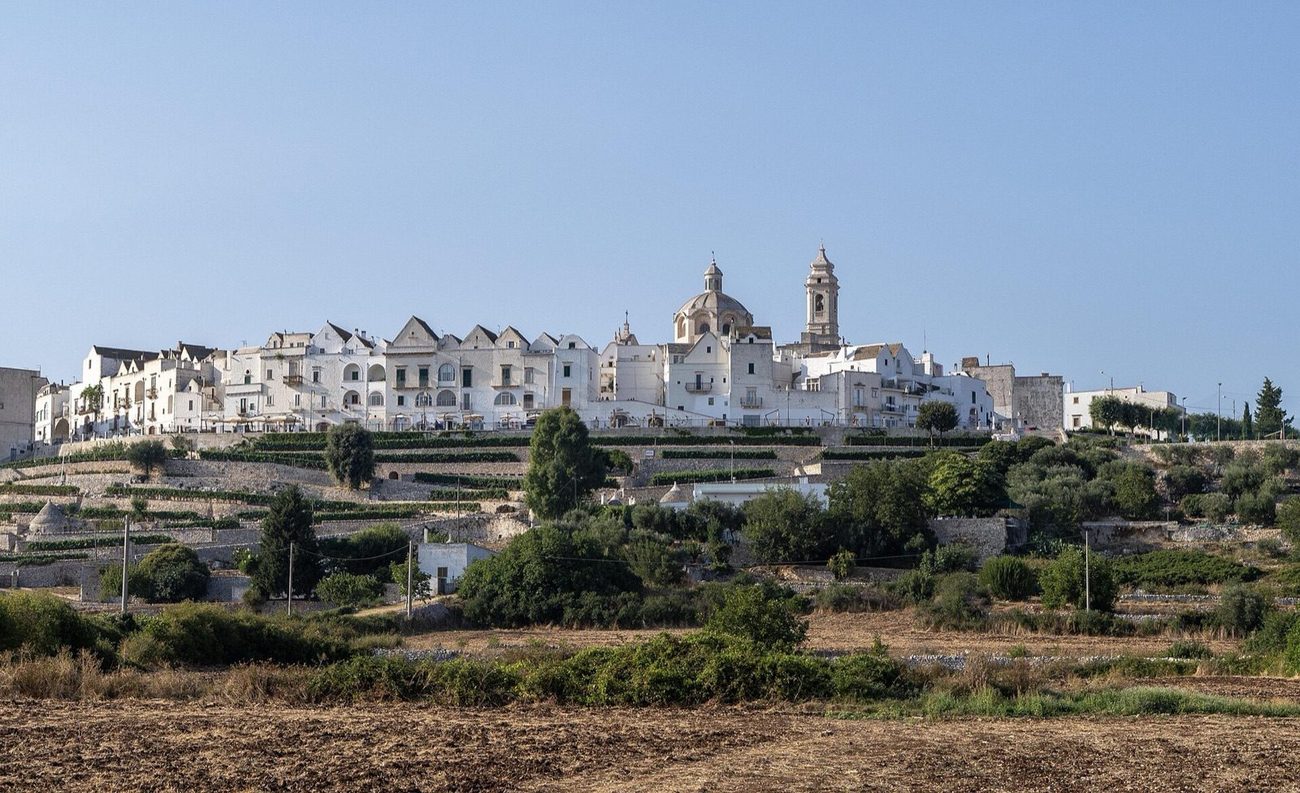
The valley's signature is the trullo, a round dwelling of dry-stacked stone under a conical roof, whitewashed and crowned with a painted symbol. Alberobello holds the densest concentration, more than 1,500 of them packed into two hillside quarters, and it has been on the UNESCO World Heritage List since 1996. The town can feel like a film set in high season. We preferred the quieter neighbours. Locorotondo, laid out in tight concentric rings on its hill. Cisternino, where the butchers grill your meat to order in the evening. Martina Franca, all baroque balconies and a summer opera festival that locals guard jealously.
What you remember is the tempo, the sense that nothing much needs to happen before lunch.
What has shifted is where you sleep. The masseria, the fortified farmhouse that once anchored an estate of olives and almonds, has become the region's defining luxury form. Borgo Egnazia and Masseria San Domenico drew the first wave of international guests to the coast below the valley. Rocco Forte opened Masseria Torre Maizza in 2019, and last December the group announced a second Puglian property, Masseria del Cardinale near Fasano, due to open in 2028 with 86 rooms and an Irene Forte spa. The investment is a fair signal of where the smart money thinks this place is going.
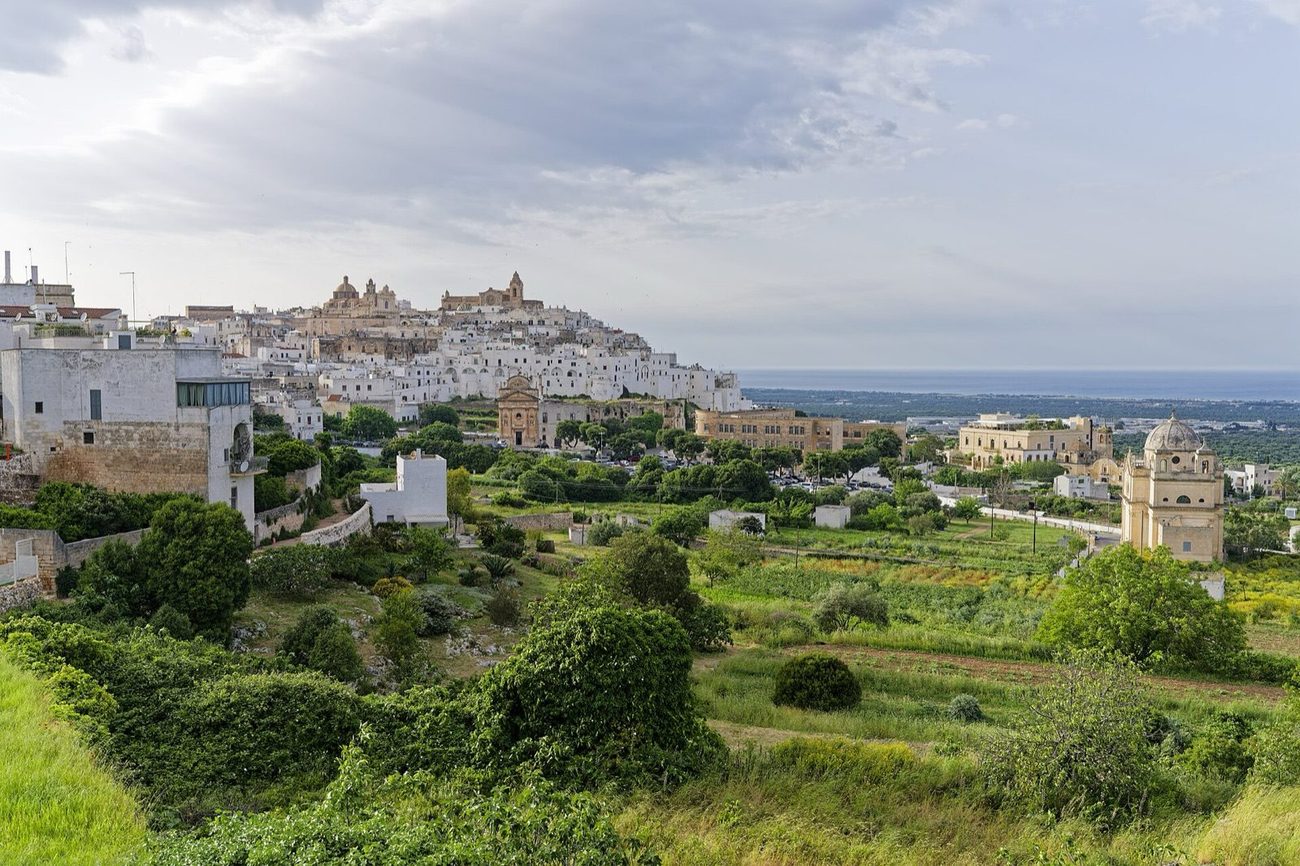
We would not rush. The valley rewards the kind of day that drifts. A morning among the trulli, an hour in the cool nave of a country church, a long lunch of orecchiette and burrata under a fig tree, then the white hill town of Ostuni catching the last light a short drive east. The food is plain in the best sense, built on what the fields and the sea give up that week.
The risk, of course, is that the Itria Valley is discovered too well, that the masserie multiply faster than the roads and the wells can bear. For now it holds its balance. Come in May or in late September, when the heat eases and the crowds thin, and you will still find the south doing what it does best, which is very little, beautifully.
One selection at a time, in your inbox. Subscribe →