Field Notes
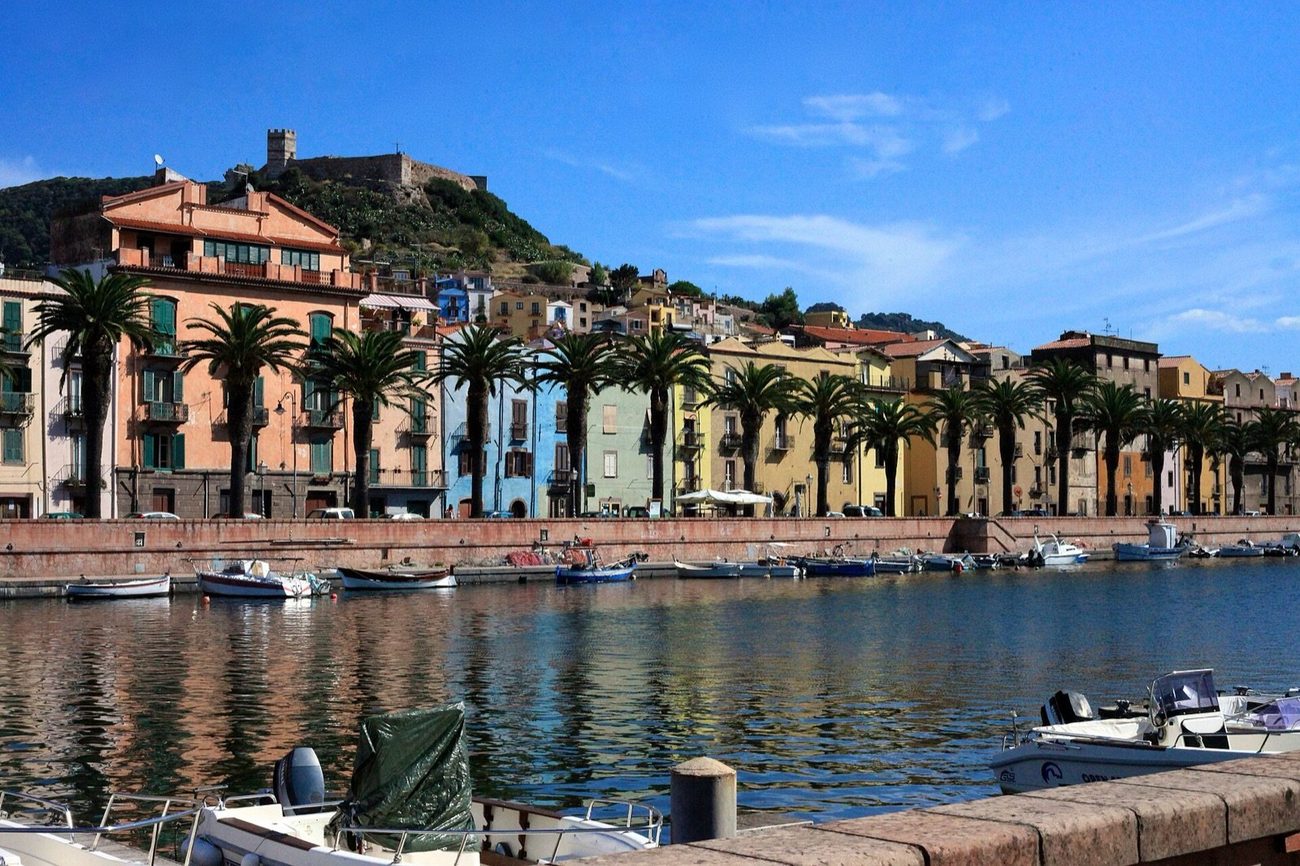
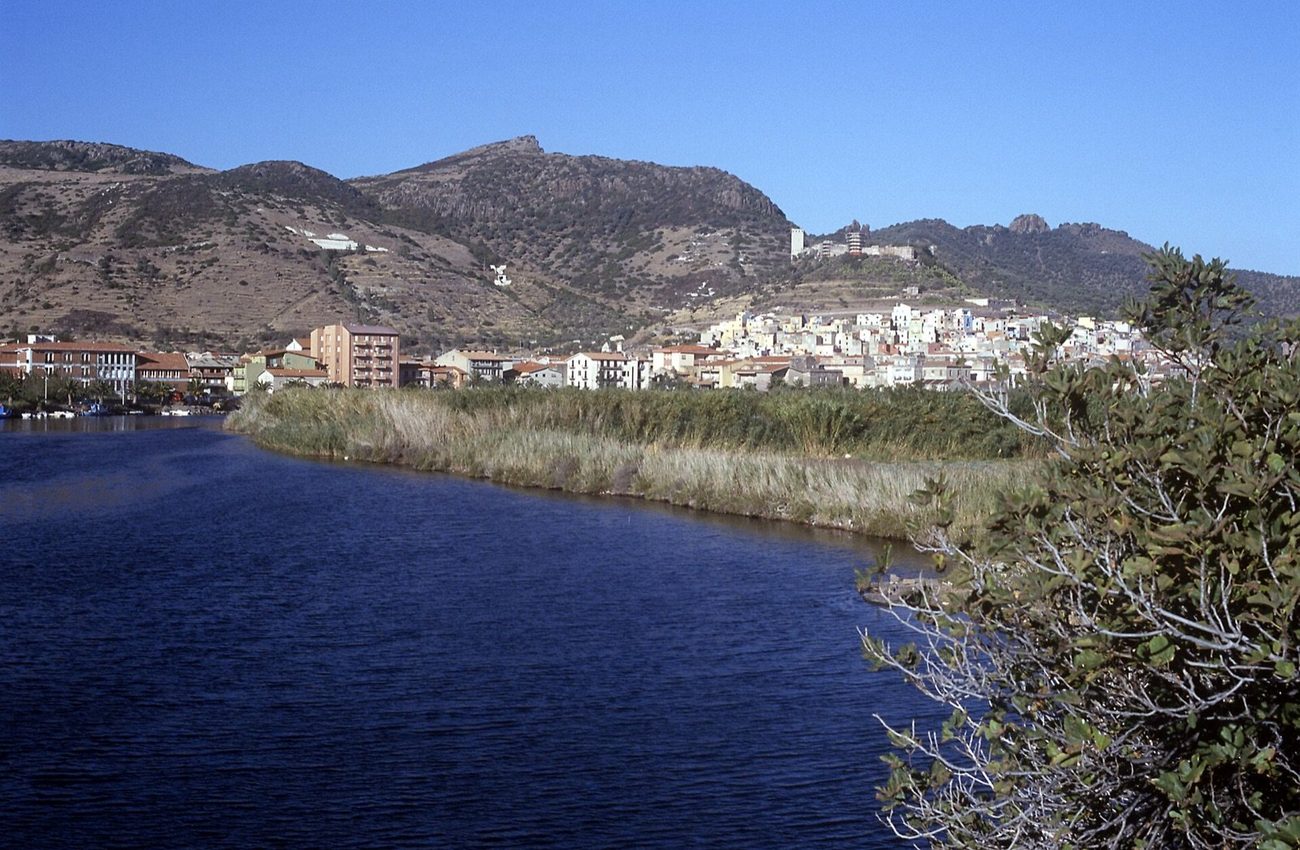
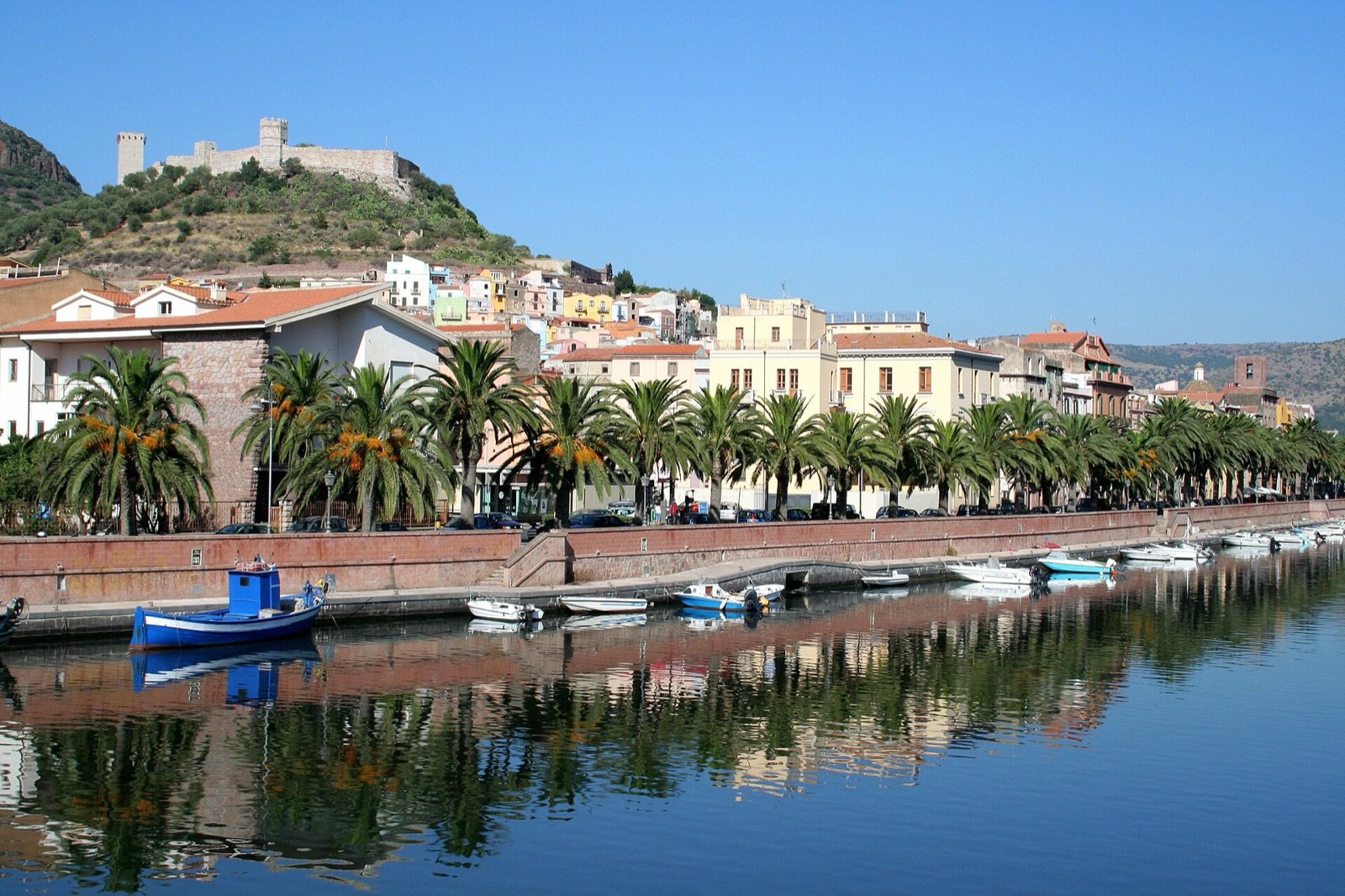
We reach Bosa from the north, on the coast road that keeps the sea on the left and hides the town until the last bend. Then the valley opens, the river Temo widens, and the whole hillside arrives at once: pink, ochre, faded blue, a green the colour of old shutters, stacked up towards a castle. It is the sort of view that photographs badly and stays with you anyway.
The colours are not decoration. This is Sa Costa, the medieval quarter that climbs the slope beneath Castello Malaspina, and the houses were painted to a code once, a shade to a family, a habit the town has half kept and half forgotten. The castle above them went up around 1112, raised by the Malaspina, a Tuscan family who read the map and chose this hill for the river below and the sea beyond it.
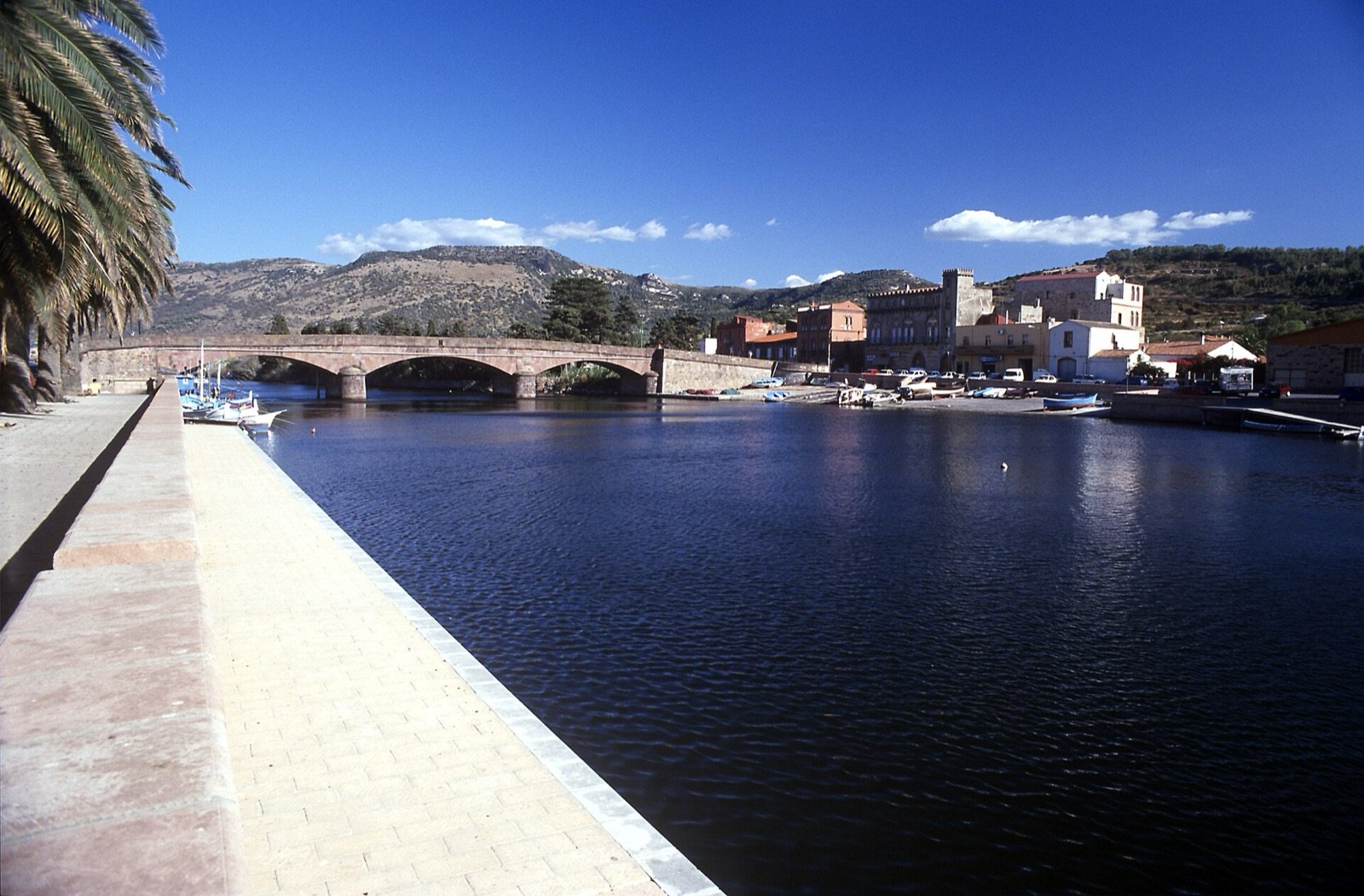
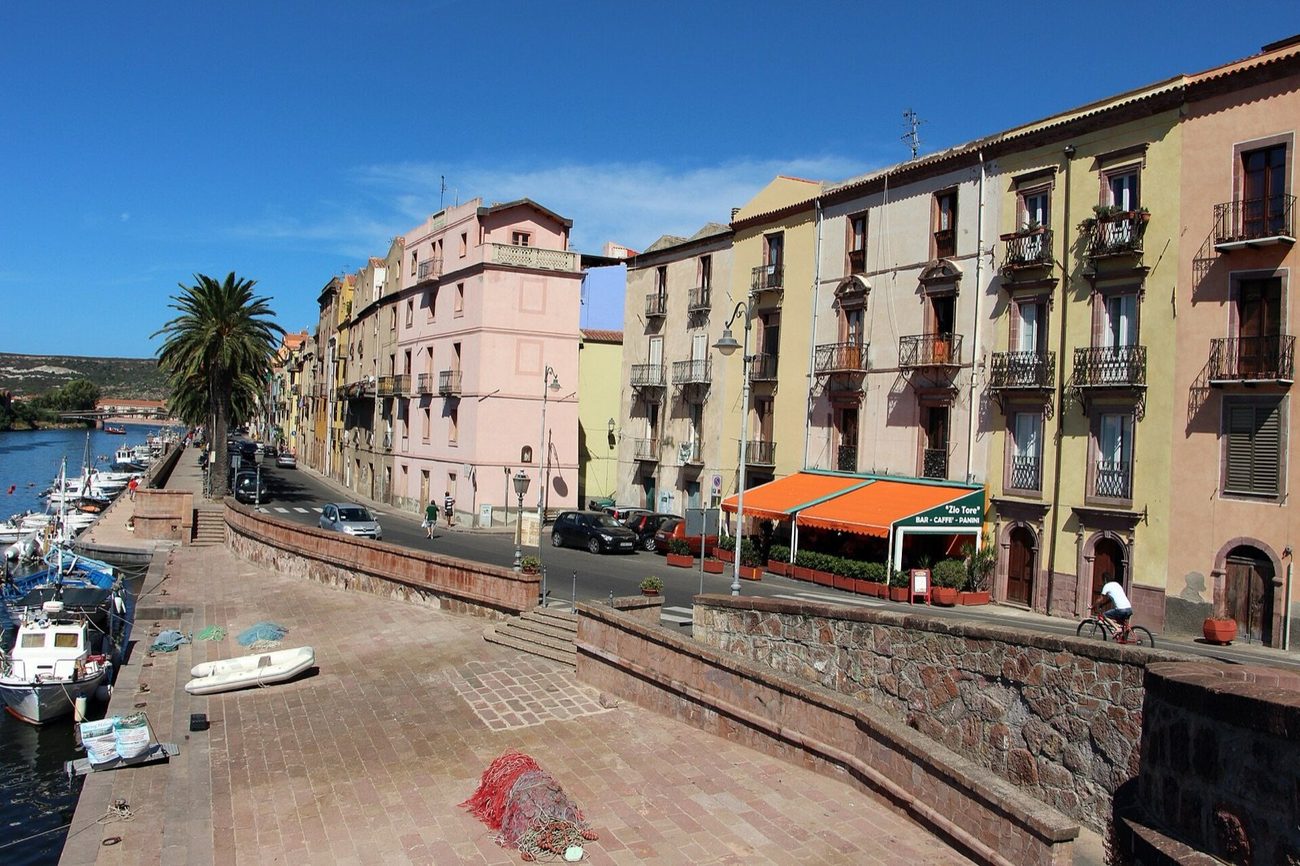
That river is the reason for everything here. The Temo is the only navigable river in Sardinia, and Bosa grew with its back to the sea and its face to the water. Small boats still tie up along the Lungotemo. The old bridge, the Ponte Vecchio, carries you across low over a slow current.
A town that turned inland, away from the coast every other Sardinian settlement was built to watch.
Cross the bridge and the far bank tells the harder story. A long row of low stone sheds runs along the water, Sas Conzas, the old tanneries, now a national monument with a small museum in one of them. For the better part of a century, from the late 1800s into the 1900s, this stretch of the Planargia was one of Italy's tanning capitals, its leather sold well beyond the island. The sheds were built on two levels with open fronts, so the hides could be worked by the river and hung to dry in the moving air. They stand empty now, handsome and exact, a piece of industrial Sardinia most visitors walk straight past.
We ate late on the quiet side of the water, with a glass of the local Malvasia at the end. Bosa makes a sweet Malvasia that carries the town's name, amber and faintly nutty, the kind of wine a place keeps mostly for itself.
Then the light did the work it does here every evening. It came off the Temo and up the painted fronts, the castle held the last of it, and the boats knocked quietly against the Lungotemo. Nobody seemed in any hurry. Neither were we.