Ground Truth
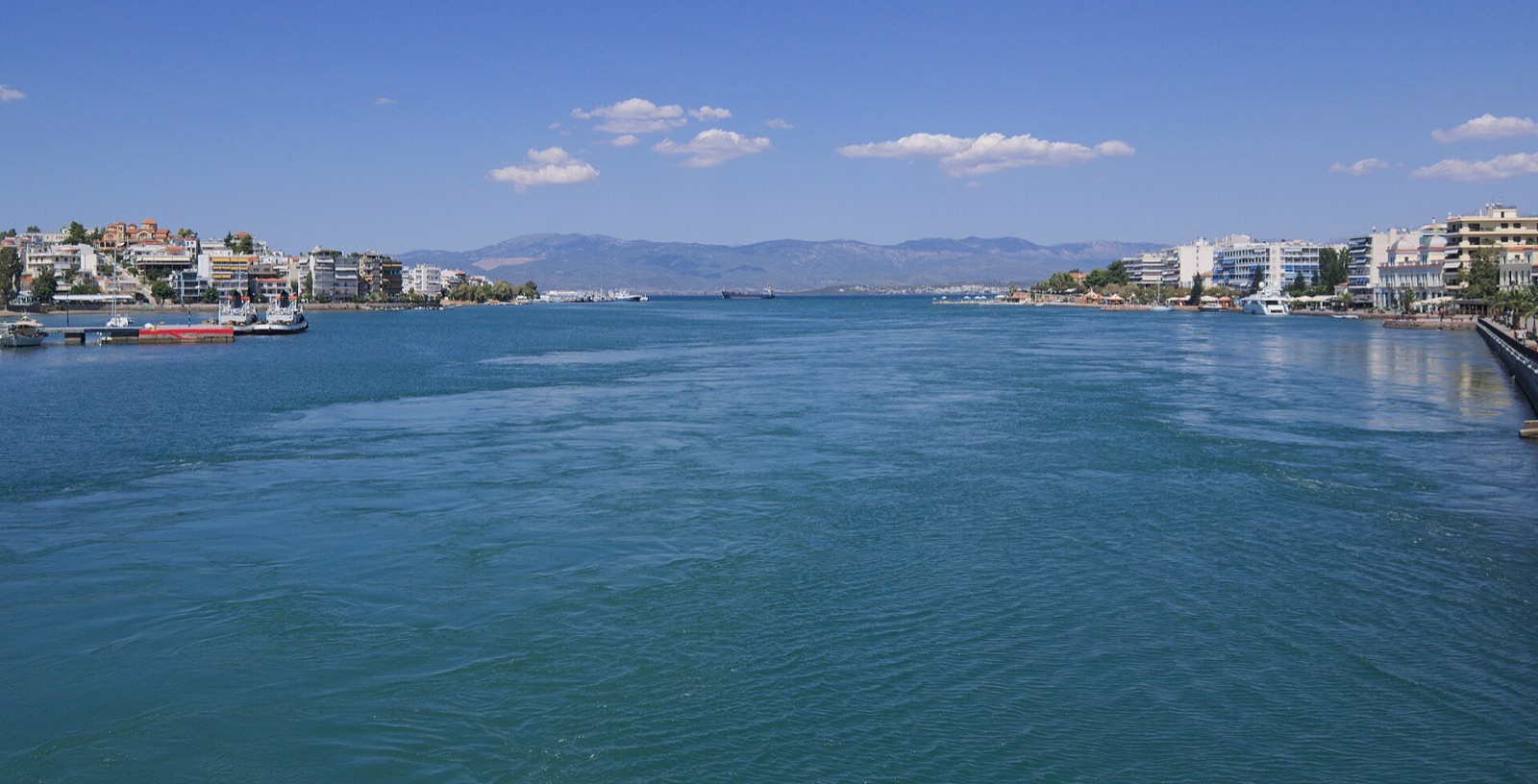
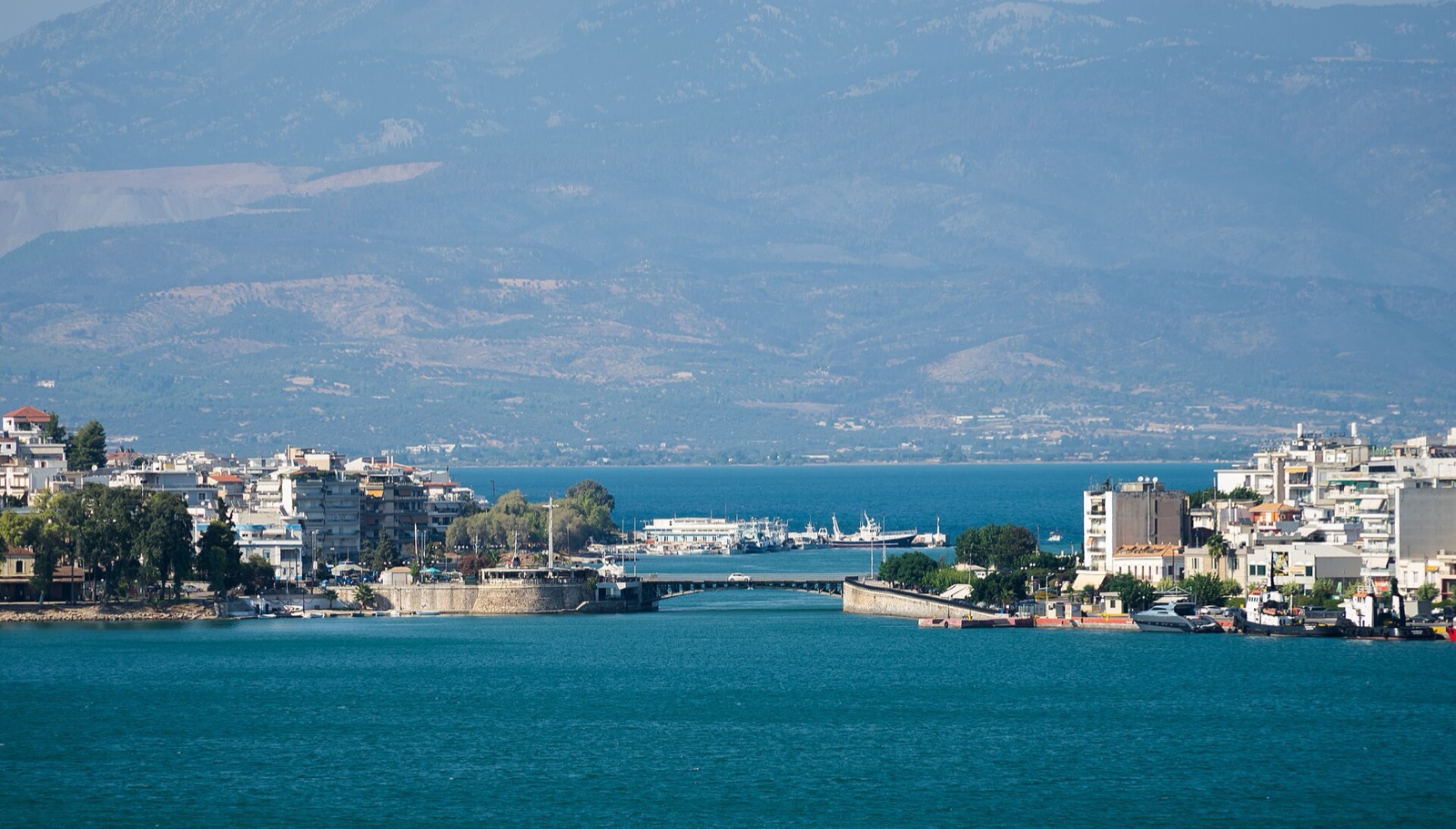
We have stood on the old bridge at Chalcis at slack water, when the channel below looks like nothing at all, a lane of flat green sea thirty-eight metres across. We have come back an hour later to find it running hard the other way, heaping against the piers like a river in spate. Nothing above the water explains it.
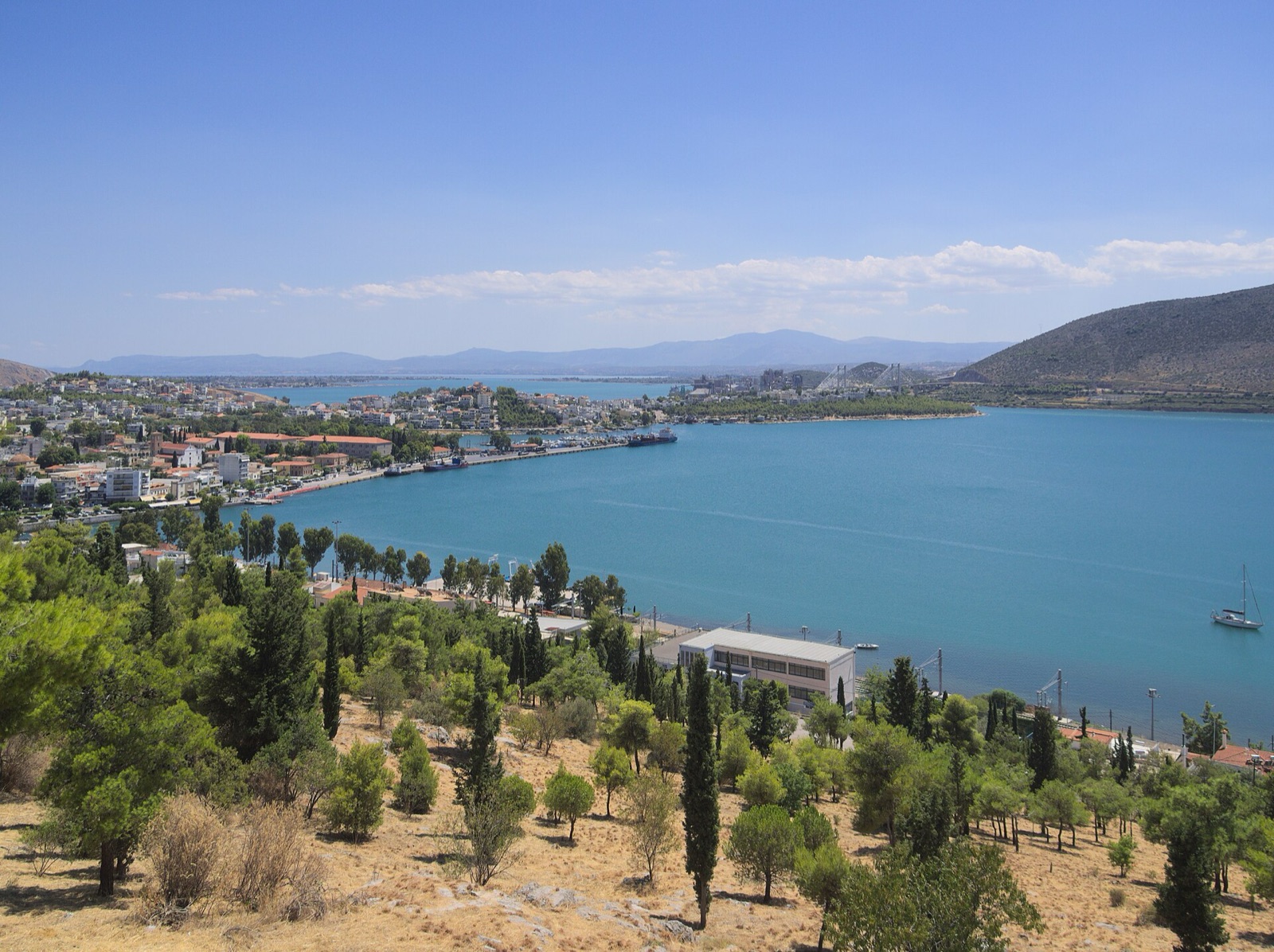
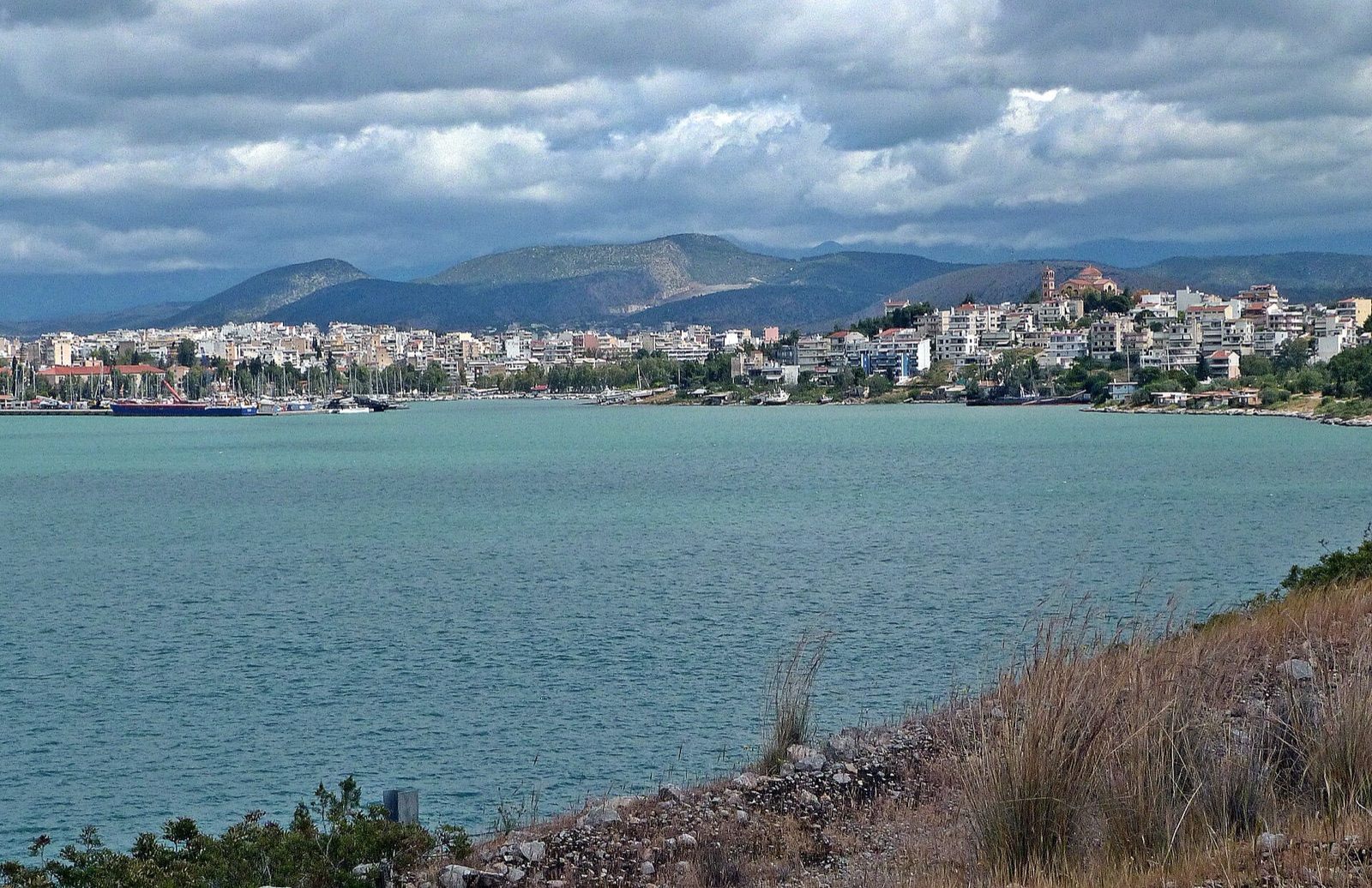
The Euripus is the narrow gate between the North and South Euboean Gulfs, the thread of sea that separates Euboea from the Greek mainland. Both basins are filled and emptied by the same moon, but not at the same instant. The tide reaches the southern gulf a little over an hour before it reaches the northern one, and the water forced through the gap is forever trying to level a difference that never quite settles. For most of the month the result is orderly. The current turns about every six hours, four times a day, with a short hush at each change while the sea decides which way to lean.
For six or seven days a month the strait simply loses count, and reverses whenever it likes.
Around the quarters of the moon the rhythm breaks. On those days the current stops keeping time and can change direction as many as fourteen times in twenty-four hours, at no interval you could set a watch by. The people of Chalcis call these the mad waters. The flow peaks at roughly twelve kilometres an hour, quick enough that the fishermen who work the channel read it the way others read a timetable.
Aristotle knew this water. He spent his last year at Chalcis and died here in 322 BC, and a durable legend has him throwing himself into the strait in despair at failing to explain it. The story is almost certainly invention, yet it survives because it feels earned. The phenomenon resisted a convincing account for more than two thousand years. Only in 1929 did Dimitrios Eginitis, then director of the Athens Observatory, describe it as a seiche, a standing oscillation set going between the two gulfs by tide and wind together.
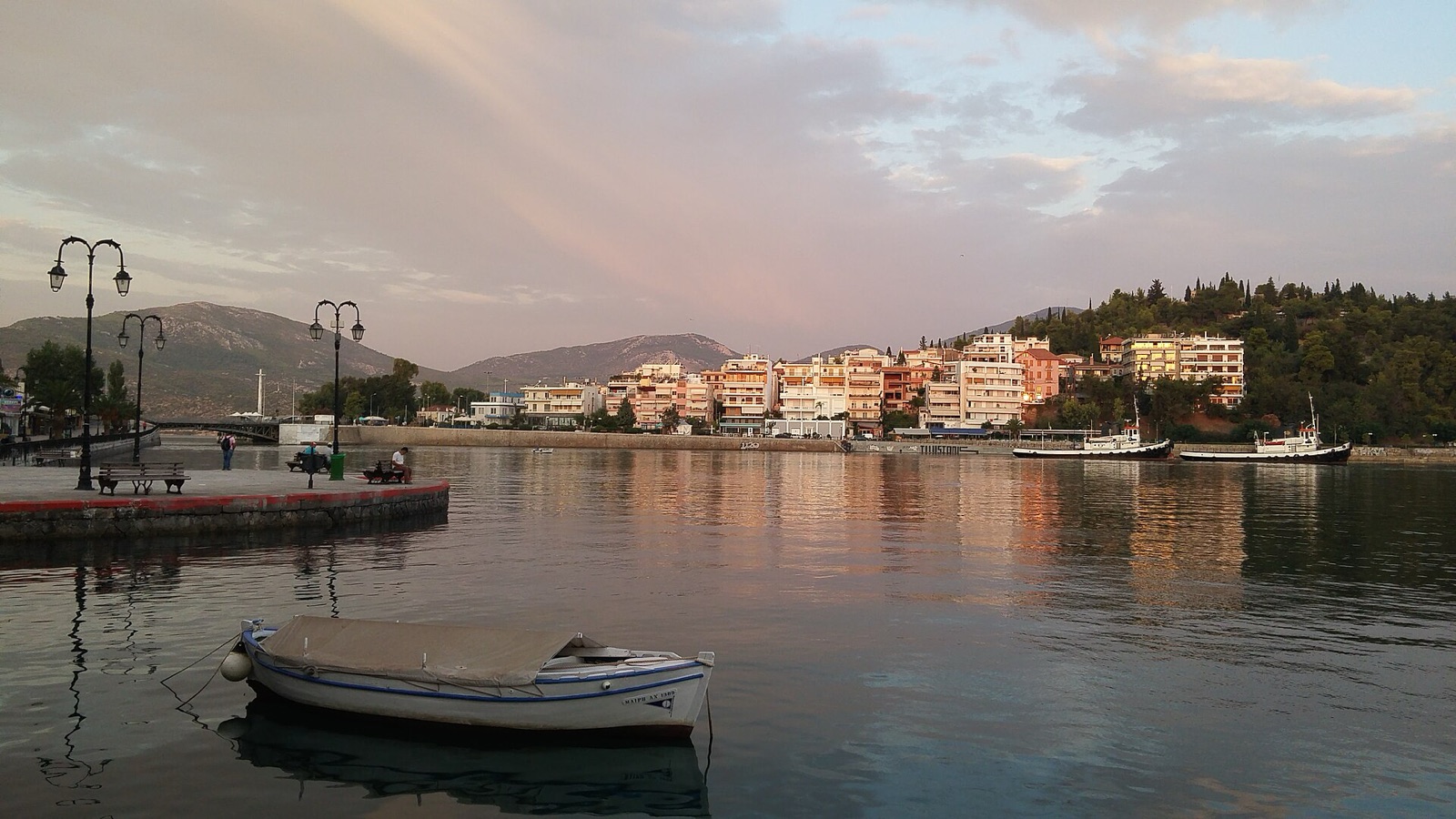
A wooden bridge has crossed the gap since 1858, the first of its kind here, and the one there now slides sideways to let a boat pass before closing again over the current. Stand on it long enough and you feel what the ancients felt. The water is not answering the weather, or the clock, or the crowd on the parapet. It keeps a schedule written somewhere below the surface, in a hand no one has ever fully learned to read.